Con Agallas: Santiago’s Top Fish Shop for Elite Restaurants
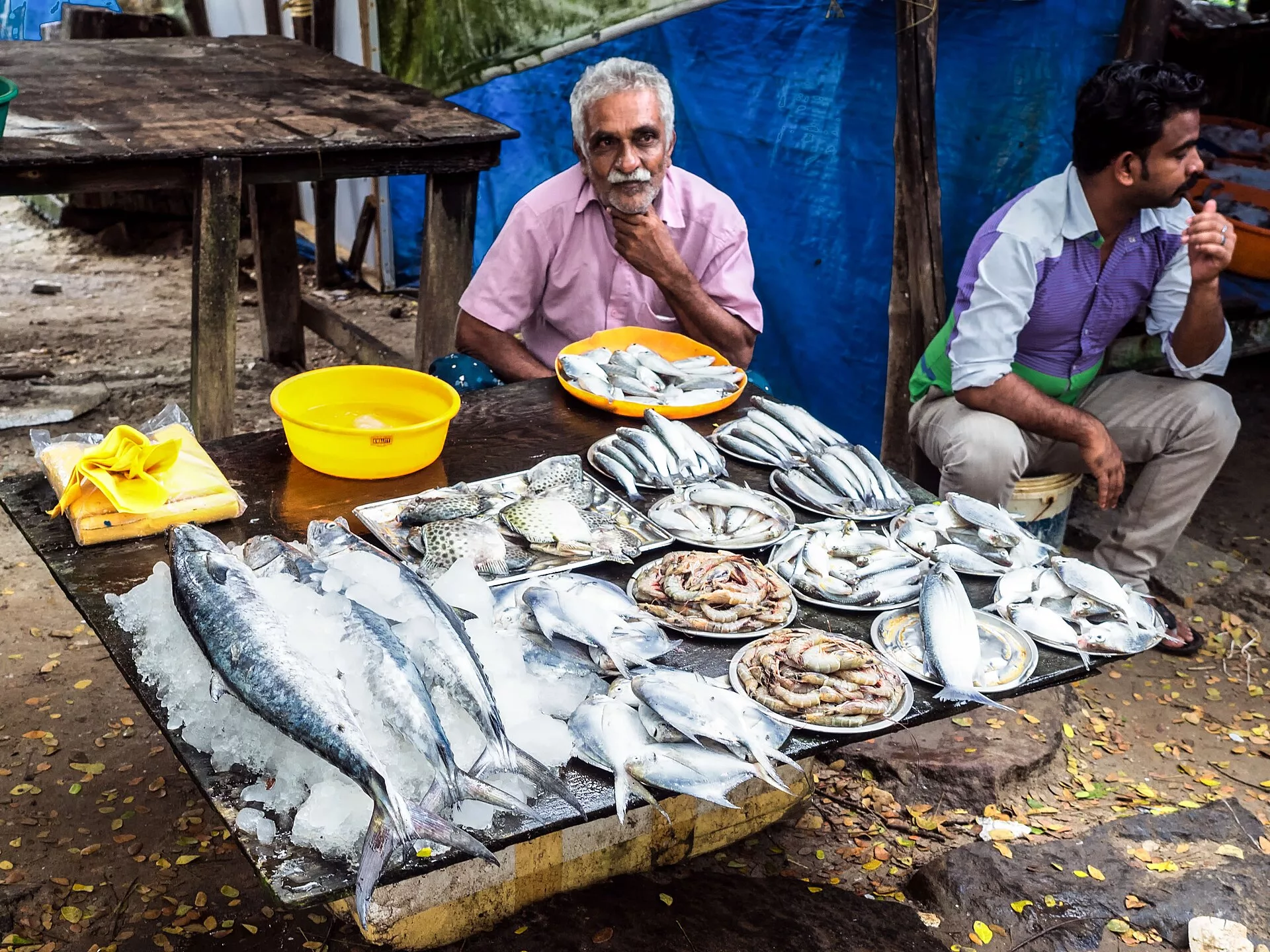
Santiago’s Artisanal Seafood Revolution
Key Facts
—Location. Con Agallas operates a fish shop and seafood bar at Av. Ricardo Lyon 1056 in Providencia, Santiago.
—Sourcing. All seafood is 100% Chilean, never frozen, never imported, and sourced exclusively from artisanal fishers along the Pacific coast.
—Restaurant Clients. Supplies top Santiago establishments including Naoki, Fukasawa, Demencia, Ambrosía Bistró, La Mar, and the Mandarin Oriental hotel.
—Sales Channels. Home delivery accounts for roughly 45% of total sales, alongside online orders with pickup and the physical shop.
—Founders. Diego de la Fuente and Francisco Nieto launched the business in 2015 as a home-delivery ceviche operation.
Con Agallas Providencia has reshaped how Santiago accesses fresh seafood, evolving from a ceviche delivery service into the go-to artisanal fish supplier for the capital’s most discerning chefs and hotels.
From a Ceviche Truck to Santiago’s Premier Fishmonger
Diego de la Fuente and Francisco Nieto started Con Agallas in 2015 with a simple idea: deliver good ceviche to people’s homes. They operated a food truck in Providencia before making a pivotal shift in 2018.
That year they launched an e-commerce fish shop, betting that Santiago households wanted direct access to Chile’s 4,200 kilometres of coastline. The online model proved prescient, changing consumption habits well before the pandemic accelerated home delivery across the region.
In April 2022 they opened their first brick-and-mortar location on Ricardo Lyon, near Eliodoro Yáñez. The space combines a traditional fish counter with a “barra de mar” — a casual seafood bar where customers eat ceviches and mariscales made from the same daily catch sold next to them.
How Con Agallas Providencia Built a Restaurant Supply Network
The shop’s restaurant client list reads like a guide to Santiago’s best dining. Naoki, Fukasawa, Demencia, Ambrosía Bistró, La Mar, Do Sushi, Bar El Bajo, Yum Cha, and Bao Mamba all source seafood through Con Agallas.
Hotels have followed the same path. The Mandarin Oriental and the Hyatt trust the shop for consistent, traceable product.
Restaurants Baco and Pinpilinpausha are also on the books, alongside a growing roster of kitchens that refuse to compromise on provenance.
What chefs value is reliability and variety. The shop delivers species that rarely reach city markets — rock fish, chochas, machas, jaiba from Pichilemu, navajuelas from Niebla, and premium Rapa Nui yellowfin tuna.
No salmon appears on the counter, and nothing is imported.
The Business Model Behind Con Agallas Providencia
Three channels drive revenue. Home delivery accounts for approximately 45% of total sales, with orders dispatched Tuesday through Saturday.
Online orders with same-day pickup form a second pillar, and the physical shop serves walk-in customers and bar diners.
The fresh fish display is renewed three times weekly — Tuesday, Thursday, and Saturday mornings. This rhythm means restaurant chefs and home cooks alike work with fish that was swimming off the Chilean coast hours earlier, not days.
The founders built a network of artisanal fishers rather than relying on industrial suppliers. The menu and counter stock change according to what the sea provides that week, not a fixed catalogue.
This direct relationship with coastal communities cuts out middlemen and keeps money within fishing families.
Why Santiago’s Top Kitchens Choose a Small Neighbourhood Shop
Traditional fish markets in Santiago often mix imported, farmed, and local product with uneven handling. Con Agallas offers something different: restaurant-grade filleting, maturation, and quality control in a compact neighbourhood format.
The shop explicitly positions itself around responsible consumption. Staff teach customers about minimum sizes, closed seasons, and species differences.
The space functions as a small educational hub about Chile’s maritime biodiversity, not merely a point of sale.
For chefs, the appeal is practical. They gain access to consistent, ethical supply of diverse local species without managing multiple coastal relationships themselves.
The shop handles logistics, quality checks, and delivery, letting kitchens focus on cooking.
What Con Agallas Means for Santiago’s Food Economy
The business demonstrates that small, specialised suppliers can capture premium segments of a city’s food chain. By refusing salmon and imports, Con Agallas created a defensible niche that larger competitors struggle to replicate.
The model also points to a broader shift in how Latin American capitals connect with their food sources. Direct producer-to-consumer and producer-to-chef channels are growing across the region, from Mexico City’s mercados to Lima’s fish terminals.
Con Agallas shows the same logic works at neighbourhood scale in Santiago.
For investors watching Latin America’s food sector, the takeaway is clear. Premiumisation of local, traceable ingredients is not a passing trend.
It is a structural shift in consumer and chef behaviour, and the businesses that master the logistics of freshness will capture disproportionate value.
More: Chile news in English, every day from The Rio Times.
Frequently Asked Questions
Where is Con Agallas located in Santiago?
Con Agallas is at Avenida Ricardo Lyon 1056 in the Providencia district of Santiago, near the intersection with Eliodoro Yáñez. The shop operates as both a fresh fish market and a casual seafood bar where customers can eat on site.
Which Santiago restaurants does Con Agallas supply?
The shop supplies acclaimed restaurants including Naoki, Fukasawa, Demencia, Ambrosía Bistró, La Mar, Do Sushi, Bar El Bajo, Yum Cha, and Bao Mamba. Hotels such as the Mandarin Oriental and the Hyatt also source seafood through Con Agallas, alongside Baco and Pinpilinpausha.
Does Con Agallas sell salmon or imported fish?
No. Con Agallas sells exclusively Chilean seafood from artisanal fisheries.
The shop does not stock salmon or any imported product. All fish is never frozen and changes according to what coastal fishers bring in each week, with the display renewed three times weekly.
This article was produced by The Rio Times’ automated newsroom system. How we use AI · Report an error · Editorial responsibility: Matthias Camenzind, Editor-in-Chief
The Santiago Guide
What The Rio Times publishes for foreigners in Santiago, Chile.
This month
Coming up in Santiago
- Los Fabulosos Cadillacs Play Santiago on 29 October 29 Oct
- Foro de las Artes 2026 in Santiago, Chile: 30+ Free Events, 1–30 October 30 Oct
- Iron Maiden in Santiago, Chile: Two Estadio Nacional Nights, October 31 and November 1, 2026 31 Oct
- Jorja Smith Santiago 2026: Two Caupolicán Nights in Chile on 3 and 4 November 3 Nov
Living in Santiago
- Santiago Rent for Foreigners in 2026, US$422 to US$886
- Kast Government Sharpens Chile Bet as Foreigners Access Santiago Exchange
- Ricardo Arjona’s Record Santiago Residency: Final Nights This Week
- Living in Santiago: The 2026 Expat Guide
Understand Chile