Living in Santiago: The 2026 Expat Guide
Chile · Expat City Guide
Key Facts
- Budget. A comfortable single life runs about US$1,200 to US$2,000 a month; the typical nomad setup lands at US$1,350 to US$1,600.
- Housing. Furnished one-bedrooms cost US$550 to US$900 in Providencia and Las Condes, US$900 to US$1,300 in the upscale northeast.
- Internet. The best in South America — 100+ Mbps fibre for US$20 to US$25 a month.
- Safety. Chile is among the region’s safest countries; the northeast comunas are calm, while downtown asks more caution.
- Renting. Landlords often demand a Chilean guarantor — furnished mid-term rentals are the standard workaround.
Santiago is the region’s quiet achiever: a clean, functional capital framed by the Andes, with South America’s best internet, real seasons, world-class wine an hour away, and skiing above the city in winter. It trades flash for stability — and for remote workers who value things simply working, that trade is the point. Here is what you need to know about living in Santiago as an expat in 2026.
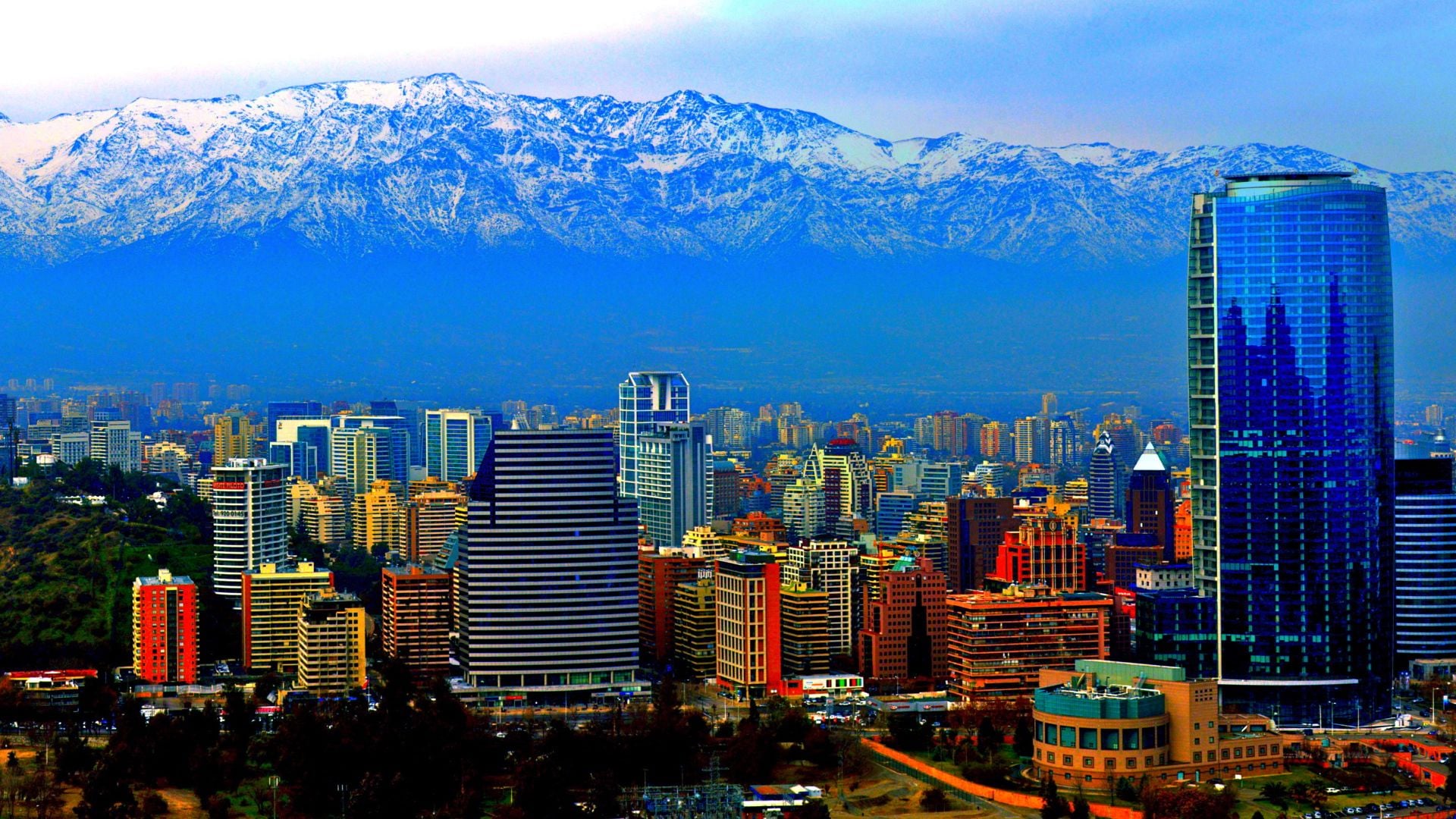
Cost of living in Santiago
Santiago is pricier than the Andean capitals but cheaper than Buenos Aires’ new reality. A comfortable single budget runs US$1,200 to US$2,000 a month, with the typical digital-nomad setup — studio or one-bedroom plus coworking — at US$1,350 to US$1,600.
Groceries run US$250 to US$350 a month, a solid lunch US$10 to US$20, and a nice dinner US$25 to US$50. The standout bargain is connectivity: 100+ Mbps fibre for US$20 to US$25.
The peso trades near 894 to the US dollar in mid-2026.
Where to live: the best neighbourhoods
Providencia is the expat sweet spot — central, leafy, metro-connected, with furnished one-bedrooms at US$550 to US$900. Las Condes and Vitacura are the polished business districts (US$900 to US$1,300 for newer one-bedrooms), while Ñuñoa offers a livelier, more local and cheaper scene popular with younger remote workers.
Barrio Italia is the design-and-café quarter for those who want charm over towers. One local quirk: traditional leases often require a Chilean guarantor (aval) — most newcomers start with furnished mid-term rentals, which skip that requirement.
Visas and residency
Chile has no dedicated digital nomad visa, but its Temporary Residency permits cover remote workers with their own income, employees, students and families — and lead to permanent residency after a couple of years. Applications go through the Servicio Nacional de Migraciones, and processing is slower than Colombia’s but the status is solid.
The 2026 “Plan Retorno” decree concerns irregular migrants and does not affect documented expats. Tourists get 90 days.
Safety
Chile sits among the safest countries in Latin America, and daily life in the northeast comunas — Providencia, Las Condes, Vitacura, Barrio Italia — is calm at all hours. The caveat is central Santiago, where pickpocketing and occasional muggings have risen; treat downtown like any big-city centre, keep your phone out of sight, and use ride apps at night.
Most expats simply live and work in the northeast and rarely think about it.
The lifestyle: mountains, wine and seasons
Santiago’s pitch is the backdrop: ski resorts ninety minutes away in winter, the Maipo and Casablanca wine valleys for weekends, and Valparaíso’s bohemian coast just over an hour out. The city itself has real seasons — crisp winters (with some smog in the coldest weeks) and dry, brilliant summers.
The remote-work scene keeps growing, with coworking spaces across Providencia and Las Condes, and even Starbucks choosing Santiago for its first reservable “Smart Lounge” coworking café in Latin America.
Who Santiago suits
Pick Santiago if you want order, infrastructure and the outdoors over spectacle: it is the easiest big city in the region in which to simply get things done. The trade-offs are higher prices than its Andean neighbours, a more reserved social culture that rewards patience and Spanish, and a quieter nightlife than Buenos Aires or Medellín — though Bellavista and Ñuñoa hold their own.
More: Chile news in English, every day from The Rio Times.
Frequently Asked Questions
How much does it cost to live in Santiago?
A comfortable single budget is about US$1,200 to US$2,000 a month; typical nomads spend US$1,350 to US$1,600. Furnished one-bedrooms run US$550 to US$900 in Providencia and Las Condes, and US$900 to US$1,300 in the upscale northeast.
Is Santiago safe?
Chile is among the region’s safest countries. The expat comunas in the northeast are calm around the clock; central Santiago warrants normal big-city caution, especially at night.
Do I need a Chilean guarantor to rent?
Traditional unfurnished leases usually demand a local guarantor (aval). Most newcomers use furnished mid-term rentals, which skip the requirement, then switch to a standard lease once they have local history.
Does Chile have a digital nomad visa?
No dedicated one — remote workers use Temporary Residency (own-income route), which leads to permanent residency. Tourists get 90 days, and the 2026 Plan Retorno decree does not affect documented expats.
How is the internet for remote work?
The best in South America: 100+ Mbps fibre for US$20 to US$25 a month, plus plentiful coworking in Providencia and Las Condes.
This article was produced by The Rio Times’ automated newsroom system. How we use AI · Report an error · Editorial responsibility: Matthias Camenzind, Editor-in-Chief
The Santiago Guide
What The Rio Times publishes for foreigners in Santiago, Chile.
This month
Coming up in Santiago
- Aitana in Santiago, Chile: Cuarto Azul World Tour at Movistar Arena on October 19, 2026 19 Oct
- Los Fabulosos Cadillacs Play Santiago on 29 October 29 Oct
- Foro de las Artes 2026 in Santiago, Chile: 30+ Free Events, 1–30 October 30 Oct
- Iron Maiden in Santiago, Chile: Two Estadio Nacional Nights, October 31 and November 1, 2026 31 Oct
Living in Santiago
- Santiago Rent for Foreigners in 2026, US$422 to US$886
- Kast Government Sharpens Chile Bet as Foreigners Access Santiago Exchange
- Ricardo Arjona’s Record Santiago Residency: Final Nights This Week
Understand Chile