Buying Property in Panama as a Foreigner 2026: Title, Possession or Concession
PANAMA · EXPAT GUIDE
Key Facts
- —Who may own Foreigners have the same rights as Panamanians over titled property, with no residency requirement.
- —The border rule No foreigner or foreign company may own land within ten kilometres of a national border.
- —The coast Twenty-two metres from the Pacific high-tide line and ten on the Atlantic cannot be titled at all.
- —The trap Rights of Possession are not ownership, are not in the registry and cannot normally be mortgaged.
- —Annual tax A declared primary residence pays nothing below US$120,000 of value.
- —The catch The famous twenty-year construction exemption covers permits issued up to 2018 only.
Panama gives a foreigner the same ownership rights as a citizen. The question is whether what you are buying is ownership at all.
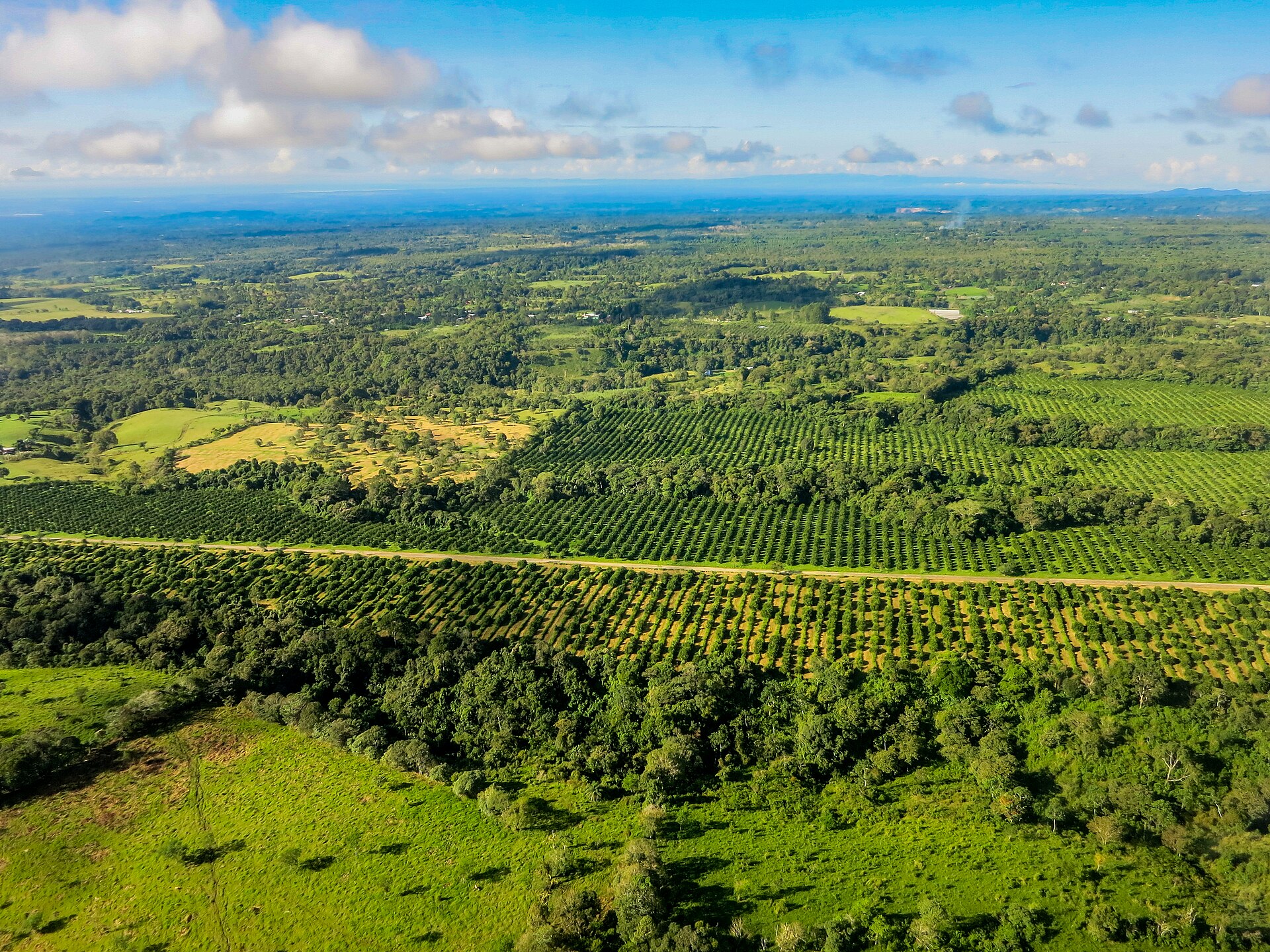
A foreigner buying in Panama has the same rights as a citizen over titled property. There is no residency requirement and no local partner.
That sentence is true and it is also where the trouble starts. Not everything sold as property in Panama is titled.
Two Hard Limits
No foreign national or foreign company may own land within ten kilometres of a national border. That is constitutional and it is not negotiable.
In practice it removes much of Darién near Colombia. It also reaches into the Costa Rican border area towards Puerto Armuelles and Río Sereno, which is close to highland expat country.
The second limit is the coast. Twenty-two metres from the Pacific high-tide line and ten metres on the Atlantic are public and cannot be titled by anyone.
The Three Categories
Titled property is registered in the public registry with its own parcel number and a clean chain of title. It can be mortgaged, insured and defended in court.
This is the only category a foreign buyer should treat as normal real estate. Everything below is something else.
Rights of possession are a claim over state land, not ownership. They are recognised where the holder has had peaceful, uninterrupted material possession for more than five years.
They are not in the public registry. They cannot normally be mortgaged and a competing possessor can claim the same ground.
Converting them to title runs through the national land authority and it is slow. On islands it is harder still.
There the land must serve declared development purposes and sit inside a special development zone. It must also be free of any government reservation.
Concession land is the third category and the one buyers conflate with the other two. It is a time-limited lease of state land, typically for tourism, subject to conditions and renewal.
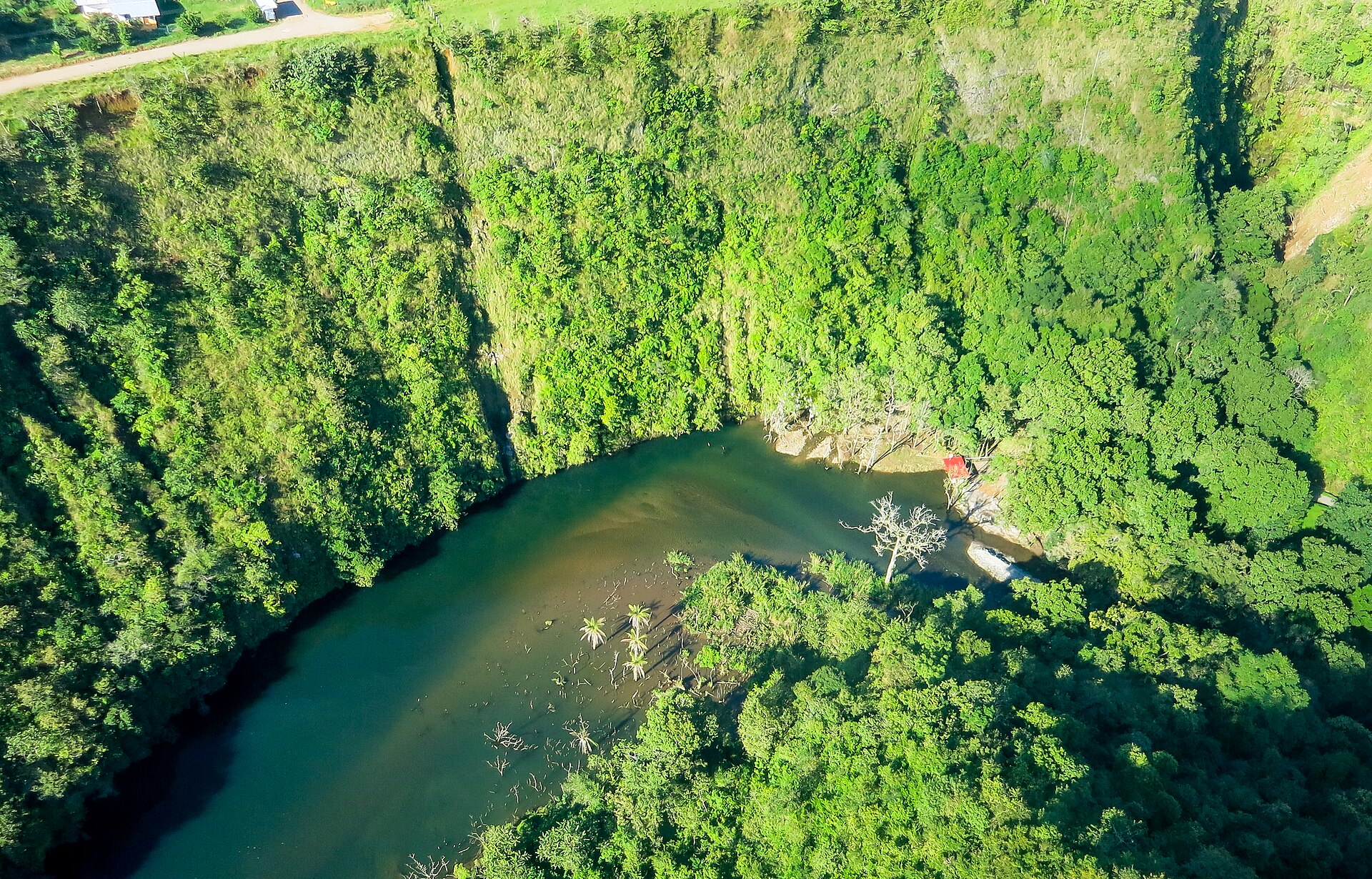
Why This Costs Foreigners Money
The discount on possession land is not a bargain. It is compensation for the risk that title never arrives.
Possession rights are most common exactly where foreigners buy raw land. That means Bocas del Toro, the Azuero beaches, the Chiriquí highlands and the islands.
Disputes drag on for years and the courts are slow. Prevention before closing is the only real remedy.
If you are looking at possession land, insist on a land authority file review and a surveyed plan. Ask for the tax payment history in the seller’s name and a written titling timeline.
Then price the deal for the possibility that it never converts. If that price does not work, walk.
What the Transaction Costs
Transfer tax is two percent of the higher of sale price or updated cadastral value. The seller customarily pays it.
Capital gains are ten percent of the gain, collected as a three percent advance on the higher of price or cadastral value. The advance is creditable and refundable if it exceeds the real liability.
Agent commission runs about five percent plus seven percent sales tax on the commission. That too falls on the seller by custom.
The buyer pays notary, registry and legal fees. Published percentages for those vary widely and none of them traces to a primary source, so ask for a written quote.
Retirement permit holders get half off closing costs on loans. That is statutory, not a courtesy.
The Annual Tax
A declared primary residence pays nothing up to US$120,000 of value. Between that and US$700,000 the rate is 0.5%, and above it 0.7%.
A US$500,000 primary residence therefore pays US$1,900 a year. You must actually file the declaration to get the exemption.
Everything else is taxed on a different scale. Exempt to US$30,000, then 0.6%, then 0.8% above US$250,000 and 1.0% above US$500,000.
A US$500,000 commercial property pays US$3,320 a year. The gap between the two scales is the reason the declaration matters.
Payment is in three instalments, on 30 April, 30 August and 31 December. Paying the year in full before the start of March earns ten percent off, and late payment costs ten percent.
The Exemption That Expired
The twenty-year property tax exemption on new construction is quoted constantly and it is largely history. It applies to construction permits issued between 2012 and the end of 2018.
It also covered the construction value only, never the land. The length depended on value, running twenty years below US$120,000 and five years above US$300,000.
A 2026 buyer of a new build should assume no such exemption. Existing ones run with the property until they expire.
So on any building permitted between 2012 and 2018, ask for the exemption certificate and its end date. It is a real asset with a known expiry.
Borrowing
Non-residents can borrow but not cheaply. Loan to value runs fifty to seventy percent, so expect a deposit of thirty to fifty.
Rates run about seven to nine percent. A one percent compensation fund levy on investment property takes the effective rate to eight or nine.
Terms run ten to twenty years and the loan must mature by age 75. For a retiree that is the binding constraint, and permanent residents can reach thirty years.
Life insurance naming the bank for the full loan is mandatory. So is fire insurance for at least eighty percent of the appraised structure.
Possession land is generally not mortgageable at all. That is another reason the discount on it exists.
What Things Cost
Crowdsourced data puts Panama City at about US$3,125 per square metre in the centre and US$1,698 outside it. Those figures rest on 136 entries from 23 contributors.
A brokerage review of one neighbourhood shows how wide the spread is. Within El Cangrejo, new build with full amenities runs US$2,760 a square metre and older minimal-amenity stock US$1,524.
That is an eighty-one percent gap inside a single district. The market is splitting between new, well-managed buildings and everything else.
Developer inventory fell eleven percent year on year through May 2026. Ultra-premium resales above half a million dollars take twelve to twenty-four months to sell.
For Boquete, Coronado and Bocas del Toro, the widely circulated per-square-foot figures are almost certainly mislabelled square metres. Ask a local brokerage for its own transaction data instead.
More: Expat guides, every day from The Rio Times.
Frequently Asked Questions
Can a foreigner own property in Panama?
Yes, with the same rights as a citizen over titled property and no residency requirement. Land within ten kilometres of a border is closed to foreigners, and the coastal strip cannot be titled at all.
What are Rights of Possession?
A claim over state land, not ownership. They are not in the public registry, cannot normally be mortgaged, and a competing possessor can claim the same ground. Converting them to title is slow and uncertain.
What does buying cost?
Two percent transfer tax and a three percent capital gains advance, both customarily on the seller, plus about five percent agent commission. The buyer pays notary, registry and legal fees.
What is the annual property tax?
A declared primary residence pays nothing below US$120,000, then 0.5% to US$700,000 and 0.7% above. Other property is exempt to US$30,000, then 0.6%, 0.8% and 1.0% by band.
Does the twenty-year tax exemption still apply?
Only to construction permits issued between 2012 and the end of 2018, and only to the construction value. A 2026 new build should assume no exemption.
Sources: Ley 80 de 2009, Ley 66 de 2017, Ley 6 of 1987, the Ministerio de Comercio e Industrias schedule of reservations, ANATI, the Registro Público, Numbeo property data of 11 September 2026 and published brokerage market reviews.
This article was produced by The Rio Times’ automated newsroom system. How we use AI · Report an error · Editorial responsibility: Matthias Camenzind, Editor-in-Chief
Expat Guide to Panama
What The Rio Times publishes for foreigners who live in or move to Panama.
Start here
- Cost of Living Boquete Panama 2026: Rent Above the Average Wage
- Panama Residency Visa Routes in 2026 and What Each One Actually Costs
- Healthcare in Panama 2026, Specialist Visits US$60-300
- Panama Safety for Expats in 2026: One Province Skews Everything
City guides
Coming up in Panama
- InterNations Panama City Masquerade Set for 30 October at Tío Navaja 30 Oct
- Ad Sidera Semper 2026 in Bocas del Toro, Panama: Five Days of Island Festival from October 30 to November 4 30 Oct
- Omar Courtz in Panama: Estadio Emilio Royo on 26 November, Tickets from 25 US Dollars 26 Nov
- Rawayana Panama Concert Set for 10 December 10 Dec
Understand Panama