
PANAMA · PUBLIC FINANCE
Key Facts
- The country Panama is a Central American country that uses the US dollar and hosts the Panama Canal.
- Why it matters It guides spending, debt and contracts in a US dollar economy, and loosens some state purchasing rules.
- Why now The Assembly passed it in second debate on Thursday 29 October; a final vote is set for Friday.
- What happened Deputies approved US$35,111.7 million for 2027 and widened a US$1 million purchasing exception for state bodies.
- What it means for you US suppliers and bondholders should watch contract rules, since lower debt service follows maturities, not a debt cut.
- Power Index Panama ranks 11th of 14 in The Rio Times Latin America Power Index, with 34.2 points (October 2026 edition).
In Plain English
The National Assembly is Panama’s single-chamber parliament, and a bill must pass three debates before it goes to the Executive. The Ministry of Economy and Finance, or MEF, drafts the budget and defends it before deputies.
The public procurement law, Law 22 of 2006, sets open bidding rules for state purchases. Debt service means the interest and principal a government pays each year on what it owes.
Panama’s National Assembly approved a US$35,111.7 million state budget for 2027 in second debate on Thursday, 29 October, and a third and final debate is scheduled for Friday, 30 October. The bill also lets more public bodies buy services, spare parts and equipment under US$1 million per purchase without applying the public procurement law.
For US readers the figure needs no conversion, because Panama’s balboa is pegged one-to-one to the US dollar. The budget sets what the government spends on roads, water, hospitals and the Metro next year, and how much it owes lenders in debt service.
The government sent the bill to the Assembly on 29 July, and earlier steps are in the budget bill sent to Congress and the Cabinet’s changes to the bill. Finance Minister Felipe Chapman defended the bill before deputies, and after the final debate the Assembly passes the text to the Executive led by President José Raúl Mulino.
What the Assembly Approved
Bill 644 divides the total into US$22.27 billion (63.4%) for operating costs and US$12.84 billion (36.6%) for investment. The MEF put the same total at US$197.9 million, or 0.6%, above the US$34.91 billion modified 2026 budget when it unveiled the bill in July.
In that July version the central government’s own budget falls 7.8%, from US$17,935.6 million to US$16,534.5 million, mainly because debt service drops 30.8% to US$5,496.1 million. The ministry says the drop follows the maturity calendar and refinancing, not an automatic cut in the amount of debt.
The bill also carries about US$3.4 billion for subsidies and economic support programs, including about US$1.5 billion for programs run by the Social Security Fund. The ministry says it wants better targeting and monitoring so that the money reaches the people who need it most.
Where the Money Goes
In July the secretary for presidential goals listed US$12.56 billion of investment for water, housing, roads, transport, health, education, culture and sport. The second-debate figures put investment at US$12.84 billion, and the documents do not explain the US$275.7 million gap between the two numbers.
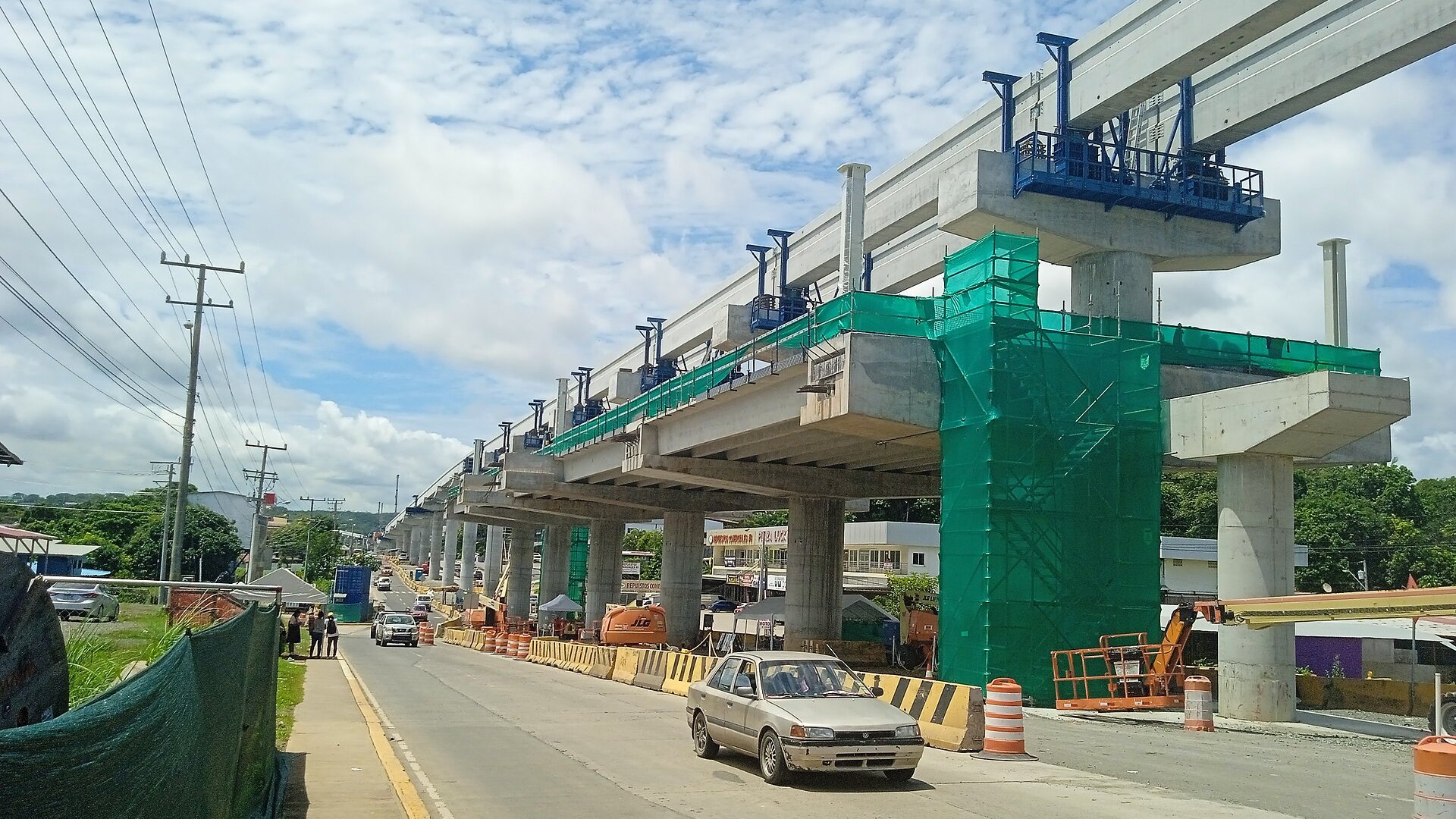
Projects named in that July list include Metro Line 3, due to be finished at the end of 2028, a fourth bridge over the Canal and the Howard and Sabanitas water plants. The list also funds the San Miguelito cable car and the new Children’s Hospital, and more on the country is in the Panama section.
The US$1 Million Purchasing Exception
Article 370 of the bill widens the list of public bodies that may buy technical services, spare parts and equipment under US$1 million per purchase without applying Law 22 of 2006, the public procurement law. The change was proposed by deputies Benicio Robinson of the Democratic Revolutionary Party, Luis Eduardo Camacho of Realizing Goals and Manuel Cohen of Democratic Change.
It names the Metro and its subsidiaries, the water utility IDAAN, the power transmission company ETESA, the urban cleaning authority and Tocumen International Airport, plus bodies such as the education, public works and government ministries. A body can use it only in urgent or unforeseen situations, or where a justified public interest needs priority attention.
Chapman said the ministry did not propose the change and promised rigorous oversight of such purchases for as long as he holds office. The change drew questions in the chamber about how the wider exception will be policed.
What It Means for You
Suppliers and contractors selling to Panama’s Metro, airport, water or power utilities could see some purchases under US$1 million decided without the usual open-bidding steps, if the exception becomes law. US firms with compliance programs may want to document how any such sale was justified.
Holders of Panama’s dollar bonds face a budget that is nearly flat, at 0.6% above 2026, with debt service falling because of the maturity calendar and refinancing, not an automatic cut in the debt. Moody’s rates the country Baa3, the lowest investment-grade step, as the ministry noted on 19 October when it won ratings for its local Treasury bill and note programs.
What Is Not Known
The outcome of the third debate is not known at the time of writing, and neither is whether the Executive will accept article 370 as passed. Panama’s ordinary legislative session ends on 31 October, so the final vote falls close to the end of the session.
It is not known how many public bodies will use the exception or how much they will buy under it. Nor is it clear how the final text will be policed, since the finance minister says his ministry did not draft the change.
Frequently Asked Questions
Has Panama’s 2027 budget become law?
Not yet, because the Assembly has passed it only in second debate on Thursday 29 October. A third and final debate was scheduled for Friday 30 October, after which the bill goes to the Executive.
How big is Panama’s 2027 budget in US dollars?
The bill totals US$35,111.7 million, or about US$35.1 billion. Panama uses the US dollar, so no currency conversion is needed.
What is the US$1 million procurement exception in the budget?
Article 370 lets listed public bodies buy technical services, spare parts and equipment under US$1 million per purchase without the public procurement law. They may do so only in urgent or justified cases.
Does the budget cut Panama’s public debt?
Debt service falls 30.8% to US$5,496.1 million in the bill as the ministry presented it in July. The ministry says this follows the maturity calendar and is not an automatic reduction of the debt.
Sources: Ministry of Economy and Finance, 2027 budget bill, 30 July 2026; Ministry of Economy and Finance, investment in the 2027 bill, 30 July 2026; Ministry of Economy and Finance, Moody’s ratings for Treasury programs, 19 October 2026.
This article was produced by The Rio Times’ automated newsroom system. How we use AI · Report an error · Editorial responsibility: Matthias Camenzind, Editor-in-Chief