Retire in Panama 2026: The US$750 Rule Most Guides Leave Out
PANAMA · EXPAT GUIDE
Key Facts
- —The income test US$1,000 a month from a pension granted for life, plus US$250 for each dependant.
- —The discount nobody mentions Own Panamanian property worth over US$100,000 and the test drops to US$750.
- —Couples Two pensions may be combined to reach the floor, provided each is properly certified.
- —The card Permanent, with no renewal. A temporary card is issued within five working days of filing.
- —The discounts Twenty-five percent off restaurants, fifty off hotels midweek, twenty off prescriptions.
- —The catch Many guides still print the original 1987 figures of ten percent. They were raised.
The Panamanian retirement visa is the most generous in the Americas and the English-language guides still get two of its numbers wrong.
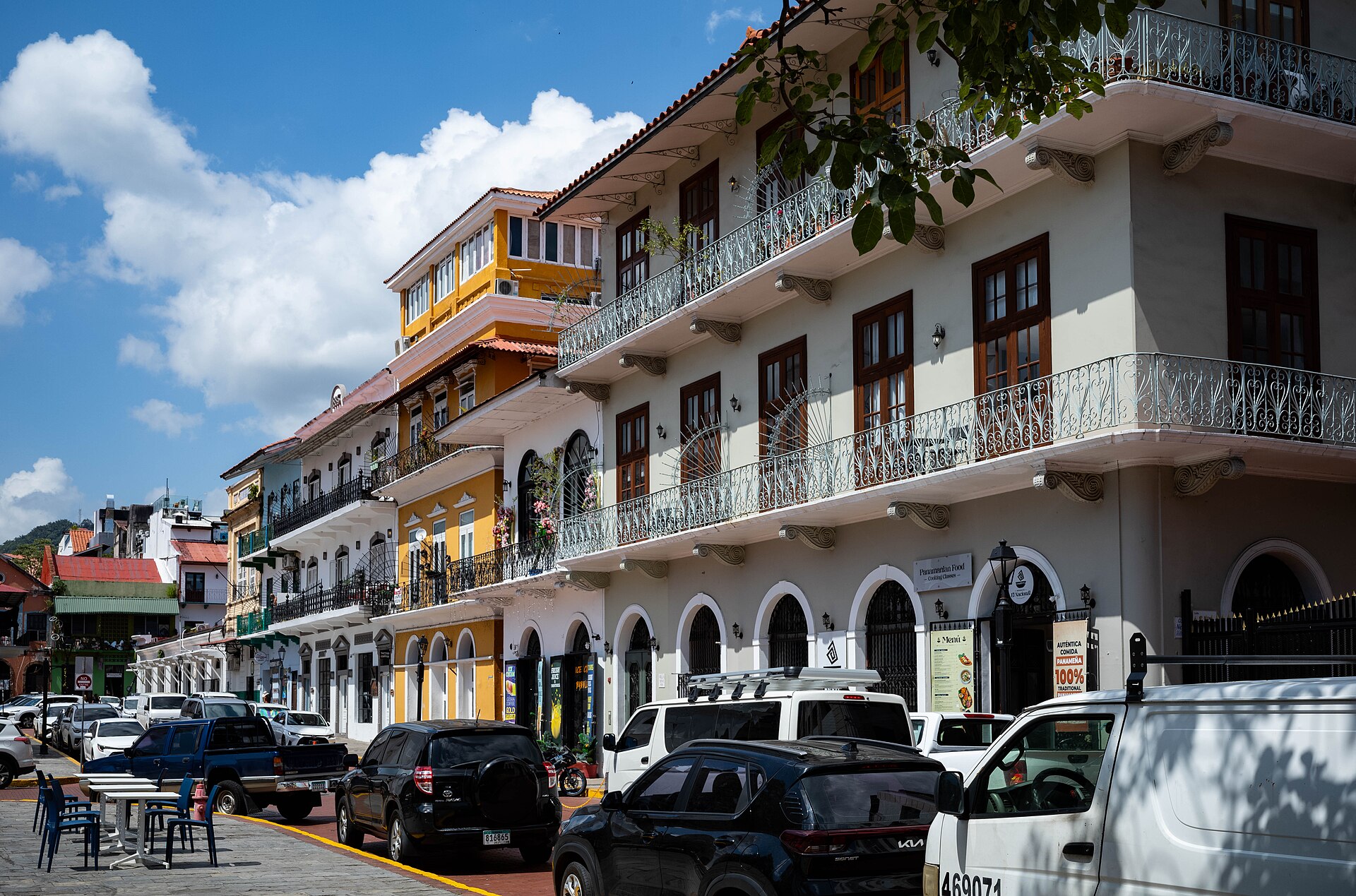
The reason people retire in Panama is not the weather. It is a permit that asks for a thousand dollars a month and never expires.
The pension must be granted for life. Each dependant adds US$250 a month to the requirement.
The Number Most Guides Omit
Own Panamanian real estate titled in your own name and worth more than US$100,000, and the monthly test drops to US$750. That is a quarter off the requirement.
It appears on the immigration service’s own requirement sheet. Guides written in English for people who want to retire in Panama rarely carry it.
Couples can also combine. Two pensions may be added together to reach the floor, provided each one independently meets the certification rules.
Dependent children stay on temporary status until twenty-five if in full-time study. They gain no permanent right unless severely disabled.
What You Have to Produce
Anyone applying to retire in Panama faces a long document list and strict authentication rules. Every foreign document needs an apostille or consular legalisation, then endorsement by the foreign ministry, then certified translation.
You need a notarised power of attorney and application naming your parents, three photographs and an authenticated passport copy. A criminal record certificate and a health certificate from a Panamanian doctor are also required.
The centrepiece is the pension certification showing lifetime monthly income. If you are using the property route, add the registry certificate.
Private company pensions need three extra documents. Those are a letter from the pension administrator, a certificate of the company’s existence and proof of payment.
Cost and Timing
Government fees are modest. They run US$250 for the application, US$50 for the multiple-entry visa, US$50 for the temporary card and US$100 for the permanent one.
The rest is documents and lawyers. Apostilles cost US$50 to US$150 each and a police check with apostille runs US$150 to US$350.
All in, budget US$3,000 to US$6,000 for a single applicant and US$4,500 to US$8,000 for a couple. Legal fees are most of that.
Apostilles take six to twelve weeks and the police check alone takes ten to twelve. Approval then takes three to six months.
The temporary card arrives within five working days of filing. You are not left waiting without status.
The Discounts
This is the part that makes the maths work. Restaurants give twenty-five percent and fast-food franchises fifteen.
Hotels give fifty percent from Monday to Thursday and thirty at weekends. All-inclusive packages give twenty and twelve.
Air fares carry twenty-five percent and intercity buses, trains and boats thirty. Urban buses and the metro give nothing.
Medical consultations give twenty percent and private hospital bills fifteen. Dentistry and optometry give fifteen.
Prescription medicines give twenty percent, and a prescription is required. Laboratory and other technical services give twenty.
Cinema, theatre and sport give fifty percent. Electricity gives twenty-five up to 600 units and water twenty-five on bills up to US$30.
The financial discounts are the ones people forget. Closing costs on personal and commercial loans are halved, and interest on them is cut by fifteen percent.
Mortgage interest on a primary residence falls by a full percentage point. The age threshold is 55 for women and 60 for men.
Figures That Are Out of Date
Many English guides still quote ten percent on medicines, ten on hospital bills and ten on dentistry. Those are the original 1987 numbers.
They were amended upward and the correct current figures are twenty, fifteen and fifteen. Anyone budgeting from the old ones is understating the benefit.
The consumer authority also notes what is not covered. Cable television and mobile phone accounts fall outside the enforcement regime it administers.
More is coming, but it is not law yet. A bill passed its third debate on 28 August 2026 by 47 votes to one and has not been sanctioned.
It would raise medicines to thirty percent, water to thirty, and double the mortgage interest reduction. Treat it as pending, not current.
The Other Routes
The Friendly Nations visa changed in 2021 and the old company-and-bank-account route is gone. Three qualifying paths remain.
Real estate of at least US$200,000 titled in the public registry, held through a two-year provisional period. Bank financing is allowed.
Or a fixed-term deposit of US$200,000 in a Panamanian bank, blocked for three years. Or a work contract with a registered local employer.
The qualified investor route is faster and dearer. Real estate at US$300,000 held five years, securities at US$500,000, or a bank deposit of US$750,000.
Fees are US$5,000 for the principal applicant and US$1,000 per dependant. Approval takes about thirty working days.
Tax and Health
Panama taxes on a territorial basis, so only Panamanian-source income is taxable. A foreign pension paid from abroad falls outside the net.
Americans remain taxable by their own revenue service on worldwide income. That is not changed by moving here.
Health cover is the gap. The social security system covers contributors, and a retiree who does not work in Panama does not contribute.
Private care is the practical answer. A general consultation costs US$30 to US$60, a specialist US$50 to US$120 and a private hospital room US$150 to US$500 a day.
Budget US$200 to US$500 a month for a couple on an international plan. Local-only plans in the highlands run US$50 to US$175 a person.
What It Costs to Live
A comfortable retired couple in Panama City needs US$2,500 to US$3,500 a month. A furnished two-bedroom runs about US$1,200.
Boquete in the highlands is far cheaper at US$1,500 to US$2,500. A two-bedroom there runs US$600 to US$900 and electricity about US$45.
Coronado on the coast sits near US$2,500, with rent from US$1,100 to US$1,800. Add US$135 to US$175 for building maintenance.
One published generic budget for two people spans US$2,279 to US$4,130 a month. The spread is mostly rent and mostly your choice.
More: Expat guides, every day from The Rio Times.
Frequently Asked Questions
How much income do I need to retire in Panama?
US$1,000 a month from a pension granted for life, plus US$250 for each dependant. If you own Panamanian property worth more than US$100,000, the test drops to US$750.
Can a couple combine their pensions?
Yes. Two pensions may be added together to reach the monthly floor, provided each one independently meets the certification requirements.
What discounts do retirees get?
Twenty-five percent off restaurants, fifty off hotels midweek, twenty-five off air fares, twenty off medical consultations and prescriptions, fifteen off private hospital bills and fifty off entertainment.
Does Panama tax my foreign pension?
No. Panama taxes only Panamanian-source income, so a pension paid from abroad is outside the net. Americans remain taxable at home on worldwide income.
What does the application cost?
About US$3,000 to US$6,000 for a single applicant and US$4,500 to US$8,000 for a couple, most of it legal fees. Government fees total US$450.
Sources: Servicio Nacional de Migracion requirement sheet 02-JUBILADO-PENSIONADO, the Panama Digital procedures portal, Ley 6 of 16 June 1987 as amended, ACODECO, Executive Decrees 197 of 2021 and 193 of 2024, and the National Assembly record for Proyecto de Ley 226.
This article was produced by The Rio Times’ automated newsroom system. How we use AI · Report an error
Read More from The Rio Times