Panama City Tops San José for Expat Rent But Miami Still Costs Nearly Double
Guides · Panama
—The stakes. Panama City remains a dollar-based expat hub where monthly budgets hinge on neighborhood choice and dependence on imported goods.
—The anchor. A single expat in Panama City typically spends about $2,180 per month including rent, food and transport, with comfortable budgets from $1,800 to $2,500.
—The premium. Waterfront districts like Punta Pacifica and Costa del Este stay the costliest rentals, while El Cangrejo offers central mid-range housing.
—The comparison. Panama City runs cheaper than Miami for rent, healthcare and domestic staff, but its imported groceries keep it above San José for many expats.
—The mechanism. Panama uses the US dollar as legal tender alongside the balboa, which removes currency risk but makes imported-goods pricing highly visible.
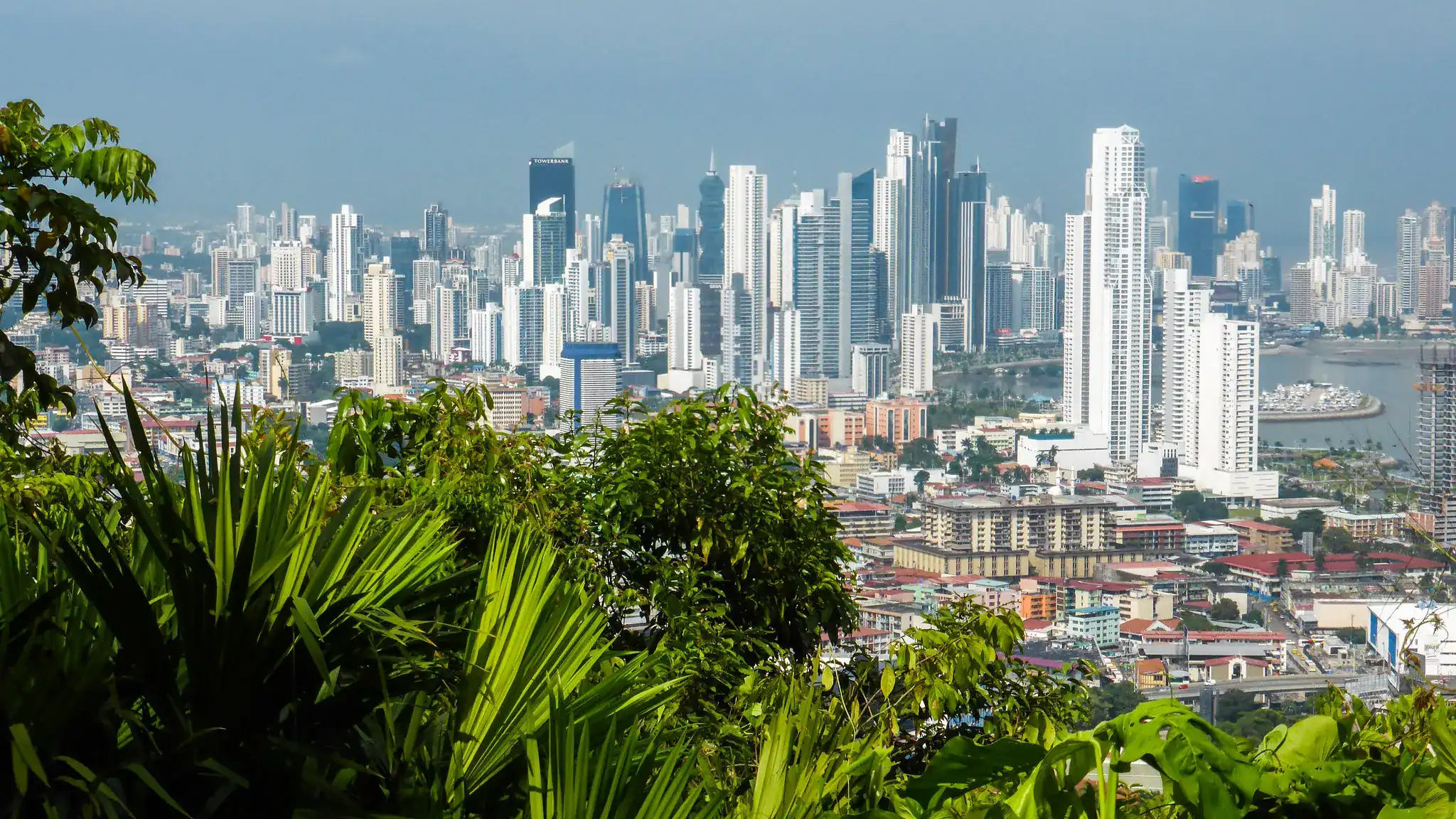
Panama City’s dollarised economy gives foreigners an unusual budgeting advantage: prices quoted in US dollars match the currency already in their accounts. That clarity has turned the capital into a standing reference point for expats measuring Colombia, Costa Rica and Florida against one another.
The Dollar Anchor and Why It Matters
Panama uses the US dollar as legal tender alongside its own balboa, with no separate banknote issue for the balboa.
This means expats do not face devaluation risk or conversion spreads when planning rent, groceries or medical bills.
The arrangement simplifies long-term budgeting for retirees, remote workers and investors comparing Panama City with San José or Miami.
Because the dollar anchor is structural, local prices reported in US dollars are not adjusted for exchange-rate noise.
Baseline Monthly Budgets for Singles and Couples
International Living places a single-person Panamanian budget, including Panama City, at roughly $1,724 to $3,620 per month with furnished rent and household help.
A two-person household lands between $2,279 and $4,130, driven largely by housing and healthcare choices.
Wise calculates a Panama City average of about $2,180 per month for one person including rent, food and transport.
The same Wise estimate puts one person at about $860 per month without rent, showing how much housing drives the total.
Nomads.com aggregates an expat cost of living near $2,510 per month for Panama City as of September 2026.
Comfort, Frugal and Upscale Tiers
Scout And Move breaks Panama City expat budgets into three practical bands: frugal, comfortable and upscale.
A frugal single expat typically spends $1,800 to $2,200 per month using local neighborhoods and few imported goods.
A comfortable expat lifestyle in established expat areas runs about $2,800 to $3,500, with broader estimates from $3,000 to $4,500.
Upscale living in luxury towers with a car and frequent dining out starts near $4,500 and often reaches $5,500 to $8,000 or more.
StartAbroad adds that families with children in private school in Panama City commonly spend $4,000 to $6,500 or more per month.
Rent by Neighborhood: Casco Viejo
Casco Viejo, also called Casco Antiguo, is the historic peninsula known for boutique apartments and a strong tourism presence.
Rent data in English-language expat sources places one-bedroom units in Casco Viejo in an upscale band from about $1,200 to $2,000 per month.
Older flats on quieter streets can fall below that band, but the district consistently sits above mid-range central neighbourhoods.
The price level reflects restored inventory, World Heritage status tourism demand and limited floor space in historic buildings.
Rent by Neighborhood: Punta Pacifica and Costa del Este
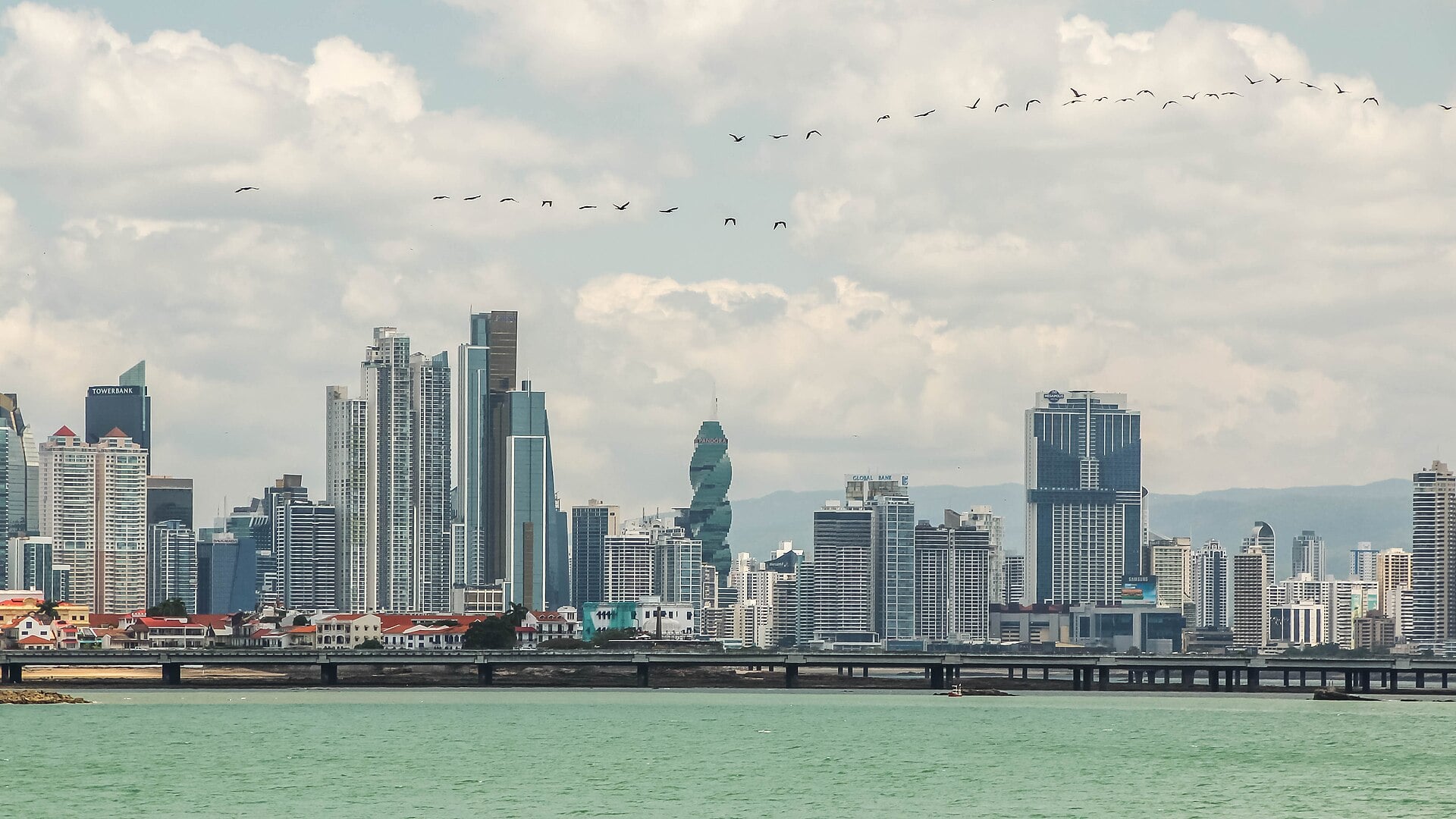
Punta Pacifica and Costa del Este represent Panama City’s premium waterfront and corporate-residential zones.
Two-to-three-bedroom apartments in these districts typically range from $1,500 to $3,000 or more per month, according to relocation and expat budget sources.
For a high-net-worth household, two-bedroom units in Punta Pacifica can run from $2,500 to $4,500 per month depending on tower amenities and sea views.
Relocation-tour data show a luxury household budget including Costa del Este or Santa Maria rent can reach $4,000 to $5,000 total monthly.
Rent by Neighborhood: El Cangrejo and Central Districts
El Cangrejo is widely treated as a mid-range, walkable neighbourhood popular with expats who want lower rent but central services.
One-bedroom apartments in El Cangrejo, San Francisco or Punta Paitilla typically cost $900 to $1,500 per month, with age and amenities deciding the spread.
A mid-range lifestyle in Bella Vista or El Cangrejo including rent can sit between $1,500 and $2,000 per month.
The mechanism for variation is consistent: building age, gym, pool, security, furnished status, sea views and tower quality move prices within these bands.
Imported Goods Pricing and Grocery Patterns
Groceries in Panama City vary sharply depending on the share of imported products in the basket.
ReloFirm estimates a single person cooking at home with a mix of local and imported items spends $200 to $350 per month on groceries.
A couple should expect $350 to $550, while upscale households buying more imported brands often reach $500 to $800 per month.
Dining out tracks the same divide: local restaurant meals run $6 to $12 per person and a mid-range dinner for two costs $30 to $60.
Imported packaged goods, dairy and specialty items are where prices rise fastest because Panama imports much of its consumer supply.
Domestic Staff and Daily Help
Household help is a major budget item and a key reason expats choose Panama City.
International Living estimates a maid coming three times per week costs roughly $300 to $360 per month for a single-person household.
The wage mechanism is tied to Panama’s minimum-wage rules and the frequency of service, not to a fixed national rate for domestic work.
Full-time domestic staff cost more and typically include employer contributions within a legally regulated employment relationship.
Healthcare Costs and Insurance Mechanics
Healthcare is cheaper than in the United States, which makes Panama City attractive to retirees and self-insured expats.
International Living budgets $100 to $300 per month for a single person and $200 to $500 for a two-person household on healthcare.
Private clinics in Panama City offer private-pay rates well below US equivalents, with insurance plans covering hospital and outpatient tiers.
Expat budgets vary because some residents rely on the public social-security system while others buy international or local private insurance.
Pensionado Discounts and Legal Residence
Panama’s Pensionado programme offers retirees a package of legal discounts on services including healthcare, transport and entertainment.
The benefit is tied to holding a specific residence permit based on a lifetime pension or annuity, not to age alone in every case.
Because discount percentages and fee amounts change administratively, expats should verify current thresholds with an authorised Panamanian immigration lawyer.
The programme matters for budgets because it can reduce recurring costs, but applicants must qualify through the established immigration process.
Panama City Compared with San José and Miami
Panama City generally costs less than Miami for housing, healthcare and domestic staff, but imported goods narrow the gap.
Miami remains substantially more expensive for equivalent rents and insurance, often running close to double a Panama City premium budget.
San José in Costa Rica can be cheaper than Panama City for local produce but more expensive for imported goods and certain services.
Expat sources consistently treat Panama City as a mid-point: cheaper than Miami, more dollarised than San José, and easier to benchmark because of the US-dollar anchor.
For investors, the decisive comparison is not a single number but the share of rent, healthcare and imported consumption in each household budget.
Connected Coverage
Panama Is Not on Ratings Review, and Fitch Already Calls It Junk
Ilya Espino de Marotta Takes Charge of Panama Canal
Panama Canal Names Ilya Espino de Marotta First Woman Administrator
The Big Picture
This article was produced by The Rio Times’ automated newsroom system. How we use AI · Report an error · Editorial responsibility: Matthias Camenzind, Editor-in-Chief
The Panama City Guide
What The Rio Times publishes for foreigners in Panama City, Panama.
This month
Coming up in Panama City
Living in Panama City
Understand Panama