Investing in Panama as a Foreigner 2026 — Residency Rules, Property, Banks and Tax
GUIDES · PANAMA
Key Facts
- —What it is a dollarized, canal-anchored economy where foreigners can own property and gain residency through investment.
- —Who it’s for dollar-based investors, business owners and retirees who value territorial tax and can document their money.
- —What it costs investor residency starts at US$300,000 for new property and US$500,000 for resale, securities or state-bank deposits.
- —Why it matters a September 2026 decree rewrote investor residency, and new substance rules for offshore-type companies begin in 2027.
- —The catch bank onboarding is slow, some Panama City condo segments are oversupplied, and investments must be held five years.
Investing in Panama as a foreigner in 2026 still rests on the dollar, the canal and a large banking centre — but a new decree reset the residency rules in September.
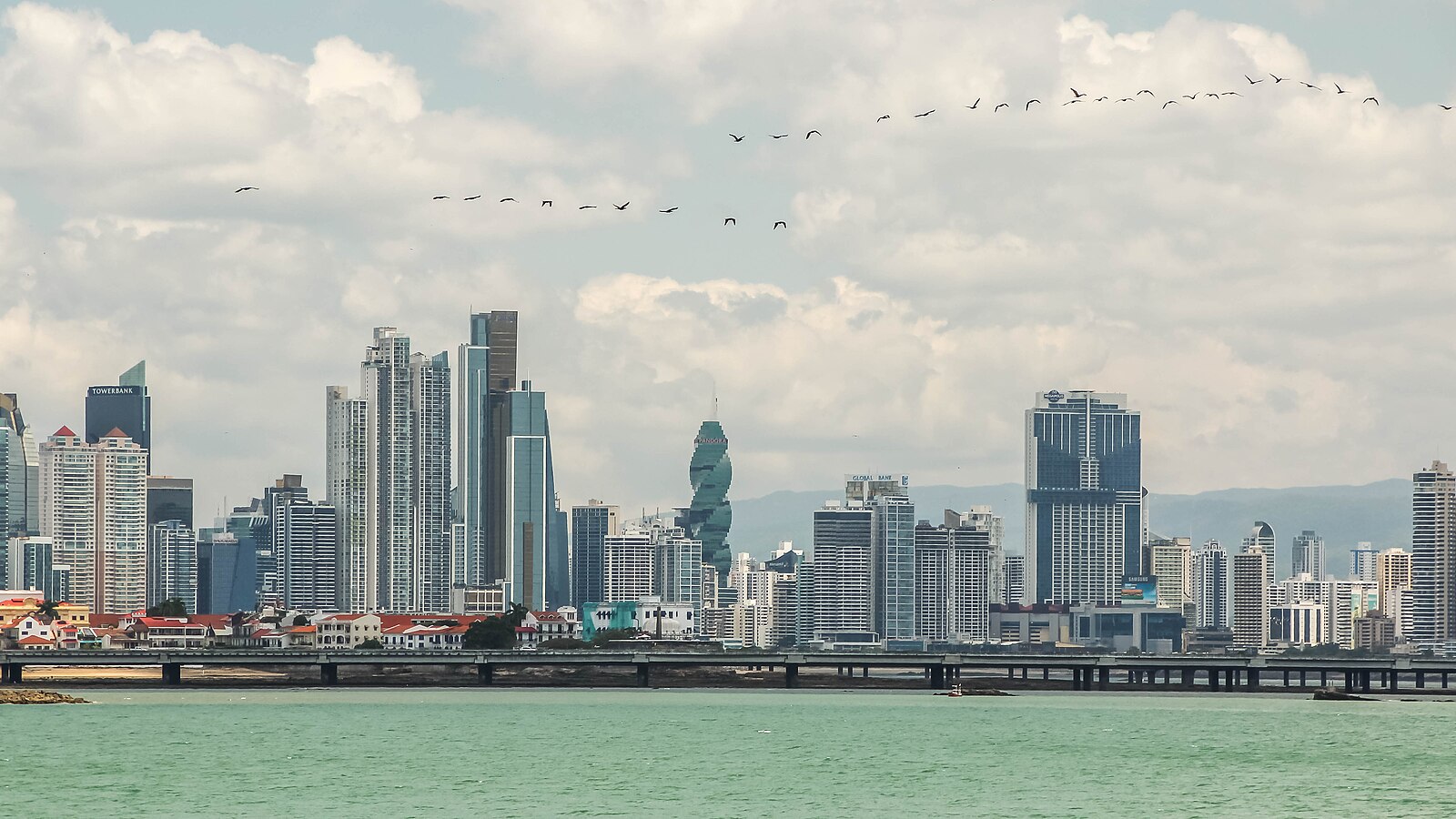
Investing in Panama as a foreigner in 2026 means working in a dollar economy with open capital flows and mostly local-income taxes. The trade-off is heavy bank paperwork, a patchy condo market and new investor residency rules in force since 16 September 2026.
Why Panama draws foreign capital: the dollar, the canal and the banks
Panama has used the US dollar as its everyday currency for more than a century. Its own currency, the balboa, is fixed at one to the dollar and exists mainly as coins.
There are no exchange controls, so money moves in and out through ordinary bank transfers. For someone already holding dollars, that removes currency risk on the way in and on the way out.
The flip side is that Panama cannot print money to cushion a downturn. The economy rests on real activity — the canal, logistics, services and finance — which has historically kept inflation low.
Finance is the third pillar. The Superintendency of Banks reported that the International Banking Center held more than US$167 billion in assets in May 2026.
Each of these strengths carries its own weakness, and investing in Panama as a foreigner means weighing both sides. The sections below take them one at a time.
Property: ownership rights and the oversupply cycle
Foreigners can own titled property in Panama outright, in their own name or through a company. The main exception concerns land near national borders and on some islands, where special rules apply.
The safeguards are the same for everyone: a Public Registry title search, checks for liens and debts, and zoning review. A local lawyer who works for you, not the seller, should do these checks.
Panama City’s condo market moves in long building cycles, and the latest one left a large stock of unsold units. Real-estate industry estimates reported in 2026 put unsold luxury apartments in the capital at several thousand.
The government itself acknowledges the problem. The September 2026 residency decree says one aim is to reduce existing first-sale inventory and revive construction.
For anyone investing in Panama as a foreigner, oversupply also means negotiating power, especially on completed units. It does mean resale can take longer and prices in some towers may stay flat for years.
Running costs deserve the same attention as the purchase price. Condo fees, property tax, maintenance and management can turn an attractive headline yield into a thin real return.
Residency through investment: how the Qualified Investor route works now
The Qualified Investor route grants permanent residency in exchange for a qualifying investment. Executive Decree 17 of 8 September 2026, published in the Official Gazette on 16 September, now governs it.
The decree splits the property route in two, with different minimums for new and resale homes.
A new, unoccupied home bought from the developer needs at least US$300,000. A resale property needs at least US$500,000.
Securities bought through a licensed Panamanian brokerage need at least US$500,000. A fixed-term deposit needs US$750,000 at a private bank, or US$500,000 at the state-owned Banco Nacional de Panamá or Caja de Ahorros.
The money must come from abroad and be traceable, and gifts from third parties do not count. The investment must be kept for at least five years, with yearly proof filed through a lawyer.
That yearly proof is due within the 30 calendar days before each anniversary of the residency approval. If the investment ends early, the holder must notify the commerce ministry within 30 days and may reinvest within 90.
Applicants pay US$5,000 to the National Treasury and a US$5,000 repatriation deposit, plus US$1,000 of each per dependent. Investments completed before the decree keep the old rules if the application is filed within six months.
Off-plan purchases can still qualify at US$300,000, through a bank trust or full payment backed by a bank guarantee. Residency resting only on such promise-of-sale contracts is capped at three years.
Our companion residency guide covers the full immigration process. For investing in Panama as a foreigner, the key idea is residency tied to capital kept in place.
Banking in Panama: a deep market with heavy compliance
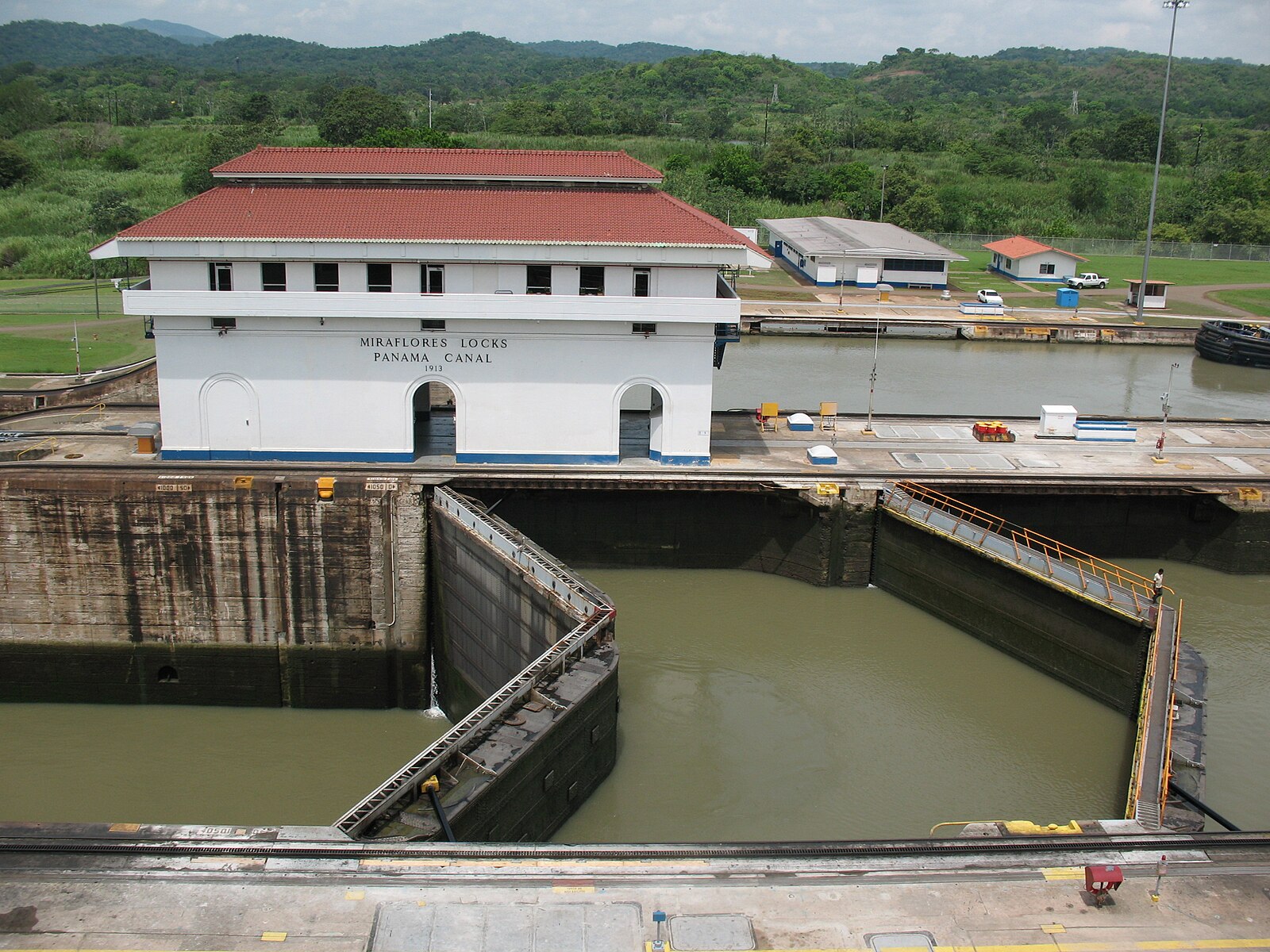
Panama’s banks are numerous and well capitalised, but opening an account as a foreigner is slow and document-heavy. Banks typically ask for references, proof of the source of funds and evidence of your activity.
The pattern tightened after Panama spent years under international pressure over money laundering. The Financial Action Task Force removed Panama from its grey list of monitored countries in October 2023.
The practical lesson for investing in Panama as a foreigner is to plan banking before buying property or forming a company. Building a relationship with one well-regarded bank usually works better than chasing the highest advertised rate.
The most common conservative product is the fixed-term deposit, known locally as a plazo fijo. Rates depend on the bank, the term and market conditions, so compare offers and ask how rates have moved.
Panama also has its own stock exchange, the Latin American Stock Exchange (Latinex), known until 2021 as the Panama Stock Exchange. It is small and trades mostly bonds, so many foreigners treat it as a side allocation.
Companies, offshore services and the tightening rules
The sociedad anónima, Panama’s classic corporation, remains a common vehicle for holding property and running a business. It is flexible and well known to banks, lawyers and registries.
Panama’s offshore-services industry has been under scrutiny since the Panama Papers leak in 2016 and the Pandora Papers in 2021. Since 2020, companies must record their beneficial owners in a registry available to the authorities.
The European Union still kept Panama on its list of non-cooperative tax jurisdictions in its February 2026 update. That listing can mean extra checks or penalties for companies dealing with EU countries.
Law 526 of 28 May 2026 and its regulations, Executive Decree 32 of 2 September 2026, add economic-substance rules. Companies in multinational groups earning foreign passive income must show real activity or pay a 15% tax.
That regime applies from tax years beginning on 1 January 2027, and it targets entities, not individuals. A Panamanian company is still useful, but it is no longer a shortcut around documentation or tax reporting.
Taxes: the territorial principle and property tax
Panama taxes income on a territorial basis: income from Panamanian sources is taxed, while income from abroad generally is not. This is the single biggest reason many people consider investing in Panama as a foreigner.
The tax authority (DGI) taxes local personal income at 0% up to US$11,000, 15% to US$50,000 and 25% above. The standard corporate rate is 25%.
The difficult part is deciding where income is sourced, because that line is where disputes start. Services performed in Panama for foreign clients, for example, need careful professional analysis.
Under Law 66 of 2017, which sets property tax separately from income tax, a registered main home is exempt up to US$120,000. It then pays 0.5% up to US$700,000 and 0.7% above.
Other property pays nothing on the first US$30,000, then 0.6%, 0.8% and 1% in rising value bands. New construction can carry temporary exemptions on the building value, so confirm the status of any unit.
None of this replaces tax obligations in your home country, which may tax worldwide income. Get written advice before assuming any asset or income is tax-free in Panama or anywhere else.
What the canal droughts showed about concentration risk
The canal depends on rain-fed lakes, and each ship’s passage uses fresh water. The 2023–2024 drought cut traffic through the canal by roughly a third, according to press reports.
In 2026 a new El Niño brought the problem back, and the canal authority moved to conserve water.
The Panama Canal Authority cut daily booking slots to 34 from 4 September 2026. Press reports put a further cut to 32 later that month.
The canal can usually handle about 40 ships a day and roughly 5% of world seaborne trade. When its water runs low, logistics, ports, services and public revenue all feel it together.
For anyone investing in Panama as a foreigner, this is the clearest lesson in concentration risk. Treat water as a variable in any canal-linked business case, and diversify across assets and countries rather than betting on one.
The retirement and tourism layer
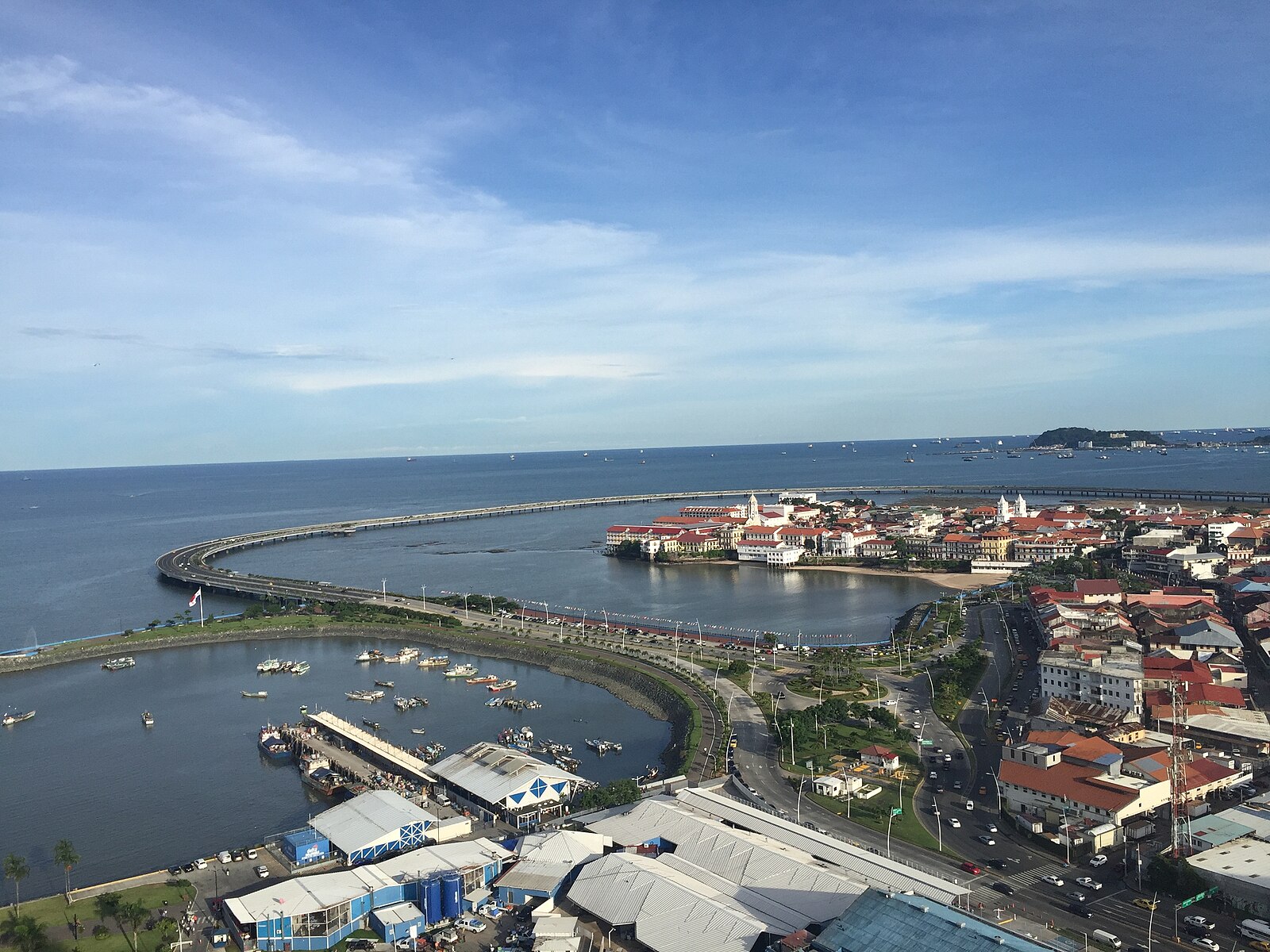
Panama’s pensionado visa is a separate residency route for retirees, built around proving a stable lifetime pension. Holders also receive discounts on many services under Panama’s long-standing retiree benefits law.
This retiree economy supports rentals, services and property in Panama City, the western highlands and the Pacific coast. Our pensionado guide explains the income requirement and process.
The two routes solve different problems. The pensionado route asks for steady income; the Qualified Investor route asks for committed capital.
Common pitfalls when investing in Panama as a foreigner
The first pitfall is pre-construction risk: delays, financing changes and unfinished buildings. The new decree’s bank guarantee rules help residency applicants, but they do not make a weak developer strong.
The second is paying yesterday’s price for today’s inventory. In segments with many empty units, compare resale prices, time on the market and rental occupancy before trusting a brochure.
The third is assuming a purchase automatically brings residency. The asset must fit the decree’s category, the funds must be traceable from abroad and the yearly proof must never lapse.
The fourth is underestimating bank compliance and ending up unable to move money on schedule. The fifth is treating a Panamanian company as a privacy tool, when today’s rules reward substance and paperwork.
How Panama compares with Costa Rica and Colombia
Currency is the clearest difference. Panama uses the dollar, while Costa Rica’s colón and Colombia’s peso float, so dollar investors there carry exchange-rate risk.
On tax, Costa Rica also taxes individuals mainly on local-source income. Colombia taxes its tax residents on worldwide income, with a top personal rate of 39%, according to PwC’s tax summaries.
On banking, Panama offers the deepest international banking centre of the three, though with strict onboarding. On property, Colombia’s cities offer a broad market in pesos, while Costa Rica’s is more tourism- and lifestyle-driven.
Each country has an investor residency route, and each sets its own amounts and holding rules. Compare them on total cost, time to permanence and how easily you can exit the investment.
What is still unknown — and a calm way to proceed
Several things remain open. It is not yet clear how strictly officials will apply the new valuation checks, or when Panama might leave the EU list.
Nobody can say how long the current El Niño will limit the canal, or how quickly surplus condo stock will clear. Official unit counts for that inventory are not published.
Investing in Panama as a foreigner works best when patience leads and speed follows. Confirm the current rules with a Panamanian lawyer and a licensed adviser, then decide at your own pace.
Connected Coverage
Panama Ranks First Worldwide for Expats as New Research Backs Moving Now
Sources: This guide draws on Panama’s Official Gazette, the tax authority (DGI), the Panama Canal Authority, the Council of the European Union, Latinex, PwC tax summaries and Panamanian law-firm analysis.
This article was produced by The Rio Times’ automated newsroom system. How we use AI · Report an error · Editorial responsibility: Matthias Camenzind, Editor-in-Chief
LatAm Markets: Live Signals → — real-time movers, turnover leaders and FX across Latin America.
Expat Guide to Panama
What The Rio Times publishes for foreigners who live in or move to Panama.
Start here
- Cost of Living Boquete Panama 2026: Rent Above the Average Wage
- Panama Residency Visa Routes in 2026 and What Each One Actually Costs
- Healthcare in Panama 2026, Specialist Visits US$60-300
- Panama Safety for Expats in 2026: One Province Skews Everything
City guides
Coming up in Panama
- Oktoberfest Panama 2026: Sixth Edition at Mi Pueblito on 16–17 October 17 Oct
- Fiesta Alrededor del Mundo Brings 40+ Countries to Panama on 18 October 18 Oct
- Cristo Negro Portobelo Festival Moves Outdoors in Panama on 21 October 21 Oct
- InterNations Panama City Masquerade Set for 30 October at Tío Navaja 30 Oct
Understand Panama