Panama Canal Caps Daily Transits as El Niño Threatens Its 2026 Recovery
Economy · Panama
—The stakes. Panama’s economy depends on canal revenue just as drought-driven transit cuts return.
—The date. September 4, 2026 marks the first cap of 34 daily vessels before a cut to 32 on September 15.
—The recovery. The canal posted record revenues of 4,802 million US dollars in the first nine months of fiscal 2026.
—The pressure. Draft limits for Neopanamax ships stand at 48 feet after the canal authority postponed a deeper cut.
—The outlook. The Panama Canal Authority warns that restrictions could extend through the dry season if El Niño persists.
*The Panama Canal is shifting from drought recovery to managed scarcity. Strong revenues and full reservoirs are now colliding with a resurgent El Niño that is forcing fresh transit caps and draft cuts.*
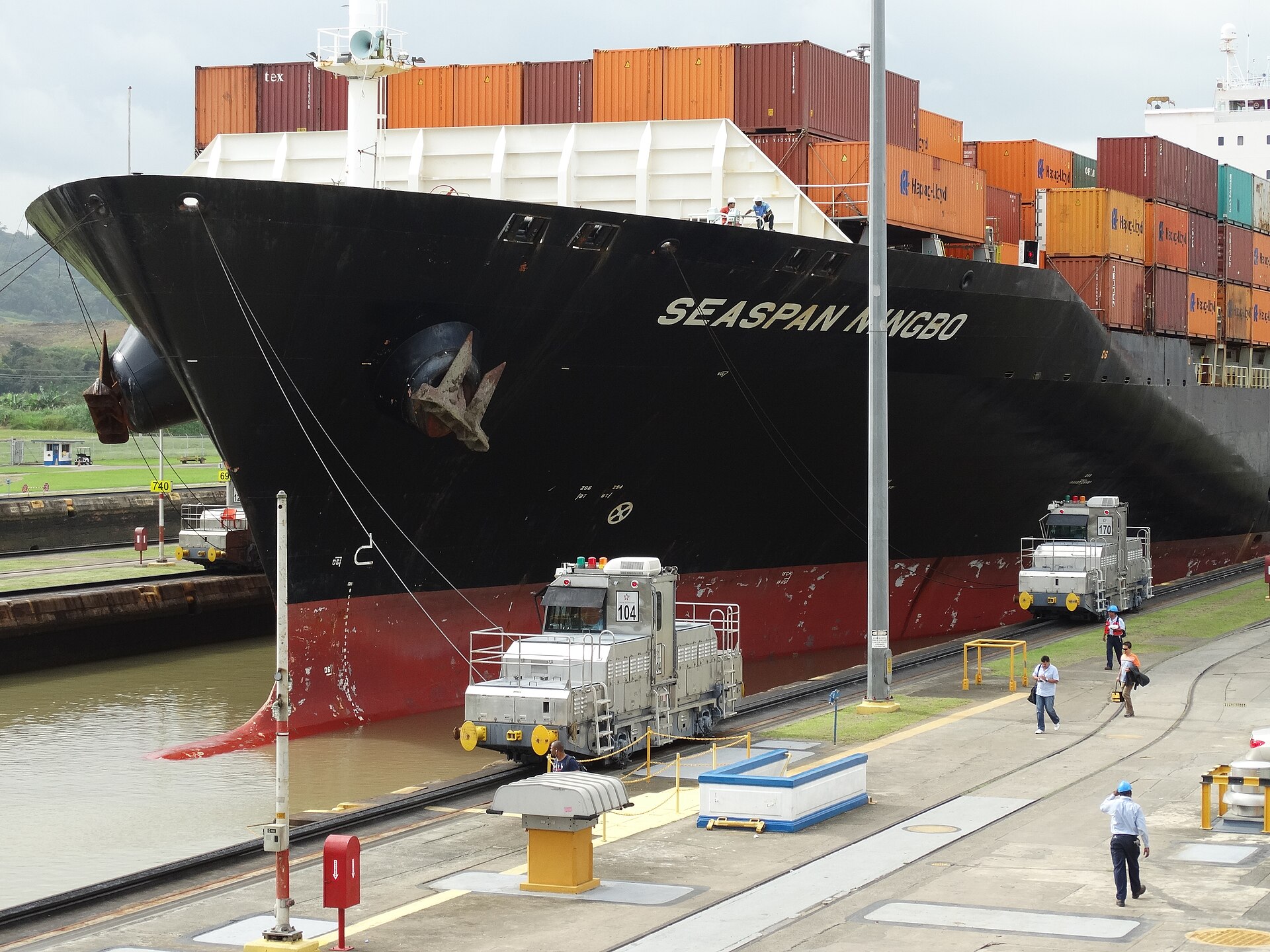
Canal Back From the Brink After 2024 Drought
The 2023–2024 drought hit the canal hard, cutting deep-draft transits by 21 percent in fiscal 2024. That year total revenues reached 4.99 billion Panamanian balboas, about 209 million PAB above budget.
The balboa, abbreviated PAB, trades one-for-one with the US dollar and is Panama’s national currency. Deep-draft transits fell to 9,944 ships, with 2,856 Neopanamax and 7,088 Panamax vessels.
Heavy rainfall and a shift from El Niño to La Niña restored reservoir levels during 2025. Gatún Lake, the main reservoir feeding the locks, returned to normal levels that year.
By February 7, 2026 the lake had reached 88.9 feet, above the five-year February average of 85.3 feet. That forced preventive water discharge through Gatún Dam because the reservoir was near maximum operational capacity.
Fiscal 2026 Revenues Surge Before Restrictions
The Panama Canal Authority, known as the ACP, reported strong numbers for October 2025 through June 2026 on July 22, 2026. Revenues reached 4,802 million US dollars, a 17 percent year-over-year increase.
Net income hit 3,614 million US dollars, up 19 percent from the same period a year earlier. Total transits rose 5.2 percent to 10,726 vessels.
Tonnage grew 7.2 percent to 389.96 million PC/UMS tons, the universal measurement system used for canal tolls. The average was 35 daily transits for the period.
The ACP said it had kept Gatún Lake at historically high values since late 2025. It maintained 38 daily transits in May 2026 and projected no transit restrictions through December 31 based on then-current hydrology.
Fresh Draft Cuts Hit Largest Vessels
That optimism faded as El Niño conditions strengthened. ACP Administrator Ricaurte Vásquez warned on July 22, 2026 that draft limitations and reductions in daily booking slots would likely be implemented.
Shipping advisory A-22-2026 phased in Neopanamax draft reductions. The maximum fell to 15.09 metres, or 49.5 feet, of tropical fresh water on July 3, down from the design maximum of 15.24 metres.
A further cut to 14.94 metres, 49 feet, took effect on July 24. Plans called for roughly 14.78 metres, or 48.5 feet, from August 15.
Reuters reported on August 5, 2026 that the canal would tighten limits again. The maximum draft drops to 14.63 metres, 48 feet, on August 26 and to 14.48 metres, 47.5 feet, from September 3 until further notice.
Transit Caps Return for September 2026
The ACP announced on August 20, 2026 that daily transits would be capped at 34 vessels from September 4. That falls to 32 vessels from September 15, 2026.
Neopanamax locks capacity is capped at 9 slots per day from September 4. Panamax locks will run at 25 slots, dropping to 23 from mid-September.
The canal cited a 44 percent drop in water inflows and a 34 percent reduction in accumulated rainfall in the watershed this hydrological year. Gatún Lake sat just over 84 feet in August, about one foot below the five-year average.
Al Jazeera confirmed the same September caps on August 21. The authority tied the cuts to an expected longer-than-usual El Niño and reduced inflows into the reservoir system.
Draft Limits and the Neopanamax Trade
Neopanamax ships are the largest vessels able to use the expanded locks opened in 2016. Every foot of lost draft forces operators to lighten cargo or reroute.
The drop from 50 feet to 47.5 feet represents a meaningful cut in carrying capacity for container lines, gas carriers and bulkers. Some operators may add surcharges or shift rotations to the Suez Canal or around the Cape of Good Hope.
The ACP stated on August 5 that it was not yet reducing the number of ships allowed to transit. That changed two weeks later when the September caps were announced.
The Maritime Executive noted historical lows around 80 feet in 2003, leaving some buffer. But with the dry season ahead and El Niño strengthening, further cuts remain possible.
Early 2026 Restrictions Showed the Risk
A January 5, 2026 report from Maritime Executive described a much tighter canal earlier in the year. Daily transits were limited to 24 vessels at that point.
Maximum Neopanamax draft was just 44 feet, or 13.4 metres, amid record-low Gatún Lake levels. Many shipping lines applied surcharges or avoided the route entirely.
That episode shows how quickly restrictions can return when hydrological data turns negative. The canal recovered through the spring, but El Niño is now repeating the pattern.
The contrast between January’s 24 daily transits and May’s 38 highlights the volatility facing logistics planners. Carriers must price in unpredictable water supply.
US Political Pressure Over the Canal
The Panama Canal sits at the centre of US commercial and strategic interests. Washington has repeatedly voiced concerns about transit reliability and Chinese-linked port investment in the region.
US political pressure has focused on ensuring that American vessels and cargo are not disadvantaged during restrictions. The canal’s pricing and slot system gives priority to full schedule bookings rather than nationality.
The return of El Niño-driven caps in 2026 is likely to intensify that scrutiny. US importers depend on the route for east coast deliveries from Asia and South American west coast ports.
Any prolonged transit reduction will revive debate over alternative routes and US infrastructure priorities. That pressure makes canal management decisions as much political as hydrological.
Panama’s Ports and Logistics Sector
The canal’s restrictions ripple through Panama’s broader port and logistics complex. Terminals on both the Pacific and Atlantic sides feed the interoceanic route and regional transshipment.
Lower daily transits mean longer waiting times and higher costs for port calls. Logistics operators face pressure to adjust trucking, warehousing and feeder schedules.
The country’s position as a logistics hub rests on predictable canal capacity. When capacity tightens, some transshipment business can leak to regional competitors.
Still, the 7.2 percent rise in tonnage during the first nine months of fiscal 2026 shows strong demand. The challenge is handling that demand with a shrinking water budget.
Panama as a Residency and Banking Hub
Panama’s appeal to foreign investors extends beyond shipping. Residency programmes and a stable banking system draw applicants seeking a second base in Latin America.
The balboa’s parity with the US dollar removes exchange-rate risk for savers. A dollarised financial system and a long history of offshore banking support that role.
Canal revenue helps fund public spending, indirectly supporting infrastructure and services that expats and investors use. A strong fiscal year in 2026 provides some cushion.
But repeated drought disruption is a reputational risk. Investors watching the canal’s volatility may ask harder questions about the country’s climate resilience and infrastructure planning.
Revenue, Profit and the Fiscal Cushion
The fiscal 2026 revenue surge gives Panama a buffer as restrictions tighten. The 4,802 million US dollars earned in nine months already exceeds the previous drought-hit year.
Net income of 3,614 million US dollars over the same period reflects higher tolls and recovering volumes. That money flows partly to the national treasury.
The ACP delivered nearly 3 billion US dollars to the treasury after the drought recovery, according to gCaptain. That contribution matters for public finances and investor confidence.
Lower transits in September will dent marginal revenue but not erase the strong year-to-date performance. The fiscal damage depends on how long caps remain in place.
What Comes Next for the Canal and Panama
The ACP has tied all current restrictions to Gatún Lake levels and weather projections. If El Niño persists through the dry season, draft and transit cuts could deepen.
Shipping lines will watch the September 15 cut to 32 daily transits as a signal. Further reductions would echo the 24-vessel days of January 2026.
For now, the canal is managing scarcity rather than crisis. The reservoir is not at record lows, but inflows are well below normal.
Panama’s economic story in late 2026 hinges on whether the canal can hold the line at these new caps. Every lost slot is measurable in tolls, logistics costs and political friction.
Connected Coverage
Panama Canal Draft Limit Holds as the October Cut Is Shelved
The Big Picture
Latest developments
- Magellan Strait Ship Traffic Jumps Over 70% — 7 October 2026
- Best Places to Live in Chile for Expats 2026 — 7 October 2026
- Panama Canal Will Auction 558 Slots for Dry Season — 7 October 2026
- Panama Arrests Former Social Security Head in 5 Raids — 6 October 2026
This article was produced by The Rio Times’ automated newsroom system. How we use AI · Report an error · Editorial responsibility: Matthias Camenzind, Editor-in-Chief
LatAm Markets: Live Signals → — real-time movers, turnover leaders and FX across Latin America.
Expat Guide to Panama
What The Rio Times publishes for foreigners who live in or move to Panama.
Start here
- Cost of Living Boquete Panama 2026: Rent Above the Average Wage
- Panama Residency Visa Routes in 2026 and What Each One Actually Costs
- Healthcare in Panama 2026, Specialist Visits US$60-300
- Panama Safety for Expats in 2026: One Province Skews Everything
City guides
Coming up in Panama
- Cristo Negro Portobelo Festival Moves Outdoors in Panama on 21 October 21 Oct
- InterNations Panama City Masquerade Set for 30 October at Tío Navaja 30 Oct
- Ad Sidera Semper 2026 in Bocas del Toro, Panama: Five Days of Island Festival from October 30 to November 4 30 Oct
- Omar Courtz in Panama: Estadio Emilio Royo on 26 November, Tickets from 25 US Dollars 26 Nov
Understand Panama