Burkina Faso Explained: Traoré’s Junta, the Jihadist War, Gold and What to Watch
GUIDES · BURKINA FASO
Key Facts
- —Capital Ouagadougou. Burkina Faso is a landlocked Sahel state in West Africa, run by soldiers since 2022. It is fighting a jihadist insurgency and has become a major gold producer.
- —Population About 24.1 million in 2025, according to the World Bank. Fewer than three in ten people live in towns.
- —Currency The West African CFA franc, pegged at 655.957 to the euro. In late September 2026 it traded at about 577 CFA francs to the US dollar.
- —Language Since a 2023 constitutional revision, the national languages are official and French is a working language. Mooré is the most widely spoken.
- —GDP About US$27.6 billion in 2025, roughly US$1,150 per person (World Bank). Growth was about 5.3 percent, driven by gold.
- —Government A military government under Captain Ibrahim Traoré since the coup of 30 September 2022. A 2024 charter extends the transition to mid-2029, and all political parties were dissolved in January 2026.
Burkina Faso explained for readers who know it only from headlines about coups and a charismatic young captain. This guide covers who holds power in Ouagadougou, how gold pays the bills, and why the country turned from France to Russia.
Burkina Faso sits at the centre of the Sahel, the belt south of the Sahara. The region now accounts for more than half of the world’s terrorism deaths. What happens there shapes migration routes, gold markets and the contest between Western powers and Russia in Africa.
What kind of country is this?
Burkina Faso covers about 274,200 square kilometres, slightly larger than the US state of Colorado. It has no coast. Its trade runs through ports in Côte d’Ivoire, Ghana, Togo and Benin.
The country borders six states: Mali, Niger, Benin, Togo, Ghana and Côte d’Ivoire. The north is dry Sahel scrubland. The south-west, around the second city of Bobo-Dioulasso, is greener and grows most of the cotton.
The World Bank counted about 24.1 million people in 2025. Only about 29 percent live in towns. Most families farm millet, sorghum and maize, and keep livestock.
The Mossi are the largest group, at roughly half the population. Dozens of other peoples, including Fulani herders, live alongside them. More than 60 languages are spoken.
Religion is mixed. The 2019 census recorded about 64 percent Muslims, 26 percent Christians and 9 percent followers of traditional beliefs. For decades that mix was a point of national pride.
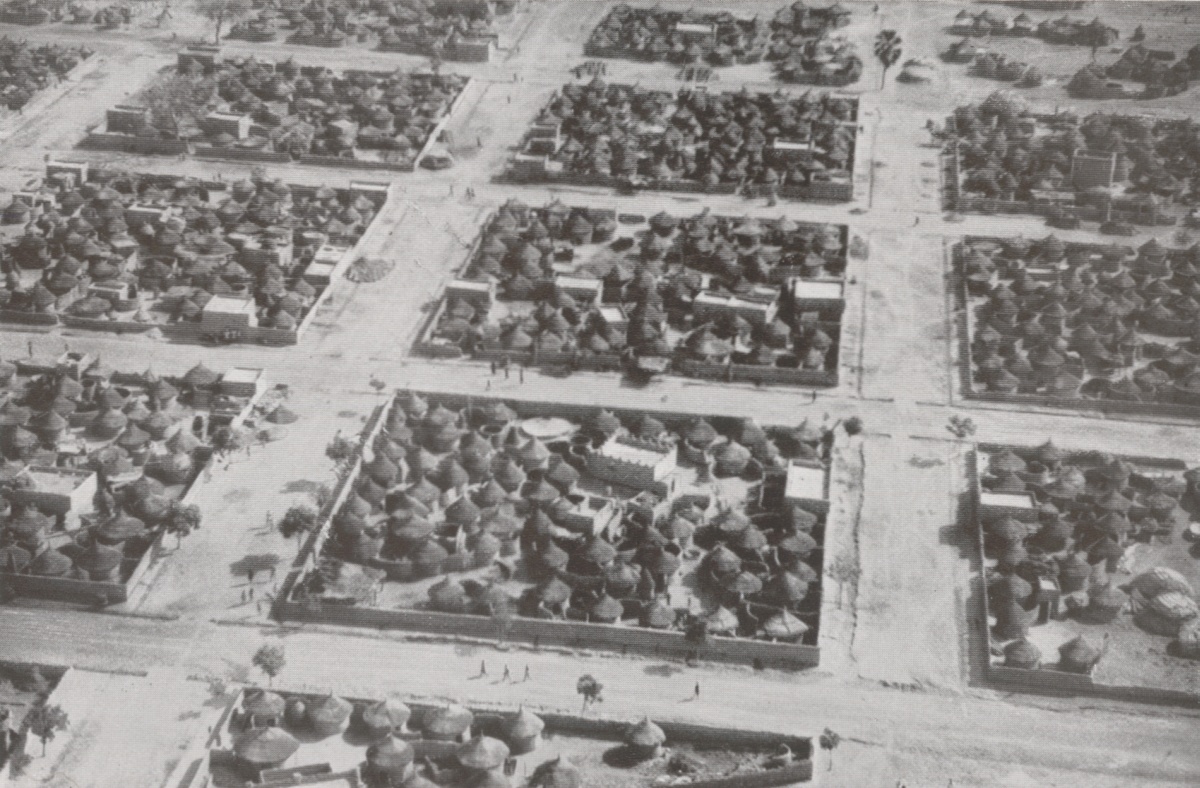
France ruled the territory as Upper Volta. It became independent on 5 August 1960. Its best-known leader, the Marxist army captain Thomas Sankara, renamed it Burkina Faso in 1984. The name is usually translated as “land of upright people”.
Sankara was killed on 15 October 1987 in a coup that brought his comrade Blaise Compaoré to power. Compaoré ruled for 27 years until a popular uprising forced him out in 2014. Sankara’s memory still shapes politics today.
Burkina Faso remains one of the poorest countries in the world. It ranked 186th on the United Nations Human Development Index for 2023. About a third of people had electricity in 2024, according to World Bank data.
Who runs Burkina Faso and how
Power sits with the army. Burkina Faso had two coups in 2022. On 24 January, Lieutenant-Colonel Paul-Henri Damiba ousted the elected president, Roch Marc Christian Kaboré, over the failing war against jihadists.
On 30 September 2022, Captain Ibrahim Traoré removed Damiba, accusing him of the same failures. Traoré was sworn in as transitional president on 21 October 2022.
Traoré has built a following across Africa and its diaspora. He presents himself as Sankara’s heir, speaking of sovereignty and self-reliance. That image is strongest online and outside the country.
At home, the space for opposition has shrunk step by step. In May 2024, a national consultation adopted a new charter. It fixes the transition at 60 months from 2 July 2024 and allows Traoré to run when elections are eventually held.
On 29 January 2026, the Council of Ministers dissolved all political parties. Interior Minister Emile Zerbo said the many parties had “fuelled divisions and weakened social cohesion”. Party assets were transferred to the state.
Human Rights Watch has accused the junta of conscripting critics, journalists and activists into the army as punishment. In 2024 the authorities blocked access to the BBC and Voice of America.
Day-to-day government is led by Prime Minister Rimtalba Jean Emmanuel Ouédraogo, appointed in December 2024. Real decisions rest with Traoré and the security leadership.
Foreign policy has been turned upside down. France’s special forces left in February 2023. On 26 June 2026, Burkina Faso cut diplomatic ties with France entirely, and Paris withdrew its diplomats.
Russia is the new partner of choice. With Mali and Niger, also run by soldiers, Burkina Faso formed the Alliance of Sahel States (AES). The three left the Economic Community of West African States (ECOWAS) with effect from 29 January 2025.
How the economy works
Burkina Faso’s economy produced about US$27.6 billion in 2025, according to the World Bank. That is roughly US$1,150 per person. Real growth was about 5.3 percent in 2025, up from 4.8 percent in 2024.
Gold is the engine. Output reached 94 tonnes in 2025, up from 61 tonnes in 2024, the World Bank says. Record world prices turned that volume into a large windfall for the state.
The state wants a bigger share of the metal. A mining code revised in 2024 raised the government’s stake in new mines. In June 2025, it nationalised two operating mines and three exploration licences held by subsidiaries of London-listed Endeavour Mining and Lilium.
Those assets passed to a state company, the Société de Participation Minière du Burkina (SOPAMIB). Foreign miners still run other large mines, including new ones such as Kiaka, which poured its first gold in 2025.
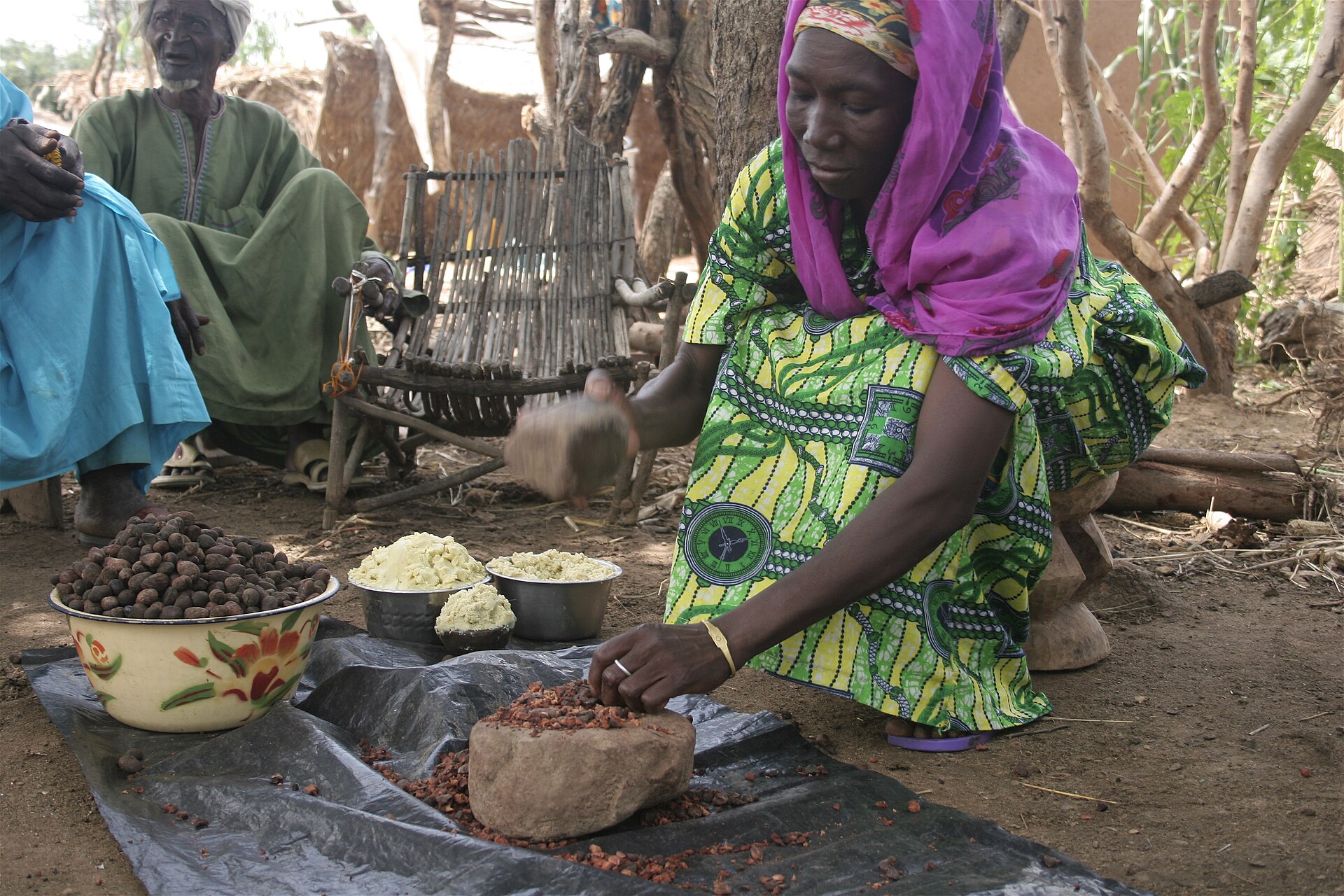
Farming still employs most people. Cotton is the traditional cash crop, and shea nuts are gathered and processed across the countryside, mostly by women.
Prices were stable. Inflation was minus 0.5 percent in 2025, and the World Bank expects about 2.3 percent in 2026. The CFA franc’s fixed link to the euro keeps currency swings in check.
The public finances improved with gold. The World Bank estimates the budget deficit at 3.7 percent of GDP in 2025. Security spending remains a heavy burden.
The International Monetary Fund supports the government with a 48-month loan under its Extended Credit Facility, approved on 21 September 2023. By February 2026, disbursements under it had reached about US$165.8 million.
In June 2026 the IMF completed a fifth review of the programme and approved an increase in its size. A separate climate-resilience arrangement was agreed in February 2026.
The government’s own ambitions are larger still. A 2026–2030 development plan adopted in January 2026 is priced at about 36,191 billion CFA francs (about US$63 billion). Close to a third of that sum has no identified funding source.
What is happening right now
As of 26 September 2026, Burkina Faso remains at war with itself. Groups linked to al-Qaeda, above all Jama’at Nusrat al-Islam wal-Muslimin (JNIM), and to the Islamic State operate across much of the countryside.
The Global Terrorism Index 2026 ranked Burkina Faso second in the world for the impact of terrorism. It recorded 846 terrorism deaths in 2025, down 45 percent from 1,532 the year before. That was the largest fall of any country.
The fall should be read with care. Independent reporting is tightly restricted, and aid agencies struggle to reach large areas. The army also sponsors a volunteer militia, which rights groups accuse of abuses against civilians.
The government says it controlled 74.53 percent of the national territory at the end of June 2026. No independent body has verified the figure, and there is no published definition of “control”.
The human cost is heavy. The UN’s Global Humanitarian Overview 2026 puts the number of people in need at 4.5 million. Aid agencies asked for about US$658.5 million to help them.
The last official count of internally displaced people, in March 2023, was about 2.01 million. The government says more than 1 million have since been resettled, a claim that is hard to check.
Food security is fragile. The Famine Early Warning Systems Network (FEWS NET) warned that planting delays of two to four weeks would push back the harvest and prolong the lean season. It expects poor households in conflict areas to keep cutting meals through January 2027.
Fuel is another pressure point. In mid-September 2026, Ghana’s state fuel distributor, BOST Energies, said it had cut diesel and petrol shipments to Burkina Faso and Mali since August to meet demand at home. It filled only half of Burkina Faso’s request for July and August.
Politically, the junta is consolidating. The AES states opened a joint confederal parliament in Niamey in 2026. Relations with the United States are cool: since 30 December 2025, Burkina Faso has suspended visas for Americans, with limited exceptions.
What to watch
The gold refinery. A new gold refinery in Ouagadougou is due to open in late September 2026. It cost more than 11 billion CFA francs (about US$19 million), financed by the state through the national precious-metals company SONASP together with private investors. Watch whether it attracts gold from industrial mines.
The United Nations. Burkina Faso is scheduled to address the UN General Assembly on Monday, 28 September 2026. Its message on the Sahel war and on Western partners will signal how far the break with the West goes.
The IMF programme. The 48-month arrangement approved in September 2023 runs to about September 2027. Each review tests whether gold revenue is going into the budget as promised.
The security data. Watch the next Global Terrorism Index in early 2027, ACLED event counts and UN humanitarian updates. Aid funding matters too: watch how much of the 2026 UN appeal is actually paid.
The transition clock. The charter runs to mid-2029. There is no electoral calendar and no legal parties, so any sign of a vote would be news.
The AES project. The three juntas have talked of joint institutions and a possible common currency. For now all three still use the CFA franc and remain in the West African monetary union.
What this means for foreigners
Travel is dangerous. The US State Department rates Burkina Faso at Level 4, “Do Not Travel”, citing crime, kidnapping, terrorism and health. US government staff may not leave Ouagadougou.
The government has declared a state of emergency across the Sahel and East regions and parts of four others. Outside Ouagadougou, road travel carries a real risk of attack or kidnapping.
Americans face an extra hurdle. The visa suspension that began on 30 December 2025 means most US citizens cannot enter for now. Entry rules can change at short notice.
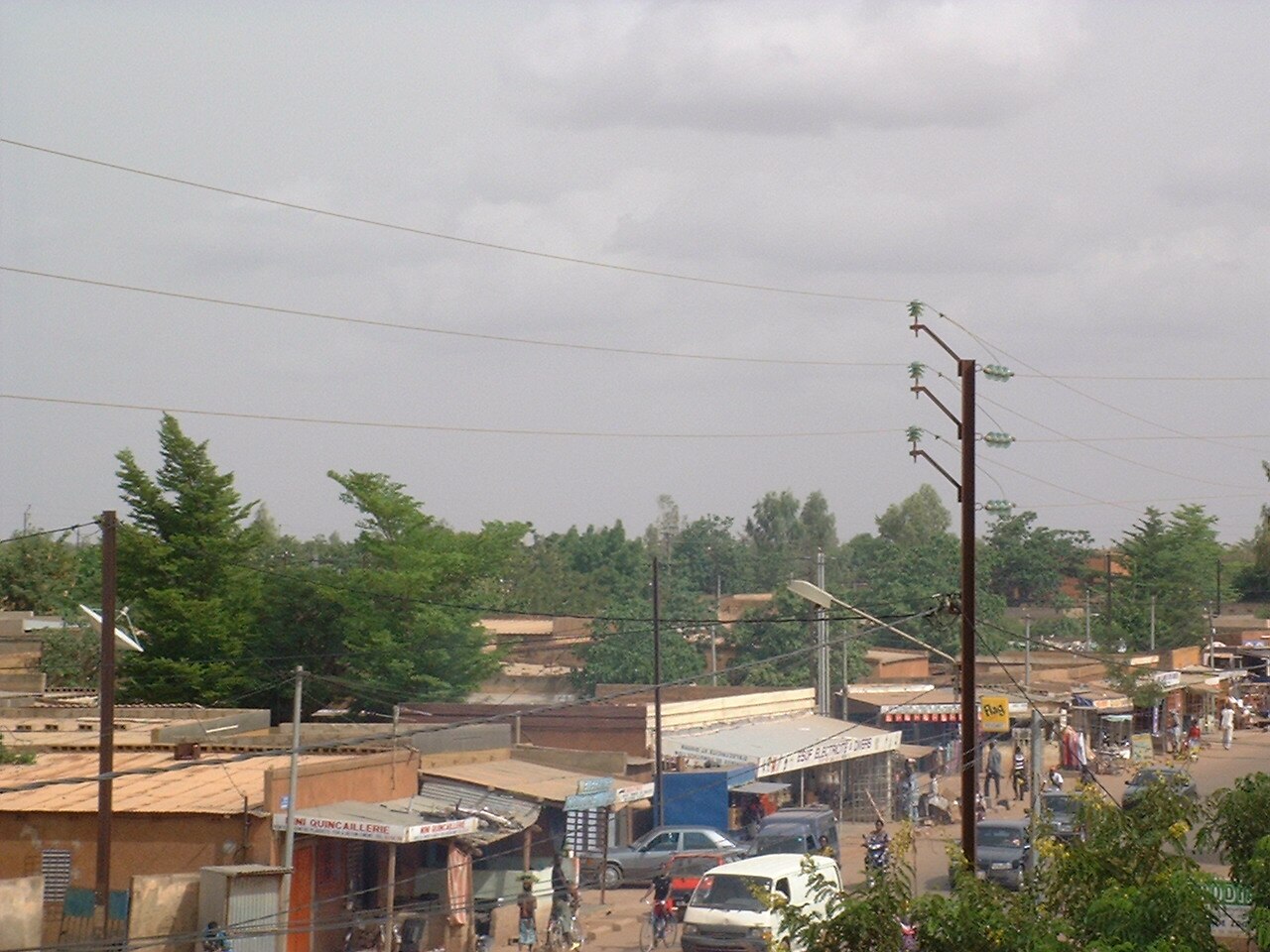
Doing business requires patience. Gold remains the main draw, but the 2024 mining code and the 2025 nationalisations show the state can rewrite terms. Contracts should be read with that risk in mind.
Money moves in CFA francs, which are freely convertible into euros at a fixed rate. That removes much currency risk, although moving money in and out still depends on local banks and paperwork.
For Europe, Burkina Faso matters because violence in the Sahel spills towards coastal West Africa and along migration routes. For the United States, it is a test of whether Russia’s security model in Africa can hold. For investors, it is a gold story with a war attached.
Connected Coverage
Traoré Bans Parties and Targets Clerics as Burkina Faso Unravels
Burkina Faso Territory Is 74.53% Under Government Control, the Junta Says. Nobody Else Can Check.
Burkina Faso Has a US$63 Billion Plan and a US$19 Billion Hole
France Withdraws All Diplomats From Burkina Faso After Junta Cuts Ties
Three Sahel Juntas Open Their Own Parliament as the ECOWAS Split Deepens
Sources: Population, output, gold, price and fiscal data from the World Bank; programme details from the IMF; humanitarian needs from UN OCHA; terrorism data from the Global Terrorism Index 2026; travel and visa rules from the US State Department; political and rights events from Human Rights Watch, Al Jazeera, Reuters and AP. All accessed 26 September 2026.
- World Bank Open Data — Burkina Faso population, GDP, urbanisation and electricity access
- World Bank — Burkina Faso overview: growth, gold output, inflation, deficit, displacement
- IMF — fourth ECF review and new RSF arrangement (February 2026)
- IMF — 2026 Article IV, fifth ECF review and augmentation (June 2026)
- US Department of State — Burkina Faso travel advisory
- UN OCHA — Global Humanitarian Overview 2026: Burkina Faso
- Institute for Economics and Peace — Global Terrorism Index 2026
- Human Rights Watch — Burkina Faso’s junta pulls the plug on political life
- Al Jazeera — military government dissolves political parties
- Al Jazeera — Burkina Faso extends military rule by five years
- Al Jazeera — Burkina Faso cuts diplomatic ties with France
- Reuters via Mining.com — nationalisation of five gold mining assets
What Is Not Known
How much territory the state really controls. The government’s 74.53 percent figure comes with no method or independent check, and outside estimates differ widely.
Whether the fall in recorded terrorism deaths is real. Restrictions on reporting and access make the 2025 numbers harder to verify than in earlier years.
Where the gold goes. Production from nationalised mines, artisanal output and the new refinery’s supply are not published in detail.
When, or whether, elections will be held. The charter points to mid-2029, but there is no calendar and no legal parties.
Frequently Asked Questions
Who is the leader of Burkina Faso?
Captain Ibrahim Traoré has led Burkina Faso since the coup of 30 September 2022. He was sworn in as transitional president on 21 October 2022. A 2024 charter extends the transition to mid-2029 and allows him to run in future elections.
Is Burkina Faso safe to visit?
No, according to the US State Department, which rates it Level 4, Do Not Travel, citing crime, kidnapping, terrorism and health risks. Since 30 December 2025 Burkina Faso has also suspended visas for Americans, with limited exceptions.
What is the Alliance of Sahel States?
It is a confederation of Burkina Faso, Mali and Niger, all run by military governments. The three left ECOWAS with effect from 29 January 2025 and have built joint institutions, including a confederal parliament.
How important is gold to Burkina Faso?
Gold is the main export and the engine of growth. Output reached 94 tonnes in 2025, up from 61 tonnes in 2024, according to the World Bank, and the state nationalised two operating mines in 2025.
What currency does Burkina Faso use?
Burkina Faso uses the West African CFA franc, pegged at 655.957 to the euro. In late September 2026 it traded at about 577 CFA francs to the US dollar.
This article was produced by The Rio Times’ automated newsroom system. How we use AI · Report an error
Read More from The Rio Times