BURKINA FASO · NEIGHBOURHOOD
Key Facts
- The country A landlocked West African nation of 24.1 million people (2025 estimate), with Ouagadougou as its capital.
- The neighbours Six: Mali, Niger, Benin, Togo, Ghana and Côte d’Ivoire.
- The alliance Burkina Faso, Mali and Niger formed the Alliance of Sahel States and left ECOWAS on 29 January 2025.
- The money Five of the six neighbours share the CFA franc, at about 589 to the US dollar in October 2026.
- The talks ECOWAS and the alliance opened a ministerial dialogue in Dakar on 17 October 2026.
Burkina Faso neighbours decide how fuel, goods and security reach 24.1 million people in a landlocked gold producer. For US readers the stakes are gold, counter-terrorism and migration, and two rival blocs opened a ministerial dialogue on 17 October 2026.

Burkina Faso and Its Neighbours in Plain English
Burkina Faso has no coast, so almost everything it imports or exports crosses a neighbour’s territory. Captain Ibrahim Traoré leads the military-led government, according to the presidency’s own website in October 2026.
A few terms explain most of the news from the region. Each one is explained here once, and our Burkina Faso hub and country guide cover the country itself.
- ECOWAS, the Economic Community of West African States, is a West African bloc for trade and free movement.
- The Alliance of Sahel States, called the AES, is a confederation of Burkina Faso, Mali and Niger that left ECOWAS.
- WAEMU, also called UEMOA, is the eight-nation monetary union whose central bank, the BCEAO, sits in Dakar, Senegal.
- The CFA franc is the shared currency of that union, and the BCEAO was founded on 12 May 1962.
The Six Neighbours on the Map
These neighbours fall into two groups. Mali and Niger are alliance partners, while Benin, Togo, Ghana and Côte d’Ivoire remain in ECOWAS.
Mali lies to the north and west, and Niger to the east. Both are fellow Sahel states, a dry belt of land south of the Sahara desert.
To the south sit four countries that are closer to the sea. Benin and Togo lie to the south-east, Ghana to the south, and Côte d’Ivoire, also called Ivory Coast, to the south-west.
The country’s own statistics office puts the population at 24.1 million for 2025. Together, these six Burkina Faso neighbours shape every trade route and security plan.
The Black Volta river runs along part of the southern frontier. Farmers, herders and traders have crossed these lines for generations, long before the modern borders were drawn.
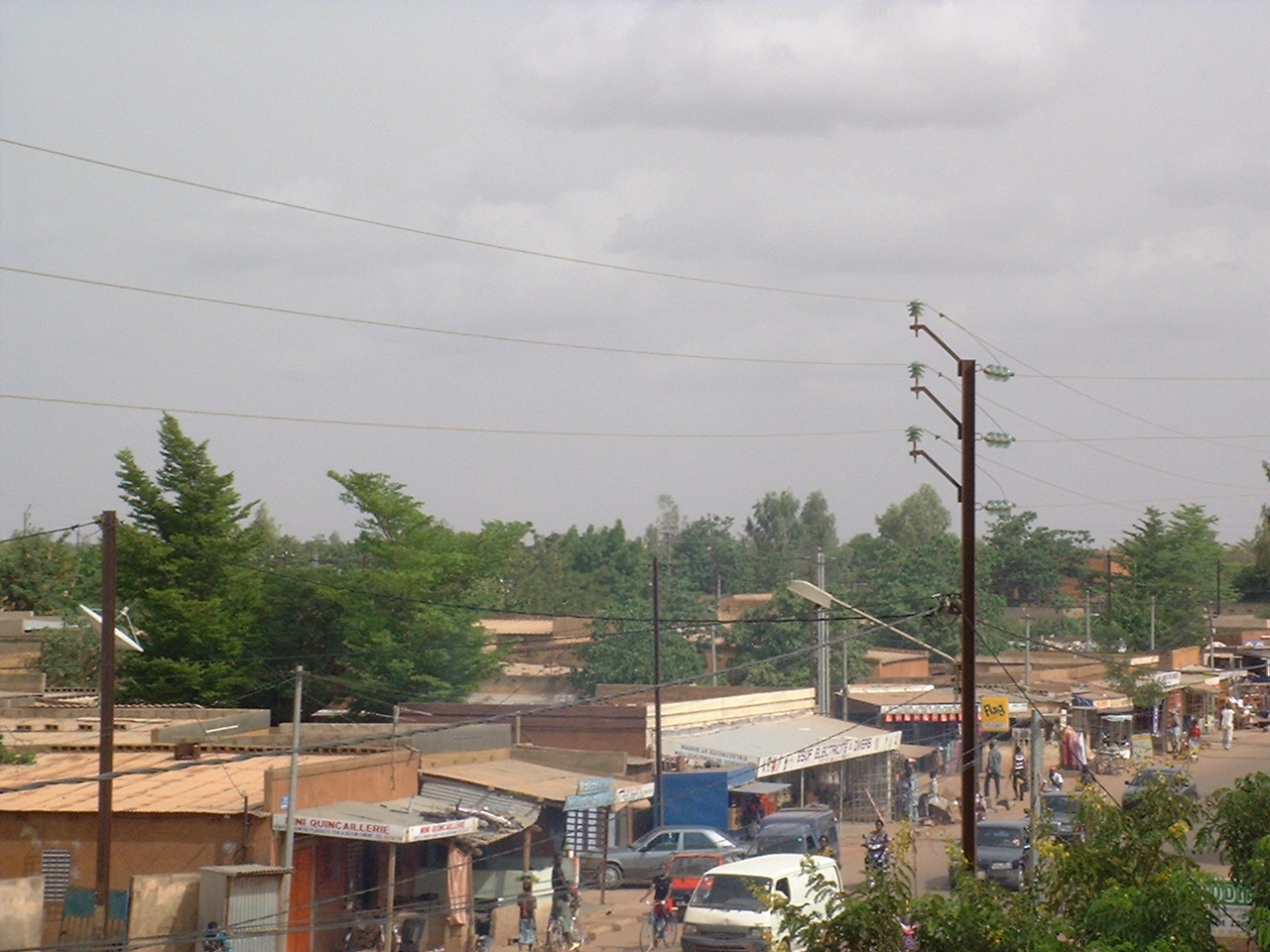
The Sahel Alliance With Mali and Niger
Burkina Faso, Mali and Niger are all run by military-led governments. They signed the Liptako-Gourma Charter, a defence pact, on 16 September 2023.
On 6 July 2024 their leaders met in Niamey and declared a confederation, a loose union of states. Captain Ibrahim Traoré, Burkina Faso’s head of state, is one of the three leaders.
The three states left ECOWAS, which confirmed they were no longer members as of Wednesday 29 January 2025. ECOWAS added that their citizens keep visa-free movement and recognition of ECOWAS-logo passports until further notice.
On 17 October 2026 the two sides met in Dakar for the inaugural session of a ministerial dialogue. Senegal’s foreign minister, Cheikh Niang, led the ECOWAS side, and Burkina Faso’s foreign minister, Karamoko Jean-Marie Traoré, led the alliance side.
The communiqué recalls earlier consultations held on 22 May 2025 in Bamako, Mali’s capital. Senegal’s president, Bassirou Diomaye Faye, currently chairs the ECOWAS heads of state.
The confederation has a ministerial steering committee of foreign ministers from the three states. Burkina Faso’s foreign minister chairs it, according to the Dakar communiqué.
Their joint communiqué says the parties want joint working groups to draft a cooperation framework agreement. The date and venue of the next meeting are still to be decided.
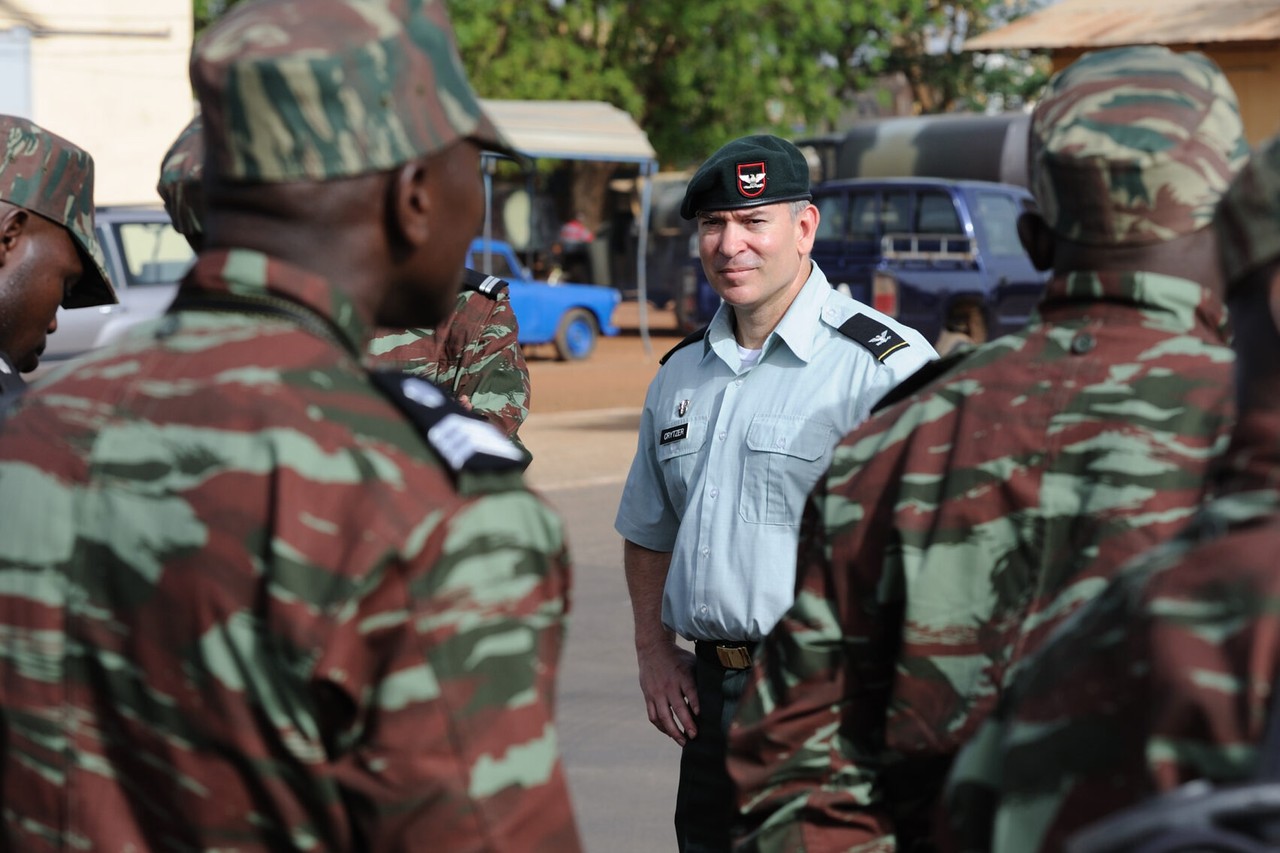
Ghana, Togo, Benin and Ivory Coast
The four coastal neighbours stayed in ECOWAS, and each handles Burkina Faso differently. Their ports are the country’s door to the world, which gives them influence and a stake in calm borders.
Togo’s Port of Lomé is 16.6 metres deep and says it can reach several capitals in a day. It keeps offices in Burkina Faso, Mali and Niger.
In July 2026 Togo’s government announced that containers would move between Lomé and a dry port at Adétikopé every day. The aim is to strengthen the corridor between Togo and Burkina Faso.
The Burkinabè Shippers’ Council, which represents the country’s importers and exporters, took part in that agreement. Its director general met the port’s new director general in Lomé.
Benin and Côte d’Ivoire, also called Ivory Coast, share southern frontiers with Burkina Faso. Ghana lies to the south as well, and the Volta river system links its water supply to Burkina Faso.
Our report on the Ivorian port lifeline covers the trade side. It explains why Abidjan matters to the three alliance states.
Money, Trade and the CFA Franc
Burkina Faso and five of its six neighbours use the CFA franc. Ghana is the exception, with its own currency, the cedi.
The BCEAO says the CFA franc has been tied to the euro at 655.957 francs per euro since 1 January 1999. That works out at about 589 francs to the US dollar in October 2026.
The BCEAO lists all three alliance states among its eight members, so the exit from ECOWAS did not end the shared currency. The fixed link means the members share the same exchange-rate swings.
The World Bank expects Burkina Faso’s economy to grow 5.0% in 2026, after an estimated 5.3% in 2025. It says strong gold exports should support the external balance.
For more on mining trade, see our gold exports report. Our Côte d’Ivoire guide covers the coastal side.
Shared Parks, Rivers and Borders
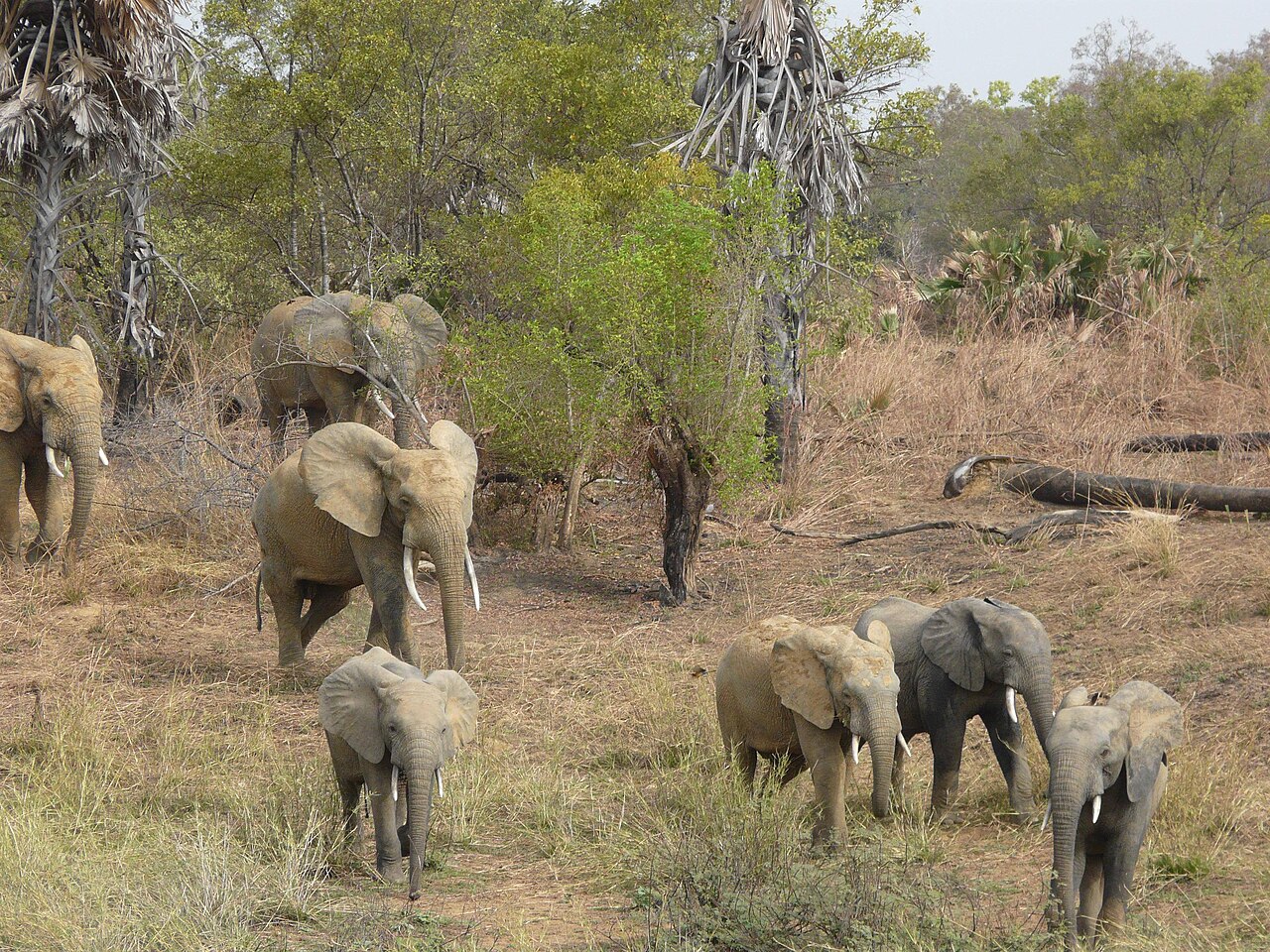
Some of the region’s most valuable land sits across three borders. UNESCO, the United Nations cultural agency, says the W-Arly-Pendjari complex links Benin, Burkina Faso and Niger and covers 1,714,831 hectares.
UNESCO says the complex holds roughly 85% of West Africa’s savanna elephants and the area’s only viable lion population. It names poaching, illegal grazing and farmland encroachment as threats.
Rivers add a second link between neighbours. The Volta system carries water from Burkina Faso toward Ghana, so dams and farming upstream matter downstream.
Border security is a shared worry. A September 2026 update records gunfire near the Bodana border post on 23 and 24 August.
The same update says Côte d’Ivoire tightened security on its side. It covers the northern regions of Tchologo, Poro and Bounkani.
People on the Move Across the Borders
Conflict has pushed people out of Burkina Faso and into neighbouring states. UNHCR, the UN refugee agency, counted 93,200 refugees and asylum seekers in Côte d’Ivoire in June 2026, about 82,000 from Burkina Faso.
A food-security update for September 2026 puts the number of Burkinabè and Malian refugees there at more than 85,000. It says their presence adds pressure on land and jobs in the northern regions of Tchologo, Poro and Bounkani.
Inside Burkina Faso, government figures counted 2,062,534 displaced people in March 2023, according to UNHCR’s data portal. The World Bank says government figures show 1.4 million displaced people had returned by September 2026.
These figures are snapshots with different dates, so each one is dated here. The 93,200 count covers all nationalities in Côte d’Ivoire, not only Burkinabè.
What It Means for US Readers
For US investors, Burkina Faso neighbours matter because gold, fuel and cargo all travel through them. A deal could ease trade friction, while a breakdown could raise costs for companies working in the Sahel.
For travellers and aid groups, border closures and insecurity near frontier posts change which routes are safe. Check current State Department advice before any trip to the region.
Other recent coverage from Burkina Faso includes a customs explosives seizure and a cybercrime loss count. Both show how security and trade stories overlap across the borders.
For policymakers, border trade and security links decide whether any regional deal can hold. The Dakar session shows both blocs keeping a channel open.
What Is Not Known
No date or venue is set for the next talks, and any cooperation agreement is still open. It is not known whether the visa-free movement rules will survive a deal.
How many people will return home or flee next is not known as of October 2026. The rules for trade between the two blocs are also still open.
Frequently Asked Questions
Which countries border Burkina Faso?
Six countries: Mali to the north and west, Niger to the east, Benin and Togo to the south-east, Ghana to the south, and Côte d’Ivoire to the south-west.
Is Burkina Faso still in ECOWAS?
No. Burkina Faso, Mali and Niger stopped being ECOWAS members on 29 January 2025. They now run the Alliance of Sahel States and opened a ministerial dialogue with ECOWAS.
What is the Alliance of Sahel States?
It is a confederation of Burkina Faso, Mali and Niger, three military-led Sahel countries. They cooperate on defence and diplomacy, and left ECOWAS together.
What currency does Burkina Faso use?
It uses the CFA franc, shared with Mali, Niger, Benin, Togo and Côte d’Ivoire. In October 2026 one US dollar bought about 589 CFA francs.
How does Burkina Faso get goods from the sea?
Through ports in neighbouring countries, such as Lomé in Togo. In July 2026 Lomé agreed seven-day-a-week container transfers to a dry port serving the Burkina Faso corridor.
What did the Dakar talks decide?
On 17 October 2026 both sides said they want joint working groups to draft a cooperation framework. The date of the next meeting has not been fixed.
Sources: ECOWAS and AES Confederation, Joint Communiqué of the Inaugural Session of the Ministerial Dialogue, Dakar, 17 Oct 2026; ECOWAS, Burkina Faso, Mali and Niger’s withdrawal from ECOWAS is now a reality, 30 Jan 2025; Presidency of Burkina Faso, news section, Oct 2026; Institut national de la statistique et de la démographie (INSD), Burkina Faso, 2025; BCEAO, Presentation of the BCEAO, 28 Oct 2026; UNESCO World Heritage Centre, W-Arly-Pendjari Complex, 28 Oct 2026; Port autonome de Lomé, 2026; Government of Togo, Fluidifier le trafic conteneurs entre Lomé et Ouaga, 14 Jul 2026; UNHCR, Côte d’Ivoire Factsheet January-June 2026, Jun 2026; Famine Early Warning Systems Network, Côte d’Ivoire key message update, Sep 2026 to Jan 2027, Oct 2026; UNHCR Operational Data Portal, Burkina Faso, 31 Mar 2023; World Bank, Burkina Faso overview, 2026; BCEAO, History of the CFA franc (parity table), 28 Oct 2026.
Editorial responsibility: Matthias Camenzind, Editor-in-Chief · Editorial standards · Report an error
Read More from The Rio Times
Brazil runoff date: Sunday, October 25, poll closing times and when results start · Brazil runoff polls: Flávio 51%, Lula 49% · Kalshi and Polymarket odds
Rotate for Best Experience
This report is optimized for landscape viewing. Rotate your phone for the full experience.
You've reached your free article limit
Subscribe to The Rio Times for unlimited access to our reporting from across Africa.
Keep reading for free
Your first article was on us. Register with your email address to read 6 free articles every month. You will also receive Africa Intelligence: African markets, politics and business, every weekday morning.