Brazil Beats Colombia on Housing by 14–20% — Expats Pay 44% More for Transport
Expats: Brazil vs Colombia
Key Facts
—Overall gap. Colombia is roughly 2–3 percent more expensive than Brazil overall, though the gap varies sharply by category and city, according to Expatistan data updated May 22, 2026.
—Housing. Housing costs 14–20 percent more in Colombia than in Brazil, with the gap widening in capital cities: a one-bedroom apartment in central Bogotá averages roughly US$566 per month versus about US$450 in central Brazilian cities, per Numbeo data as of July 2026.
—Transport. Public transport is 44 percent more expensive in Brazil, and a monthly transit pass costs roughly R$218 (about US$40) against Colombia’s COL$109,000 (about US$26), according to CityCost figures updated July 20–21, 2026.
—Food. Groceries are a mixed picture: local cheese and chicken breast cost markedly less in Colombia, while milk and apples are cheaper in Brazil; overall grocery costs run within 5 percent of each other, per MyLifeElsewhere data from 2026.
—Income. Average monthly net salaries are similar at roughly US$3,300–3,600, but purchasing power differs because tax brackets, healthcare contributions and visa costs are not mirrored across the two countries.
Brazil and Colombia are the two most searched destinations for expats and digital nomads in Latin America, yet their cost structures diverge in ways that generic comparison sites rarely capture with dated sources.

How the Numbers Compare in Mid-2026
The most reliable recent comparison comes from Expatistan, which aggregates 7,887 prices entered by 827 contributors and was last updated on May 22, 2026. Its headline finding is that Colombia is about 3 percent more expensive than Brazil overall, with the gap concentrated in housing and personal care.
CityCost, updated July 20–21, 2026, puts the gap slightly wider at 5 percent, partly because it weights capital-city rents more heavily. Both sources agree on direction: Colombia is marginally pricier for a typical expat budget, but the difference is small enough that lifestyle choices — city selection, dining habits, healthcare preferences — will swamp the national average.
MyLifeElsewhere, which runs its own crowd-sourced index, estimates Colombia at 2 percent more expensive than Brazil in 2026. The convergence across three independent sources suggests the gap is real but narrow, and that either country can be cheaper depending on whether you prioritize rent, transport or entertainment.
Where Brazil Wins on Price
Brazil’s clearest advantage is housing outside the major metros. A one-bedroom apartment outside the city center costs roughly 29 percent less in Brazil than in Colombia, according to CityCost’s July 2026 figures. That gap matters for remote workers who do not need to live in São Paulo or Rio de Janeiro.
Transport is another Brazilian win. Public transit passes, gasoline and new-car prices all run lower, with the monthly transit-pass gap alone reaching roughly US$14. Dining out at inexpensive restaurants also costs less in Brazil, by about 13 percent on average, per the same dataset.
Groceries tilt toward Brazil on staples such as milk, white bread and rice, though the margins are thin. The real divergence is in local cheese, where Colombia is dramatically cheaper — a quirk of dairy supply chains rather than a structural cost advantage.
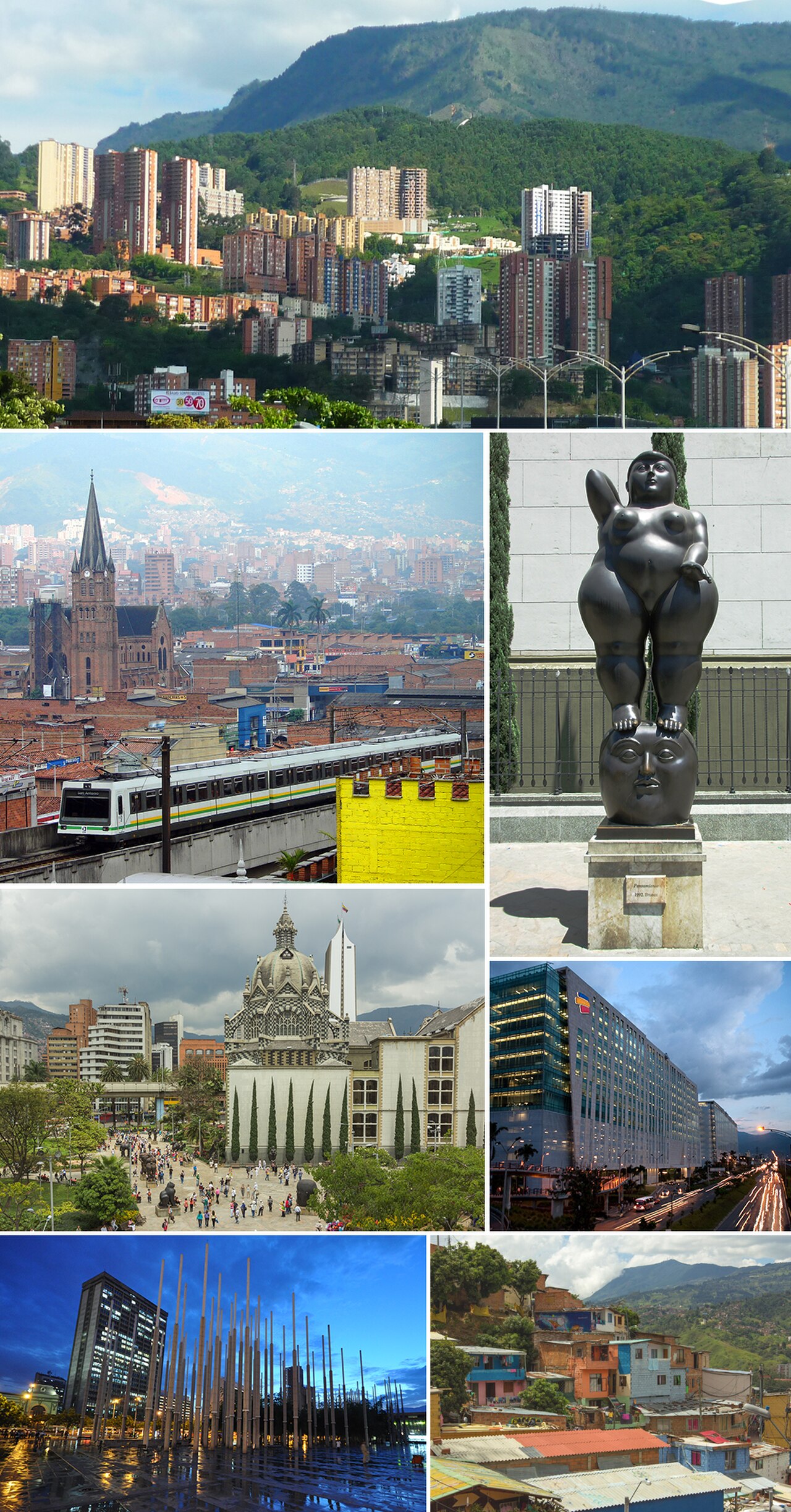
Where Colombia Holds the Edge
Colombia’s housing advantage is inside the cities. A central one-bedroom in Bogotá costs roughly US$566 per month, against US$450 in a comparable Brazilian city center, per Numbeo data from July 2026. But that average conceals wide variation: Medellín’s El Poblado is closer to Rio’s Ipanema in price than to Brazil’s secondary cities.
Utilities are the surprise Colombian win. Electricity, water and heating for a standard 65-square-meter apartment cost roughly 42 percent more in Brazil, according to MyLifeElsewhere’s 2026 comparison. That reflects Brazil’s reliance on hydroelectric dams, which can push spot prices higher during dry seasons, and Colombia’s more stable grid pricing.
Childcare and international schooling also favor Colombia, with private preschool running about 15 percent cheaper and international primary school roughly 19 percent less, per CityCost. For families, that category can erase Brazil’s transport savings within a single school term.
What the Numbers Do Not Capture
Cost-of-living indices measure prices, not friction. Brazil’s bureaucracy — from the CPF tax ID to the monthly carnê-leão for foreign income — adds administrative hours that do not show up in a Numbeo basket. Colombia’s digital-nomad visa income threshold was raised to US$1,575 per month in 2026 and is currently under court review, creating uncertainty that no price index captures.
Healthcare is another hidden variable. Brazil offers the SUS public system at no direct cost, but wait times and regional quality gaps are real. Colombia’s EPS system charges a monthly premium but generally delivers faster access in major cities. Neither cost is fully reflected in the housing-and-groceries comparisons that dominate expat forums.
The bottom line is that Brazil and Colombia are close enough in headline cost that the decision should rest on visa stability, healthcare access and city-specific rents rather than a 2–5 percent national average. For a single remote worker outside the capitals, Brazil is probably cheaper. For a family needing international schooling in a major city, Colombia may edge ahead.
Background: our buying property in brazil as a foreigner complete guide.
Background: Brazil’s Financial Morning Call for Wednesday, July 29, 2026.
Frequently Asked Questions
Which is cheaper overall, Brazil or Colombia?
Brazil is marginally cheaper overall, by roughly 2–5 percent according to Expatistan (May 2026), CityCost (July 2026) and MyLifeElsewhere (2026). The gap is narrow enough that city choice and lifestyle matter more than the national average.
How much is rent in Brazil versus Colombia?
A one-bedroom apartment in a Brazilian city center averages roughly US$450 per month, against about US$566 in Colombia, per Numbeo data from July 2026. Outside the center, Brazil is roughly 29 percent cheaper.
Are groceries cheaper in Brazil or Colombia?
Overall grocery costs are within 5 percent of each other. Brazil wins on milk, bread and rice; Colombia wins sharply on local cheese and chicken breast, according to MyLifeElsewhere’s 2026 comparison.
Sources
Connected Coverage
The Rio Times covers cost-of-living data, visa rules and housing markets across Latin America’s major expat destinations.
Sources: Expatistan; CityCost; MyLifeElsewhere; Numbeo.
This article was produced by The Rio Times’ automated newsroom system. How we use AI · Report an error
In depth
Read More from The Rio Times