Peru vs Colombia for Expats 2026 — Visas, Costs, Safety and Who Each Country Suits
GUIDES · PERU
Key Facts
- —What it is A standing comparison of Peru and Colombia on visas, money, costs, safety, climate and daily life.
- —Who it’s for Retirees, remote workers and long-stay expats choosing between Lima, Medellín and Bogotá.
- —What it costs Medellín usually rents cheaper than prime Lima; Bogotá spans the widest range of the three cities.
- —Why it matters The residence route you qualify for often decides the country before lifestyle does.
- —The catch Peru’s digital-nomad category exists in law but has no working application procedure yet.
The peru vs colombia for expats question comes down to trade-offs: Lima’s food and steadier sol against Colombia’s formal nomad visa, climate choice and cheaper Medellín rents.

Peru vs Colombia for expats is a choice between two working models, not a winner and a loser. Peru suits pensioners who want Lima’s food and history, while Colombia suits remote workers who need a formal nomad visa.
Peru vs Colombia for expats: the short answer
Peru generally fits foreigners who live on a pension or steady passive income and want a capital with serious food and history. Its rentista residence is built for that profile.
Colombia generally fits people who earn remotely from abroad, because it runs a documented digital-nomad visa. It also offers more climate choice between its main cities.
For expats, Peru and Colombia both reward careful district choice and fluent Spanish. The real differences sit in visas, currency, climate and rent.
Residency: Peru’s rentista route against Colombia’s wage-linked visas
Peru’s rentista residence is for foreigners with a permanent pension or income, and it grants an indefinite stay. Migraciones, the immigration agency, asks for foreign income of at least US$1,000 net per month.
The in-country change to rentista status costs S/ 161.40 (about US$48), according to the official gob.pe procedure page. The residence ID card, the Carné de Extranjería, costs S/ 24.00 (about US$7).
This reference guide is not legal or financial advice. Only each country’s immigration authority can confirm an individual case.
Colombia works differently, because most of its thresholds are multiples of the national monthly minimum wage. The pensionado visa requires a lifetime pension of at least three minimum wages a month.
The rentista visa for other steady income asks for ten minimum wages a month, according to the foreign ministry’s visa requirements page. Pensionado holders can move towards a resident visa after five years.
For 2026, the minimum wage is COP 1,750,905 (about US$560) under a transitional decree. Three times that is COP 5,252,715 (about US$1,680), at 19 September 2026 exchange rates.
The nomad gap and what it changes for remote workers
Colombia’s visitor visa for digital nomads lasts up to two years. Applicants must show at least three minimum wages in monthly income and hold health insurance valid in Colombia.
The nomad visa does not allow work for Colombian employers or clients. Holders on longer visas register with Migración Colombia, whose foreigner ID card has cost COP 294,000 (about US$94) since 10 February 2026.
Peru wrote a digital-nomad category into its migration law through Legislative Decree 1582 in 2023. It has not been added to the agency’s procedures, so there is no form or fee to file.
Remote workers in Peru therefore rely on visitor stays, capped at 183 days in any 12 months, or other residence categories. A visitor stamp carries no work rights and does not replace a residence permit.
For expats weighing Peru against Colombia, this is the sharpest legal difference between the two countries.
For a remote worker, this gap usually decides the question. For a retiree with pension income, it matters much less, because both countries have routes built for that profile.
Currency and banking: the steadier sol against the free-floating peso
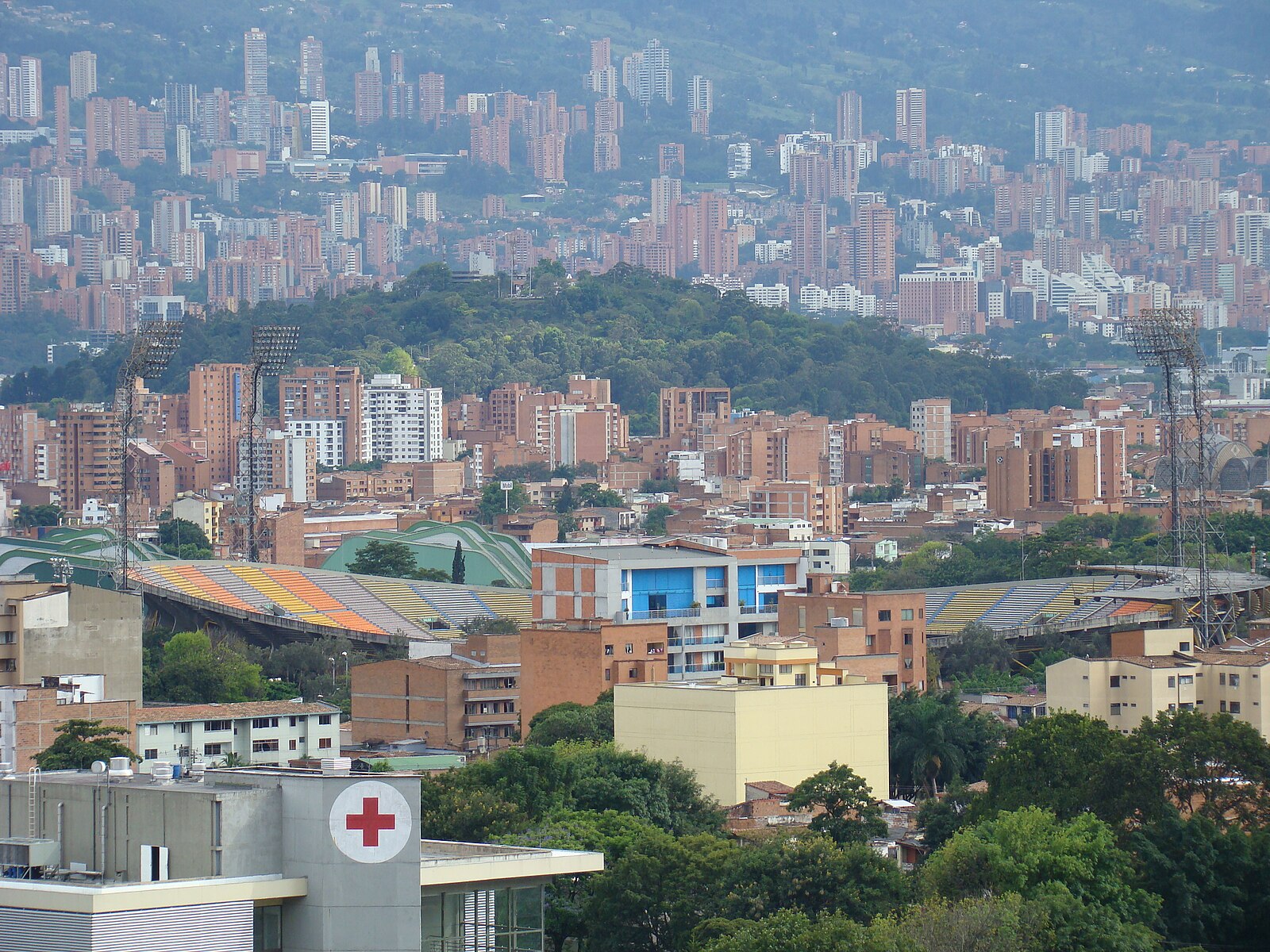
Peru’s central bank, the BCRP, buys and sells dollars to smooth sharp moves in the sol. As a result, the sol has been one of the region’s less volatile currencies.
The BCRP held its reference rate at 4.25% on 10 September 2026. Around that date, the sol traded at roughly 3.36 to the dollar.
Colombia’s central bank, the Banco de la República, has let the peso float freely since 1999 and targets inflation. The peso traded near 3,128 to the dollar on 19 September 2026.
For an expat, a floating peso means your local costs in dollar terms rise and fall more with markets. Savers earning in dollars can gain or lose purchasing power within months.
For expats, currency risk is a quiet but real part of weighing Peru against Colombia. It compounds over years rather than weeks.
Peru’s banking regulator, the SBS, widened the identity documents accepted for basic accounts from June 2025, including passports. Standard accounts at large banks still usually require a Carné de Extranjería.
Cost split: Lima, Medellín and Bogotá
Lima is the mid-range benchmark of this pair. The districts most foreigners choose cost more than the rest of the city, but careful choices keep a moderate budget workable.
Medellín is usually the cheaper rental market, especially against prime Lima districts. Very low budgets quoted online often ignore furnished rents, health insurance and eating out.
Bogotá has the widest spread of the three because it is the largest city. Upscale northern districts and outer neighbourhoods can differ sharply in rent and daily costs.
For expats comparing costs in Peru and Colombia, rent is the biggest single swing between cities. Food, transport and phone plans differ far less.
No official body publishes a single expat budget for any of these cities. Price three real apartments in named districts before you trust any headline monthly figure.
Safety: district by district, not country by country
Lima is best read district by district. The areas most foreigners choose feel calmer day to day, while risk tends to rise away from those corridors.
Medellín changed deeply over three decades, yet keeps a big-city mix of safe, lively areas and pockets where theft is common. Bogotá shows the same pattern at larger scale.
Crime levels shift over time in both countries, and national scores hide wide local gaps. Check your own government’s travel advice and ask residents about specific streets and hours.
Climate and geography: desert coast against three cordilleras
Lima sits on a coastal desert where rain is rare, but skies are often grey and damp from roughly June to October. Inland, the Andes and the high altiplano bring cold nights and altitude.
Colombia’s three Andean ranges create climate bands by altitude. Medellín, at about 1,500 metres, is mild all year, while Bogotá, at about 2,600 metres, is cool and often rainy.
For many expats, climate settles the Peru or Colombia choice faster than any cost table. Visit in the season you would find hardest before committing.
If you want one known climate in one base, Lima is easy to plan around. If you want to choose weather by city, Colombia gives you more options.
Food, culture, language and integration
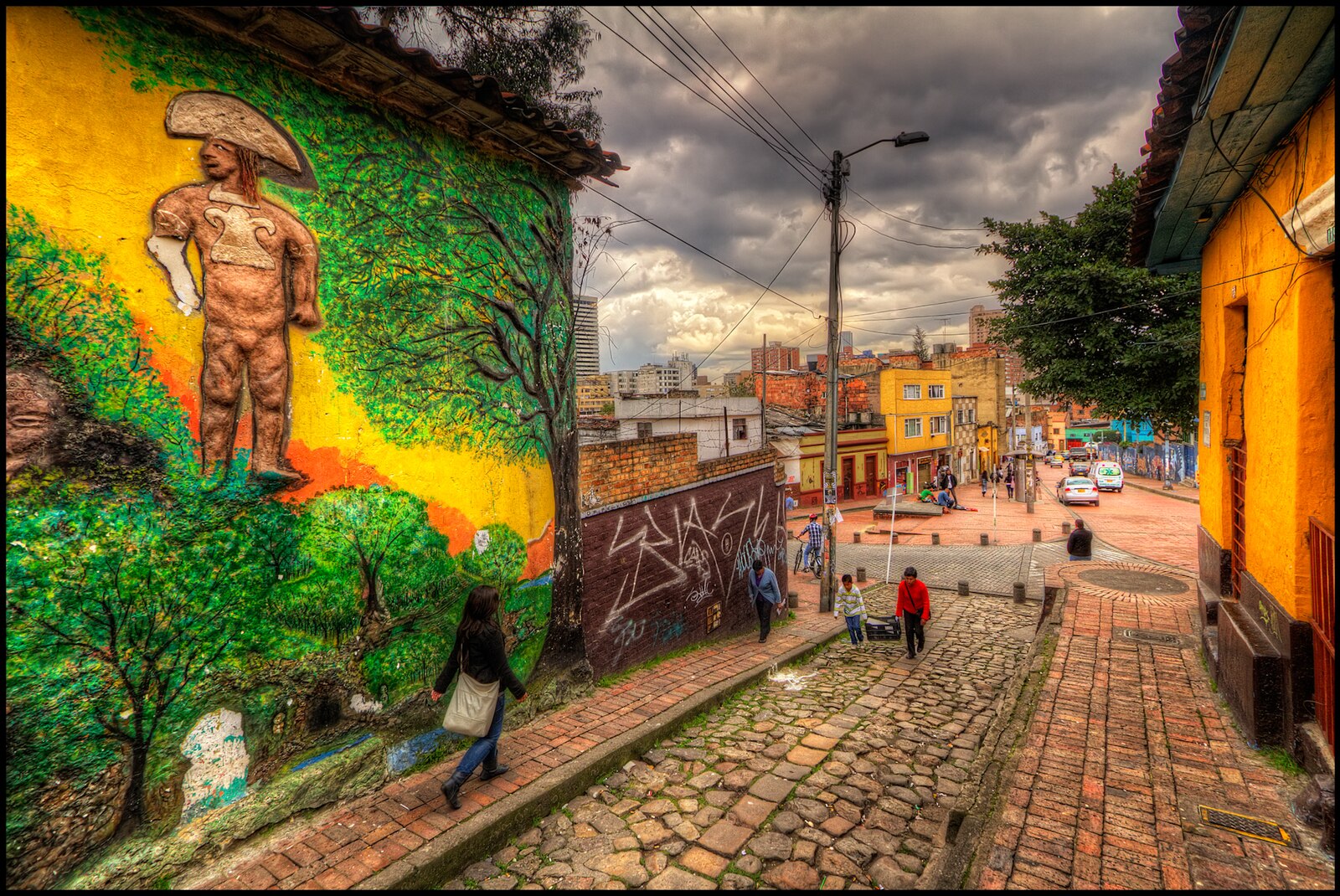
Lima is one of the world’s leading food cities, and its restaurant Central topped the World’s 50 Best Restaurants list in 2023. History runs deep too, from colonial centres to pre-Inca sites.
Colombia offers strong regional variety instead: Caribbean, Andean and Pacific cultures differ in food, music and daily rhythm. Many expats value moving between them.
In both countries, Spanish is the key to integration, from renting a flat to reading a medical bill. English carries you only a short way outside tourist and expat circles.
Medellín and Bogotá have large foreign communities, which makes a first social circle easier to build. Lima’s expat life is more spread out and capital-centred, and it rewards patience.
Healthcare and flight connections
Lima and Medellín both have well-equipped private clinics used by foreigners, and Medellín has a strong medical-tourism niche. Quality and prices vary by clinic, so compare facilities, not countries.
Colombian residents with a foreigner ID card can generally join the national health-insurance system through an EPS, a health-insurance provider. Peru’s public insurer, EsSalud, mainly covers formal employees, so most foreign retirees buy private plans.
Bogotá’s El Dorado became Latin America’s busiest airport by passengers in 2024, according to the city government. It is the main Colombian gateway, while Medellín adds direct flights to some US cities.
Lima’s Jorge Chávez airport opened a new terminal on 1 June 2025. It is LATAM’s main Peruvian hub, with direct links to Miami, New York, Madrid, Paris and Amsterdam.
Who each country suits, and the Lima-versus-Medellín budget question
Peru suits food-and-history urbanites, pension or passive-income retirees and long-stayers who want one capital base. Colombia suits remote workers, climate seekers and people who like to switch cities.
On the classic budget question, Medellín usually wins on rent for a comfortable, not luxurious, life. Lima often wins when food, capital-city services and a steadier currency matter more.
That balance can shift. A stronger peso makes Medellín dearer in dollar terms, and a change in Colombia’s minimum wage moves its visa thresholds.
What is not known, and how to decide
Colombia’s 2026 minimum wage is transitional while the Council of State, the top administrative court, reviews it. A different final figure would change every wage-linked visa threshold.
Peru has not said when, or whether, its digital-nomad procedure will open. Until Migraciones publishes a procedure, no nomad application exists there.
Start by checking which residence route you actually qualify for on each country’s official immigration pages. Then price real neighbourhoods, arrange health cover and keep a dollar buffer for currency swings.
In the peru vs colombia for expats decision, neither country is a permanent answer. Revisit the comparison each year, because rules, rents and exchange rates all keep moving.
Connected Coverage
Peru Residency Visas for Expats
Colombia Residency and Visa Guide 2026: Routes, Costs and an October Deadline
Ecuador vs Peru for Expats in 2026: Cheaper to Live, Harder to Enter
Sources: Figures come from Peru’s Migraciones procedure pages on gob.pe, Colombia’s foreign ministry and Migración Colombia, Peru’s Legislative Decree 1582, the BCRP via Andina, El Peruano, the Bogotá city government and Chapman Wilches.
This article was produced by The Rio Times’ automated newsroom system. How we use AI · Report an error
Read More from The Rio Times