
Guides · Botswana
A US citizen needs no visa to enter Botswana, but living or working there needs a residence permit. The Embassy of Botswana in Washington, Botswana’s diplomatic mission in the United States, lists a US$165 (about 2,250 pula) application fee in its fee schedule, read on 16 November 2026.
One pula, the local currency, was worth US$0.0732 at our reference rate of 16 November 2026. For daily costs, see our Botswana cost of living guide for expats.
Key Facts
- Entry. US citizens need no visa to enter Botswana.
- Permit. A residence permit costs US$165 (about P2,250) to apply and US$165 to US$171 to renew.
- Processing. Permits filed through the embassy take at least 21 working days.
- Retirees. No retirement or digital nomad permit category is listed.
- Health. Malaria medicine is advised for northern districts such as Chobe and Francistown, but not the capital, Gaborone.
Visiting is simple for Americans, while staying means paperwork. The embassy lists permits for work, investment, family and dependant permits, but none for retirees or remote workers.
In Plain English
A residence permit is official permission to live in Botswana for longer than a visit. Batswana means citizens of Botswana, and the pula is its currency.
The Department of Immigration and Citizenship is the government body that issues permits. The Chief Immigration Officer is the senior immigration official who can allow longer visitor stays.
Do US Citizens Need a Visa for Botswana?
The embassy’s guidelines for visa applications, read on 16 November 2026, say citizens of the United States do not require a visa to enter Botswana. Citizens of Canada, the UK, South Africa and Japan are also exempt.
Citizens of countries such as China, India, Nigeria and Egypt need one. They apply online at evisa.gov.bw, the government’s visa portal, with a notarized passport copy, a cover letter and an itinerary.
Visa applicants need a passport valid for six months or more with three or more unused pages, and fingerprints are taken at the point of entry. Minors need certified unabridged birth certificates and, if one parent travels alone, the other parent’s consent affidavit.
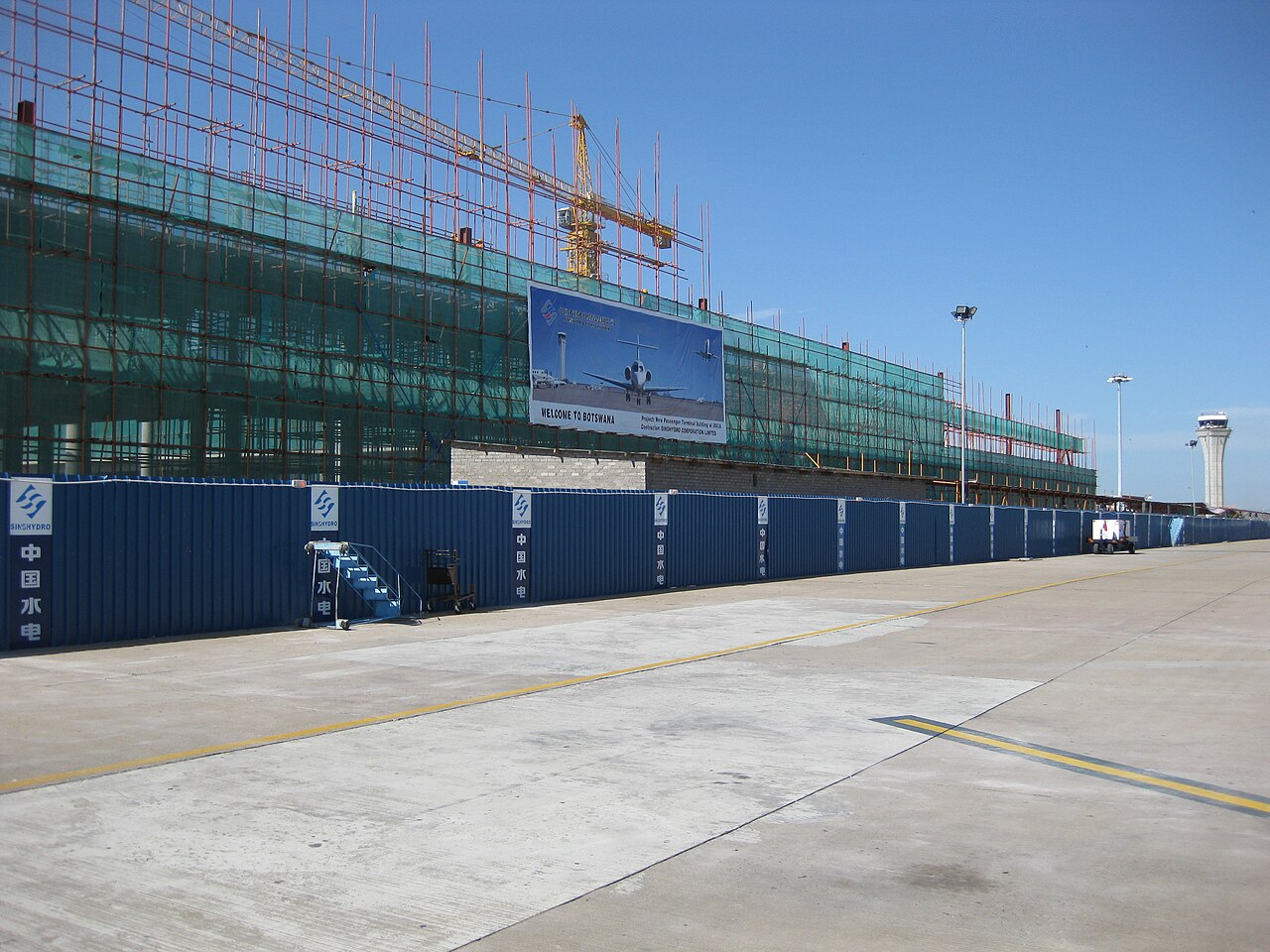
How Long You Can Stay as a Visitor
The embassy’s fee schedule, read on 16 November 2026, lists a fee for a visitor to stay beyond 90 days, which needs the authority of the Chief Immigration Officer. The fee is US$5 (about P70) if applied for before the 90 days expire and US$20 (about P270) if after.
The same schedule lists a visitor visa for stays over three months at US$150. Its amounts are in US dollars and subject to change without notice.
Work and Residence Permits
A residence permit for employment starts with proof of a job advert, says the embassy’s residence permit page, read on 16 November 2026. The advert must have run at least 14 days, be no older than six months and, within those 14 days, take applications only from Batswana.
Documents include a contract, an offer letter, a CV and certified certificates translated into English. A medical report, certified passport copies and photos complete the set.
Medical, teaching, accounting, pilot and footballer applicants need clearance from the relevant Botswana body. Examples are the Nursing Council (the nurses’ regulator), the Ministry of Education and the Botswana Football Association (the national football body).
The embassy’s employment checklist asks for Form 15 (the permit application), Form 3 (the medical report) and an offer letter, with a fee of US$165 (about P2,250). Renewal is US$171 on the fee schedule but US$165 on the permit pages, so the two embassy pages differ.
Investor and Self-Employed Routes
For investors, the embassy’s permit page, read on 16 November 2026, lists proof of investment, a lease agreement, share and incorporation certificates and a company profile. It also asks for a list of local employees and a bank statement certified by the bank.
The fee schedule lists an investment visa at US$100 (about P1,370) and a business visa at US$50 for a single entry. It also lists an employment visa at US$107 (about P1,460) and a study visa at US$60.
The embassy’s permit page lists no separate self-employed category. Its checklist for immigrants is the nearest listed route, described below.
Retirees, Spouses and Dependants
No retirement visa or digital nomad permit is listed on the embassy’s permit pages, read on 16 November 2026. The closest routes are the self-support route, the spouse route and the over-65 dependant route.
The self-support route is the embassy’s checklist for immigrants, which asks for Form 15, Form 3 and a letter stating how the applicant will maintain himself or herself. It also needs an acceptance letter from the village headman or tribal authority.
The spouse of a citizen checklist lists US$165 (about P2,250). Renewal needs confirmation from Civil and National Registration, a Botswana government office, that the marriage still exists.
Dependants over 65 need a letter of support from the guardian or supporter and a medical report. The fee is P500 (about US$37) and renewal P250 (about US$18); the embassy writes P, which we read as pula, not dollars.
The Botswana Blue Card, US$300 (about P4,100) on the embassy’s Blue Card page, is only for former citizens by birth or descent who renounced citizenship. A foreign spouse does not qualify unless also a former citizen by birth or descent.
What It Costs in Pula and US Dollars
Fees below come from the embassy’s fee schedule, read on 16 November 2026, which sets them in US dollars, except the Blue Card fee on the Blue Card page. Pula amounts are our own approximate arithmetic at our reference rate of 16 November 2026, about 13.66 pula per US$1.
- Residence permit application: US$165 (about P2,250)
- Residence permit renewal: US$171 (about P2,340)
- Certificate of permanent residence: US$107 (about P1,460)
- Investment visa: US$100 (about P1,370)
- Stay beyond 90 days: US$5 (about P70) before expiry, US$20 (about P270) after
- Botswana Blue Card: US$300 (about P4,100)
- Each appeal, to the National Immigrants Selection Board (the appeals body named on the fee schedule) or to the responsible Minister: US$45
- Adding a spouse and children to a permit: US$5; changing its conditions: US$35
The embassy takes payment by money order, cashier’s check or company check made out to the Embassy of Botswana. It does not accept personal checks.
Processing Times
The embassy’s residence permit page, read on 16 November 2026, gives a processing time of at least 21 working days. That figure applies to permits filed through the embassy.
Health and Safety Notes
The US Centers for Disease Control and Prevention (CDC), the federal public health agency, says yellow fever vaccine is not recommended for Botswana and is not required for direct travel from the United States. It is required for travellers aged one year and over arriving from countries with yellow fever risk, including layovers of more than 12 hours there.
CDC recommends malaria prevention medicine for the districts of Bobirwa, Boteti, Chobe (including Chobe National Park), Ghanzi, Mahalapye, Ngamiland, North-East (including Francistown), Okavango, Serowe/Palapye and Tutume. Gaborone is not on that list, and in other districts CDC lists rare or no transmission.
CDC also recommends hepatitis B vaccine for unvaccinated travellers of all ages. The US State Department’s advisory summary lists Botswana at Level 2 of 4, Exercise Increased Caution, because of crime; we have not confirmed this on the advisory page itself.
What It Means for You
For a US citizen the entry rule is light, because the embassy lists no visa for a visit. A long stay brings fees in US dollars and a paper file.
Because the embassy sets fees in dollars, the pula rate matters little for them, while the pula-priced over-65 dependant fee moves with the exchange rate. Anyone weighing retirement should note that no retirement permit is listed.
For the wider picture, see our guides to Botswana explained, who runs the economy and the politics. All our reporting is in Botswana coverage.
What Is Not Known
We could not confirm the current processing time at the Department of Immigration and Citizenship in Gaborone, though the embassy says at least 21 working days for permits filed through it. We also could not confirm whether the 90-day visitor limit counts per entry or per year.
We found no permanent residence eligibility period or fee beyond the US$107 certificate fee. We also found no retirement or remote-worker permit, and none is listed on the embassy pages.
We did not confirm the State Department rating or the date of its latest update on the advisory page itself, so US travellers should read the current advisory. The Department of Immigration and Citizenship, the government body that issues permits, should be asked for the final word in Gaborone.
Frequently Asked Questions
Do US citizens need a visa for Botswana?
No, the Embassy of Botswana in Washington says citizens of the United States do not require a visa to enter Botswana. Living or working there needs a residence permit, which costs US$165 to apply for on the embassy’s fee schedule.
Is there a retirement visa for Botswana?
No retirement visa or digital nomad permit is listed on the embassy’s permit pages, read on 16 November 2026. The listed routes include self-support, spouse of a citizen and dependants over 65.
Does Botswana require a yellow fever vaccine?
The CDC says it is not recommended and not required for direct travel from the United States. It is required for travellers aged one year and over arriving from countries with yellow fever risk, including layovers of more than 12 hours.
Sources (embassy and CDC pages read on 16 November 2026): Embassy of Botswana in Washington, visa guidelines, fees for consular and immigration services, residence permit application, immigrants checklist, spouse of a citizen checklist, employment checklist, dependants over 65 checklist and Botswana Blue Card; US Centers for Disease Control and Prevention, Travelers’ Health, Botswana (yellow fever and malaria entries updated 23 April 2025); US State Department, travel advisory for Botswana. Exchange rate: our reference rate of 16 November 2026.
This article was produced by The Rio Times’ automated AI newsroom. Editorial responsibility: Matthias Camenzind, Publisher and Editor-in-Chief. The Rio Times also runs Ask Rio Times, which answers from 100,000+ of our own articles, the daily Latin America Power Map, and prediction-market odds on elections and markets.. How we use AI · Report an error
Expat Guide to Botswana
What The Rio Times publishes for foreigners who live in or move to Botswana.
Start here
Understand Botswana