
BOTSWANA · SOUTHERN AFRICA
Key Facts
- —The basics Botswana is a landlocked country of 2.36 million people bordered by South Africa, Namibia, Zimbabwe and Zambia, and as of October 2026 it hosts the Southern African Development Community in Gaborone.
- —Why it matters Every Botswana import and export by land crosses a neighbour, so its trade, rivers, safari routes and customs revenue depend on South Africa, Namibia, Zambia and Zimbabwe staying open and stable.
- —The numbers In July 2026 Botswana imported goods worth P7.06 billion (about US$505 million) and exported P5.16 billion (about US$369 million), a monthly trade deficit of about US$136 million at P13.98 per US$.
- —Who is who President Duma Boko has led Botswana since 2024; SADC is the 16-member regional bloc based in Gaborone; the five-member Southern African Customs Union pools customs duties from a secretariat in Windhoek.
- —What to watch Botswana’s statistics office is due to publish August 2026 trade figures on Friday, 23 October 2026, the next reading of how much the country buys abroad against what it sells.
- —What it means for you US travellers usually reach the Okavango Delta and Chobe through South African, Namibian or Zambian hubs, and US investors in Botswana face freight, customs and border rules set with its neighbours.
Botswana has four neighbours, one regional headquarters and no coastline. This guide explains its borders, rivers, trade and alliances, and where it leads or follows, as of October 2026.
The Botswana neighbourhood is landlocked Southern Africa, with 2.36 million people bordered by South Africa, Namibia, Zimbabwe and Zambia. Every container, fuel tanker and tourist arriving by land crosses one of those borders first.
For US readers, it shapes the diamond trade, the safari routes into the Okavango Delta and a long-running African democracy. Botswana also hosts the headquarters of the Southern African Development Community, the region’s main political bloc.
The population figure comes from the 2022 census of Statistics Botswana, the national statistics office, which counted 2,359,609 people. Amounts in pula use the open.er-api.com rate of 14 October 2026, P13.98 per US$.
Daily news is in the Rio Times Botswana section, and the pillar Botswana explained covers diamonds, stability and the economy. Next door, see the guides to Namibia and its neighbours, Zambia and its neighbours and South Africa and its neighbours.
The Botswana Neighbourhood at a Glance
Botswana sits on the Kalahari plateau, with South Africa to the south and southeast and Namibia to the west and north. Zimbabwe lies to the northeast, and Zambia touches Botswana only along a short stretch of the Zambezi River at Kazungula.
Near Kazungula, the borders of Botswana, Namibia, Zambia and Zimbabwe almost meet at a single point. That corner has become a key link for freight moving between Zambia, the Democratic Republic of Congo and southern ports.
Being landlocked, Botswana depends on its neighbours for sea access, through South African ports and the Namibian port of Walvis Bay. The Trans-Kalahari road corridor links Walvis Bay across Botswana to the industrial region around Johannesburg.
Botswana became independent from Britain in 1966 and has held regular multiparty elections ever since. In 2024 voters ended the long rule of the Botswana Democratic Party, and Duma Boko became the sixth president.
Boko leads the Umbrella for Democratic Change, a coalition of former opposition parties that campaigned on jobs and economic change. His government inherited a neighbourhood that matters to Botswana as much as its own policies do.
South Africa, the Giant Next Door
South Africa is Botswana’s largest neighbour, and much of Botswana’s road freight comes from it or through its ports. Gaborone, the capital, lies close to the South African border, and the two economies are tightly linked.
Both belong to the Southern African Customs Union, or SACU, which pools customs duties and shares them under a formula. Its five members are Botswana, Lesotho, Namibia, South Africa and Eswatini, with a secretariat in Windhoek, Namibia.
SACU traces its origins to an 1889 customs convention and describes itself as the world’s oldest customs union. Its current rules come from a 2002 agreement, which created the independent secretariat in Windhoek.
The union gives Botswana duty-free access to South Africa’s much larger market, but it also ties Botswana to shared external tariffs. Customs revenue paid out through SACU is an important line in Botswana’s budget, though its latest share was not confirmed.
Statistics Botswana recorded imports of P7.06 billion (about US$505 million) and exports of P5.16 billion (about US$369 million) in July 2026. That left a trade deficit of P1.90 billion (about US$136 million) for the month.

Namibia and a Settled Border Dispute
Namibia borders Botswana along the west and along the narrow Zambezi Region in the north, once called the Caprivi Strip. There the Chobe River forms part of the line, and the two countries once disputed a small island in it.
Botswana calls the island Sedudu and Namibia calls it Kasikili, and both took the case jointly to the International Court of Justice. The court ruled on Monday, 13 December 1999, under an 1890 Anglo-German treaty.
The ruling turned on which channel of the Chobe was the main one, and the court chose the northern channel. The island of about 3.5 square kilometres therefore belongs to Botswana, and the boundary follows that channel.
Namibia is also Botswana’s route to the Atlantic, through Walvis Bay and the Trans-Kalahari road. The Rio Times guide to Namibia and its neighbours covers that relationship from the Namibian side.
Rivers That Botswana Shares
Botswana’s best-known natural asset, the Okavango Delta, is fed by a river that rises in Angola and crosses Namibia first. The water spreads out into the Kalahari, so what upstream countries do with it matters downstream.
Angola, Botswana and Namibia manage the basin through OKACOM, the Permanent Okavango River Basin Water Commission, set up under a 1994 agreement. Its task is to oversee the shared waters of the Cubango-Okavango basin jointly.
In the north, the Chobe and Zambezi rivers link Botswana with Namibia, Zambia and Zimbabwe, and with the safari traffic around Kasane. In the southeast, the Limpopo River forms part of the border with South Africa.
These rivers make water a diplomatic topic as much as an environmental one. Droughts, dams and new water projects upstream can change how much water reaches Botswana’s wetlands and towns.
Zambia, Zimbabwe and the Kazungula Bridge
Botswana and Zambia opened the Kazungula Bridge over the Zambezi on Monday, 10 May 2021. The 923 metre road and rail bridge cost about US$259.3 million and comes with a one-stop border post.
Mokgweetsi Masisi and Edgar Lungu, then presidents of Botswana and Zambia, opened it with leaders of Zimbabwe, Mozambique and DR Congo present. The bridge gives freight a faster alternative to the busy Beitbridge crossing between South Africa and Zimbabwe.
Before the bridge, trucks crossed the river at Kazungula on slow ferries, as photos from the construction years show. Botswana and Zambia agreed in principle in 2021 to bring Zimbabwe into the project and the border post.
Zimbabwe is Botswana’s northeastern neighbour, linked by road and rail through Francistown, Botswana’s second city. Many Zimbabweans live and work in Botswana, though current official numbers were not confirmed for this guide.
Economic crises in Zimbabwe have pushed workers and traders across the border for decades. That keeps migration, informal trade and border control near the top of the agenda between the two governments.
Regional Bodies, Where Botswana Leads and Follows
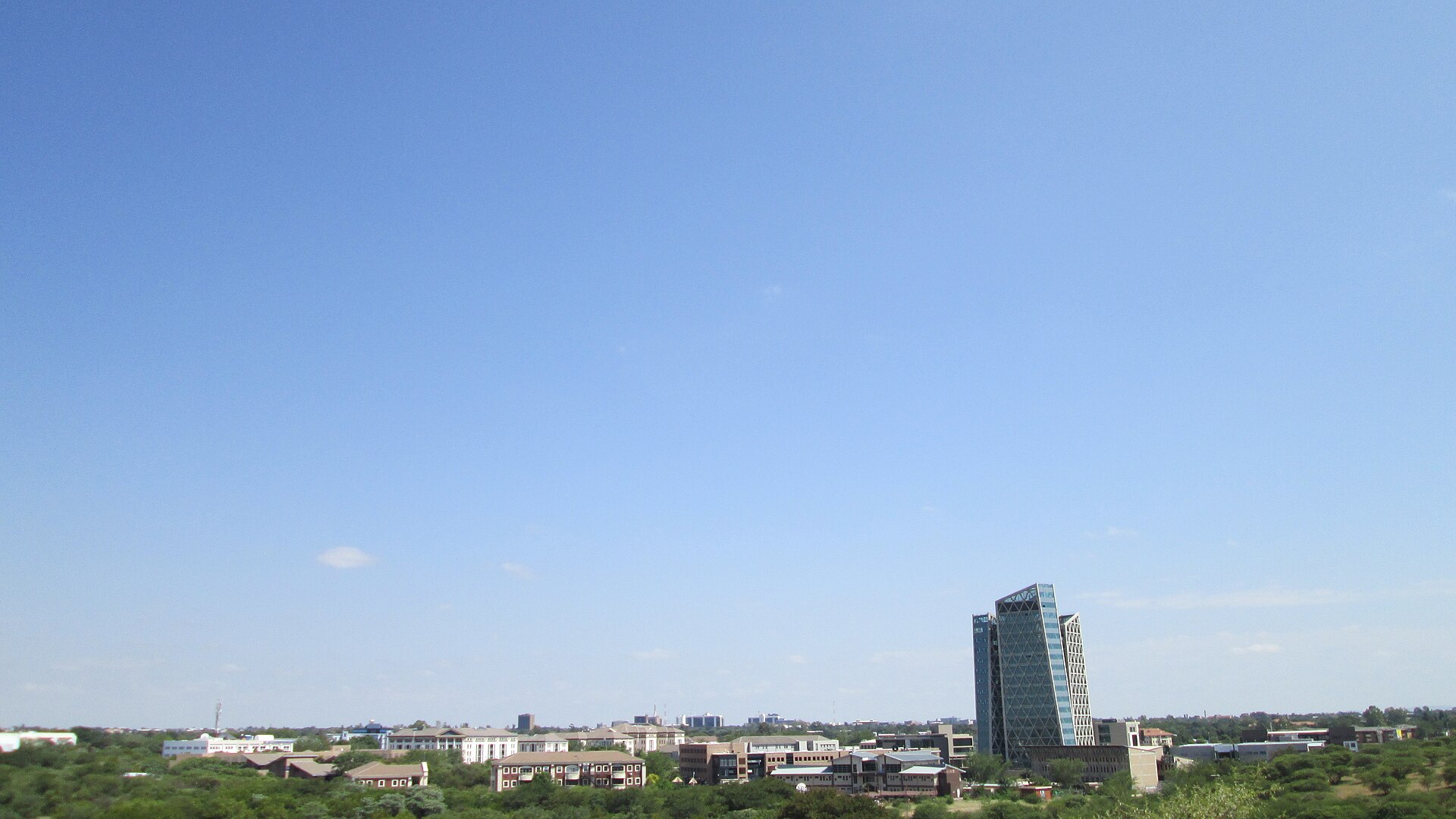
Gaborone hosts SADC House, the headquarters of the Southern African Development Community, which has 16 member states. The bloc stretches from the Democratic Republic of Congo and Tanzania down to South Africa, and includes island states such as Mauritius.
Hosting the secretariat gives Botswana diplomatic weight beyond its population, with regional officials and summits passing through its capital. The Rio Times guide to Gaborone in October 2026 explains what the city offers visitors this month.
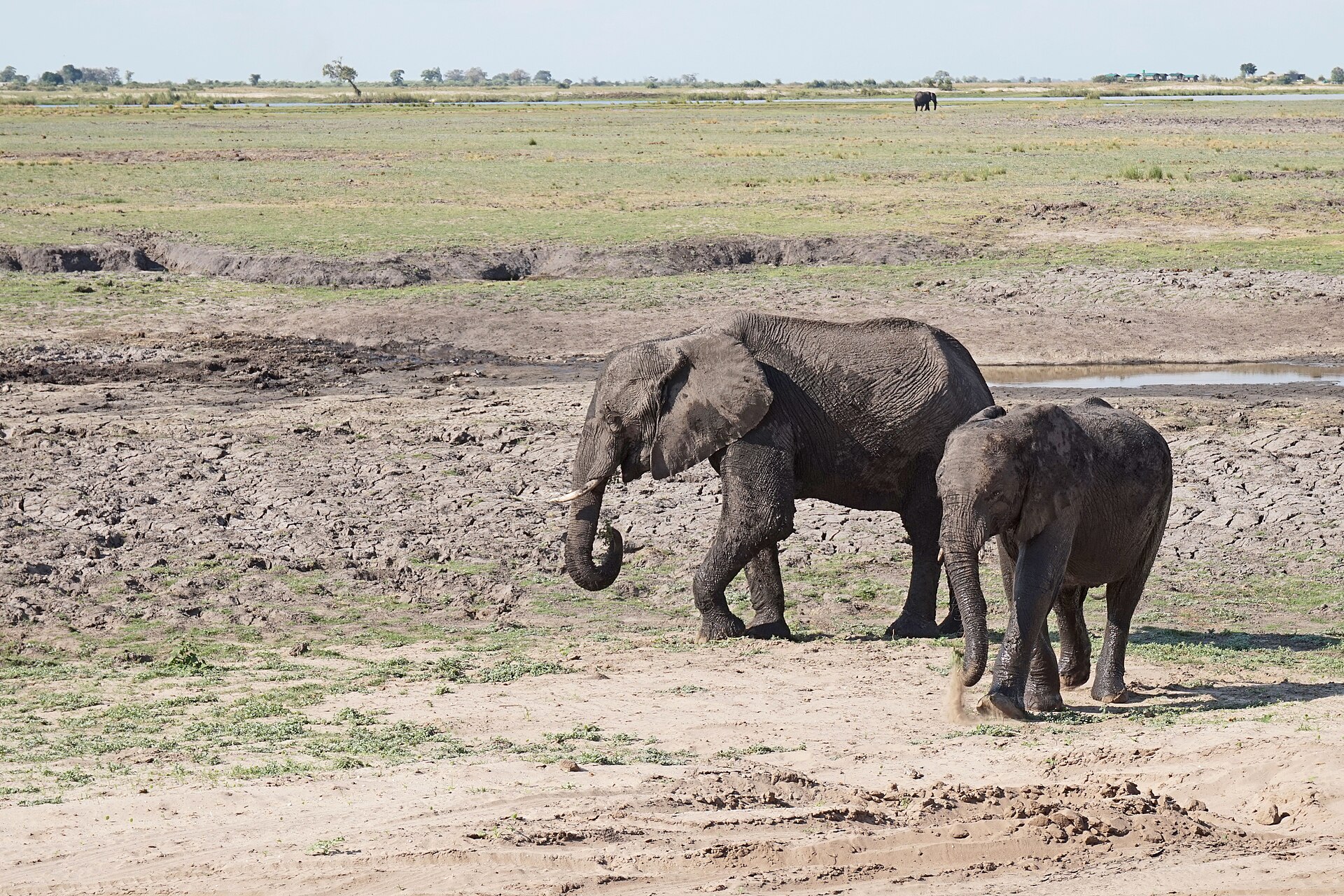
Botswana also belongs to KAZA, the Kavango Zambezi Transfrontier Conservation Area, an official SADC programme covering about 520,000 square kilometres. Its five partners are Angola, Botswana, Namibia, Zambia and Zimbabwe, linking parks and wildlife corridors across borders.
Botswana leads on conservation and on its record of stable, rules-based government. It follows South Africa on customs, freight and much of its supply chain, which limits how far it can act alone.
President Boko’s government took office in 2024 after nearly six decades of rule by one party. Regional partners watch how it manages public finances, a theme of recent Rio Times reports on Botswana’s debt and diamond production.
What It Means for US Readers
US travellers usually reach the Okavango Delta and Chobe through South Africa, Namibia or Zambia, so their entry rules matter too. Kasane, near the Kazungula Bridge, is the usual gateway for trips that combine Botswana with Victoria Falls.
For US investors in Botswana, the neighbourhood means freight risk, customs rules set within SACU and exposure to South African logistics. Visitors heading to the capital can check what to do in Gaborone in October 2026.
Washington also follows SADC, the bloc headquartered in Gaborone that speaks for the region on trade and security. Decisions taken at SADC House shape regional responses to elections, conflicts and trade disputes that concern US policymakers.
What Is Not Known
South Africa’s current share of Botswana’s imports, and SACU’s share of its budget, were not confirmed on 14 October 2026. Official numbers for Zimbabwean migrants living in Botswana were also not available in the records checked.
It is not confirmed whether Zimbabwe has formally joined the Kazungula border post arrangement since 2021. The August 2026 trade figures, due on Friday, 23 October 2026, will update the July picture.
Frequently Asked Questions
How many countries border Botswana?
Four countries border Botswana: South Africa, Namibia, Zimbabwe and Zambia. The border with Zambia is only a short stretch of the Zambezi River at Kazungula.
Is Botswana landlocked?
Yes, Botswana has no coastline and depends on its neighbours for access to the sea. Its main routes run through South African ports and the Namibian port of Walvis Bay.
Where is the SADC headquarters?
The Southern African Development Community has its headquarters at SADC House in Gaborone, the capital of Botswana. The bloc has 16 member states as of October 2026.
Who owns Sedudu Island?
Sedudu Island, called Kasikili in Namibia, belongs to Botswana under a ruling of the International Court of Justice. The court decided the case on 13 December 1999, after both countries submitted it jointly.
What is the Kazungula Bridge?
The Kazungula Bridge is a 923 metre road and rail bridge over the Zambezi linking Botswana and Zambia. It opened on 10 May 2021 and cost about US$259.3 million.
Is Botswana part of a customs union?
Yes, Botswana belongs to the Southern African Customs Union with Lesotho, Namibia, South Africa and Eswatini. The union pools customs duties and shares them among members from a secretariat in Windhoek.
Sources: Statistics Botswana (2022 census; Trade Statistics July 2026; release calendar); Government of Botswana (President Duma Gideon Boko); SADC, Member States and SADC House; SACU, history and secretariat; International Court of Justice, Kasikili/Sedudu Island (Botswana/Namibia); OKACOM, Permanent Okavango River Basin Water Commission; KAZA TFCA Secretariat; BusinessDay, 10 May 2021; open.er-api.com exchange rates (all accessed 14 October 2026).
This article was produced by The Rio Times’ automated newsroom system. How we use AI · Report an error · Editorial responsibility: Matthias Camenzind, Editor-in-Chief
Part of our ongoing coverage
Africa: The New Scramble — the great-power contest over the continent.
City Guides in Botswana
Events, rents, safety and practical guides, city by city.