Botswana Explained 2026: Diamonds, Stability, the Economy and What to Watch
GUIDES · BOTSWANA
Key Facts
- —Capital Gaborone, in the south-east near the South African border. Botswana became independent from Britain on 30 September 1966.
- —Population About 2.56 million in 2025, on World Bank figures. The 2022 census counted 2,359,609 people in a country slightly larger than mainland France.
- —Currency The pula, written P. It traded at about 13.26 pula to the US dollar on 25 September 2026, on market data.
- —Language English is the official language of government and business. Setswana is the national language and the one most people speak at home.
- —Economy About US$19.9 billion of output in 2025, or roughly US$7,800 per person. Diamonds made up 72.7 percent of goods exports in the third quarter of 2025.
- —Government A parliamentary republic with an executive president chosen by the National Assembly. Duma Boko has been president since 1 November 2024.
Botswana explained for newcomers: a stable democracy built on diamonds, now living through the first real test of that model since independence.
Botswana explained in one sentence: a small, well-run country whose state has lived off diamonds for half a century. The diamond market has slumped since 2023, and that slump now shapes taxes, interest rates and politics.
What kind of country is this?
Botswana is landlocked in southern Africa. It borders South Africa, Namibia, Zimbabwe and, at a single river crossing, Zambia. It covers 581,730 square kilometres, and much of it is the dry Kalahari.
Any account of Botswana explained for outsiders starts with space. People are spread thinly. About 2.56 million live there, on World Bank figures for 2025, which is fewer than in many single African cities. Most live in the east, along the railway line from Gaborone north to Francistown.
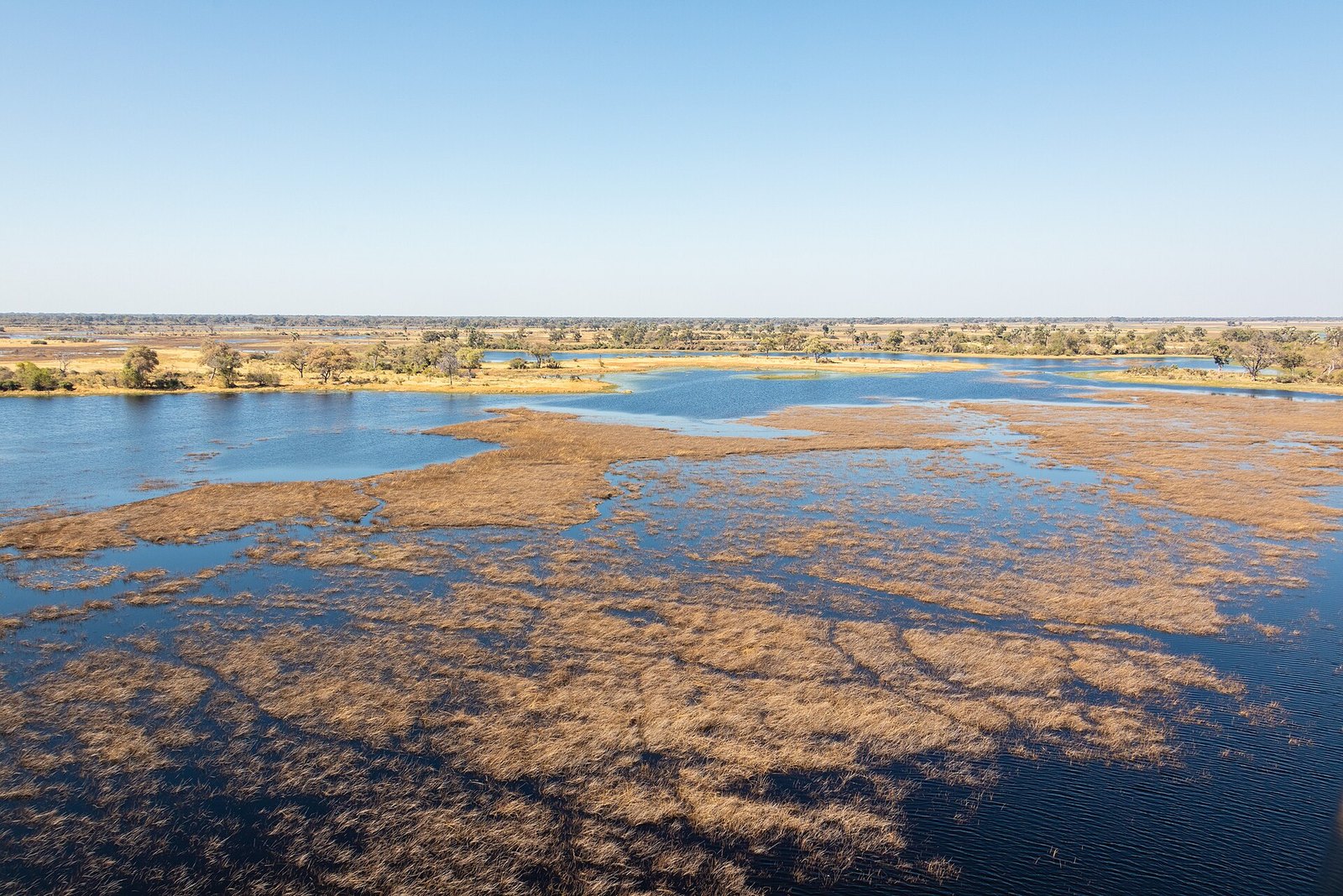
The north is different. The Okavango Delta, a vast inland wetland, became a UNESCO World Heritage Site in 2014. It anchors a high-price, low-volume safari industry and some of Africa’s largest elephant herds.
At independence in 1966 Botswana was one of the poorest countries in the world. Diamonds were found at Orapa the following year. The World Bank now classes it as upper-middle-income, with output of about US$7,800 per person in 2025.
That number hides a lot. Unemployment stood at 27.6 percent in the first quarter of 2024, the latest official survey figure. Moody’s also flags high youth unemployment and wide income inequality as the country’s main social risks.
Who runs Botswana and how
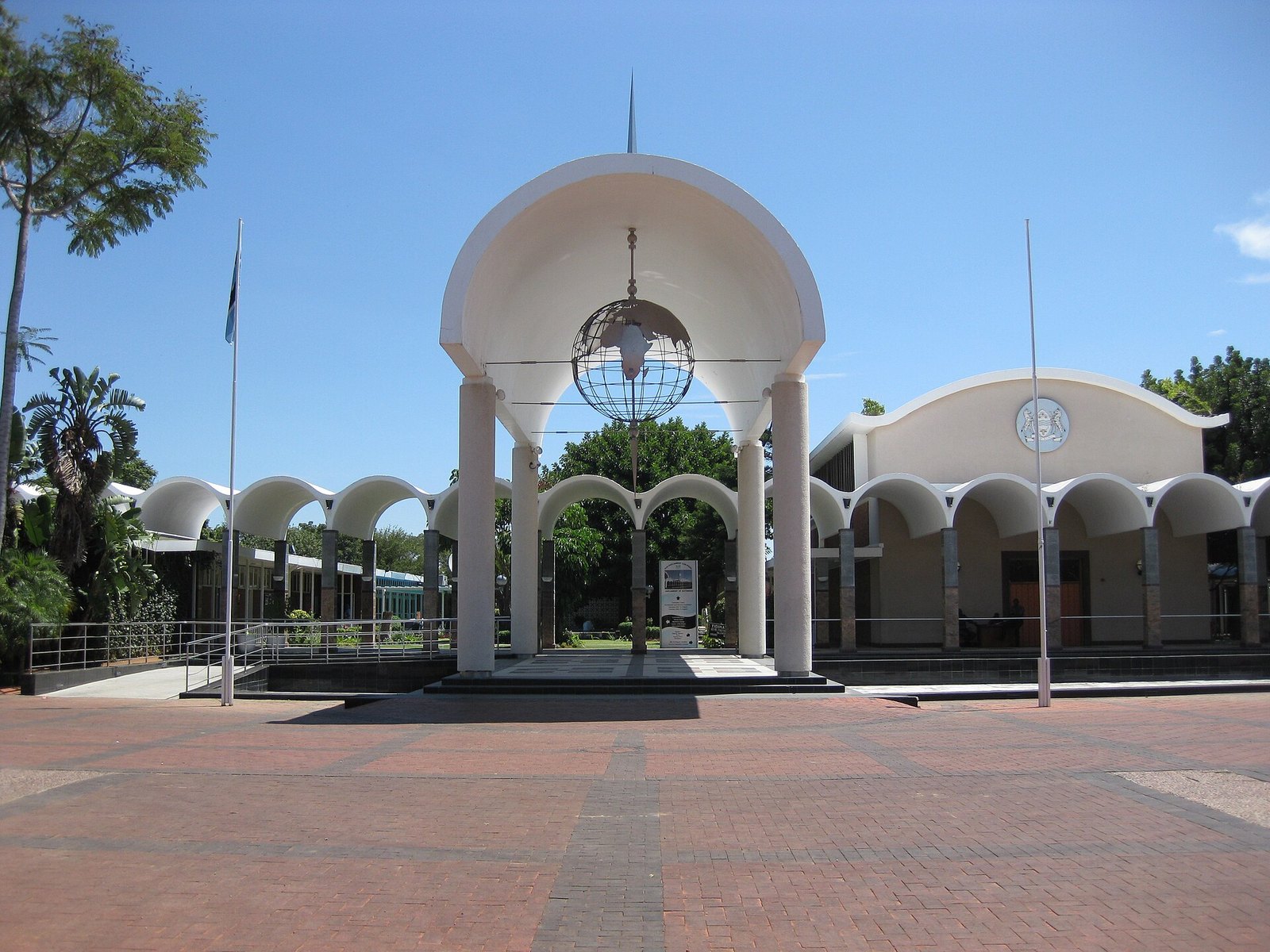
Botswana votes for a parliament, not directly for a president. After a general election, the National Assembly elects the president, who in practice is the leader of the largest party. A president may serve no more than ten years in total.
The National Assembly has 61 elected seats plus a handful of specially elected and ex officio members. A second body, the Ntlo ya Dikgosi or House of Chiefs, advises on customary law and tribal matters. It cannot block ordinary laws.
The Botswana Democratic Party governed from independence until October 2024. At the election on 30 October 2024 it fell to four seats. The Umbrella for Democratic Change, an opposition alliance, won 36 of 61.
Duma Boko, a lawyer and the alliance’s leader, was sworn in on 1 November 2024. The outgoing president conceded quickly, and power changed hands without dispute. Credit agencies still cite that transfer as proof of strong institutions.
As of September 2026, Ndaba Gaolathe is both vice-president and minister of finance. Dithapelo Keorapetse is Speaker of the National Assembly. The next general election is due in 2029.
How the economy works
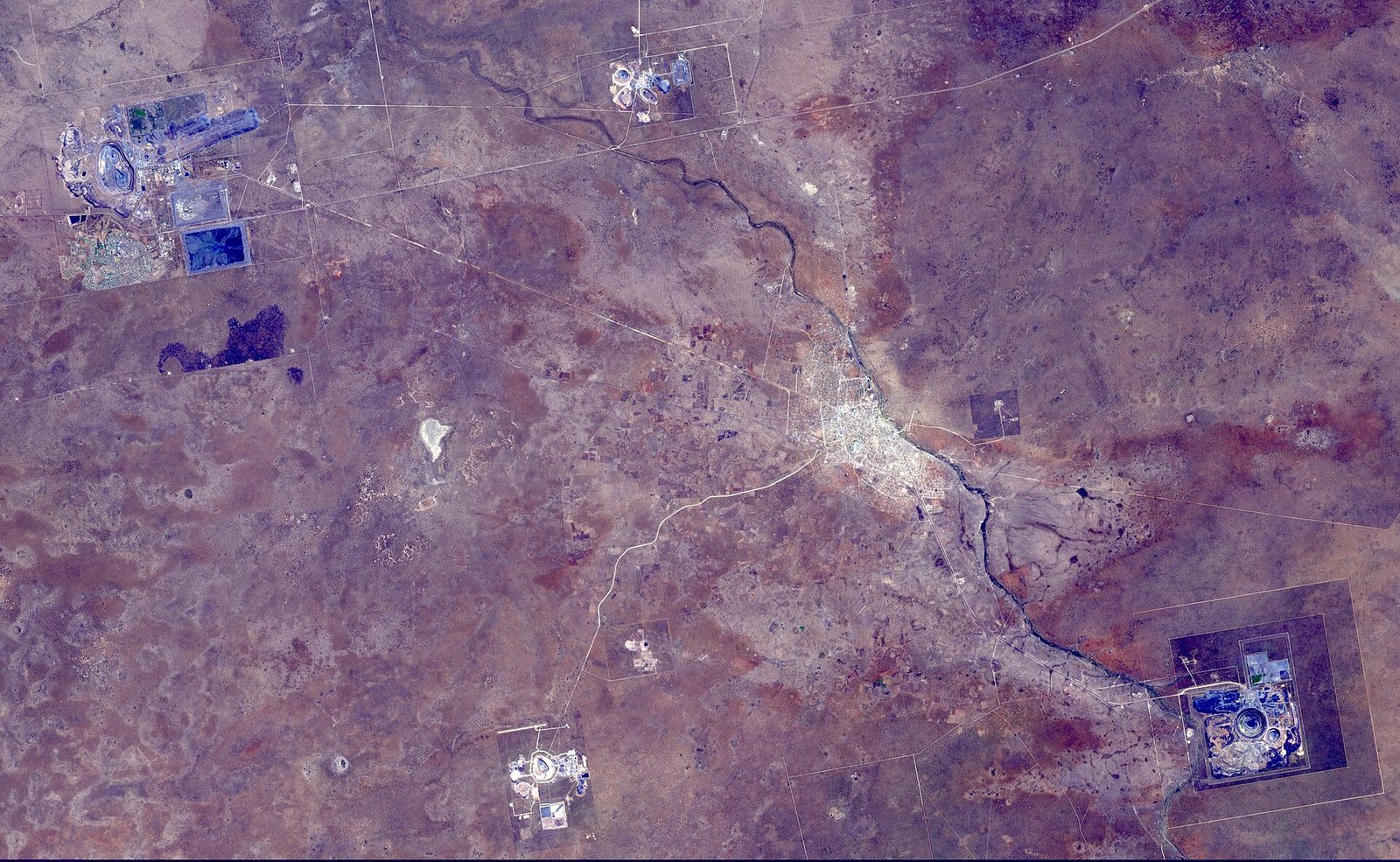
Diamonds are the core of everything. Debswana, a company owned 50:50 by the government and the mining group De Beers, runs the main mines at Jwaneng and Orapa. Diamonds made up 72.7 percent of goods exports in the third quarter of 2025, on central bank figures.
The state earns from diamonds three ways: royalties, taxes and dividends. It also owns 15 percent of De Beers itself. When stones sell well, the budget balances; when they do not, the government borrows.
A 2025 deal changed the terms. Under agreements signed on 25 February 2025, the state-owned Okavango Diamond Company now sells 30 percent of Debswana’s output. That share rises to 40 percent after five years, and to 50 percent if the deal is extended.
The same package extended Debswana’s mining licences to 2054. It also created a Diamonds for Development Fund, which De Beers opened with P1 billion (about US$75 million). The fund is meant to finance businesses outside mining.
The second big income source is the Southern African Customs Union, a customs pact with South Africa, Namibia, Lesotho and Eswatini. Botswana receives a share of the pooled customs revenue. Those transfers swing with South Africa’s trade, which Botswana cannot control.
The pula is managed against a 50:50 basket of the South African rand and the special drawing right, the International Monetary Fund’s unit of account. The Bank of Botswana lets the pula weaken by 2.76 percent a year against that basket. The aim is to keep local producers competitive.
What is happening right now
As of September 2026, Botswana is climbing out of a two-year recession. Output fell 2.8 percent in 2024 and 0.7 percent in 2025, as buyers turned away from natural diamonds. Growth returned in the first quarter of 2026, at 3.5 percent year on year.
Mining is recovering, but prices are not. De Beers produced 10.3 million carats in Botswana in the first half of 2026, against 7.2 million a year earlier. Its average realised price fell 32 percent, to US$105 a carat.
Prices at home jumped instead. Inflation hit 10.7 percent in June 2026, driven by fuel and electricity, and eased to 9.3 percent in August. The central bank’s target range is 3 to 6 percent.
The Bank of Botswana raised its policy rate by two points to 5.5 percent on 30 April 2026. It held it there in June and again on 27 August. Commercial banks were told not to raise their prime lending rates.
Public finances are the pressure point. Parliament raised the legal debt ceiling from 40 to 60 percent of output in March 2026. The finance minister stresses that the new limit is not a borrowing target.
New tax laws took effect on 1 July 2026. The top personal rate rose from 25 to 27.5 percent on income above P400,000 (about US$30,200) a year. Company tax rose from 22 to 24.5 percent, and VAT now applies to many foreign digital services.
On 22 September 2026 the finance minister cut the expected deficit for the year to March 2027 to 3.1 percent of output. In February he had forecast 8.9 percent. A larger transfer from the central bank did most of the work. He said the improvement does not remove the structural pressure.
The rating agencies remain cautious. S&P Global kept Botswana at BBB-, its lowest investment grade, with a negative outlook on 11 September 2026. Moody’s cut it one notch to Baa2 on 25 September, but moved the outlook to stable.
Livestock is a second worry. Foot-and-mouth disease, a cattle virus that does not harm people, broke out in January 2026. The European Union suspended Botswana beef imports after further outbreaks, and vaccination campaigns were still under way in September.
What to watch
Botswana marks 60 years of independence on 30 September 2026, with events in Gaborone and the districts. The celebrations run from an Independence Eve programme on 29 September into the national holiday.
The biggest decision is De Beers. Anglo American is selling its 85 percent of the company, and Botswana holds the right to match any buyer. The vice-president said in September that Botswana’s eventual stake will be “more than 15%”, without naming a number.
The central bank’s committee meets on 29 October and 3 December 2026. It expects inflation to stay above target until early 2027. It describes its stance as data-driven and sees the risks to inflation tilted upwards.
Watch diamond sales rather than diamond output. Mines can be reopened quickly, but the budget only benefits when stones sell at a decent price. The next budget speech, due in February 2027, will show how much of the recovery is real.
What this means for foreigners
Botswana explained for a visitor or investor comes down to a few rules. Entry is simple for most Western visitors. United States, British and many European passport holders need no visa for stays of up to 90 days. The government counts that limit per calendar year, not per trip.
Passports need six months’ validity and, for Americans, three blank pages. Visitor status does not allow any work, even remote-style services for local clients. Work and residence need separate permits from the Department of Immigration.
Tax residence usually follows a permanent home plus at least 183 days of presence in a tax year. A new Income Tax Act changed many details on 1 July 2026. Check your position with the Botswana Unified Revenue Service before relying on old rules.
The United States rates Botswana at Level 2, “exercise increased caution”, because of crime. Break-ins, muggings and thefts from cars are the main risks, not political unrest. Much of the country is remote, so medical evacuation cover matters.
For investors, Botswana still offers what it always has: courts that work, a peaceful transfer of power and low external debt. What it no longer offers is fiscal slack. Higher taxes are already part of the price of the diamond slump.
Connected Coverage
Namibia Explained 2026: The Country, the Oil Hopes, the Economy and What to Watch
Botswana Diamond Production Rises After Two Lost Years
Botswana Debt Climbs as President Boko Takes His Case to the UN
Foot-and-Mouth Disease Shuts Botswana Out of the EU Beef Market
Botswana, the World’s Diamond Capital, Pivots to Critical Minerals
South Africa Explained: The Country, the Coalition Government and What to Watch
Sources: Population and output from the World Bank and Statistics Botswana, monetary policy, the exchange-rate framework and export shares from the Bank of Botswana, budget and tax changes from the Ministry of Finance and Parliament, diamond output from De Beers, and entry rules from the Government of Botswana and the US State Department.
- Bank of Botswana — Monetary Policy Committee decision, 27 August 2026
- Bank of Botswana — Monetary Policy Committee decision, 30 April 2026
- Moody’s Ratings — Botswana downgraded to Baa2, outlook stable, 25 September 2026
- Botswana Daily News — finance minister on the 60 percent debt ceiling, 13 August 2026
- De Beers Group — production report, second quarter 2026
- RSM Botswana — tax laws effective 1 July 2026
- Government of Botswana — leadership
- US Department of State — Botswana country information
- World Bank — Botswana data
What Is Not Known
Who will own De Beers. A consortium led by a former De Beers chief executive was reported in July 2026 as Anglo American’s preferred bidder. Botswana has not said whether it will join that group, match it or seek another partner, and no price has been announced.
Whether the diamond recovery is durable. Output is up sharply, but prices are down and laboratory-grown stones keep taking market share. Nobody can say yet whether natural diamond demand has stabilised or merely paused.
How fast debt will rise. Moody’s expects debt of about 41 percent of output by March 2028, and about 50 percent by 2030. That depends on whether the new taxes raise what the government expects, which will only be clear in 2027.
When beef exports to Europe resume. The European Union decides when Botswana’s disease-free zones qualify again. Vaccination was still continuing in September 2026, and no date has been set.
Frequently Asked Questions
Who is the president of Botswana in 2026?
Duma Boko, a lawyer who leads the Umbrella for Democratic Change. He was sworn in on 1 November 2024 after his alliance won 36 of 61 elected seats, ending 58 years of Botswana Democratic Party rule. Ndaba Gaolathe is vice-president and finance minister.
Why do diamonds matter so much to Botswana?
Diamonds are most of what Botswana sells abroad, 72.7 percent of goods exports in the third quarter of 2025. The state shares in them through Debswana, its 50:50 venture with De Beers, and through royalties and taxes. When diamond sales fall, the budget falls with them.
Do Americans and Europeans need a visa for Botswana?
Most do not for tourism. United States, British and many European passport holders can stay up to 90 days in a calendar year without a visa. Passports need six months’ validity, and visitors may not work. Check your own nationality with a Botswana mission before travel.
What currency does Botswana use?
The pula, written P. It traded at about 13.26 pula to the US dollar on 25 September 2026. The central bank manages it against a 50:50 basket of the South African rand and the IMF’s special drawing right, letting it weaken slowly each year.
Is Botswana safe for visitors?
Botswana is politically stable, and power changed hands peacefully in 2024. The US State Department rates it Level 2, “exercise increased caution”, because of crime such as break-ins, muggings and thefts from cars. Much of the country is remote, so travel insurance with evacuation cover is sensible.
This article was produced by The Rio Times’ automated newsroom system. How we use AI · Report an error
Read More from The Rio Times