
GUIDES · ANGOLA
Key Facts
- —The country Angola, a southwestern African oil exporter, had 39.0 million people and a US$122.2 billion economy in 2025. It sits at the centre of a contest between Washington, Beijing, Brussels and the Gulf over oil, copper rail and loans.
- —Who governs President João Lourenço leads the MPLA, the party that has ruled since independence in 1975. A constitutional two-term limit means he cannot stand again when elections fall due in 2027.
- —Oil and China In 2025 Angola exported 357.1 million barrels of crude worth about US$24.4 billion. China took 58.6% of them and India 11.0%.
- —Debt China held 19% of Angola’s public debt stock in 2025, down from 34% in 2020. Domestic creditors held about 28% and the United Kingdom 22%.
- —Lobito corridor In December 2025 the US International Development Finance Corporation signed a loan of about US$553 million for the Lobito Atlantic Railway. The line carries Zambian and Congolese copper to the Atlantic.
- —Bases The constitution bars foreign military bases on Angolan soil. No great power is known to hold one as of October 2026.
Angola geopolitics comes down to one bargain: Luanda sells oil, minerals and port access widely, and promises its soil to none. For US readers it matters because Washington, Beijing, Brussels and Abu Dhabi are bidding for the same railway, refinery and diamond assets.
This guide covers each power in turn, from the United States and China to Russia, the European Union, the Gulf states, Turkey and India. All figures are dated and drawn from official releases or named regional reporting as of October 2026.
Angola in the Great-Power Contest
Angola had 39.0 million people and a gross domestic product of US$122.2 billion in 2025, with growth of 3.1%, World Bank data show. Oil still dominates its exports, so every buyer, lender and investor has a reason to court Luanda.
Since 2017 President Lourenço has courted US rail money while keeping China as the main oil customer. He has also signed deals with Abu Dhabi, Brussels and New Delhi.
The 2010 constitution sets the frame. Article 12 lists non-interference among the principles of foreign relations and says the state shall not permit foreign military bases on its territory.
The United States and the Lobito Corridor
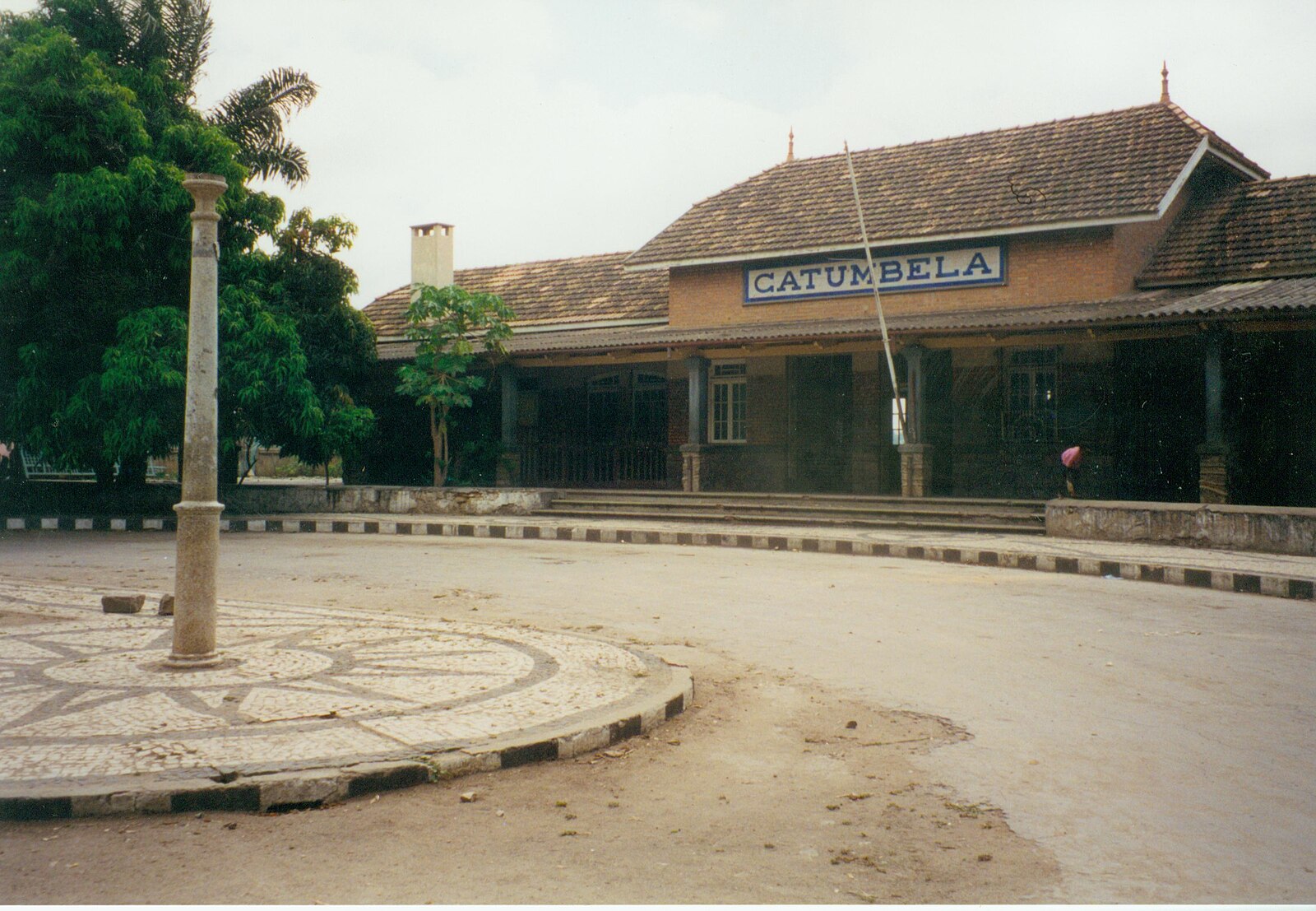
US interest centres on the Lobito Corridor, a railway of roughly 1,300 km from the Atlantic port of Lobito to Luau on the Congolese border. On 17 December 2025 the US International Development Finance Corporation (DFC) signed a loan for the Lobito Atlantic Railway.
Mining Weekly put the DFC loan at US$553 million, with US$200 million more from the Development Bank of Southern Africa. The operator, a consortium of Portugal’s Mota-Engil, the trader Trafigura and the rail firm Vecturis, won a 2022 contract to run the Benguela line for three decades.
DFC says the project will raise Lobito’s port capacity tenfold to 4.6 million tonnes and cut transport costs for critical minerals by up to 30%. It also says plainly that its investments aim to stop China and other strategic competitors from monopolising supply chains.
Beyond the railway, direct trade is small next to Angola’s oil sales to Asia. In 2024 Angola exported US$351.8 million of goods to the United States and imported US$410.2 million, Ver Angola reported.
Washington announced a 32% tariff on Angolan goods in April 2025 and cut it to 15% by executive order in August 2025. Oil, the main export, was little affected, Ver Angola reported.
Security ties are modest: US military aid pledged for 2020 to 2023 exceeded US$21 million. Only US$4.28 million had been paid by October 2024, the Institute for Security Studies noted.
In March 2026 the US chargé d’affaires in Luanda, Shannon Cazeavi, called Angola a very important and strategic partner after meeting the president. She pointed to his role in the peace process for eastern Congo under the Washington agreement of December 2025.
China, Oil and Debt
China is by far the largest buyer of Angolan crude. In 2025 it took 58.57% of the 357.10 million barrels exported, which earned about US$24.4 billion, the government said in January 2026.
India took 11% and Indonesia 8.28% over the full year. Together the three buyers took about 78% of the crude.
China was once Angola’s dominant lender, and its weight is shrinking. It held 19% of the debt stock in 2025 against 34% in 2020, said Dorivaldo Teixeira of the Public Debt Management Unit in January 2026.
Domestic creditors held about 28% of the stock in 2025 and the United Kingdom 22%. China ranked third.
Public debt dropped from 69% of GDP in 2021 to 50.5% in 2025, the same briefing showed. Collateralised debt owed to China fell from about US$16.3 billion in 2020 to about US$7.3 billion in 2025.
China may now help to build Angola’s own refinery. In February 2026 state oil company Sonangol sought a US$4.8 billion Chinese loan for the next phase of its US$6.2 billion Lobito refinery.
The finance ministry had said the money could come from China Development Bank. First output was expected in December 2027, and a Sonangol team was due in Beijing in April 2026.
A March 2024 state visit by Lourenço lifted ties with China to a global strategic partnership of cooperation, the Institute for Security Studies wrote. China and Russia were Angola’s main arms suppliers in 2020.
Russia and the Diamond Question
Russia’s ties with Angola date from the Soviet era, when Moscow backed the governing MPLA. They now rest on diamonds, arms and diplomacy, and Foreign Minister Sergei Lavrov visited Luanda in 2018 and 2023.
On 25 January 2023 Lavrov met his Angolan counterpart, Téte António, in the capital. António called the Ukraine war a threat to world peace and urged dialogue and a lasting ceasefire.
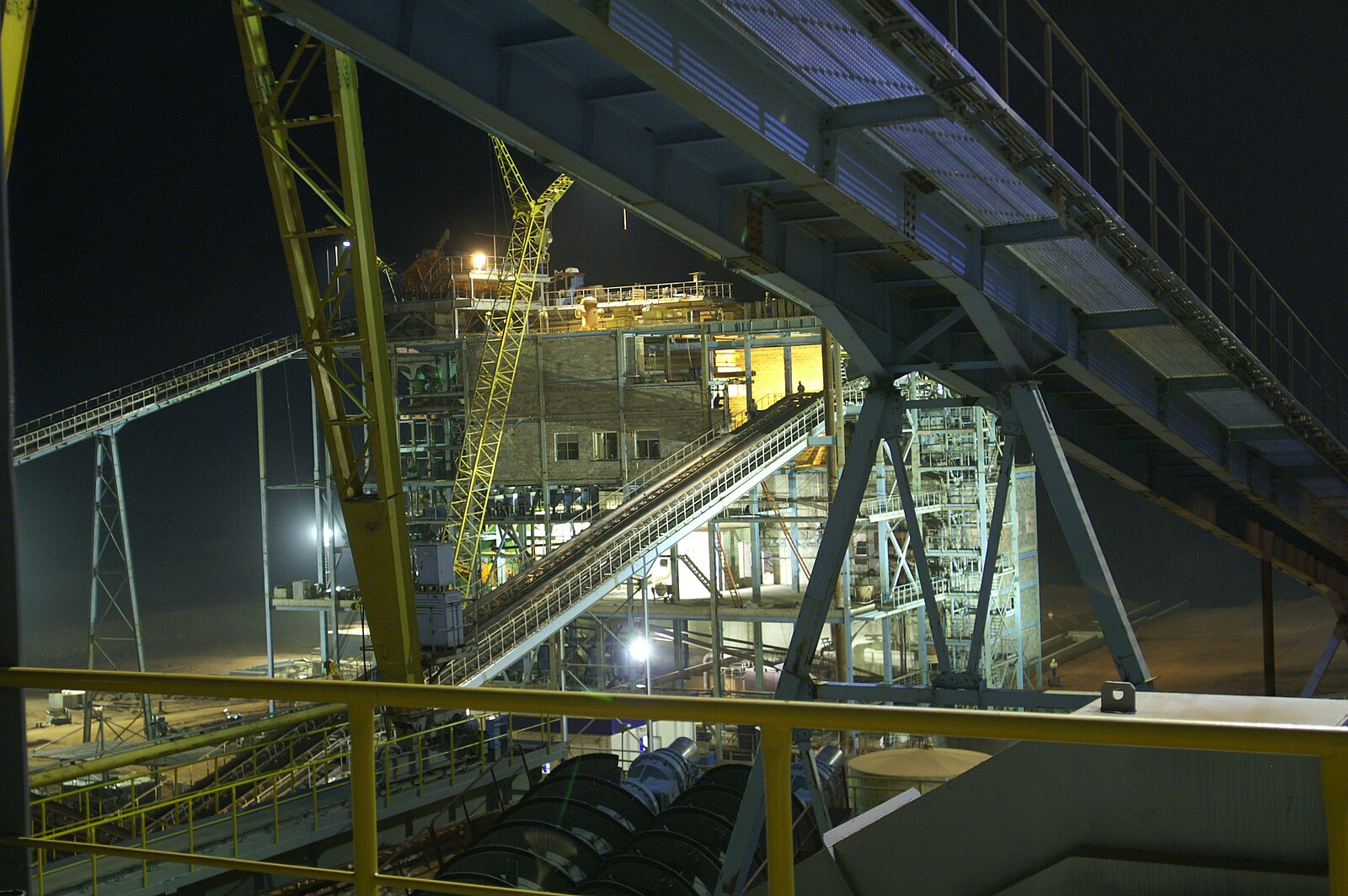
The Russian state miner Alrosa held 49% of the Catoca diamond mine, one of Angola’s largest, and is exiting it, Expansão reported on 20 January 2025. A presidential order of 9 January passed its Luele mining shares to the Maaden-Investment Group, with sale terms still under negotiation.
Sanctions on Russia and Alrosa lay behind the exit talks, the head of state diamond firm Endiama said in January 2024. Some external suppliers were pulling back, and some banks refused to work with Catoca.
No large new Russian project in Angola has been confirmed for this guide. Moscow’s role in the diamond sector is shrinking as Alrosa leaves.
The European Union and Portugal
Angola was the first country to sign a Sustainable Investment Facilitation Agreement, or SIFA, with the European Union. It took effect on 1 September 2024 and pairs investment promotion with environmental and labour commitments.
The EU also set a grant programme for Angola covering 2021 to 2027. Team Europe, a joint effort of the EU, the European Investment Bank, France, Portugal and the Netherlands, backs economic diversification.
The Lobito Corridor is the EU’s flagship in Angola and the first corridor under the G7’s infrastructure partnership. EU support includes a logistics platform at Caala, repairs to the EN140 road and a trade facilitation agency in Lobito.
On 5 May 2026 Planning Minister Victor Hugo Guilherme opened the third Angola-EU Business Forum in Luanda. He said relations had improved markedly and urged European investors to move into agribusiness, logistics and energy along the corridor.
Portugal, the former colonial power, is a member of Team Europe, and its group Mota-Engil is a partner in the Lobito railway. Angola won independence from Portugal on 11 November 1975.
The Gulf States, Turkey and India
The United Arab Emirates is the most active Gulf partner. After President Sheikh Mohamed bin Zayed’s first visit to Luanda in August 2025, Angola announced nearly US$6.5 billion of UAE investment.
The 44 agreements signed cover public finance, agriculture, health, education, artificial intelligence, mining, customs and military cooperation. Lourenço said they would create thousands of jobs, Ecofin Agency reported on 27 August 2025.
No comparable package from Saudi Arabia or Qatar has been confirmed for this guide. Gulf influence therefore rests mainly on Abu Dhabi.
Turkey’s footprint is smaller: at a meeting in Ankara on 27 July 2021, President Recep Tayyip Erdoğan and Lourenço set a trade target of US$500 million. Trade then stood at US$176 million.
Erdoğan called that volume very low and pledged support in Angola’s fight against terrorism. No larger Turkish project in Angola has been confirmed for 2026.
India is the second-largest buyer of Angolan crude, with 11% of 2025 exports. President Droupadi Murmu made the first state visit to Angola by an Indian head of state, from 8 to 11 November 2025.
The visit produced agreements on fisheries and consular cooperation, and Angola joined the International Big Cat Alliance and the Global Biofuels Alliance. The two presidents also agreed to widen cooperation into technology, health, agriculture and defence.
BRICS, the African Union and the United Nations
Lourenço held Angola’s first African Union presidency from February 2025 until Burundi’s Évariste Ndayishimiye took over on 14 February 2026. In July 2025 he attended the BRICS summit of large emerging economies in Rio de Janeiro in that role.
Angola attended as AU chair, not as a BRICS member. Its AU envoy, Miguel Bembe, said the presidency widened dialogue with the EU, Japan, CARICOM, the United States, India and the G20.
In October 2025 Lourenço restated Angola’s positions: lift the economic embargo on Cuba and back full sovereignty for Western Sahara. He also backs a two-state solution for Israelis and Palestinians and a negotiated end to the Ukraine war.
He wants at least two permanent African seats on the UN Security Council. At the General Assembly, Angola abstained on a Ukraine resolution in March 2022.
On 12 October 2022 Angola voted for a text on Ukraine’s territorial integrity, which passed 143 to 35 with 5 abstentions. It abstained again in February 2023, when a peace resolution passed 141 to 7 with 32 abstentions.
Its ambassador said one paragraph of the 2023 text was ill-timed and could undermine the Secretary-General’s peace efforts. Angola also leads the Luanda process, a mediation effort between Rwanda and the Democratic Republic of Congo, the Institute for Security Studies said in October 2024.
Angola has served four terms on the AU Peace and Security Council, Lourenço said in October 2025. He argues that its civil-war experience makes it a major actor in resolving African conflicts.
Oil, OPEC and Minerals: What Each Power Wants
Angola left OPEC with effect from 1 January 2024 after a dispute over production quotas. Its crude now goes mostly to China and India, outside any cartel quota.
- United States: a railway that moves copper and cobalt to the Atlantic, and a partner that is not tied to China, as DFC states.
- China: crude oil, repayment of older loans and a role in the Lobito refinery.
- Russia: continued diamond links and diplomatic goodwill, with Alrosa leaving Catoca.
- European Union: investment rules under SIFA and a stake in the Lobito Corridor.
- United Arab Emirates: ports, farming and energy projects, backed by announced pledges.
- India: steady crude supply and a wider partnership after the November 2025 state visit.
Angola’s constitution bars foreign bases, so none of these powers holds one on its territory. Security cooperation has centred on training, maritime security and demining.
What It Means for US Readers
For investors, the main exposure is oil and rail, with US majors such as Chevron among the offshore operators. The DFC-backed railway is designed to carry copper and cobalt to global markets.
For companies, Angola is a market where Chinese, Gulf and European rivals already hold ports, loans and concessions. Contracts are signed in a country that bars foreign bases but courts foreign capital from every direction.
For travellers and expats, Angolan politics is stable but a presidential election is due in 2027. Anyone planning a long stay should follow the campaign and the foreign-exchange rules before committing.
Connected Coverage
- Angola Explained: Oil, Politics, the Economy and What to Watch
- Angola and Its Neighbours in Southern Africa
- Angola Oil Revenue Hits US$8.91B as China Buys over Half
- Angola and the US Deepen Naval Ties at the Rabat Maritime Summit
- The Lobito Corridor: A New Railway for African Copper
- Who Backs Whom in Africa 2026: China, Russia, US, Gulf
- Angolans Abroad to Update Voter Data From January
- More Angola coverage from The Rio Times
What Is Not Known
It is not confirmed that Alrosa has completed its exit from Catoca, or at what price. The terms of Sonangol’s Chinese loan for the Lobito refinery after the April 2026 talks are also unclear.
It is not known how much of the nearly US$6.5 billion pledged by the UAE has been paid out. Nor is it clear how US tariff policy has changed since the August 2025 order.
Who will succeed Lourenço after the 2027 election, and how that person will balance the powers, is open. The next foreign minister and the future of the Lobito Corridor under a new government are also undecided.
Frequently Asked Questions
Is Angola aligned with the United States or China?
Neither exclusively. Angola sells most of its oil to China, takes US financing for the Lobito railway, and signs deals with the EU, the UAE and India.
Which country buys most of Angola’s oil?
China, which took 58.57% of the 357.10 million barrels Angola exported in 2025. India followed with 11% and Indonesia with 8.28%.
What is the Lobito Corridor and who is funding it?
It is a transport route that includes a railway of roughly 1,300 km from the port of Lobito to Luau, built to move copper from Zambia and Congo to the Atlantic. In December 2025 the US DFC signed a loan of about US$553 million, with US$200 million from the Development Bank of Southern Africa, Mining Weekly reported.
Does Angola host foreign military bases?
It does not. The 2010 constitution says the Angolan state shall not permit foreign military bases on its territory.
How has Angola voted on Ukraine at the United Nations?
It abstained in March 2022, voted in favour on 12 October 2022 and abstained again in February 2023. It says it backs territorial integrity and a negotiated peace.
What is Angola’s link with Russia today?
It rests on diamonds, diplomacy and older arms ties. Russia’s Alrosa held 49% of Catoca and is exiting it, Expansão reported in January 2025.
Sources: World Bank, Angola data; US DFC, Lobito Atlantic Railway loan, 17 December 2025; Mining Weekly, 18 December 2025; RTP, Angolan oil exports 2025, 29 January 2026; Ver Angola, oil exports Q4 2025; Ver Angola, public debt creditors 2025; Hydrocarbon Processing, Sonangol refinery loan, 26 February 2026; Ver Angola, US tariff cut, August 2025; Ver Angola, US chargé d’affaires, March 2026; Institute for Security Studies, 11 October 2024; Expansão, 19 January 2024; Expansão, 20 January 2025; Notícias ao Minuto, 25 January 2023; European Commission, Angola; AllAfrica, Angola-EU Business Forum, 5 May 2026; Ecofin Agency, 27 August 2025; Daily Sabah, 27 July 2021; IndBiz, India-Angola MoUs, November 2025; AllAfrica, Angola’s AU presidency, 1 February 2026; AllAfrica, Lourenço on conflict resolution, October 2025; Ver Angola, UN vote, February 2023; ANGOP, UN vote, 12 October 2022; Constitution of Angola, 2010. All accessed 19 October 2026.
Editorial responsibility: Matthias Camenzind, Editor-in-Chief · Editorial standards · Report an error
Part of our ongoing coverage
Africa: The New Scramble — the great-power contest over the continent.
City Guides in Angola
Events, rents, safety and practical guides, city by city.