ANGOLA · FOREIGN POWERS
Key Facts
- Oil buyers China bought US$16.29 billion of Angola’s goods in 2024, 41% of its US$39.37 billion of exports, with India second at 11%.
- Top supplier China sold Angola US$2.27 billion of goods in 2024, 15% of its imports, ahead of Portugal at US$1.43 billion.
- Foreign investment Net direct investment from abroad was US$2.22 billion in 2025, after net outflows of US$1.11 billion in 2024, as of October 2026.
- US trade US goods exports to Angola were US$1.18 billion in 2025 and imports US$871 million, a US surplus of US$306 million.
- Lobito railway The US International Development Finance Corporation signed the Lobito Atlantic Railway loan on 17 December 2025, backing about 1,300 kilometres of track.
- Foreign debt Angola owed foreign creditors US$58.7 billion at the end of 2024, about 80% of its national income.
Angola’s foreign partners are China, its biggest oil customer and top supplier, American and European oil companies that operate offshore blocks, and Western backers of the Lobito railway that carries Central African minerals to the Atlantic. As of October 2026 foreign direct investment is volatile, at US$2.22 billion in 2025 after a net outflow in 2024, and the state agency ANPG decides who may drill.

Angola’s Foreign Money at a Glance
Angola has 39.0 million people and an economy of US$122.2 billion in 2025, the World Bank’s figures show as of October 2026. The US State Department’s 2025 investment report calls it sub-Saharan Africa’s second-largest oil producer and says it remains dependent on oil revenues.
Foreign investment arrives in swings. Net direct investment from abroad was US$2.22 billion in 2025, after net outflows of US$1.11 billion in 2024 and US$2.12 billion in 2023, and a negative figure means foreign owners took out more than they put in.
Angola’s investment agency AIPEX puts foreign direct investment at US$2.5 billion in 2024, the State Department’s report says. The two figures use different methods, and the Rio Times guide to Angola’s economy and its key players covers who runs the economy behind them.
Foreign borrowing is large, with external debt of US$58.7 billion at the end of 2024, or 79.6% of national income, the World Bank’s data show. Money sent home by Angolans abroad is small by comparison, at US$52 million in 2025.
China, Oil Buyer and Lender
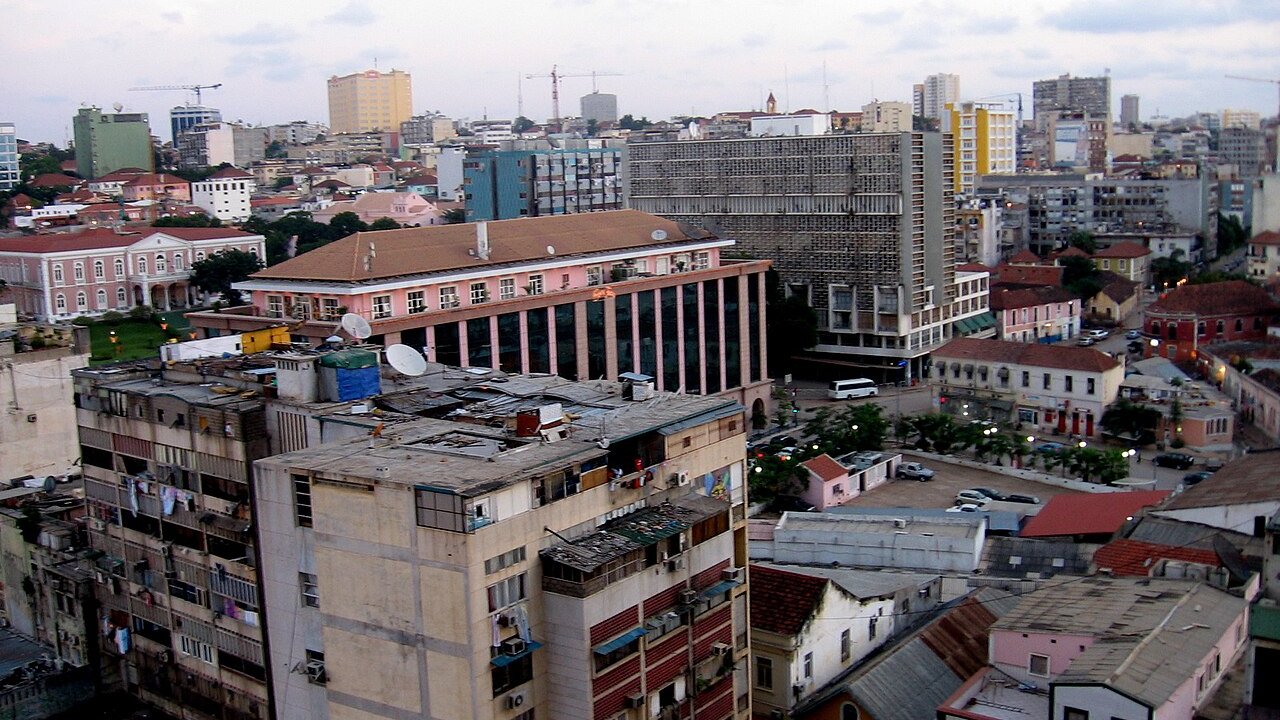
China is Angola’s largest customer by far. Angola’s customs data, collected by the United Nations trade database Comtrade, show US$16.29 billion of Angolan goods sold to China in 2024, which is 41% of its US$39.37 billion of exports.
Oil explains almost all of it. Mineral fuels made up US$34.36 billion of Angola’s exports in 2024, or 87%, and US$16.24 billion of the goods sent to China were mineral fuels.
China is also the largest supplier, though by a smaller margin. It sold Angola US$2.27 billion of goods in 2024, which is 15% of the US$15.00 billion Angola imported, ahead of Portugal at US$1.43 billion and the United Kingdom at US$1.14 billion.
China is a creditor as well as a customer. A report by the International Monetary Fund (IMF), the global crisis lender, published on 5 March 2025, says preliminary data show the authorities withdrew up to US$2 billion from an escrow account in 2024 to prepay debt to China.
The same report says an agreement with China partly relaxing the escrow conditions gave Angola a liquidity buffer. It also points to a shift from oil-backed commercial lending to market-based financing.
Angola and China signed an investment protection agreement in December 2023 that includes a dispute settlement mechanism and entered into force in June 2024, the State Department’s report says. In November 2022 Angola gave the 30-year Lobito rail concession to a Swiss, Portuguese and Belgian consortium rather than a Chinese consortium.
The Chinese embassy in Luanda lists meetings between Ambassador Zhang Bin and Angola’s foreign minister on 1 October 2026 and its telecommunications minister on 13 October 2026. On 28 October 2026 the embassy held an investment, business and security symposium attended by more than 80 people, including company representatives, members of the Chinese community and volunteers.
Oil Companies and the Gas Plant
Foreign companies hold large stakes in Angola’s offshore oil under contracts with the state. The State Department’s report says the agency ANPG, created in 2019 when the state oil company Sonangol handed over its regulatory role, is the national concessionaire for oil, gas and biofuels.
Chevron, the US oil major, says it has been in Angola since the 1930s and calls itself the country’s largest foreign oil industry employer. It operates Block 0 with a 39.2% interest, operates Block 14 with a 31% interest and holds 36.4% of the Angola LNG plant at Soyo, its website says.
Chevron says nearly 90% of its workforce in Angola is Angolan. ExxonMobil says it holds interests in deepwater blocks off Angola, that its net production there averaged 100,000 barrels of oil per day in 2024 and that it has a workforce of nearly 500.
Azule Energy, a joint venture of the British group bp and the Italian group Eni, calls itself the operator of 11 blocks in Angola, with more than 220,000 barrels a day, five producing facilities and over 900 employees, its website shows as of October 2026. On 5 October 2026 it announced that the Agogo floating production vessel in Block 15/06 had reached its highest output since first oil.
Angola left the Organization of the Petroleum Exporting Countries, announcing its exit in December 2023 because it said the group’s production cuts did not match its national interests, the State Department’s report says. The government sees independence from the group as a way to attract investment in future production.
Recent changes to production-sharing contracts cut the petroleum production tax from 20% to 15% and the income tax under those contracts from 50% to 25%, the same report says. The ANPG’s 2023 licensing round was open to national and foreign companies for blocks in the Lower Congo and Kwanza onshore basins.
Diamonds are the other large foreign-linked sector. The mining company Catoca names as its shareholders the state diamond company Endiama and Taadeen Investment, a subsidiary of Oman’s sovereign wealth fund, and calls itself the fourth-largest open-pit mine in the world and the source of more than 75% of Angolan diamonds.
The United States and the Lobito Corridor
The United States sells Angola more than it buys. Census Bureau figures show US goods exports to Angola of US$1.18 billion in 2025 and imports of US$871 million, a US surplus of US$306 million.
In the first eight months of 2026 US exports were US$528 million and imports US$501 million, a surplus of US$27 million, as of October 2026. In 2024 the balance was a US deficit of US$1.19 billion, when imports from Angola were US$1.87 billion.
The largest US commitment is the Lobito Corridor, a railway and port route that carries minerals from the Democratic Republic of Congo and Zambia to the Angolan coast. On 17 December 2025 the US International Development Finance Corporation (DFC), the US government’s investment arm, signed the loan agreement for the Lobito Atlantic Railway at a financial close in Washington.
The loan backs the rehabilitation of the port of Lobito and about 1,300 kilometres of rail to Luau on the Congo border, the DFC says. It expects Lobito’s transport capacity to rise ten-fold to 4.6 million metric tons and the cost of moving critical minerals to fall by up to 30%.
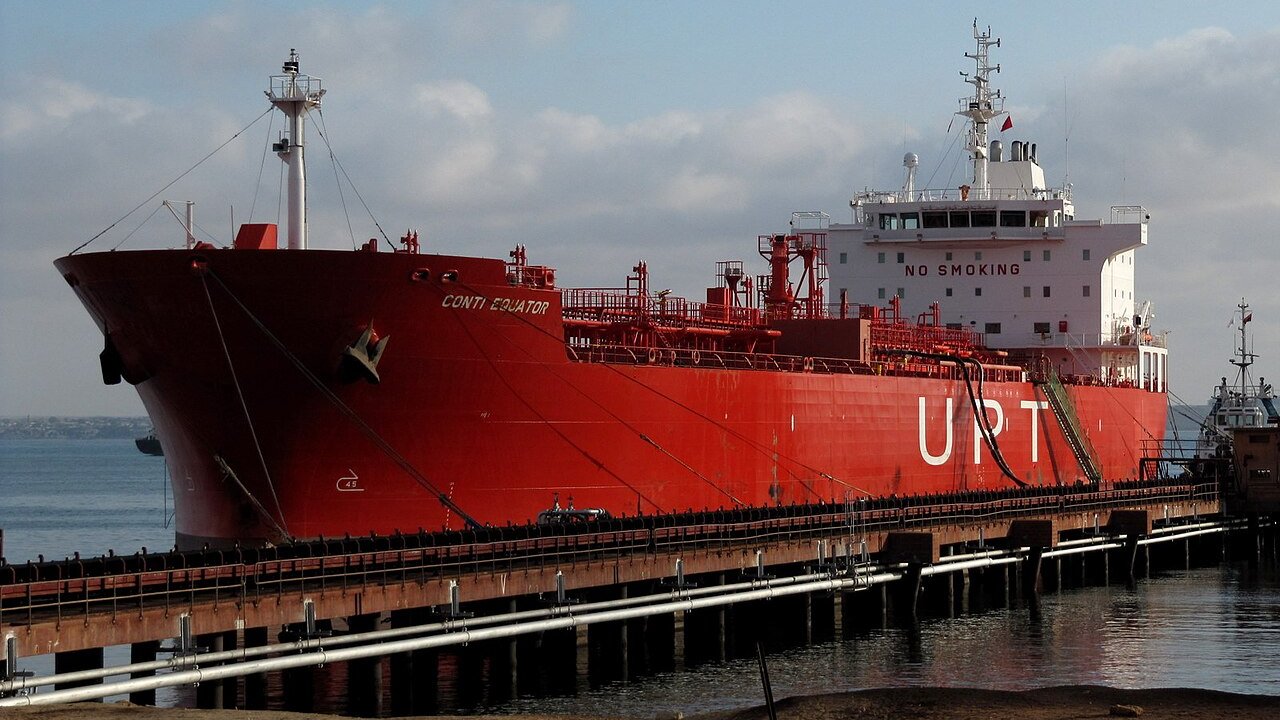
The State Department’s 2025 investment report puts the DFC’s committed direct loan at US$553 million. The railway concession, granted in November 2022 for 30 years, is run by Lobito Atlantic Railway, whose backers include the Swiss trader Trafigura and the Portuguese builder Mota-Engil, both named at the signing.
A joint statement from the United States and the European Commission on 4 December 2025 set out a declaration of intent on the Lobito Corridor and investment in the Great Lakes region, the State Department’s Angola page lists. The page also lists a five-year health memorandum signed on 19 March 2026, under which the State Department intends to provide US$71 million and Angola will invest US$50 million.
The State Department’s report says Angola was chosen to host the US-Africa Business Summit in June 2025, after a US presidential visit in December 2024. It adds that Angola has no bilateral tax treaty with the United States and that most of its transactions run through correspondent banks in Portugal and Europe rather than US banks.
Europe, Portugal and Other Partners
Europe sits in both columns of Angola’s trade. Spain bought US$2.54 billion of Angolan goods in 2024 and France US$1.54 billion, while Portugal sold Angola US$1.43 billion and the United Kingdom US$1.14 billion.
Portugal’s ties run through law and finance as well as trade. The State Department’s report says Angola’s legal system is heavily influenced by Portuguese law and that Angolan investors prefer to invest in Portuguese-speaking countries.
The European Union and Angola signed a Sustainable Investment Facilitation Agreement in November 2023, which entered into force in September 2024 and which the State Department’s report calls the first EU agreement of its kind. Angola has bilateral investment treaties in force with Cabo Verde, Germany, Italy, Russia, Brazil and Portugal, the same report lists.
India is the second-largest buyer, taking US$4.24 billion of Angolan goods in 2024, or 11% of exports. Singapore took US$1.39 billion, the United Arab Emirates US$1.24 billion and Brazil US$1.12 billion.
Japan and Angola signed an investment treaty in August 2023 that entered into force in 2024, the State Department’s report says. Nigeria’s Access Bank bought Standard Chartered’s Angolan branches in November 2024, and 25 banks were authorised to operate in Angola as of January 2025.
Debt, Lenders and the Investment Climate
The IMF’s country page says as of October 2026 that its last board consultation with Angola was on 20 February 2025. Its database, read in October 2026, puts general government gross debt at 52.9% of output in 2025, down from 55.0% in 2024.
The State Department’s report says more than half of the 2025 budget was set aside for debt service. It adds that the president approved a new series of eurobonds of up to US$1.5 billion in December 2024.
Angola has also been selling state assets to raise money. Its privatisation programme had raised US$1.1 billion at the time of the State Department’s 2025 report, which names the airline TAAG, the mobile operator Unitel, the BODIVA stock market and Sonangol as planned sales.
Investors cite corruption and a slow, opaque court system as the main obstacles, the report says, and Transparency International ranked Angola 121st of 180 countries in 2024. The report adds that the Financial Action Task Force, the global anti-money-laundering watchdog, placed Angola on its grey list of jurisdictions under closer monitoring on 25 October 2024, and the watchdog’s list of 13 February 2026 still named Angola.
Embassies and Diplomats
The US embassy in Luanda is led by chargé d’affaires Shannon Cazeau, a diplomat who runs a mission when there is no ambassador, and who also serves as chargé d’affaires in São Tomé and Príncipe, the embassy site says. The European Union’s delegation is headed by Ambassador Rosário Bento Pais, and China’s ambassador is Zhang Bin.
For the wider diplomatic map, see the Rio Times explainer on Angola’s geopolitics, and for the railway and ports see its piece on the Lobito Corridor and African ports. Current coverage of the country is collected on the Rio Times Angola page.
What It Means for US Readers
Angola matters to Americans as an oil producer in which Chevron and ExxonMobil hold large stakes and as the Atlantic end of a US-financed route for Central African minerals. The State Department’s report says Angola potentially holds deposits of chromium, cobalt, graphite, lithium, nickel and uranium.
US companies compete with Chinese, European and Asian firms for oil, mining and construction work in a country where the state agency ANPG grants the oil rights. The US goods surplus of US$306 million in 2025 shows American equipment going in, while US imports from Angola fell by more than half from 2024.
As of October 2026, Angolan nationals face limits on entry to the United States under Presidential Proclamation 10998, in force since 1 January 2026. The proclamation, signed on 16 December 2025, suspends entry as immigrants and on visitor, student and exchange visas, subject to exceptions and case-by-case waivers.
Investors and travellers should check the State Department’s current advisory and investment report before committing money or planning a trip. This guide covers foreign money and power, not security or health conditions.
What Is Not Known
The share of Angola’s external debt owed to China is not given in the World Bank, State Department and IMF documents cited here, so it cannot be stated. The size of any new Chinese lending since the 2024 prepayment is also unknown.
The DFC release gives no loan amount, and the volume of minerals now moving on the Lobito railway is not published in the sources cited. How much of the US$553 million commitment has been paid out is unknown.
The latest list of the Financial Action Task Force read here, dated 13 February 2026, still names Angola, and any change since then is not confirmed. Whether the eurobond approved in December 2024 has been issued is also not confirmed in the sources cited.
Frequently Asked Questions
Who buys most of Angola’s exports?
China, which bought US$16.29 billion of Angolan goods in 2024, or 41% of the total. India was second with US$4.24 billion, Angola’s customs data show.
Which US companies operate in Angola?
Chevron and ExxonMobil both produce oil offshore. Chevron says it has been in Angola since the 1930s and holds 39.2% of Block 0, 31% of Block 14 and 36.4% of Angola LNG.
What is the Lobito Corridor?
It is a rail and port route that carries minerals from Congo and Zambia to the Angolan coast. The US development bank DFC signed the Lobito Atlantic Railway loan on 17 December 2025.
Why did Angola leave OPEC?
Angola announced in December 2023 that it was leaving OPEC, saying production cuts did not match its national interests. The State Department’s 2025 report says the government sees independence as a way to attract investment.
How much does Angola owe foreign creditors?
External debt was US$58.7 billion at the end of 2024, or 79.6% of national income, the World Bank’s data show. The IMF’s database puts general government gross debt at 52.9% of output in 2025.
Does the United States sell Angola more than it buys?
In 2025 yes: US goods exports were US$1.18 billion and imports US$871 million, a surplus of US$306 million. In 2024 the balance was a US deficit of US$1.19 billion.
Can Angolan nationals get US visas?
Mostly not, as of October 2026: a presidential proclamation in force since 1 January 2026 suspends entry of Angolans as immigrants and on visitor, student and exchange visas, with exceptions and waivers. The rule is reviewed every 180 days, so it could change.
Sources: World Bank indicators for Angola (FDI, remittances, external debt, output), read 30 October 2026; UN Comtrade, Angola reporter data for 2024; US Census Bureau, trade in goods with Angola; IMF, Angola country page; IMF, Angola 2024 Article IV consultation, 5 March 2025; US State Department, 2025 Investment Climate Statement for Angola; US State Department, Angola page; DFC, Lobito Atlantic Railway loan signing, 17 December 2025; Chevron in Angola; ExxonMobil in Angola; Azule Energy; Sociedade Mineira de Catoca; Presidential Proclamation 10998, 16 December 2025; US Embassy Luanda; EU Delegation to Angola; Chinese Embassy in Angola.
Editorial responsibility: Matthias Camenzind, Editor-in-Chief · Editorial standards · Report an error
Expat Guide to Angola
What The Rio Times publishes for foreigners who live in or move to Angola.
Understand Angola