
ANGOLA · OIL & BUDGET
Oil prices have fallen sharply since late October, and Brent, the international oil benchmark, traded at about US$98 a barrel on Friday 6 November. Angola’s 2027 budget assumes US$71, still well below that level, so the cushion remains but the windfall of recent months is shrinking fast.
Angola’s National Assembly, the parliament in Luanda, holds its general vote on the budget bill, which the government puts at about 37.3 trillion kwanzas, Angola’s currency (about US$40.6 billion at about 920 kwanzas per US$), on Thursday 12 November. For US readers, the move touches fuel prices, oil investors and Angolan government debt.
Key Facts
- Price Brent futures traded near US$98 on 6 November; spot, the immediate-delivery price, was US$107.03 on 3 November.
- Budget Angola’s 2027 budget assumes US$71 a barrel, US$10 above the 2026 plan.
- Vote The National Assembly debates and holds its general vote on Thursday 12 November 2026.
- Exports Crude is Angola’s main export; the 2027 budget assumes about 1 million barrels a day.
- Watch Whether Brent holds above the US$71 reference price in the coming week.
What Happened to Oil This Week
Brent was US$128.30 a barrel on 23 October and US$120.15 on 30 October, based on daily spot prices, the price for immediate delivery, from the US Energy Information Administration. On election day, Tuesday 3 November, the spot price stood at US$107.03.
By Friday 6 November, Brent futures, the contracts that set the market price for later delivery, traded near US$98 a barrel. The weekly fall was more than 12%, depending on the contract and the measure; see our oil wrap of 6 November.
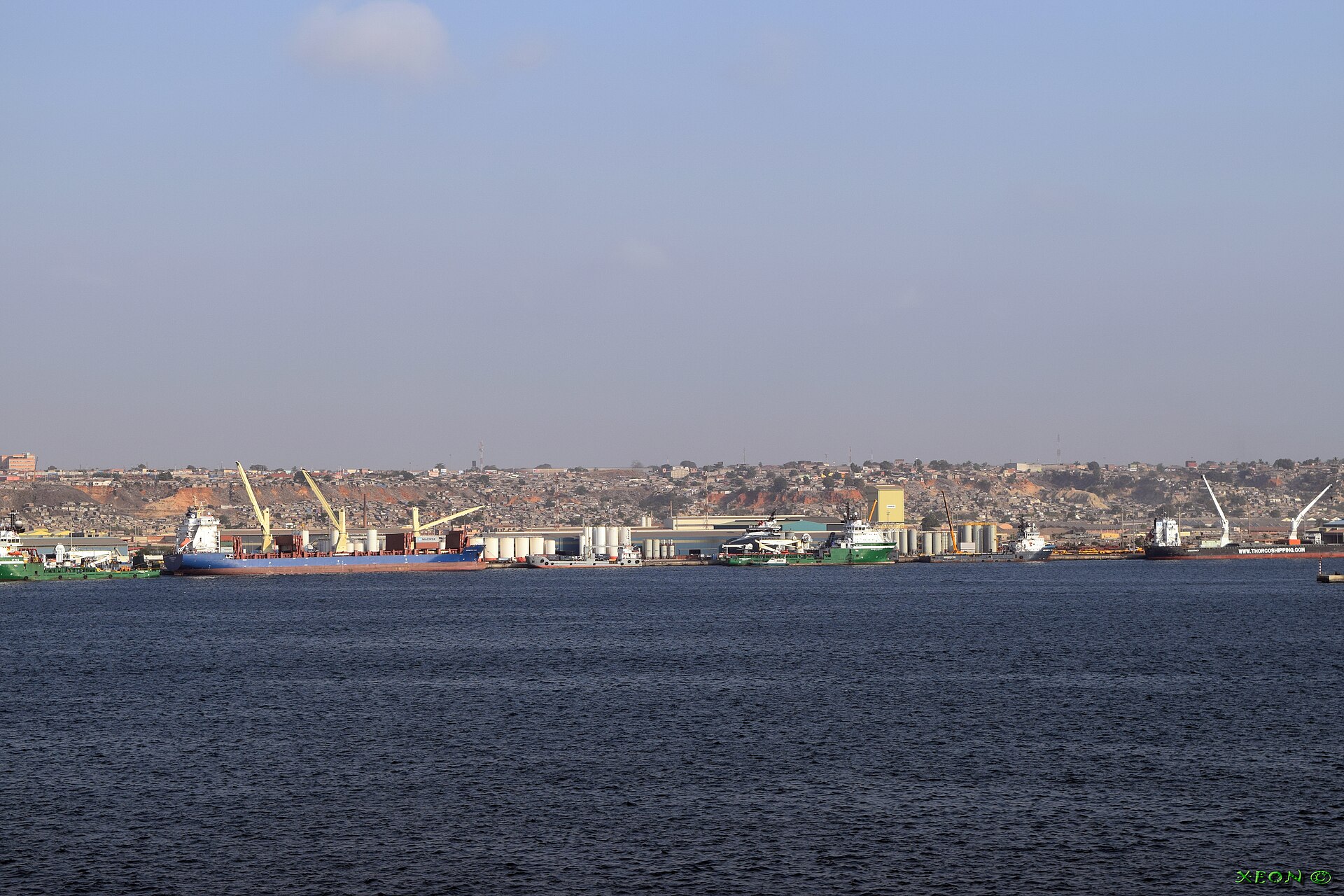
Traders and analysts say the slide began before the US midterm elections, the vote halfway through a presidential term, held on Tuesday 3 November. They say hopes that the US conflict with Iran in the Gulf, which has pushed fuel prices up, may ease have driven it, and some link the Republican losses in that vote to those hopes.
These are market interpretations rather than established facts, and fuel prices and inflation were also issues in the vote. Wider markets were under pressure too, and we do not claim a cause for that.
On Wall Street, the S&P 500 closed down 4.4% at 7,353.73 on Thursday 5 November, the Nasdaq Composite fell 5.5% to about 24,315, and the Dow Jones Industrial Average fell 3.4% to 51,523.06. Japan’s Nikkei 225, the country’s main stock index, fell 6.0% on Friday to 57,434.77.
Why Angola Feels It
Crude is Angola’s main export and a leading source of state revenue. Our report on oil exports in the third quarter shows how large that stream is.
Angola announced in December 2023 that it would leave OPEC, the Organization of the Petroleum Exporting Countries, the oil cartel, and left on 1 January 2024. The 2027 budget proposal assumes oil output of about 1 million barrels a day.
Volume is therefore a second variable beside price.
The Budget Cushion
The reference price, the oil price a government assumes when it estimates revenue, is US$71 a barrel for 2027. That is US$10 above the US$61 in the 2026 budget.
At near US$98, Brent futures trade roughly US$27 a barrel above the reference price. Two weeks earlier, the spot price of US$128.30 on 23 October stood more than US$57 above it.
The Counter-Argument
The US$71 reference sits well below today’s price, so a price near US$90 would still bring in revenue above plan. The budget arithmetic is not the main worry.
The risk lies in debt service, the cost of paying interest and principal on government borrowing, and in the pace of the fall. If prices keep sliding below about US$71, the cushion disappears.
That is arithmetic, not a forecast. It also assumes output stays near the budget’s figure of about 1 million barrels a day.
What It Means for US Readers
Lower crude helps US drivers and importers, and our report on Angola’s sales to the US shows how trade links run. The price also matters to US investors in Angola.
Those who hold Angolan Eurobonds, which are dollar bonds the government sells abroad, or shares in oil majors with Angolan blocks watch the price closely. A fall toward the reference price would move attention from windfall to debt service.
What Is Not Known
Where Brent trades in the coming week is not known, nor whether the hopes of easing in the Gulf conflict hold. The exact weekly fall depends on the contract and the measure, and we do not call it a record.
The final text of the budget after the vote on 12 November is also open. Any change to the US$71 reference price would alter the arithmetic above.
Sources: US Energy Information Administration, Brent daily spot price; Angola Ministry of Finance, 2027 budget proposal, and National Assembly calendar; published closing levels of the S&P 500, Nasdaq Composite, Dow Jones Industrial Average and Nikkei 225 for 5 and 6 November 2026; Brent futures quotes of 6 November 2026.
Frequently Asked Questions
How does the oil price affect Angola’s budget?
Crude is Angola’s main export and a leading source of state revenue, so the price sets how much money the state can count on. A price above the budget’s US$71 reference adds revenue over plan.
What oil price does Angola’s 2027 budget assume?
The proposal uses a reference price of US$71 a barrel, US$10 above the US$61 in the 2026 budget. Parliament votes on it on Thursday 12 November 2026.
Why have oil prices fallen this week?
Traders and analysts point to hopes that the US conflict with Iran in the Gulf may ease, and some link the Republican losses in the 3 November midterms to those hopes. That is a market interpretation, not an established fact.
This article was produced by The Rio Times’ automated AI newsroom. Editorial responsibility: Matthias Camenzind, Publisher and Editor-in-Chief. The Rio Times also runs Ask Rio Times, which answers from 100,000+ of our own articles, the daily Latin America Power Map, and prediction-market odds on elections and markets.. How we use AI · Report an error