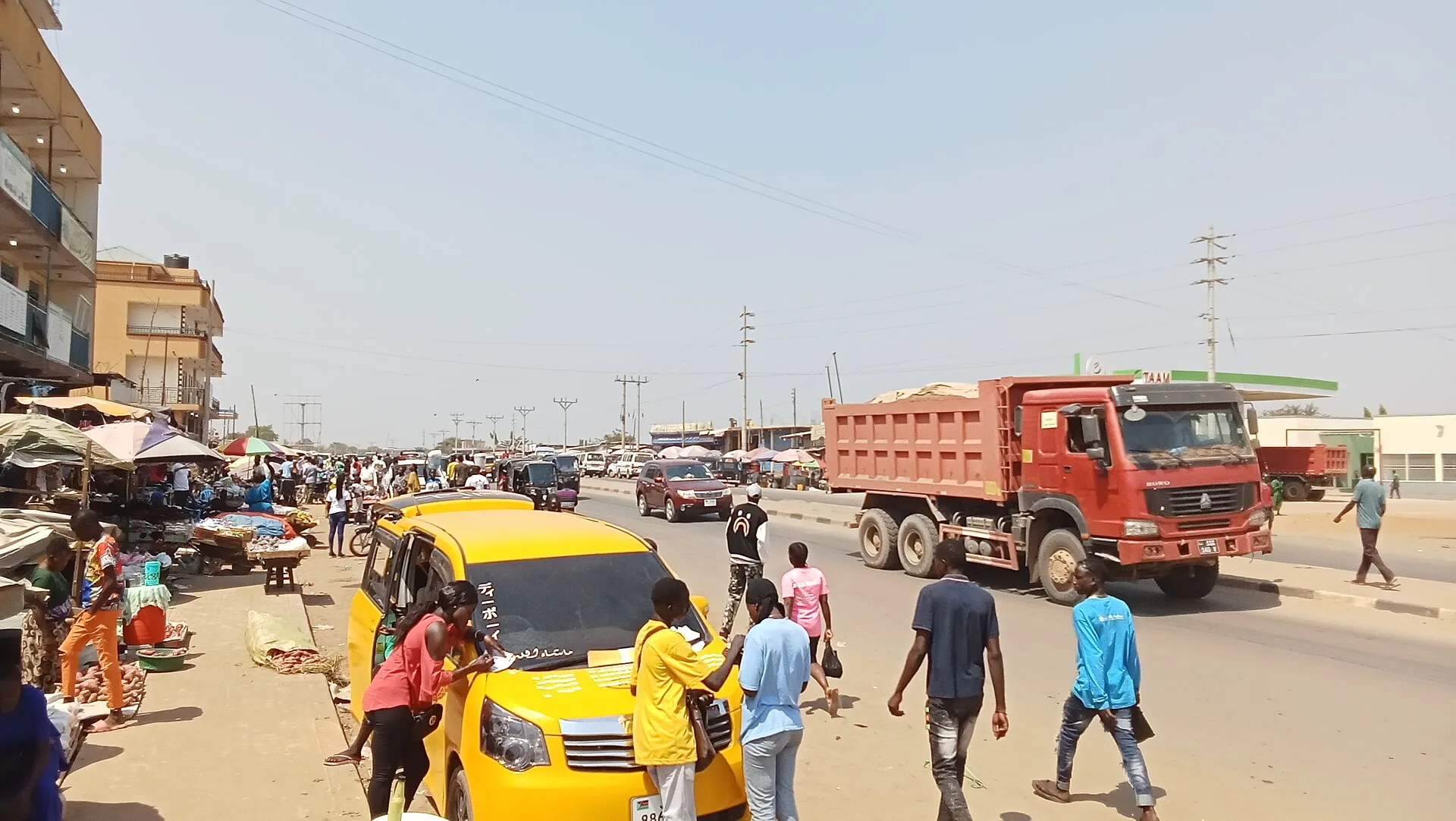
Human Rights: South Sudan
Amnesty International says warnings reached both South Sudan’s authorities and the United Nations peacekeeping mission, known as UNMISS, before armed men attacked Abiemnom, and that neither stopped the killing of more than 200 people.
Amnesty International, the global human rights group, said on 12 November 2026 that South Sudan’s authorities and the UN peacekeeping mission failed to prevent an attack on the town of Abiemnom that killed more than 200 people on 1 March. The United States is the largest assessed contributor to UN peacekeeping, meaning the biggest payer of its compulsory budget, so findings about a UN mission draw close attention in Washington.
Amnesty’s report, titled “The Abiemnom Massacre: Inaction and Impunity in South Sudan”, calls on the authorities to investigate the killings and support survivors. It also asks why the UN mission, known as UNMISS, where about 1,000 people sought protection, sent extra police only after the attack.
Key Facts
—Who. Amnesty International faults South Sudan’s authorities and the UN mission, UNMISS.
—What. A raid on Abiemnom town on Sunday 1 March 2026 killed more than 200 people, Amnesty says.
—Toll. Authorities counted at least 213 dead: 130 residents, 76 security personnel and seven foreign nationals.
—Warnings. Amnesty says both knew two weeks ahead that an attack was likely.
—Next. Amnesty wants an independent investigation by South Sudan and a public UN review.
What Amnesty Found
Amnesty says between 1,000 and 1,500 armed men from Mayom County in Unity State, a state in northern South Sudan, attacked Abiemnom on the morning of 1 March. The four-hour assault hit a town in the Ruweng Administrative Area, a region of northern South Sudan near Sudan’s border.
The attackers burned homes and the market, looted property and ransacked the local hospital. Amnesty says satellite images showed more than 230 structures destroyed by fire.
The Warnings Before the Attack
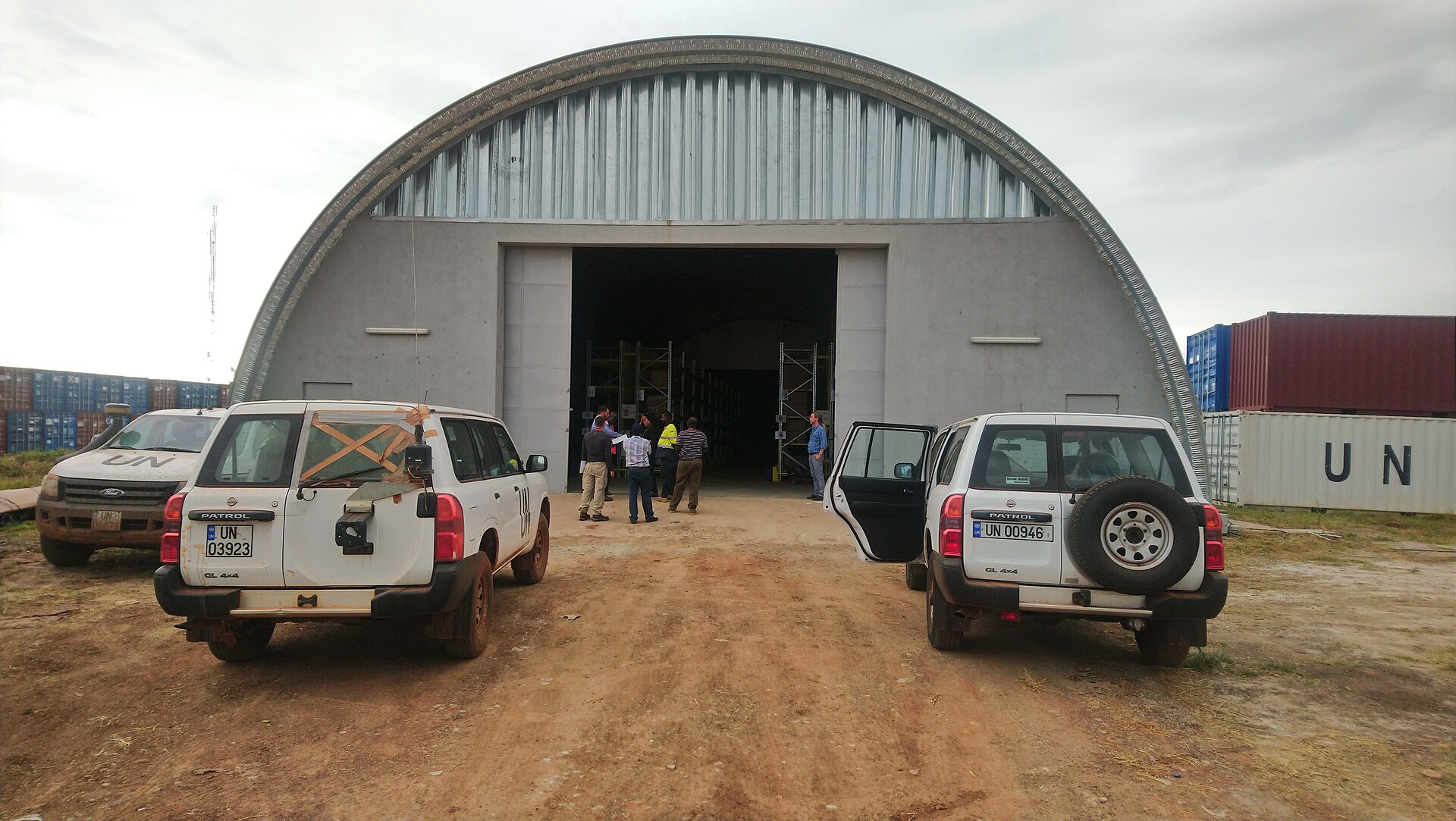
Amnesty says the authorities and UNMISS knew about two weeks in advance that an attack was likely. About 48 hours before it, roughly 1,000 people sought protection at or near the UN mission’s Temporary Operating Base, a small UN field base, on the edge of town.
Amnesty documented seven killings outside the base’s rear gates. After the massacre, UNMISS temporarily sent 40 members of its Formed Police Unit, a deployable UN police unit, to Abiemnom, which Amnesty says raises the question of why they were not there before.
How the Authorities and the UN Responded
Amnesty says it wrote twice to South Sudan’s authorities and received no reply. UNMISS answered Amnesty’s questions by describing the steps it took before, during and after the attack, and Amnesty says that account is reflected in its report.
In March, UNMISS said it was sheltering more than 1,000 civilians inside its base. Tigere Chagutah, Amnesty’s regional director for East and Southern Africa, said: “This is one of South Sudan’s largest documented massacres since 2020.”
What Amnesty Wants
Amnesty asks South Sudan for a prompt, independent and impartial investigation, a credible parliamentary inquiry, fair trials for suspects, and medical, psychosocial and livelihood support for survivors. It asks UNMISS for an independent review of its response before, during and after the attack, with the findings made public.
Amnesty links the raid to the unresolved killing of several young men from Mayom in February 2026. It describes that as the reported trigger, not a proven cause.
What It Means for Readers Abroad
Amnesty’s call for a public UN review would, if accepted, set out what UNMISS did before, during and after the attack. Travellers should note that the US State Department lists South Sudan at Level 4, its highest warning, Do Not Travel, in an advisory dated November 2025.
South Sudan’s fragile politics are a wider backdrop to the report. They are covered in our UN envoy report on the election consensus and our report on four registered party alliances.
What Is Not Known
The authorities have not answered Amnesty’s two letters, so their response to its findings is not known. Amnesty gives no separate death toll of its own beyond “more than 200”, so the official count of 213 is the most precise figure available.
It is also not known how many troops UNMISS had at the base on the day, or what it did in the hours of the assault beyond the account in Amnesty’s report. Amnesty asks for a public UN review to answer those questions.
Frequently Asked Questions
What happened in Abiemnom on 1 March 2026?
Between 1,000 and 1,500 armed men from Mayom County attacked Abiemnom town in a four-hour assault. Amnesty says more than 200 people were killed.
What does Amnesty accuse the UN mission of?
Amnesty says UNMISS had warnings of a likely attack but did not prevent it. It questions why extra police arrived only after the massacre.
How many people died?
Amnesty says more than 200. South Sudan’s authorities counted at least 213: 130 residents, 76 security personnel and seven foreign nationals.
Has South Sudan responded?
Amnesty says it wrote twice to the authorities and received no reply. UNMISS did respond, and Amnesty says its answer is reflected in the report.
Sources: Amnesty International, “South Sudan: Authorities, UN must investigate failure to protect victims of Abiemnom massacre”, 12 November 2026, and its report “The Abiemnom Massacre: Inaction and Impunity in South Sudan”; UN Mission in South Sudan statement of March 2026.
This article was produced by The Rio Times’ automated AI newsroom. Editorial responsibility: Matthias Camenzind, Publisher and Editor-in-Chief. The Rio Times also runs Ask Rio Times, which answers from 100,000+ of our own articles, the daily Latin America Power Map, and prediction-market odds on elections and markets.. How we use AI · Report an error
Horn of Africa and the Red Sea
- Horn of Africa 2026: Why It Matters and Who Backs Whom
- Ethiopia’s Neighbors Explained, Ports, Eritrea, Somalia
- Eritrea Explained 2026, a Red Sea Country Guide
- Somalia Explained: Al-Shabaab, Somaliland, the Ports and the Fight Over a 2026 Vote