Vía Navegable Argentina Takes Over the Paraná Export Waterway

ARGENTINA · TRADE
Key Facts
- —The handover Vía Navegable Argentina (VNA) has begun operating the Paraná-Paraguay waterway under a 25-year concession.
- —The owners VNA is the consortium of Belgium’s Jan De Nul and Argentina’s Servimagnus, awarded the contract in June.
- —The first decision A 13.5 percent toll cut, from US$4.30 to US$3.80 per net register ton, took effect in September.
- —The saving The company estimates the cut will save farm exporters between US$375 million and US$456 million a year.
- —The scale The corridor gathers about 60 port terminals and carries roughly 80 percent of Argentina’s exports.
- —The next step Channel-deepening works to 40 feet start once environmental studies are complete.
The river that carries four out of every five dollars of Argentine exports is now in private hands for a generation. The new operator’s first move was to charge less.
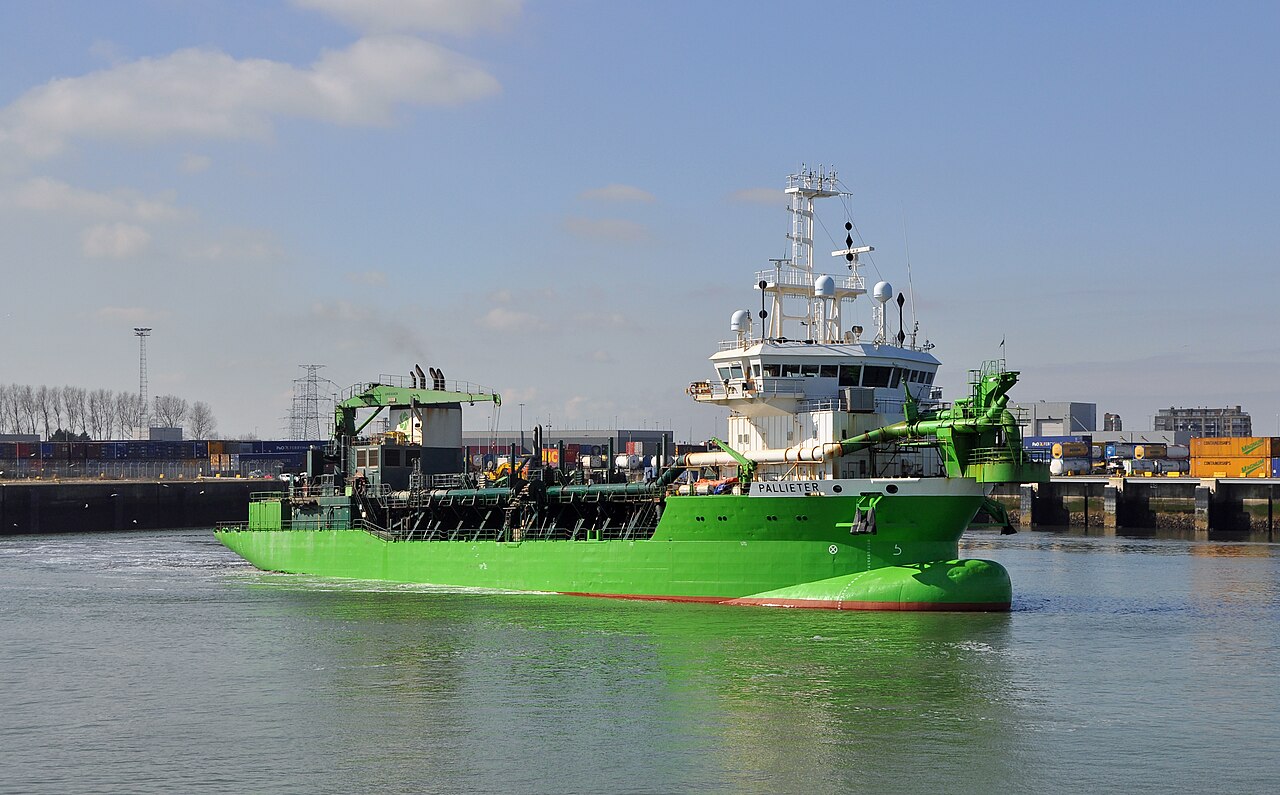
Vía Navegable Argentina has started operations on the Vía Navegable Troncal, the dredged and buoyed channel of the Paraná river that functions as the country’s main export artery, Argentine media reported on 10 September.
The company is the vehicle of the consortium that won the concession in June: Jan De Nul, the Belgian dredging group that has maintained the channel for three decades, and Servimagnus, its Argentine partner. The handover closes a sequence The Rio Times reported in June: the award on 19 June through Resolution 36/2026 of the National Ports and Navigation Agency, and the signing of the concession contract in early July after a bidder’s challenge was resolved.
A Quarter Century of Private Management
The concession runs for 25 years, with an option to extend for up to five more. It covers dredging, re-dredging, beaconing, signaling and maintenance along roughly 1,400 kilometres of the trunk route, from the Confluencia zone upriver of Rosario down to the deep waters of the Río de la Plata.
Official estimates put the business at about US$15 billion over the life of the contract, which would make it the largest concession awarded under President Javier Milei. Projections circulated at the award stage suggested annual revenue of around US$628 million for the operator. The scheme is toll-financed and carries no direct state contribution: the concessionaire works at its own risk and is paid by the ships that use the channel.
The companies have said the project will generate direct and indirect employment for more than 600 people, including crews for the dredging fleet that will work the river in coming years.

The First Decision: A Cheaper River
VNA’s opening move was the tariff reduction promised at the tender. The navigation toll fell 13.5 percent in September, from US$4.30 to US$3.80 per net register ton. The company estimates the cut will be worth between US$375 million and US$456 million a year to the farm-export sector, the corridor’s dominant user.
For a soybean or grain shipment loaded at the terminals south of Rosario, the toll is one line in a logistics bill that also includes trucking, barge freight and port fees. A lower toll does not transform that bill, but it is a measurable transfer from the operator to exporters — and it arrived before the company had moved a single bucket of new dredged sediment.
The tariff schedule is not flat. Tender documents foresee the toll rising in stages as deepening works advance, which is the structural trade at the heart of the concession: users pay less now and more later, in exchange for a deeper river that lets ships sail with fuller loads.
The Works That Matter Come Next
Maintenance keeps the river as it is; the concession was sold on making it deeper. The headline engineering commitment is to deepen the channel to 40 feet, which would let ocean-going vessels leave the upriver ports with substantially more cargo per sailing. Those works begin after environmental studies are completed, according to the government’s timeline, and are expected to stretch over several years.
Oversight is already being assembled. In August the government formalized the Consejo de Control, a control council charged with monitoring, evaluating and advising on the concession, with participation from private users and the riverine provinces. The state keeps its role as control authority while the operator runs the works.
The award was not uncontested. A rival bidder challenged the result, delaying the contract signing, and local commentators have scrutinized possible subcontracting links around the dredging business. The government has emphasized that the tender closed without formal impugnations at the evaluation stages and that the winning consortium validated the technical rulings.
Why One River Decides So Much
The corridor concentrates about 60 port terminals, the densest export cluster in South America, and roughly 80 percent of Argentina’s exports physically leave the country through it. Most of that volume is grain, soy and their derivatives, the trade that earns Argentina its hard currency. When the Paraná runs low, as it did in the historic 2021-2022 downriver, exporters pay more for barges, load ships lighter and watch premiums erode. Channel depth is, in effect, a national accounts variable.
The waterway’s reach extends beyond Argentina. The Paraná-Paraguay system runs more than 3,400 kilometres and connects ports in Brazil, Bolivia, Paraguay and Uruguay to the Atlantic. Paraguay in particular depends on the Argentine trunk section for the majority of its foreign trade, which makes the concession a regional piece of infrastructure governed from Buenos Aires.
For foreign investors the start of operations is the moment the concession stops being a tender result and becomes a counterparty. The toll cut is the early, easy dividend. The harder test is whether VNA delivers the deepening on schedule — and whether the 40-foot Paraná that exporters have demanded for decades finally arrives.
More: Argentina news in English, every day from The Rio Times.
This article was produced by The Rio Times’ automated newsroom system. How we use AI · Report an error · Editorial responsibility: Matthias Camenzind, Editor-in-Chief
In depth