Cuba Journalist Henry Constantín: US Embassy Condemns 14-Day Detention
CUBA · PRESS FREEDOM
Key Facts
- —What happened The US Embassy in Havana said on Facebook that Cuba “unjustly detained” journalist Henry Constantín, Diario de Cuba reported on 30 September 2026.
- —The detention Constantín, director of the magazine La Hora de Cuba, has been held since 16 September 2026, accused of disobedience.
- —The court The provincial court in Camagüey did not admit a habeas corpus petition filed on 21 September, Diario de Cuba reported.
- —Where he is He is in pretrial detention at Kilo 7 prison in Camagüey, where his partner visited him on 28 September.
- —What comes next His defence has 72 hours from formal notice to challenge the court’s refusal; no hearing date has been set.
The arrest of Henry Constantín has drawn a public rebuke from Washington, while a Cuban court has refused to review his detention.
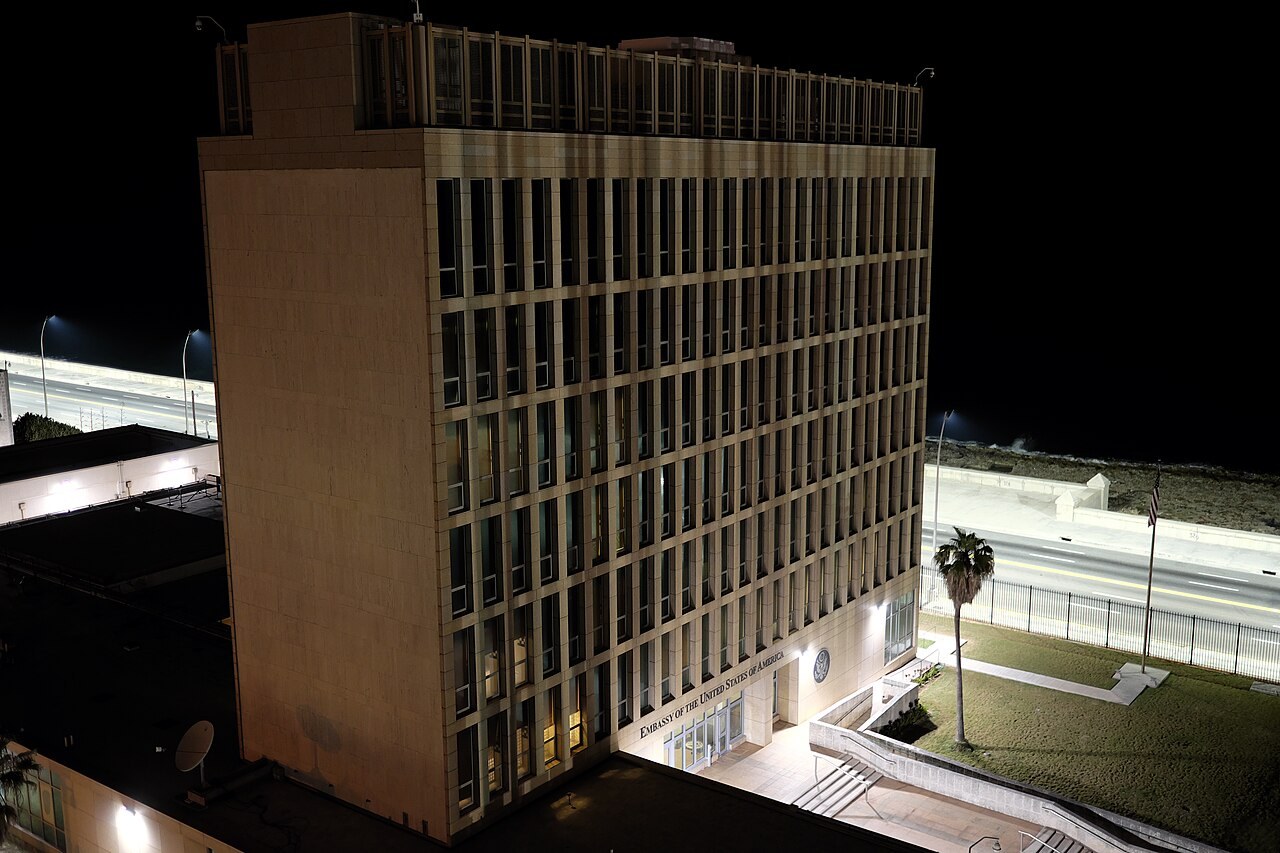
The US Embassy in Havana has condemned the detention of Cuban journalist Henry Constantín, director of the magazine La Hora de Cuba. The embassy said on Facebook that he was held “unjustly”, the Madrid-based outlet Diario de Cuba reported on 30 September 2026.
What the embassy said
The embassy said Constantín was detained “simply for reporting the truth”. It added that the administration of US President Donald Trump will keep denouncing what it called the “atrocious crimes” of Cuba’s government.
The statement came two weeks after the arrest. Press freedom groups had spoken first: the Inter American Press Association on 18 September and Reporters Without Borders on 28 September.
Cuba’s government has not responded publicly to the embassy. The two countries restored full diplomatic relations in 2015, but their ties remain tense.
Since Trump returned to office in January 2025, Washington has tightened sanctions on Cuba. Havana blames US policy for its economic crisis.
Why he is being held
Constantín has been in custody since 16 September 2026, now 14 days. Officials accuse him of “desobediencia”, or disobedience, for missing a summons from State Security, Cuba’s political police, on 9 September.
Constantín says he went to that summons but arrived after the officers had left, and was told he would be called again. Our earlier report sets out the background: Cuban journalist detained 13 days as press groups demand his release.
He is held in pretrial detention, a measure that keeps a suspect jailed while an investigation runs. No trial date has been set.
The court closes one door
His defence filed a habeas corpus petition on 21 September. Habeas corpus asks a judge to decide quickly whether a detention is lawful.
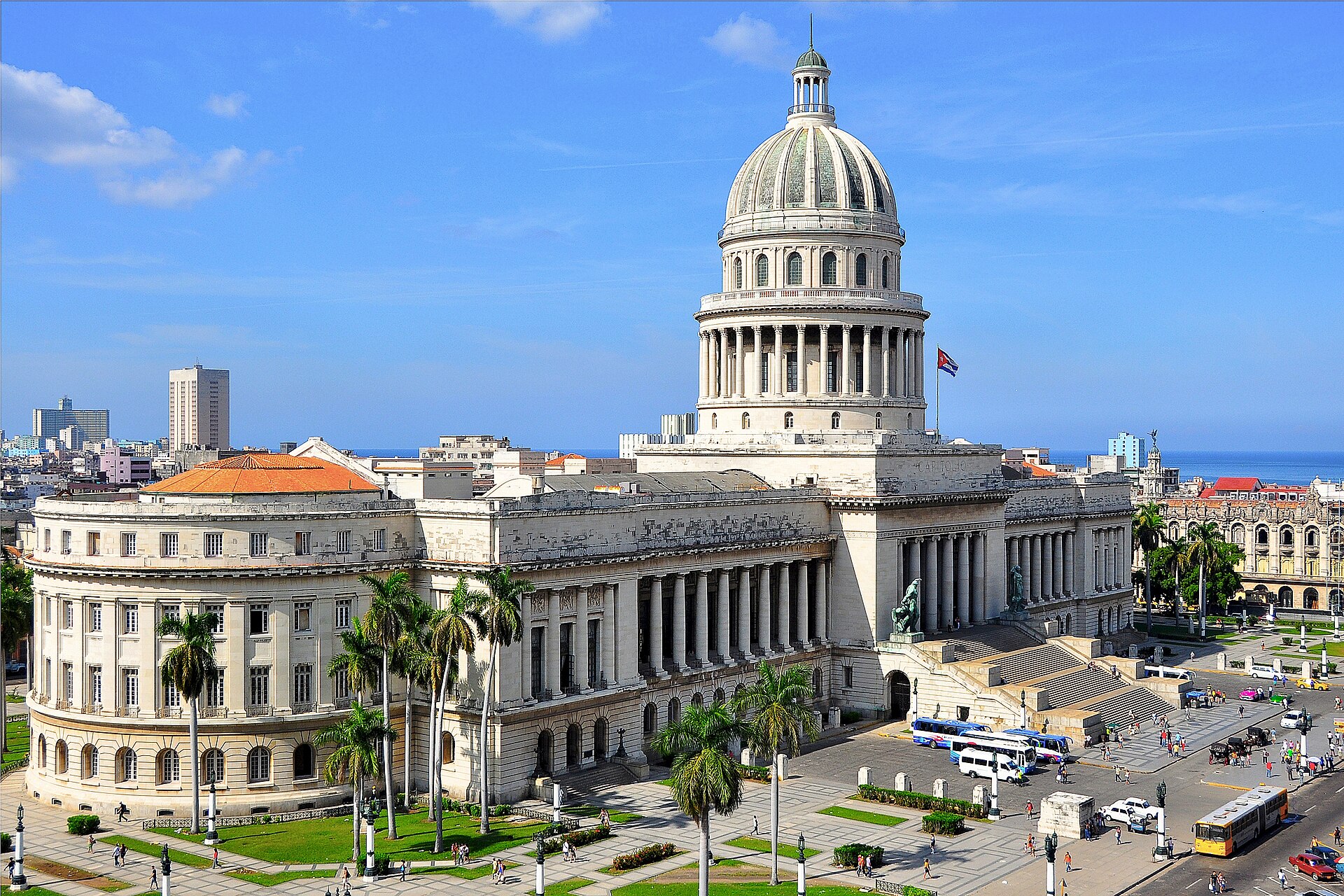
The Tribunal Provincial Popular de Camagüey, the provincial court, did not admit the petition and held no hearing, Diario de Cuba reported. Registering the document, the court said, did not mean it had been accepted.
The defence has 72 hours from formal notice to challenge that decision. As of 30 September, Constantín had not yet been notified, Diario de Cuba said.
His lawyer also tried on 28 September to ask for a lighter measure than prison. The officer in charge of the case was not available, so the request could not be filed. Constantín remains in prison while those steps play out.
A first visit at Kilo 7
Constantín is held at Kilo 7, a maximum-security prison in Camagüey, a provincial city in central-eastern Cuba. He was moved there on 24 September from a State Security base in the same city.
His partner, the journalist Alejandra García, visited him on Monday 28 September from 10:10 a.m. to 12:40 p.m. Cuba time. The visit took place in a separate area where she could hand over food and personal items.
Through her, he sent a short message. “I am grateful to those who have worried about my family, and I remain calm”, he said.
Independent media speak together
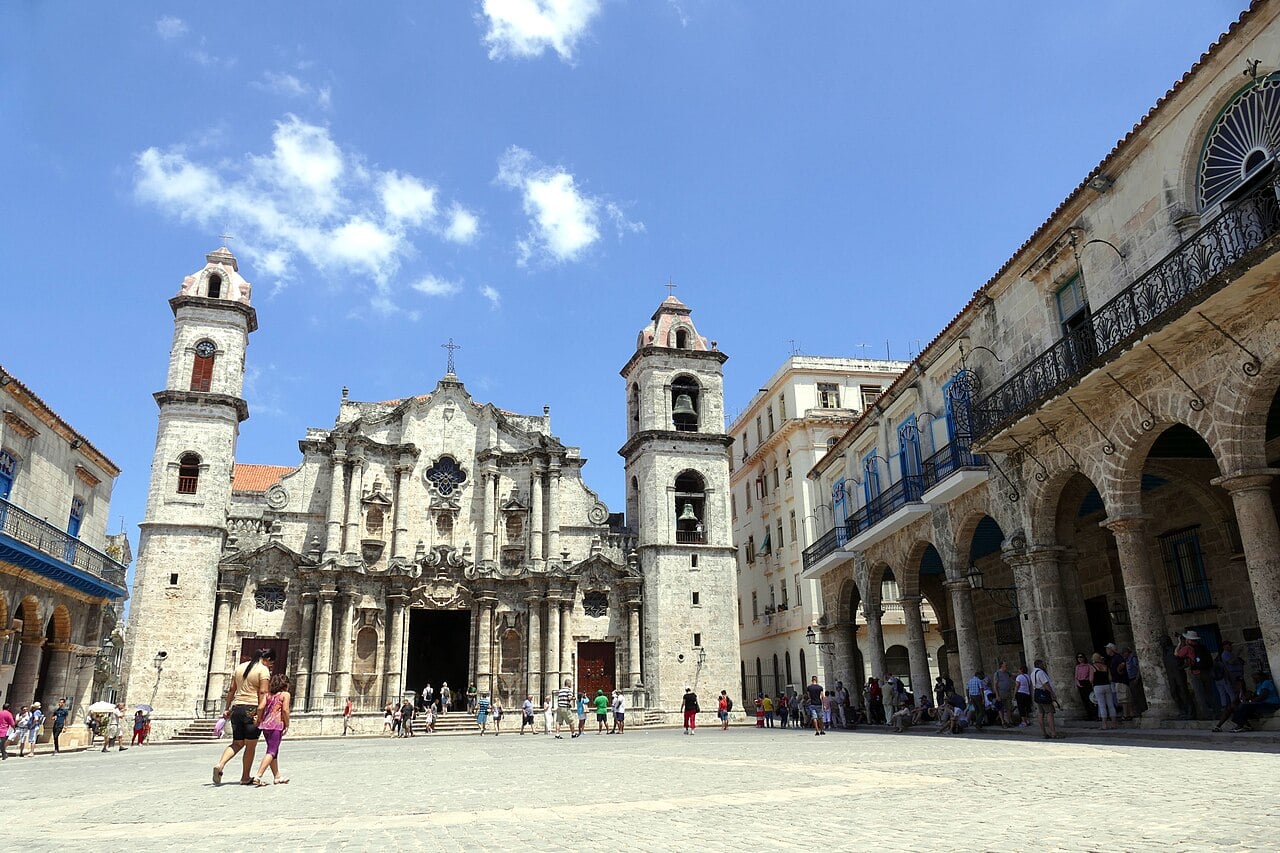
Three independent Cuban outlets, El Toque, Cubanet and Árbol Invertido, published a joint editorial in his support. Its title says the freedom to report needs no permission.
The three outlets rejected the idea that journalism can be treated as a form of disobedience. Diario de Cuba, an independent site run from Madrid, reported the editorial alongside the embassy statement.
“Doing journalism should never be considered disobedience”, the editorial said. It ended with a simple line: “Because reporting is not a crime”.
Reporters Without Borders, the Paris-based press freedom group, has also demanded his immediate release. It counts at least 19 detentions of Constantín linked to his work, and he has been barred from leaving Cuba since 2019.
What it means for Cuba and its visitors
Cuba is a one-party state, and media outside state control work without legal recognition. Reporters for those outlets face summonses, short arrests and travel bans.
The embassy’s words keep the case visible abroad. Inside Cuba, the decision rests with prosecutors and the courts.
For foreign residents and visitors, the case shows how a missed or disputed police summons can lead to prison. The next step lies with the Camagüey court, which has yet to rule on any appeal.
More: Cuba news, every day from The Rio Times.
Frequently Asked Questions
Who is Henry Constantín?
He is a Cuban journalist who directs La Hora de Cuba, an independent magazine based in Camagüey. He has been detained at least 19 times in connection with his work, according to Reporters Without Borders.
What did the US Embassy say?
It said on Facebook that the Cuban government had unjustly detained him simply for reporting the truth. It added that the Trump administration will keep denouncing what it called the government’s crimes.
What is happening in his legal case?
He is in pretrial detention at Kilo 7 prison, accused of disobedience. A provincial court did not admit his habeas corpus petition, and his defence has 72 hours from formal notice to challenge that.
Sources: Diario de Cuba · Diario de Cuba
Read More from The Rio Times