Cuban Journalist Detained 13 Days as Press Groups Demand His Release
Politics · Cuba
Key Facts
- —The country Cuba is a one-party state whose constitution makes the main media public property and bans privately owned outlets.
- —What happened A Cuban journalist was detained in Camagüey on 16 September 2026 and has not been released since.
- —The catch The accusation is about a missed police summons, not about his reporting, and no court has convicted him.
- —Who wants him freed Reporters Without Borders, the Committee to Protect Journalists and the Inter American Press Association have all demanded his release.
- —Where Cuba stands Reporters Without Borders places Cuba 160th of 180 countries in its 2026 world press freedom index.
The Cuban journalist detained in Camagüey on 16 September is now in a maximum-security prison. No court has convicted him, and international press freedom groups want him released.
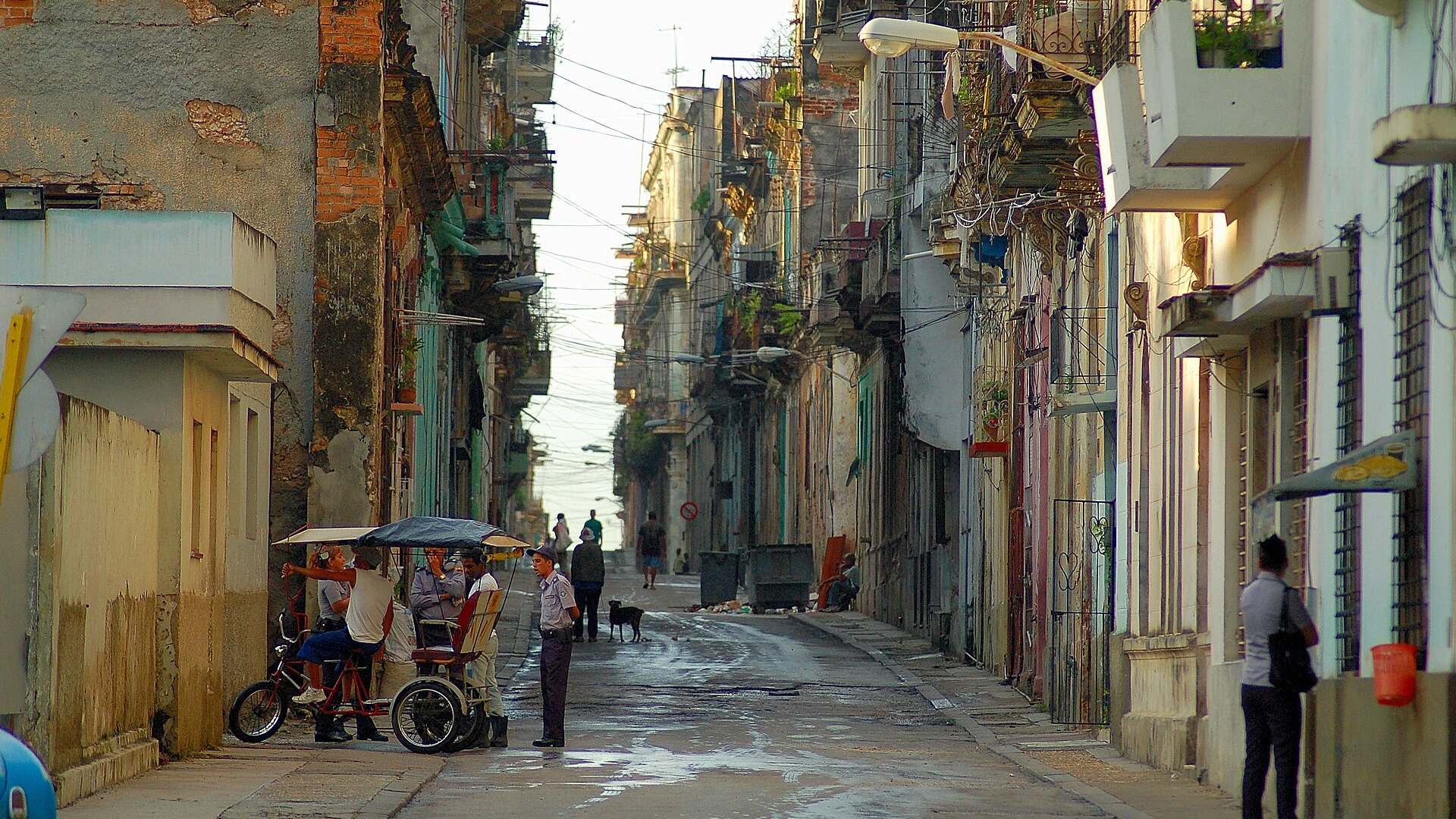
A Cuban journalist detained on a disobedience accusation has now spent 13 days in custody. Henry Constantín, director of the news outlet La Hora de Cuba, was held on Wednesday 16 September 2026.
He founded La Hora de Cuba in 2013 in Camagüey, a provincial capital in the centre-east of the island. It reports on arrests, court cases and the work of State Security in the province.
Reporters Without Borders, the Paris-based press freedom group, demanded his immediate release on Monday 28 September. Cuba’s government has not commented publicly on the case.
What he is accused of
The accusation is “desobediencia”, the Spanish word for disobedience. Officials say he failed to answer a summons dated 9 September, according to Reporters Without Borders.
Constantín denies it. In a Facebook post that same day, he wrote that he had gone to the Vista Hermosa immigration office.
The officers had already left, he said, and he was told he would be called again. On 15 September he received a spoken summons for the following morning.
He went to the police unit and did not come out. Colleagues spent hours searching detention centres before they found him.
He was at Villa María Luisa, the base State Security uses in Camagüey for operations and questioning. He was placed in pretrial detention, a measure that holds a person while an investigation runs.
On Thursday 24 September he was moved to Kilo 7, a maximum-security prison in the same city. His partner, the journalist Alejandra García, was allowed about twenty minutes with him and brought medicine and water.
The argument over one missed appointment
His own newsroom says the case should never have become a criminal matter. It points to Article 72 of Cuba’s criminal procedure law, which sets a fine for missing a first summons.
The Committee to Protect Journalists, a New York-based group, makes the same argument. It said on 25 September that his lawyer could not obtain the case file from the prosecutor’s office.
Without the file, no appeal against the detention could be lodged, the committee said. A habeas corpus petition, which asks a court to test whether a detention is lawful, went to the Camagüey provincial court.
Reporters Without Borders said on 28 September that the petition had still not been resolved. Artur Romeu, who runs the group’s Latin America bureau, called the summons behind the accusation contradictory.
He demanded Constantín’s “immediate release” in a written statement in Spanish. He also asked for guarantees for the defence and a prompt ruling on the habeas corpus petition.
The Inter American Press Association, a hemisphere-wide body of newspaper owners and editors, condemned the detention on 18 September. Constantín is vice president of its press freedom committee for Cuba.
Pierre Manigault, the association’s president, said a disobedience accusation must not become a tool to intimidate journalists. Civil Rights Defenders, the Swedish group, has also called for his release.

A reporter detained at least 19 times
Reporters Without Borders counts at least 19 detentions of Constantín linked to his work. Several happened while he was covering protests or court proceedings, the group said.
In July 2021 he was arrested while reporting on the island-wide protests over food shortages and power cuts. In June 2025 he was held for four days over a report about a State Security agent.
That 2025 case never reached a trial, the Committee to Protect Journalists said. He has also been barred from leaving Cuba since 2019.
In 2026 La Hora de Cuba shared the Civil Rights Defender of the Year award. The Swedish group Civil Rights Defenders presented it in Stockholm on 18 May 2026.
The travel ban kept Constantín away from the ceremony. He had described the work to that group as “a survival exercise”.
He said he could wake up, take a few steps outside his door and find a patrol waiting.
What the counts actually show
Cuba sits 160th of 180 countries in the 2026 World Press Freedom Index from Reporters Without Borders. A year earlier it ranked 165th.
Its score rose over the same period from 26.03 to 29.22 out of 100. The group still calls Cuba the worst country in Latin America for press freedom.
Prisoners Defenders, a Madrid-registered group that counts political prisoners in Cuba, put the total at 1,339 on 31 August 2026. It called that a record, with 281 added over twelve months.
That count covers political prisoners of every kind, not journalists alone. The Committee to Protect Journalists counted six jailed reporters across the Americas on 1 December 2025.
Its census found 330 jailed journalists worldwide on that date. The gap between those numbers is the point.
Reporters Without Borders describes arrests, short detentions, threats and raids on homes as the risk for Cuban reporters outside the official press.
What this means for people on the island
Cuba’s constitution makes the main media public property and prohibits private ownership. Reporters Without Borders says that leaves journalism outside the official press clandestine in practice.
A social communication law passed in 2024 tightened the rules on who may run a media outlet. Most outlets are public or tied to political and mass organisations, the group says.
For foreign residents and visitors the practical point is narrow and concrete. Recording or publishing about official activity can draw a summons.
This week a military court kept a comedian in jail over a satirical video. That case is separate and rests on a different accusation.
Constantín sent one line to the outside world through his partner. “Estoy tranquilo y me mantengo firme”, he said, meaning that he is calm and standing firm.
The habeas corpus petition remains before the Camagüey provincial court. Whether he is freed, formally charged or tried will be settled there.
More: Cuba coverage, every day from The Rio Times.
Frequently Asked Questions
Who is Henry Constantín?
He is a Cuban journalist, writer and photographer who founded the news outlet La Hora de Cuba in 2013. The outlet is based in Camagüey, a provincial capital in the centre-east of the island. It began as an independent printed magazine and later became a digital site. It covers arrests, court cases and shortages in public services. Constantín is also vice president of the Inter American Press Association’s press freedom committee for Cuba.
Why was a Cuban journalist detained over a summons?
Officials say he did not answer a summons dated 9 September 2026 from the immigration office. He says he went and found the officers had already gone. He was detained on 16 September when he answered a second summons at a police unit. His newsroom argues that missing a first summons carries only a fine under Cuba’s criminal procedure law.
Has he been charged or tried?
No court has convicted him. He is in pretrial detention while an investigation continues, and no trial date has been reported. His lawyer could not obtain the case file from the prosecutor’s office, the Committee to Protect Journalists said on 25 September 2026. A habeas corpus petition before the Camagüey provincial court had not been resolved when Reporters Without Borders wrote about the case on 28 September 2026.
How bad is press freedom in Cuba compared with the region?
Reporters Without Borders places Cuba 160th of 180 countries in its 2026 index. In 2025 it ranked 165th. The group describes Cuba as the worst country in Latin America for press freedom. Prisoners Defenders counted 1,339 political prisoners of all kinds on 31 August 2026. The Committee to Protect Journalists counted six jailed journalists across the Americas on 1 December 2025.
Sources: Reporters Without Borders on the detention and the habeas corpus petition, Reporters Without Borders on Cuba’s ranking and media law, Committee to Protect Journalists on the summons and the case file, Committee to Protect Journalists on its 1 December 2025 prison census, the Inter American Press Association statement of 18 September 2026, Martí Noticias on the summons and the fine his outlet cites, Civil Rights Defenders on the detention of its 2026 award winner, Civil Rights Defenders on the 2026 award to La Hora de Cuba, Prisoners Defenders on its count of political prisoners
This article was produced by The Rio Times’ automated newsroom system. How we use AI · Report an error
Read More from The Rio Times