IBOV 192,114.55 ▲ 2.63% IPSA 10,916.59 ▲ 0.08% IPC MEX 64,531.68 ▲ 1.10% MERVAL 2,767,663 ▲ 0.32% COLCAP 2,515.02 ▼ 0.59% BVL PERÚ 59,751.67 ▲ 0.18% USD/BRL5.22— 0.00% USD/MXN18.15▼ 0.83% USD/CLP989.60— 0.00% USD/COP3,263▼ 1.66% USD/PEN3.43▼ 0.53% USD/ARS1,524▼ 0.04% USD/UYU40.46▲ 3.55% USD/PYG5,821▲ 2.69% USD/BOB11.93▲ 2.09% USD/DOP59.90▲ 0.67% USD/CRC456.38▲ 3.02% USD/GTQ7.64▲ 3.14% USD/HNL26.86▲ 3.19% USD/NIO36.62▲ 2.63% USD/VES864.39▼ 0.13% USD/PAB1.00— 0.00% USD/BZD2.00— 0.00% USD/JMD 157.28 — 0.00% USD/TTD6.69▲ 1.67% EUR/BRL5.87▲ 0.03% BRENT 88.88 ▼ 0.03% WTI 83.11 ▼ 0.11% IRON ORE 161.91 — — COPPER 6.61 ▲ 0.03% GOLD 4,461 ▲ 1.78% SILVER 65.59 ▲ 1.26% SOY 1,184 ▲ 3.20% CORN 480.50 ▲ 10.02% WHEAT 655.00 ▲ 3.93% COFFEE 317.25 ▼ 5.51% SUGAR 16.43 ▼ 1.79% ORANGE JUICE 138.55 ▼ 0.47% COTTON 85.03 ▲ 2.33% COCOA 5,719 ▲ 3.18% BEEF 223.60 ▼ 3.93% CATTLE 339.10 ▼ 3.16% LITHIUM 75.20 ▲ 1.47% PETR4 41.64 ▼ 0.05% VALE3 72.97 ▲ 0.83% ITUB4 38.60 ▼ 1.03% BBDC4 16.85 ▲ 0.36% ABEV3 14.89 ▼ 0.80% BBAS3 19.37 ▲ 0.47% B3SA3 14.26 ▼ 0.21% WEGE3 47.59 ▲ 0.49% PRIO3 59.14 ▼ 0.19% SUZB3 41.33 ▲ 2.35% RENT3 34.68 ▼ 0.09% AZZA3 15.89 ▼ 2.63% CSAN3 3.22 ▼ 1.83% RAIZ4 0.25 — 0.00% PCAR3 2.75 ▼ 0.36% GMAT3 3.65 ▼ 1.08% PSSA3 48.13 ▼ 0.54% CVCB3 1.33 ▼ 2.92% POSI3 3.36 ▲ 2.44% SLCE3 13.34 ▲ 0.30% NATU3 8.14 ▼ 0.73% IBOV 192,114.55 ▲ 2.63% IPSA 10,916.59 ▲ 0.08% IPC MEX 64,531.68 ▲ 1.10% MERVAL 2,767,663 ▲ 0.32% COLCAP 2,515.02 ▼ 0.59% BVL PERÚ 59,751.67 ▲ 0.18% USD/BRL 5.16 ▲ 0.01% USD/MXN 17.06 ▼ 0.24% USD/CLP 913.98 ▲ 0.04% USD/COP 3,140 ▲ 0.03% USD/PEN 3.36 ▼ 0.66% USD/ARS 1,493 ▲ 0.10% USD/UYU 40.27 ▲ 1.24% USD/PYG 5,939 ▲ 1.68% USD/BOB 11.64 ▼ 0.76% USD/DOP 58.34 ▲ 1.25% USD/CRC 445.92 ▲ 0.89% USD/GTQ 7.62 ▲ 2.21% USD/HNL 26.79 ▲ 1.57% USD/NIO 36.62 ▲ 0.69% USD/VES 762.44 ▼ 0.13% USD/PAB 1.00 — 0.00% USD/BZD 2.00 — 0.00% USD/JMD 157.28 — 0.00% USD/TTD 6.70 ▲ 0.61% EUR/BRL 5.95 ▲ 1.01% BRENT 88.88 ▼ 0.03% WTI 83.11 ▼ 0.11% IRON ORE 161.91 — — COPPER 6.61 ▲ 0.03% GOLD 4,461 ▲ 1.78% SILVER 65.59 ▲ 1.26% SOY 1,184 ▲ 3.20% CORN 480.50 ▲ 10.02% WHEAT 655.00 ▲ 3.93% COFFEE 317.25 ▼ 5.51% SUGAR 16.43 ▼ 1.79% ORANGE JUICE 138.55 ▼ 0.47% COTTON 85.03 ▲ 2.33% COCOA 5,719 ▲ 3.18% BEEF 223.60 ▼ 3.93% CATTLE 339.10 ▼ 3.16% LITHIUM 75.20 ▲ 1.47% PETR4 41.64 ▼ 0.05% VALE3 72.97 ▲ 0.83% ITUB4 38.60 ▼ 1.03% BBDC4 16.85 ▲ 0.36% ABEV3 14.89 ▼ 0.80% BBAS3 19.37 ▲ 0.47% B3SA3 14.26 ▼ 0.21% WEGE3 47.59 ▲ 0.49% PRIO3 59.14 ▼ 0.19% SUZB3 41.33 ▲ 2.35% RENT3 34.68 ▼ 0.09% AZZA3 15.89 ▼ 2.63% CSAN3 3.22 ▼ 1.83% RAIZ4 0.25 — 0.00% PCAR3 2.75 ▼ 0.36% GMAT3 3.65 ▼ 1.08% PSSA3 48.13 ▼ 0.54% CVCB3 1.33 ▼ 2.92% POSI3 3.36 ▲ 2.44% SLCE3 13.34 ▲ 0.30% NATU3 8.14 ▼ 0.73%
since 2009
Saturday, October 3, 2026

Top Brazil Investors Call for End to Interest Rate Cuts

By · January 31, 2020 · 3 min read

RIO DE JANEIRO, BRAZIL – Rogerio Xavier and Luis Stuhlberger, who manage a combined US$21 billion (R$84 billion) at two of Brazil’s biggest hedge funds, say the Central Bank has done enough to stimulate Latin America’s largest economy.
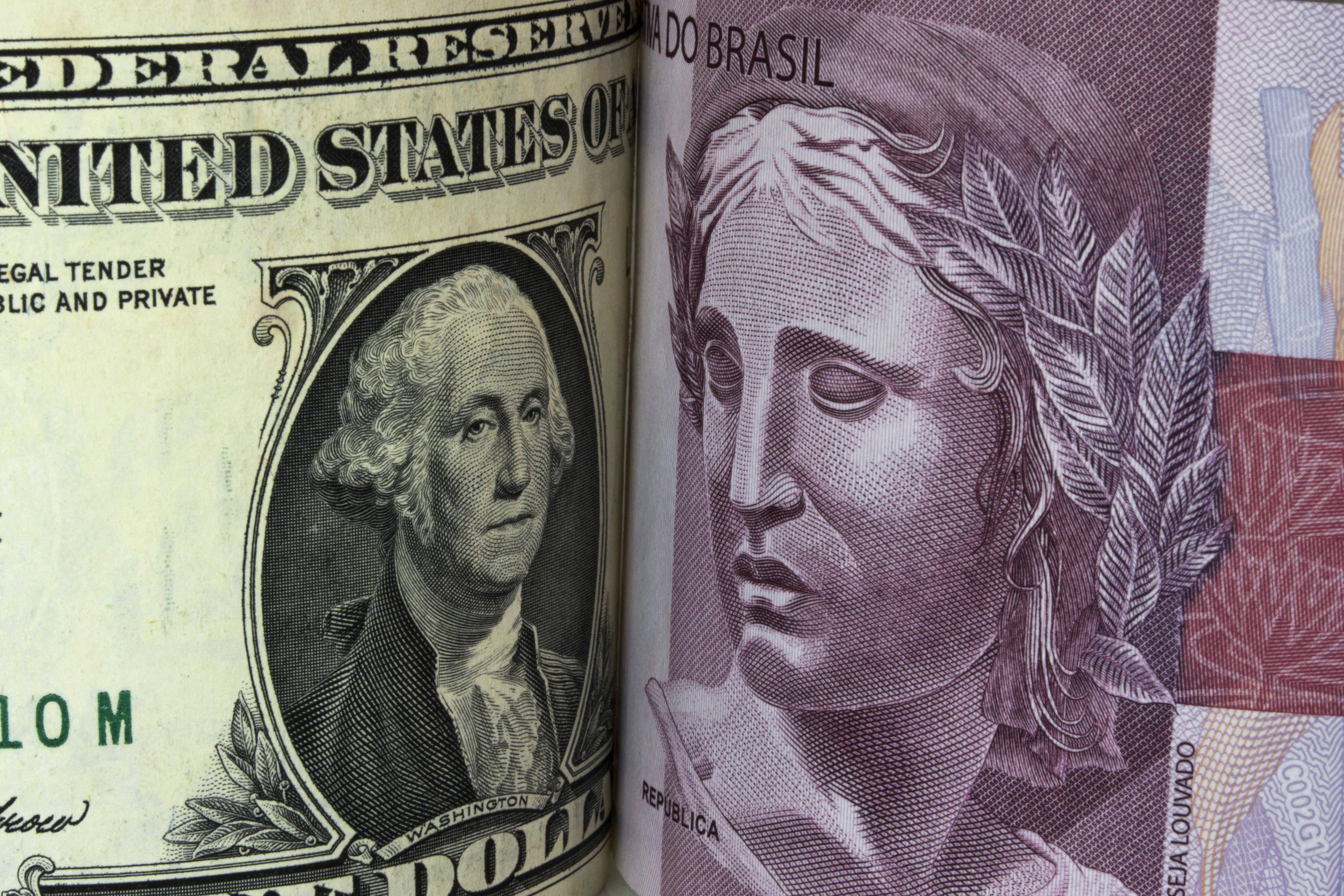
Stuhlberger said he isn’t long or short the Brazilian real but doesn’t see much room for it to gain. Xavier said the currency will likely fall further against the U.S. dollar.
Stuhlberger said he isn’t long or short on the Brazilian real but doesn’t see much room for it to gain. Xavier said the currency will likely fall further against the U.S. dollar.
RT
Ask Rio Times
Latin American markets, currencies and companies.
Open the full Ask Rio Times →

The boost from another interest rate cut isn’t enough to make up for the potential risks, according to Xavier, a founding partner at SPX Capital. Markets are paying little attention to the fact that inflation targets are set for lower levels in the upcoming years, and would be leading policymakers to commit a “big mistake” by lowering the Selic benchmark rate further, he said.

“Today’s monetary policy will have an impact next year,” he said at an event hosted by Credit Suisse in São Paulo. Lowering the Selic to about 4 percent, from the current 4.5 percent, will leave inflation-adjusted borrowing costs close to zero, he said. “That seems aggressive. If we make monetary policy too loose, we’ll have to tighten it soon.”

The comments were echoed by Stuhlberger, the founder of Verde Asset Management, who said policymakers shouldn’t go ahead with a rate cut he expects next week.

“I think the central bank should have stopped at 4.75 percent,” he said. “The negative side, of cutting and then having to hike, is not what the market is expecting. The market is practically forcing the central bank to cut further.”

The LatAm Brief

One email, every weekday morning. What moved in Latin American markets, politics and expat life.

Yesterday’s subject line: “Brazil votes Sunday. A runoff follows if no one tops 50%”

Free. We send a confirmation link first — nothing arrives until you click it. Unsubscribe with one click in any edition. If you stop opening us for 30 days we stop sending by ourselves, as we assume the interest is no longer there. See our privacy policy. We never share your email.

Traders are pricing in a cut of another 25 basis points to the key Selic rate, which would take it to a fresh record low of 4.25 percent. The central bank is scheduled to announce its next decision on February 5th after market close.

With about R$42.5 billion under management, SPX ranks among Brazil’s biggest independent hedge funds. Verde has about R$45.6 billion under management and a flagship fund that has posted a total return of more than 17,000 percent since its inception two decades ago.

The fund managers have similar calls for the currency, one of the worst in the world this year. Stuhlberger said he isn’t long or short the Brazilian real but doesn’t see much room for it to gain against the dollar. Xavier said the currency will likely fall further against the U.S. dollar.

Stuhlberger said Verde still has a long position in Brazilian stocks, but added that he’s already looking for an exit door amid what he sees as a potential bubble as investors rush to equities in search for returns they were used to getting in fixed-income investments.

“You usually see a bubble form when a lot of people pile in,” he said. “Every two or three weeks there’s a new fund — private credit, private equity, etc. It’s really good for the Brazilian economy, but it could be bad for investors in these markets.”

Source: Bloomberg

This article was produced by The Rio Times’ automated newsroom system. How we use AI · Report an error · Editorial responsibility: Matthias Camenzind, Editor-in-Chief

The Rio Times · Power Map
See who really holds power in Latin America
Click to open the Power Map →

Rotate for Best Experience

This report is optimized for landscape viewing. Rotate your phone for the full experience.