Argentina Gets Its First Big Soy Plant in Twelve Years
Argentina · Agribusiness
Key Facts
- —What happened Molinos Agro and ACA announced a US$500 million soybean crushing plant in Timbues, Santa Fe, on 8 July 2026.
- —How big a jump It will crush 15,000 tons of soybeans a day, about 5 million tons a year, ranking among the country’s biggest.
- —The real story It is the first major new soy crushing investment in twelve years, betting on planned Argentine export tax cuts.
- —The catch The tax cuts are a government schedule, not a signed decree, and could change or slip.
- —Who it touches Workers and suppliers in Santa Fe may gain jobs, and ports near Timbues could see more meal and oil exports.
- —What comes next Soy export taxes drop from 24% to 21% by end-2027 and to 15% by December 2028, starting January 2027.
A US$500 million plant in Timbues is the first big new soy crushing investment in twelve years, betting on Argentina’s export tax cuts starting January 2027.
Molinos Agro and ACA are building a US$500 million soybean crushing plant in Timbues, Santa Fe. The project was announced on 8 July 2026, and it is the first major new soy crushing investment in twelve years. What has changed since is the tax schedule that makes it work, with export tax cuts starting January 2027.
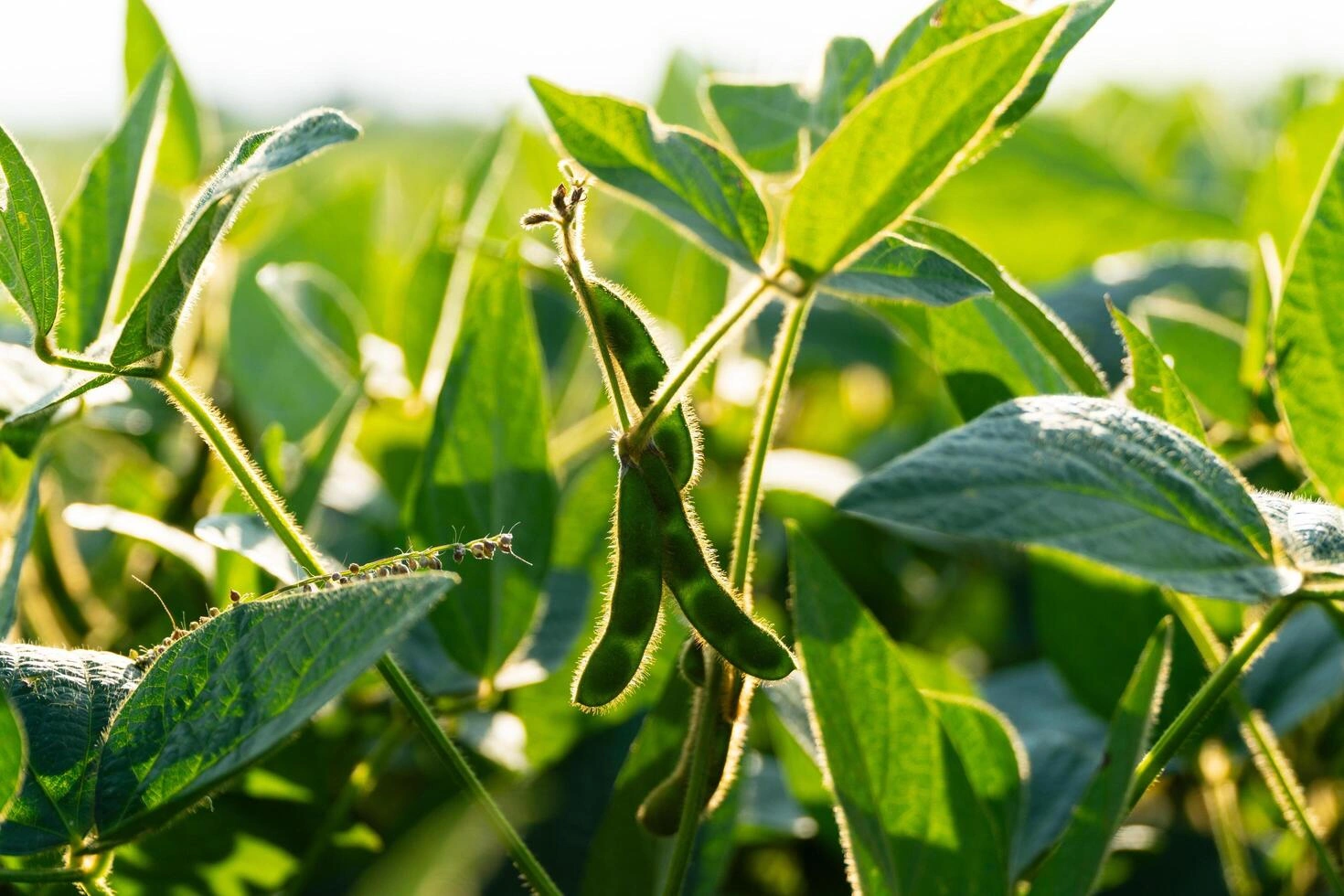
A big bet on Argentine soybeans
Molinos Agro and ACA are putting more than US$500 million into a new soybean crushing plant in Timbues, Santa Fe. Timbues is on the Parana River, a key route for shipping grain.
Molinos Agro will own 65% of the project. ACA, a group of Argentine farm cooperatives, will own the other 35%.
The plant will crush 15,000 tons of soybeans each day. That is about 5 million tons a year, which would make it one of the biggest crush plants in the country.
This is the first major new soy crushing investment in twelve years. It was announced on 8 July 2026, and building will take about three years.
The plant will turn soybeans into meal and oil for world markets inside Argentina. This adds value at home instead of shipping raw beans.
Why export taxes matter here
The project needs a planned cut in export taxes, called retenciones or DEX. The Argentine government will reduce these taxes slowly, starting in January 2027.
Under this plan, soybean export taxes drop from 24% to 21% by the end of 2027. By December 2028, they would go down further to 15%.
Lower export taxes make it cheaper to sell soybean products abroad. That helps profits for a new crush plant, so the investment depends on this tax schedule.
The gap between soy and maize export taxes matters. Consultant Javier Preciado Patino, writing on 14 August 2026, says it is 15.5 points now.
It will fall to 13.5 points in 2027. By late 2028, it will be about 9.5 points.
The Bolsa de Comercio de Rosario, an exchange in the grain city of Rosario, tracks total tax payments. It says the six main agricultural chains will pay US$4,613 million in export taxes in 2026.
That is down from US$4,665 million in 2025, a fall of about 1%.
For 2026, the breakdown is: soybeans US$3,275 million, maize US$754 million, wheat US$324 million, sunflower US$158 million, barley US$79 million, and sorghum US$22 million.
The plant will cost more than US$500 million. That is a large capital outlay for Argentina’s agribusiness sector.
What the tax schedule means for the plant
The plant was announced in July 2026, but the tax changes are new. The schedule makes the project work by improving profit margins over the next few years.
As soybean export taxes drop, it becomes more attractive to crush beans in Argentina. The soy-versus-maize gap is key because it affects which crops farmers plant and how much they process.
The tax plan is not a signed decree yet. It depends on future policy decisions and could change.
If the schedule slips, the plant’s economics could change too. Watch the January 2027 start date, because that is when the bet starts to pay off.
The numbers behind the investment
The plant will crush 15,000 tons of soybeans each day, or about 5 million tons per year. That makes it one of the biggest crushing plants in the country.
This project is a bet on policy, not just on production. It expects Argentina to keep more soybeans at home for processing, instead of sending them out raw.
US Department of Agriculture forecasts for Argentina have not changed. The investment is based on local policy shifts, not US reports.
Why this matters for Latin America investors
For people invested in Argentine farming, this plant shows trust in the country’s export future. It also shows how tax cuts and other policy changes can push large investments.
Soybeans bring in billions of dollars in export income every year. A new crushing plant could change where value is added, keeping more of it in Argentina.
Workers and local suppliers in Santa Fe may gain new jobs and demand. Ports near Timbues will likely handle more soybean meal and oil exports.
This is the first big soy crushing investment in twelve years. That marks a renewed sense of confidence in Argentine soybeans.
Connected Coverage
Oil Overtakes Corn and Soy Meal as Argentina’s Top Single Export
Soybeans, Corn Slip While Wheat Rises on China Hopes
More: Brazil news, every day from The Rio Times.
Frequently Asked Questions
Who owns the new soybean crushing plant in Timbues?
Molinos Agro holds 65% and ACA holds 35%. Molinos Agro is the controlling owner.
How much is the investment in the crushing plant?
The investment is more than US$500 million. The plant will crush 15,000 tons of soybeans per day, about 5 million tons per year.
When was the plant announced?
The plant was announced on 8 July 2026. It is the first major new soy crushing investment in twelve years.
Why is the plant linked to export taxes?
Argentina plans to gradually reduce export taxes, called retenciones or DEX, starting January 2027. The soy export tax falls from 24% to 21% by the end of 2027 and to 15% by December 2028.
Is the export tax cut guaranteed?
No. It is a government schedule and not a signed decree. The plan could change.
Sources: Los Pérez Companc pisan el acelerador en el agro con …; Javier Preciado Patiño, consultor: “Se corta una racha de ..; Timbúes. archivos; Global Food Ingredient Cost Inflation & Supply Chain Risk (F; The navigability of the Upper Paraná is not just a Paraguaya
This article was produced by The Rio Times’ automated newsroom system. How we use AI · Report an error
Read More from The Rio Times