How to Get Residency in Brazil in 2026: Five Visa Routes, Costs and the 90-Day Rule

GUIDES · BRAZIL
Key Facts
- —What it is Brazil, Latin America’s largest economy, lets foreigners settle through a residence authorisation and a national migration card, the CRNM.
- —Who it’s for Retirees, remote workers, investors, family members of residents and people with a Brazilian job offer.
- —The rules Retirees need US$2,000 a month; digital nomads US$1,500 a month or US$18,000 saved; property buyers about US$192,000.
- —What it costs Federal Police fees total about US$72, plus consular fees, translations and apostilles that vary by country.
- —The catch Most routes start with one or two years of temporary residence, and registration is due within 90 days.
- —What is still open Processing can take up to 180 days, and renewal rules for retirees sit in a separate resolution.
Residency in Brazil is open to more foreigners than many assume. Each route, though, has its own income test, paperwork and deadline.
This guide sets out the five main ways to get residency in Brazil in 2026. It follows the official rules of the Foreign Ministry, the Justice Ministry and the Federal Police. It covers who qualifies, what each route costs and the steps from consulate to migration card.
How residency in Brazil works
Brazil’s system rests on the Migration Law, Law 13,445 of 2017. It separates a visa, which lets you enter, from a residence authorisation, which lets you stay.
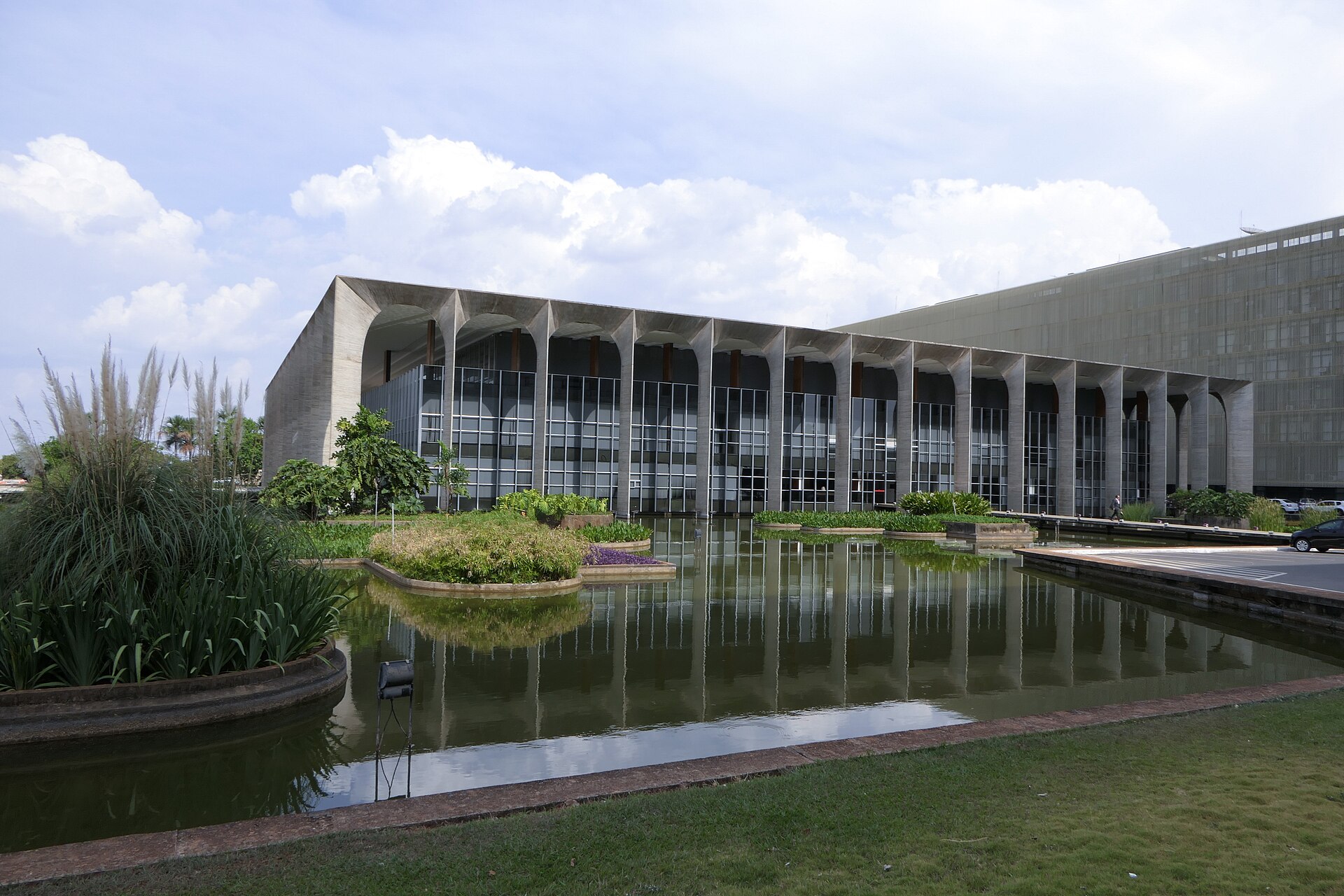
Three bodies share the work. Brazilian consulates abroad, run by the Foreign Ministry known as Itamaraty, issue temporary visas called VITEM.
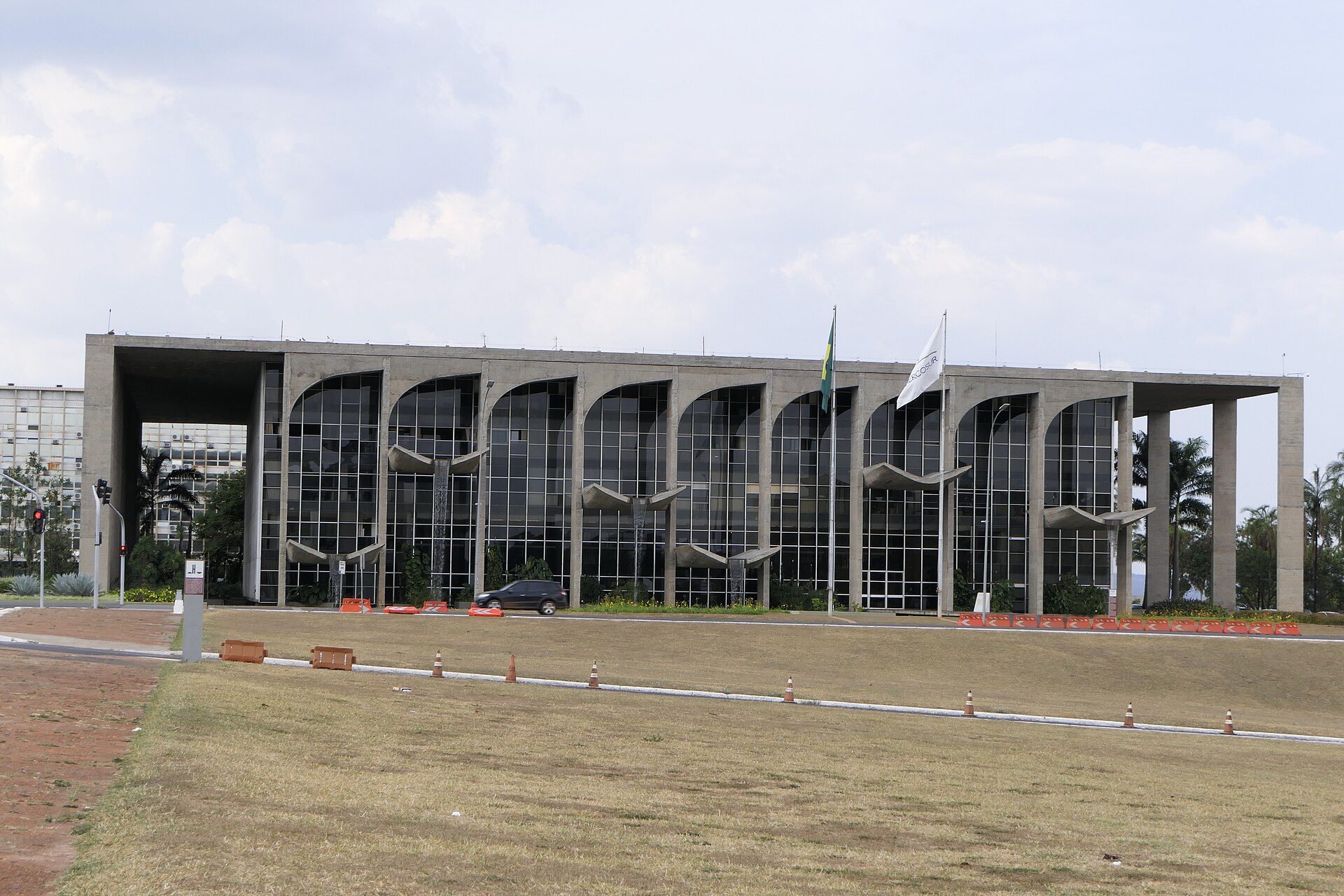
Inside Brazil, the Justice Ministry can grant residence directly to people already in the country. The Federal Police (Polícia Federal) then registers every resident and issues the national migration card, the CRNM.
The detailed rules for each route come from the National Immigration Council, known as CNIg. Its numbered resolutions set the income thresholds and document lists quoted in this guide.
As of 19 September 2026, the resolutions cited here remain the reference texts for each route. Reais figures are converted at about 5.21 reais to the US dollar, the September 2026 rate.
Visiting first: the visitor rules
A visit visa allows stays of up to 90 days, extendable by the Federal Police for another 90. The total may not pass 180 days in each migration year, under Decree 9,199 of 2017.
Since 10 April 2025 Brazil again requires visas from US visitors, according to the US Embassy in Brazil. An electronic visa is available through Brazil’s official e-visa portal.
A visit is useful for scouting cities and opening local contacts. It is not residence, and it gives no right to settle.
The retirement route: US$2,000 a month
Retirees apply under CNIg Normative Resolution 40 of 2 October 2019. It covers foreigners who receive a retirement or survivor’s pension and can move it to Brazil.
The key test is income of at least US$2,000 a month, transferable to Brazil. The money must be sent to Brazil each month in foreign currency.
The initial residence lasts up to two years. Renewal is governed by a separate resolution, so plan for a second application before the first period ends.
At the consulate you need a valid passport, health insurance valid in Brazil and a criminal record certificate. You also need the visa form, proof of consular fee payment and proof of your travel booking.
Retirees already in Brazil can instead apply to the Justice Ministry, using the same pension proof. Spouses and children can follow through the family reunion route described below.
The digital nomad route: US$1,500 a month
Remote workers use CNIg Resolution 45 of 9 September 2021. It defines a digital nomad as someone who works remotely for a foreign employer using information technology.
You must prove income from a foreign source of at least US$1,500 a month. The alternative is available bank funds of at least US$18,000.
At the consulate you also need health insurance valid in Brazil and a criminal record certificate. Add a signed statement that you can work remotely, plus a contract or other proof of your link to the foreign employer or client.
The route is closed to anyone working for a Brazilian employer, with or without a formal contract. Local jobs need a work authorisation instead.
Residence lasts up to one year and can be renewed for the same period. Renewal requires a copy of your CRNM and fresh criminal record certificates from where you lived in Brazil.
The resolution also allows nomads to do the same remote work as visitors, within normal visitor limits. That suits people who want a trial season before committing.
Investment routes: company or property
Investors have two main options. The first is a direct investment by an individual in a new or existing Brazilian company, under CNIg Resolution 13 of 2017.
The usual minimum is R$500,000 (about US$96,000). For projects in innovation, research or technology, the threshold falls to R$150,000 (about US$28,800).
The money must go into a Brazilian company that is being set up or already operates. A local lawyer and accountant are close to essential here.
The second option is property, under CNIg Normative Resolution 36 of 9 October 2018. It requires urban real estate worth at least R$1 million (about US$192,000), built or under construction.
In the North and Northeast regions the threshold can be up to 30 percent lower, or R$700,000 (about US$134,400). That covers cities such as Salvador, Recife, Fortaleza and Belém.
Property residence starts at two years. After renewal, it can be converted to residence for an indefinite period.
Family and work routes
Family reunion is set out in Article 37 of the Migration Law. It covers spouses and partners, without discrimination, and children of residence holders.
It also covers parents, grandparents, children, grandchildren and siblings of Brazilians or residents. People with a Brazilian child, or a Brazilian under their guardianship, qualify too.
Work residence needs a job offer from a Brazilian employer. Requests go to the Justice Ministry’s labour immigration department, through its Portal de Imigração Laboral.
Citizens of Mercosur countries have a separate route under the regional residence agreement. Nationals of Portuguese-speaking countries are among those exempt from the Federal Police processing fee, though that exemption does not cover the card fee.
The law also lists study, research, health treatment, volunteering and religious work as grounds for residence. Each has its own document list.
Step by step: from consulate to CRNM
First, choose your route and gather documents. Criminal record certificates may need an apostille, and some foreign documents need a sworn Brazilian translation.
Second, apply for the VITEM at the Brazilian consulate for your place of residence. Consular fees and extra documents vary by country, so check that consulate’s own page.
Third, enter Brazil and register with the Federal Police within 90 days of arrival. Decree 9,199 sets that deadline, and missing it carries a fine.
Registration starts online.
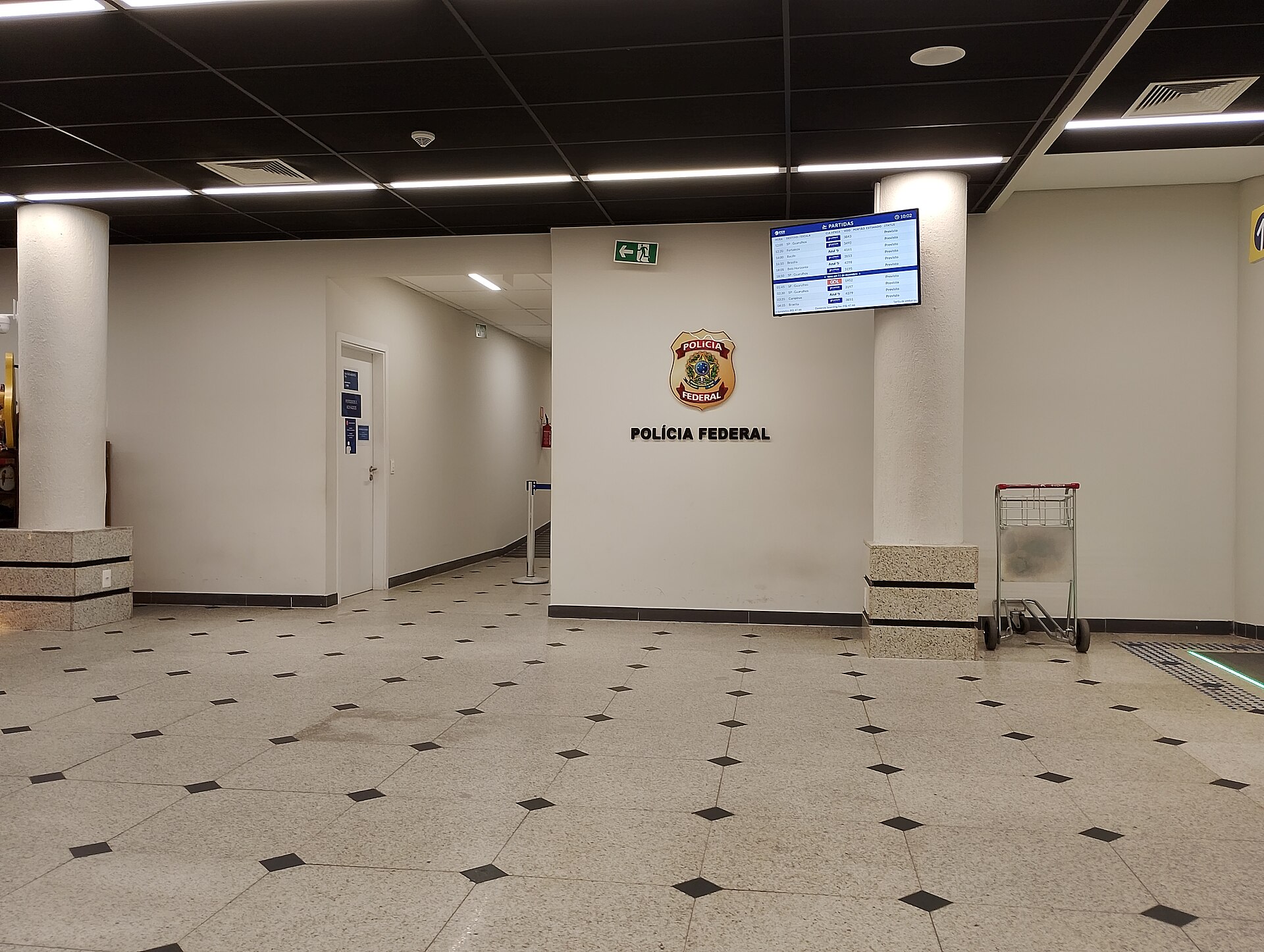
The Federal Police services portal is servicos.dpf.gov.br. You then book an appointment and attend a Federal Police unit in person with your original documents.
The Federal Police charges R$168.13 (about US$32) to process a residence request. The CRNM card costs R$204.77 (about US$39), for a total of R$372.90 (about US$72).
The Federal Police says the full process can take up to 180 days. Collecting the card at the unit is a step its service charter puts at up to 30 days.
From temporary residence to citizenship
Most routes begin with temporary residence, so keep track of expiry dates. Apply to renew well before your authorisation runs out.
Some routes, such as property investment, allow conversion to residence for an indefinite period after renewal. The resolution for your route sets the exact conditions.
Ordinary naturalisation requires four years of residence, basic Portuguese and no criminal conviction, under Article 65 of the Migration Law.
The four years fall to one year for people with a Brazilian child or a Brazilian spouse or partner. Extraordinary naturalisation is open to anyone settled in Brazil for more than 15 uninterrupted years.
Residency can also change your tax position in Brazil and at home. Take professional advice before you move pensions or savings.
Connected Coverage
Brazil Visa Guide for Expats 2026: Every Option for Living and Working in Brazil
Permanent Residency in Brazil for Expats: The Final Step (2026)
Brazil’s Digital Nomad Visa in 2026: What’s Real, What’s Myth
Retirement in Brazil for Expats: Pensions, Taxes and Double-Taxation Treaties (2026)
What Is Not Known
Real processing times are not published by city. The Federal Police gives a ceiling of 180 days, but no official data show the average wait at each unit.
The renewal terms for retirees are not in the retirement resolution itself. It refers them to a separate rule, so applicants should confirm current renewal requirements before the first two years end.
Consular fees are not uniform. Each consulate sets out its own charges and extra documents, and no single official table covers every country.
Whether the dollar thresholds for retirees and digital nomads will be updated is not known. They have stayed at the levels set in 2019 and 2021.
Sources: Federal Police, Justice Ministry and CNIg texts, the Migration Law and its decree, and the US Embassy. All accessed 19 September 2026.
- gov.br
- gov.br
- dspace.mj.gov.br
- dspace.mj.gov.br
- legisweb.com.br
- planalto.gov.br
- planalto.gov.br
- gov.br
- br.usembassy.gov
- open.er-api.com
More: Brazil news, every day from The Rio Times.
Frequently Asked Questions
How much income do I need to retire in Brazil?
CNIg Resolution 40 of 2019 requires a retirement or survivor pension of at least US$2,000 a month that can be transferred to Brazil. The initial residence lasts up to two years.
What are the requirements for the Brazil digital nomad visa?
You must work remotely for a foreign employer or client and show at least US$1,500 a month from a foreign source, or US$18,000 in bank funds. You also need health insurance, a criminal record certificate and proof of the work link. Residence lasts up to one year and can be renewed for the same period.
How much does it cost to get a CRNM in Brazil?
The Federal Police charges R$168.13, about US$32, to process a residence request and R$204.77, about US$39, for the CRNM card. That makes about US$72 in federal fees, before consular fees, translations and apostilles.
How long do I have to register with the Federal Police after arriving?
Temporary visa holders must request registration within 90 days of entering Brazil, under Decree 9,199 of 2017. Missing the deadline carries a fine. The process starts online at servicos.dpf.gov.br, followed by an in-person appointment.
Can I get residency in Brazil by buying property?
Yes. CNIg Resolution 36 of 2018 requires urban property worth at least R$1 million, about US$192,000, or up to 30 percent less in the North and Northeast. Residence starts at two years and can later become indefinite.
How long until I can apply for Brazilian citizenship?
Ordinary naturalisation requires four years of residence, basic Portuguese and no criminal conviction. The period falls to one year for people with a Brazilian child or a Brazilian spouse or partner.
This article was produced by The Rio Times’ automated newsroom system. How we use AI · Report an error · Editorial responsibility: Matthias Camenzind, Editor-in-Chief