IBOV 205,082.56 ▲ 0.47% IPSA 10,746.36 ▼ 0.31% IPC MEX 69,879.62 ▼ 0.01% MERVAL 3,017,221 — — COLCAP 2,540.10 ▲ 0.46% BVL PERÚ 57,021.19 ▲ 0.13% USD/BRL4.99▲ 0.31% USD/MXN18.74▲ 0.38% USD/CLP994.76— 0.00% USD/COP3,153▲ 0.73% USD/PEN3.43▼ 0.48% USD/ARS1,529▼ 0.02% USD/UYU40.08— 0.00% USD/PYG5,760— 0.00% USD/BOB11.78— 0.00% USD/DOP61.01▼ 0.18% USD/CRC452.44— 0.00% USD/GTQ7.64— 0.00% USD/HNL26.87— 0.00% USD/NIO36.62— 0.00% USD/VES885.08▼ 0.13% USD/PAB1.00— 0.00% USD/BZD2.00— 0.00% USD/JMD 157.28 — 0.00% USD/TTD6.72— 0.00% EUR/BRL5.59▼ 0.37% BRENT 88.88 ▼ 0.03% WTI 83.11 ▼ 0.11% IRON ORE 161.91 — — COPPER 6.61 ▲ 0.03% GOLD 4,461 ▲ 1.78% SILVER 65.59 ▲ 1.26% SOY 1,184 ▲ 3.20% CORN 480.50 ▲ 10.02% WHEAT 655.00 ▲ 3.93% COFFEE 317.25 ▼ 5.51% SUGAR 16.43 ▼ 1.79% ORANGE JUICE 138.55 ▼ 0.47% COTTON 85.03 ▲ 2.33% COCOA 5,719 ▲ 3.18% BEEF 223.60 ▼ 3.93% CATTLE 339.10 ▼ 3.16% LITHIUM 75.20 ▲ 1.47% PETR4 41.64 ▼ 0.05% VALE3 72.97 ▲ 0.83% ITUB4 38.60 ▼ 1.03% BBDC4 16.85 ▲ 0.36% ABEV3 14.89 ▼ 0.80% BBAS3 19.37 ▲ 0.47% B3SA3 14.26 ▼ 0.21% WEGE3 47.59 ▲ 0.49% PRIO3 59.14 ▼ 0.19% SUZB3 41.33 ▲ 2.35% RENT3 34.68 ▼ 0.09% AZZA3 15.89 ▼ 2.63% CSAN3 3.22 ▼ 1.83% RAIZ4 0.25 — 0.00% PCAR3 2.75 ▼ 0.36% GMAT3 3.65 ▼ 1.08% PSSA3 48.13 ▼ 0.54% CVCB3 1.33 ▼ 2.92% POSI3 3.36 ▲ 2.44% SLCE3 13.34 ▲ 0.30% NATU3 8.14 ▼ 0.73% IBOV 205,082.56 ▲ 0.47% IPSA 10,746.36 ▼ 0.31% IPC MEX 69,879.62 ▼ 0.01% MERVAL 3,017,221 — — COLCAP 2,540.10 ▲ 0.46% BVL PERÚ 57,021.19 ▲ 0.13% USD/BRL 5.16 ▲ 0.01% USD/MXN 17.06 ▼ 0.24% USD/CLP 913.98 ▲ 0.04% USD/COP 3,140 ▲ 0.03% USD/PEN 3.36 ▼ 0.66% USD/ARS 1,493 ▲ 0.10% USD/UYU 40.27 ▲ 1.24% USD/PYG 5,939 ▲ 1.68% USD/BOB 11.64 ▼ 0.76% USD/DOP 58.34 ▲ 1.25% USD/CRC 445.92 ▲ 0.89% USD/GTQ 7.62 ▲ 2.21% USD/HNL 26.79 ▲ 1.57% USD/NIO 36.62 ▲ 0.69% USD/VES 762.44 ▼ 0.13% USD/PAB 1.00 — 0.00% USD/BZD 2.00 — 0.00% USD/JMD 157.28 — 0.00% USD/TTD 6.70 ▲ 0.61% EUR/BRL 5.95 ▲ 1.01% BRENT 88.88 ▼ 0.03% WTI 83.11 ▼ 0.11% IRON ORE 161.91 — — COPPER 6.61 ▲ 0.03% GOLD 4,461 ▲ 1.78% SILVER 65.59 ▲ 1.26% SOY 1,184 ▲ 3.20% CORN 480.50 ▲ 10.02% WHEAT 655.00 ▲ 3.93% COFFEE 317.25 ▼ 5.51% SUGAR 16.43 ▼ 1.79% ORANGE JUICE 138.55 ▼ 0.47% COTTON 85.03 ▲ 2.33% COCOA 5,719 ▲ 3.18% BEEF 223.60 ▼ 3.93% CATTLE 339.10 ▼ 3.16% LITHIUM 75.20 ▲ 1.47% PETR4 41.64 ▼ 0.05% VALE3 72.97 ▲ 0.83% ITUB4 38.60 ▼ 1.03% BBDC4 16.85 ▲ 0.36% ABEV3 14.89 ▼ 0.80% BBAS3 19.37 ▲ 0.47% B3SA3 14.26 ▼ 0.21% WEGE3 47.59 ▲ 0.49% PRIO3 59.14 ▼ 0.19% SUZB3 41.33 ▲ 2.35% RENT3 34.68 ▼ 0.09% AZZA3 15.89 ▼ 2.63% CSAN3 3.22 ▼ 1.83% RAIZ4 0.25 — 0.00% PCAR3 2.75 ▼ 0.36% GMAT3 3.65 ▼ 1.08% PSSA3 48.13 ▼ 0.54% CVCB3 1.33 ▼ 2.92% POSI3 3.36 ▲ 2.44% SLCE3 13.34 ▲ 0.30% NATU3 8.14 ▼ 0.73%
since 2009
Monday, October 26, 2026

Africa Eastern Africa

Tensions Rise: Jubaland, Somaliland, and Ethiopia’s Role in Somali Politics

By · December 6, 2024 · 2 min read

The political situation in Somalia is increasingly tense, particularly involving the semi-autonomous regions of Jubaland and Somaliland.

Both regions are asserting their independence amid a backdrop of historical grievances and external influences, notably from Ethiopia. In January 2024, Somaliland signed a controversial agreement with Ethiopia.

The agreement granted Somaliland access to its ports and established military bases in exchange for recognition. This deal has angered the Somali central government in Mogadishu, which views Somaliland as part of its territory.

The Somali government sees this as a direct threat to its sovereignty. Jubaland is also experiencing significant turmoil. Ahmed Madobe was re-elected president on November 25, 2024.

This came despite opposition from Mogadishu, which declared the election unconstitutional. Madobe’s administration is determined to resist any interference from the federal government.
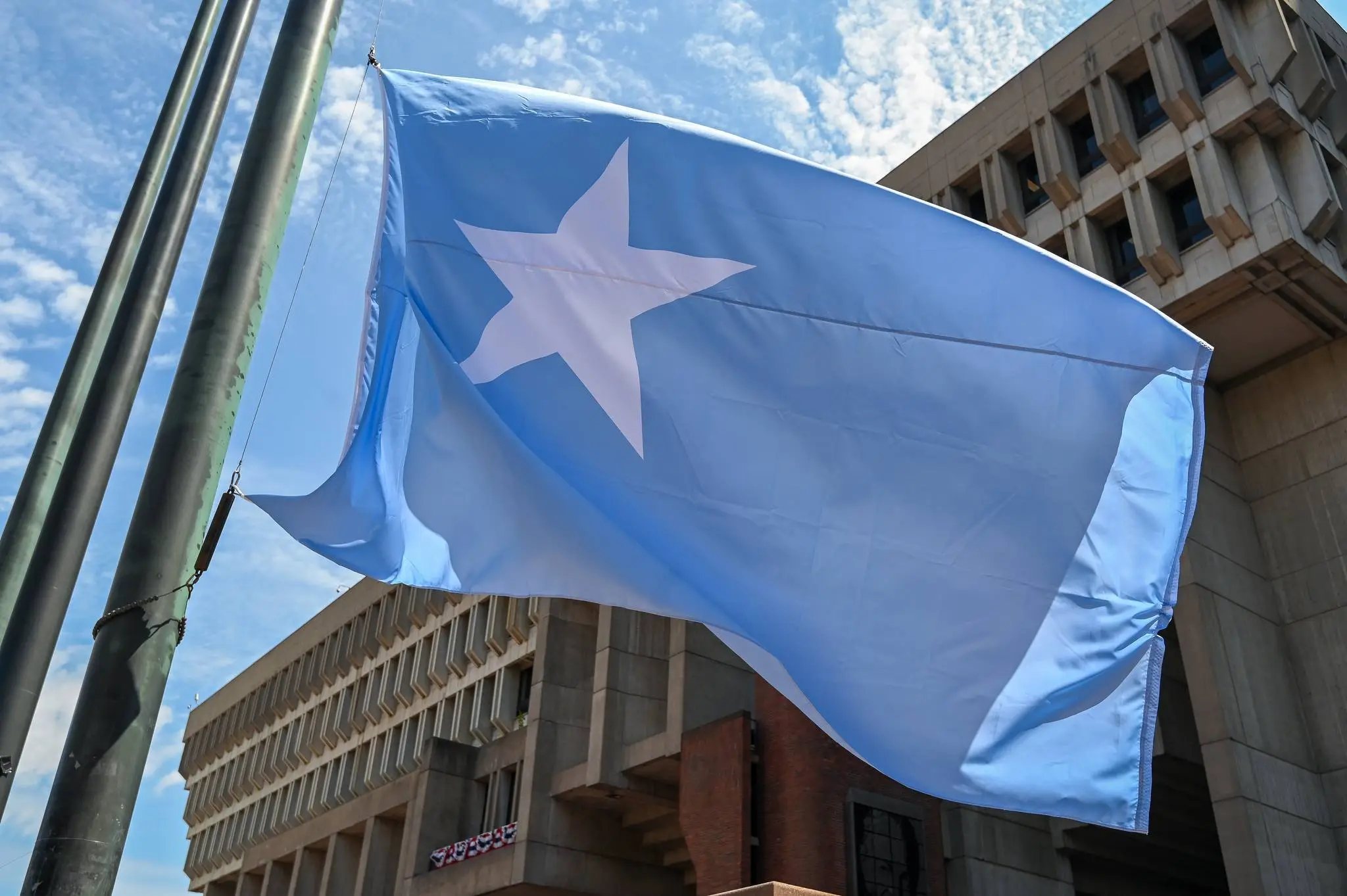
Tensions Rise: Jubaland, Somaliland, and Ethiopia's Role in Somali Politics
Tensions Rise: Jubaland, Somaliland, and Ethiopia’s Role in Somali Politics.
RT
Ask Rio Times
17 years of Latin America reporting, on demand.
Open the full Ask Rio Times →

The connection between Jubaland and Somaliland lies in their shared goals of autonomy and resource control. Both regions focus on maintaining independence from Mogadishu while navigating relationships with external powers such as Ethiopia and Kenya.

Africa Intelligence

One email, every weekday morning. African markets, politics and business — filed from our newsroom in Rio.

Yesterday’s subject line: “US draft ends UN force in Western Sahara in 2027”

Free. We send a confirmation link first — nothing arrives until you click it. Unsubscribe with one click in any edition. If you stop opening us for 30 days we stop sending by ourselves, as we assume the interest is no longer there. See our privacy policy. We never share your email.

Kismayo’s Strategic Significance

The control of Kismayo, Jubaland’s key port city, remains a critical issue for both administrations. As military forces mobilize on both sides, the risk of conflict grows.

Federal troops have deployed to strategic locations within Jubaland, prompting local forces to boost their presence. This situation is precarious; any misstep could lead to violence that further destabilizes the region.

The implications of these tensions extend beyond Somalia. Ethiopia‘s agreement with Somaliland could alter alliances in the Horn of Africa and heighten rivalries among neighboring countries.

As international actors engage with various factions based on their interests, the potential for conflict increases. Understanding the dynamics between Jubaland, Somaliland, and Ethiopia is essential for grasping the complexities of Somali politics today.

This evolving narrative reflects deeper issues of governance and identity that resonate throughout the region. Observers should pay attention to these developments as they have significant implications for stability and development in the Horn of Africa.

This article was produced by The Rio Times’ automated newsroom system. How we use AI · Report an error · Editorial responsibility: Matthias Camenzind, Editor-in-Chief

Part of our ongoing coverage

Africa: The New Scramble — the great-power contest over the continent.

More from Eastern Africa

Brazil runoff date: Sunday, October 25, poll closing times and when results start · Brazil runoff polls: Flávio 51%, Lula 49% · Kalshi and Polymarket odds

Rotate for Best Experience

This report is optimized for landscape viewing. Rotate your phone for the full experience.