Zimbabwe’s Commonwealth Aspirations Hit by U.K. Resistance
Zimbabwe’s aspiration to rejoin the Commonwealth faces significant challenges, primarily due to the United Kingdom’s firm stance on governance and human rights issues.
The UK has made it clear that it will not support Zimbabwe’s readmission until the country shows substantial improvements in these areas.
The Commonwealth suspended Zimbabwe in 2002 following concerns about its political conduct and human rights violations. In 2003, under President Robert Mugabe, Zimbabwe withdrew from the organization.
Since then, President Emmerson Mnangagwa has sought to mend relations and reapply for membership, viewing it as a pathway to enhance international standing and attract investment.
Despite a recommendation from the Commonwealth Secretariat for Zimbabwe’s readmission, the UK disagrees with this assessment. The UK Foreign Office stated that Zimbabwe has not met the necessary criteria outlined in the Commonwealth Charter.
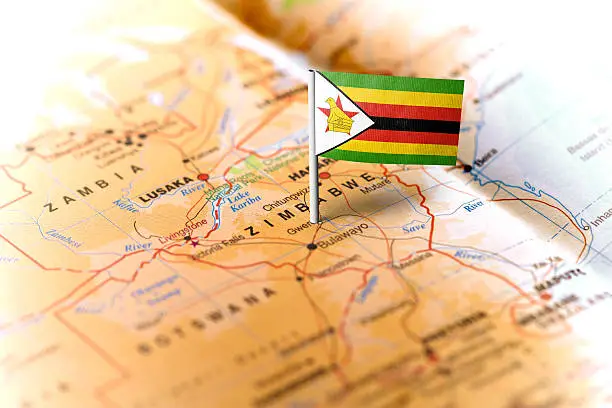
Key issues include the lack of independence of the Zimbabwe Electoral Commission, high candidate registration fees that limit political participation, and insufficient transparency in election results.
The UK highlighted these concerns during a recent session in the House of Lords. It emphasized that more progress is required before any support for Zimbabwe’s application could be considered.
The UK has suggested sending a Commonwealth assessment mission to evaluate reforms in 2025. While some African nations advocate for Zimbabwe’s return to foster engagement and reform, the UK’s position underscores a critical point.
Without genuine improvements in governance and human rights, rejoining the Commonwealth remains unlikely. This situation reflects broader implications for Zimbabwe’s international relations and economic recovery efforts.
This article was produced by The Rio Times’ automated newsroom system. How we use AI · Report an error · Editorial responsibility: Matthias Camenzind, Editor-in-Chief
Part of our ongoing coverage
Africa: The New Scramble — the great-power contest over the continent.