Tanabata Festival Rosario Lights Up the Planetarium This Sunday
Key Facts
- When — Sunday, 9 August 2026, from 11:00 to 18:00.
- Where — Complejo Astronómico Municipal, Av. Diario La Capital 1602, Rosario.
- Why — Marks 140 years of Japanese immigration to Argentina and 120 in Rosario.
- Admission — Free entry; some planetarium sessions need same-day tickets from 13:00.
- Highlights — Wishes ritual, martial arts, food, and astronomy storytelling.
- Organisers — Asociación Japonesa de Rosario and the Municipality of Rosario.
- Best for — Families, culture lovers, and anyone curious about Japanese traditions.
Celebrate 140 years of Japanese immigration in Argentina at Rosario’s star-themed festival, with wishes, music, and astronomy for all ages.
If you’re in or near Rosario this Sunday, head to the Complejo Astronómico Municipal for a free cultural outing. That’s where the Tanabata festival Rosario takes over the Planetarium from 11:00 to 18:00, with no admission cost.
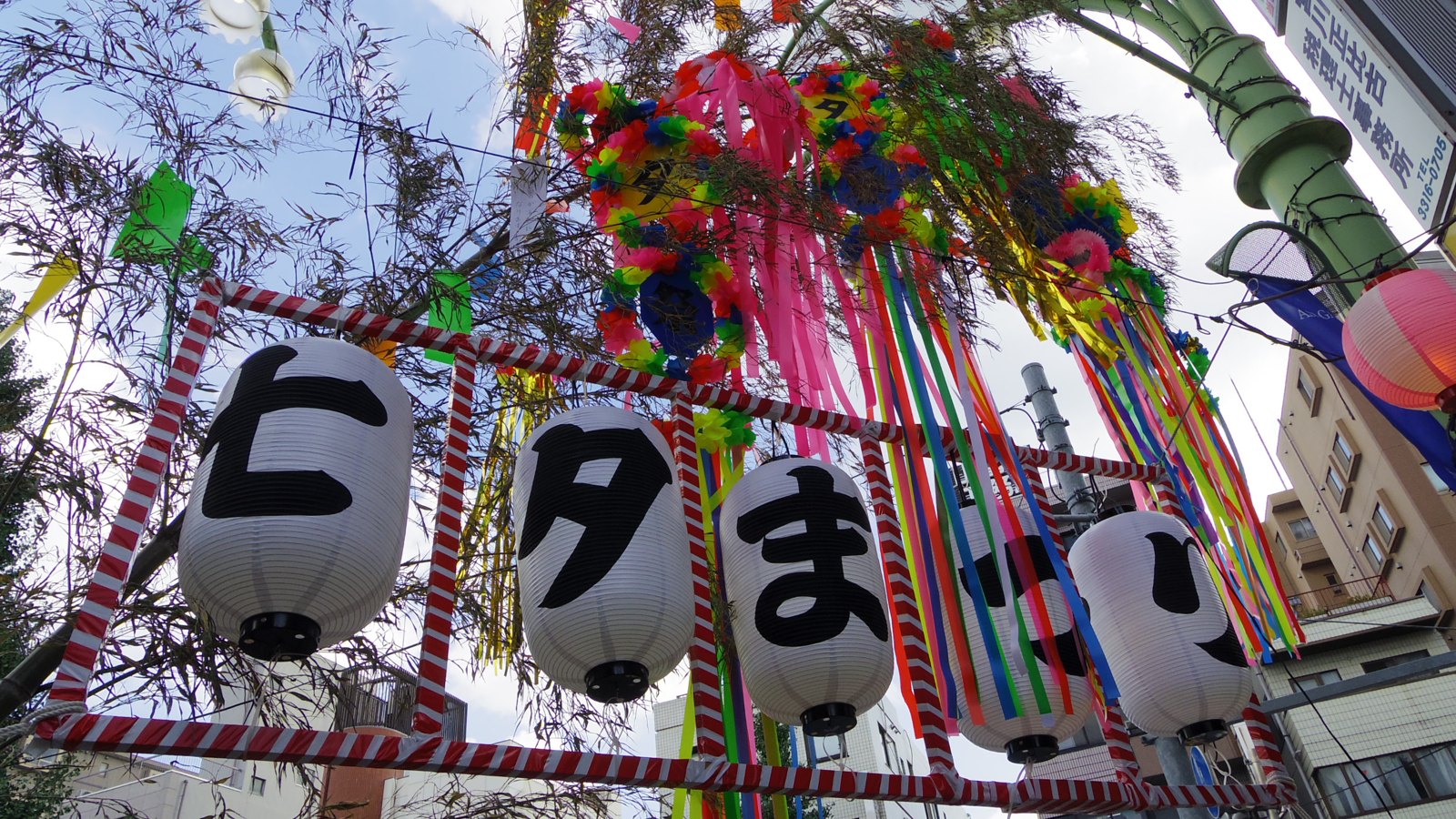
What is Tanabata, Anyway?: Tanabata festival Rosario
Tanabata is Japan’s star festival, tied to a legend about two lovers who meet once a year across the Milky Way. People write wishes on colourful strips and hang them on bamboo.
In Rosario, that tradition comes alive with a local twist, blending Japanese customs with Argentine warmth. You’ll see the wishes ritual alongside music, food, and martial arts demos.
The festival is organised by the Asociación Japonesa de Rosario and the municipal government, a public-private effort. It’s a warm slice of Japanese culture in Argentina’s third-largest city.
Legend has it that the two lovers, a weaver princess and a cowherd, are separated by the celestial river. Their annual reunion is celebrated with bamboo decorations and heartfelt wishes.
This year, the organisers have added extra touches to make the experience even more immersive. Expect vibrant colours and a friendly atmosphere that welcomes everyone, from first-timers to long-time fans.
The event also serves as a gentle introduction to Japanese customs. You can learn the meaning behind each ritual and even try writing your own wish in the traditional way.
A Milestone Year for the Japanese Community
This edition celebrates 140 years since the first Japanese immigrants arrived in Argentina. It also marks 120 years since they first set foot in Rosario.
Valeria Miyashiro, speaking for the association and the municipality, says the event honours that long history. She presented the programme in local coverage, blending tradition with family fun.
The anniversary adds a layer of significance, as the community reflects on its roots and contributions. It’s a time to share that heritage with the wider public.
Rosario’s Japanese community has grown steadily over the decades, enriching the city’s cultural fabric. This festival is a proud showcase of that enduring legacy.
What You’ll Find at the Festival
The Planetarium hosts special sessions called “Astrocuentos. Mitos y leyendas de todos los cielos”, weaving in Japanese astronomy.
There are three showings, at 14:00, 15:00, and 16:00, with free tickets from 13:00 on the day.
The Experimental Science Museum is open all day, from 11:00 to 18:00. It’s a hands-on space that adds an educational layer to the cultural festivities.
Apart from the planetarium, there are outdoor stages for martial arts and musical performances. Food stalls line the walkways, offering authentic Japanese snacks and sweets.
You can also join a guided walk through the complex, learning about the stars and local history. Each corner of the site seems to hold a new surprise for visitors.
Practical Tips for Visitors
Arrive early if you want a planetarium seat, as tickets are first-come, first-served from 13:00. The venue is at Av.
Diario La Capital 1602, easy to reach by bus or car.
Bring a pen to write your wish on a tanzaku strip, and come hungry for Japanese treats like yakisoba, gyoza, and sweet mochi. Sun protection and water are wise for an outdoor day.
Consider bringing a small picnic blanket to relax on the grass between activities. Also, plan to stay for the entire day to soak in all the offerings.
If you’re coming with kids, keep an eye on the schedule for the astronomy stories. These sessions are especially engaging for young minds.
Parking can fill up fast, so public transport is a smart choice. Check the local bus routes beforehand to avoid any last-minute hassle.
Attending in Rosario
Rosario sits on the Paraná River, a few hours north of Buenos Aires. It has one of Argentina’s larger Japanese communities.
Tanabata is a summer star festival in Japan, tied to a legend of two lovers who meet once a year. In Rosario it doubles as a celebration of the community’s long roots.
Expect food stalls, music and paper wishes hung on bamboo. It is a warm, family-friendly day out.
Rosario is also known as the birthplace of the Argentine flag, with a grand monument on the riverfront. It makes an easy add-on to a festival visit.
Japanese immigration to Argentina began in the late 1800s and grew through the last century. Festivals like this keep that heritage alive for younger families.
Entry is usually free or low cost. Come hungry for the food stalls, which are half the fun.
Trains and buses link Rosario with Buenos Aires in a few hours. A weekend trip is easy to plan around the festival.
Why You Should Make the Trip
This is a rare chance to experience a genuine Japanese festival outside Buenos Aires. Rosario’s astronomical complex offers a beautiful riverside setting for the event.
For expats and nomads, it’s a lovely reminder of the region’s diversity. You get Japanese traditions, local warmth, and a free family day out.
The festival also highlights the strong ties between Argentina and Japan. It’s a celebration of friendship that has lasted over a century.
Even if you’re not a culture buff, the sheer beauty of the bamboo wishes and star projections is worth the visit. It’s a peaceful yet lively way to spend a Sunday.
More: Argentina news in English, every day from The Rio Times.
Frequently Asked Questions
Is the Tanabata festival Rosario really free?
Yes, the festival is free to enter, and the planetarium sessions have no cost either. You just need a same-day ticket from 13:00.
What should I bring to the festival?
Bring a pen or pencil to write your wish on a tanzaku strip, plus water and sun protection. Come with an empty stomach for the food stalls.
How do I get to the Complejo Astronómico Municipal?
The address is Av. Diario La Capital 1602, Rosario, reachable by public bus. There’s usually parking nearby, but arrive early to avoid crowds.
Can children enjoy the festival too?
Absolutely. The martial arts demos, science museum, and astronomy stories are designed for all ages. It’s a perfect family outing.
Connected Coverage
Sources: Rosario, Desarrollozonal, Japon-hoy, Instagram, Bairessecreta
This article was produced by The Rio Times’ automated newsroom system. How we use AI · Report an error
Read More from The Rio Times