Argentina Jobs Crisis Worsens As Formal Work Vanishes
Argentina · Economy
Key Facts
- Jobs vanishing — More than 235,000 formal private jobs have gone since Milei took office in late 2023.
- Half off-book — 44.2% of workers now have no registered contract, the highest share in two decades.
- More jobless — Unemployment has climbed to 7.8%, up from 5.7% when Milei started.
- State cuts — About 130,000 government jobs have also disappeared since December 2023.
- Credit tightening — Banks are lending less as more borrowers fall behind on payments.
- Precarious work — People who lose steady jobs are mostly landing in informal, unprotected ones.
- No rescue — The Central Bank has ruled out any government bailout for households in debt.
More than 235,000 formal private-sector jobs have disappeared since Milei took office. Informality has hit a two-decade high, and the credit market is feeling the squeeze.
Argentina jobs are disappearing fast under Javier Milei, and it is starting to hit ordinary wallets. More than 235,000 formal private jobs have gone since he took office in late 2023, on official social-security records. Nearly half of all workers, 44.2%, now work off the books — the most in twenty years. That matters for you: shaky work means banks lend less, so credit is drying up for shoppers and small firms alike.
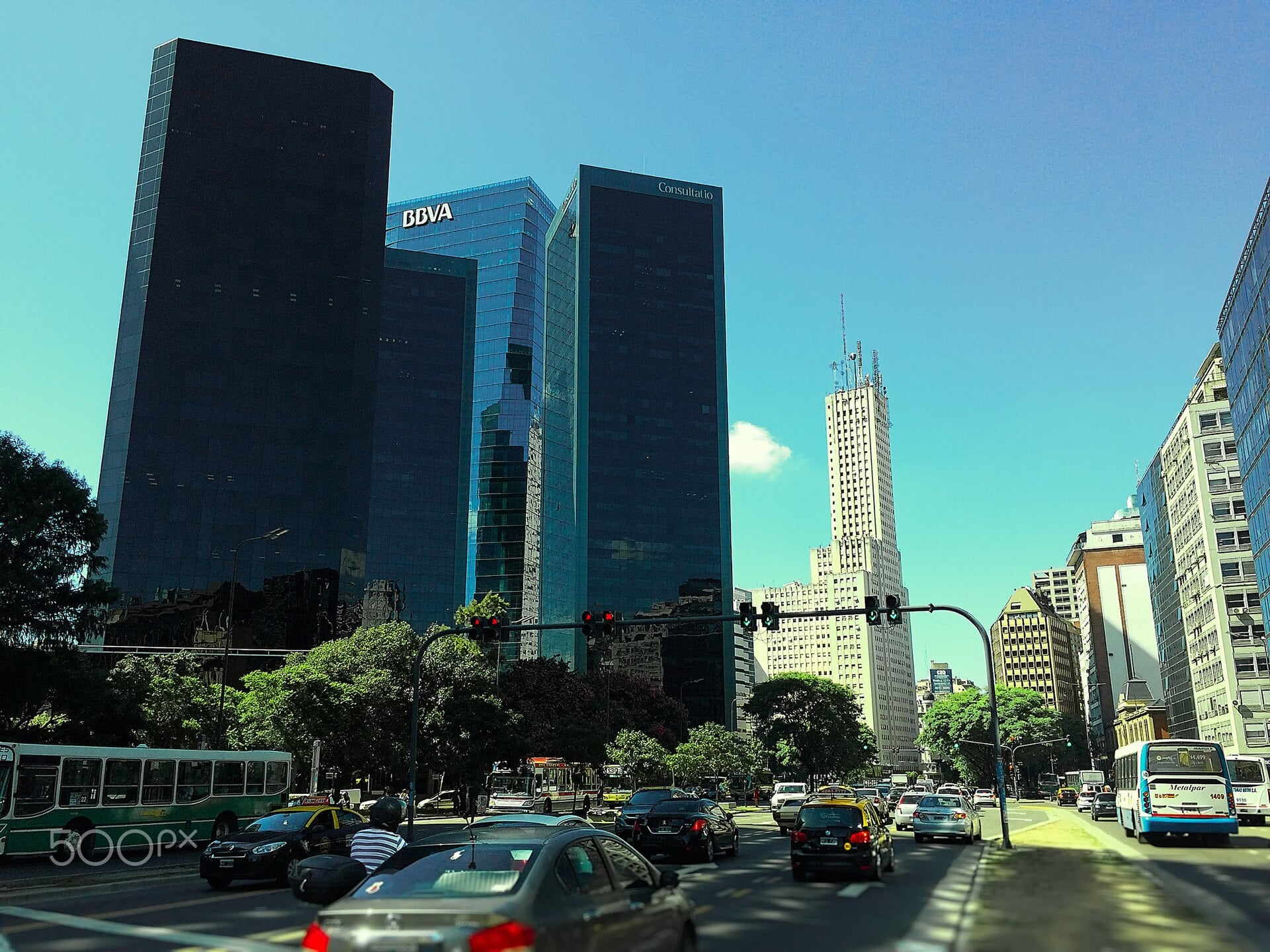
The Argentina Jobs Numbers Behind the Headlines
The 235,000 figure is a cumulative loss, not a single-day event. It covers the stretch from Milei’s election in November 2023 to April 2026, as counted by researchers from the University of Buenos Aires and the national research council, using Social Security records.
Other official data paint an even broader picture. The Ministry of Human Capital, as summarised by El País, counts almost 400,000 fewer formal salaried jobs overall — 250,000 in the private sector, 130,000 in the public sector, and 17,400 in domestic work.
Unemployment is also climbing. The national statistics agency says 7.8% of the workforce was jobless in Q1 2026, compared to 5.7% when Milei began his term, according to the Buenos Aires Herald.
The informal sector is soaking up the displaced. Private studies cited by Análisis Digital say the bulk of new jobs created in the last year were informal, without pension or health contributions.
The trend is not just a statistic; it is reshaping the labour market’s very structure. According to Sebastián Menescaldi, associate director at EcoGo, ’the quality of employment is deteriorating: the fall in registered salaried employment is not being offset by better conditions elsewhere, but by precarious activities.’
This shift has deep roots. For decades, Argentina’s formal labour market has been shrinking relative to the informal sector, but the acceleration under Milei’s austerity policies is notable.
The report from the University of Buenos Aires and the national research council highlights that most job losses in the private sector were in construction, manufacturing, and commerce, sectors that are highly sensitive to economic downturns.
The regional distribution is also uneven. According to the same report, the provinces most affected include Córdoba, Santa Fe, and the city of Buenos Aires, where formal employment dropped by more than 8% on average.
In contrast, some provinces with strong agricultural or energy exports have seen less severe losses.
Why Credit Is Drying Up
Here is the trap. The cash economy soaks up people who lose formal jobs, but it locks them out of banking.
Informal workers have no stable income proof, so banks won’t lend to them.
Rising arrears are braking credit recovery across the board. The Buenos Aires Herald reports that high defaults are ’putting a brake on the recovery of consumer credit’.
Borrowers who fall behind are being shut out of the financial system, which further slows lending. And there is no state lifeline coming — the Central Bank dismissed a household-debt bailout as a matter between private parties.
For consumers, that means tighter credit cards and fewer personal loans. If you’re an expat relying on a local credit line, expect higher rejection rates and steeper interest.
The squeeze reaches past consumer credit. Small and medium-sized enterprises (SMEs) that rely on formal workers for collateral or income verification are also facing more difficulties in securing financing.
A recent survey of small firms found that 60% had less access to bank loans in the first half of 2026.
Without a formal contract, many workers also lose out on pensions and private health cover. The government saves money now, but the longer-term bill is more poverty and inequality.
Banks, still bruised by past crises, are lending mostly to people with formal jobs. That leaves nearly half the workforce shut out, split off into a cash economy the banks won’t touch.
Why This Matters for Your Money and Your Future
If you live in Argentina or invest here, the jobs crisis is not just a statistic. It shapes everything from property demand to the peso’s stability.
When fewer people have steady pay, they spend less. That slows the economy and dents company profits, so tread carefully with local shares and bonds that depend on Argentines shopping.
For expats, the rise in informality means a tighter job market if you’re seeking local employment, and a less predictable business environment if you’re hiring. The days of easy formal contracts are on hold.
The good news? Similar crises have eventually reversed when structural reforms took hold.
But that’s a long-term play, not a quick fix. Watch the labour data closely — it’s the best early sign of recovery.
The political climate also adds a layer of uncertainty. With midterm elections scheduled for late 2026, the Milei administration faces growing pressure to address the jobs crisis.
However, any new spending could conflict with austerity measures, potentially leading to a stalemate that prolongs the slump.
On a brighter note, some sectors are showing resilience. Agricultural exports, energy, and technology services have generated formal employment in regions less affected by the recession.
For example, the province of Neuquén has benefited from Vaca Muerta shale oil, creating thousands of formal jobs despite the national downturn.
For expats considering relocation, the key is to understand that the formal labour market is currently not an easy entry point. Many are instead choosing to work remotely for foreign companies, which shields them from the local contraction.
But if you plan to invest locally, assess the risk closely.
The consumer credit market is likely to remain subdued for the rest of 2026. Banks are expected to keep their lending criteria tight, and interest rates remain high.
If you are in debt, consider consolidating or refinancing where possible, though options are limited.
Frequently Asked Questions
How many formal jobs has Argentina lost under Milei?
More than 235,000 formal private-sector salaried jobs were lost between November 2023 and April 2026, per a study from the University of Buenos Aires and the national research council. Including public sector and domestic work, the total is almost 400,000, according to Ministry of Human Capital data cited by El País.
What is the current informality rate in Argentina?
The national statistics agency’s household survey shows 44.2% of workers were informal in Q1 2026, the highest in recent records. That means nearly one in two workers lacks a registered contract.
How does informality affect access to credit?
Informal workers often have no proof of stable income, so banks reject them for loans. Rising arrears among formal borrowers also brake credit recovery, as the Buenos Aires Herald reports.
Will the state bail out households in debt?
No. The Central Bank called any state debt-forgiveness a matter between private parties and dismissed a bailout. That leaves consumers and investors to face the squeeze alone.
Connected Coverage
Sources: INDEC household survey; a University of Buenos Aires and Conicet labour study; El Economista; Buenos Aires Herald
This article was produced by The Rio Times’ automated newsroom system. How we use AI · Report an error
In depth
Read More from The Rio Times