Zambia: Lusaka Street Vendors Defy Eviction Deadline as Cholera Returns
Zambia · POLITICS AND SOCIETY
Key Facts
- —The country Zambia is a landlocked copper producer in southern Africa with 21.9 million people. Its US$29 billion economy is smaller than Vermont’s.
- —Why it matters Street trading feeds many families in Lusaka, the capital, where formal jobs are scarce. The city cleared vendors during a 2018 cholera outbreak, but traders returned.
- —Why now The city council’s deadline for vendors to leave the streets expired on 29 September 2026. A day later, the government declared a new cholera outbreak.
- —What happened On 30 September vendors still traded on Cairo Road, Lumumba Road and Freedom Way, a local newspaper reported, after a protest.
- —Who is involved New mayor Chitambala Mwewa, town clerk Oliver Muuka and street traders, some in colours of the governing United Party for National Development (UPND).
- —What it means for you Visitors and firms in central Lusaka may meet enforcement or protests on busy roads. Petrol prices rose about 24% in October.
- —Still open Whether the council enforces its order, where displaced traders can go, and whether the cholera outbreak hardens the city’s stance.
Lusaka street vendors are testing a new mayor in Zambia’s capital. The country has just declared a cholera outbreak and opened talks on a new IMF loan.
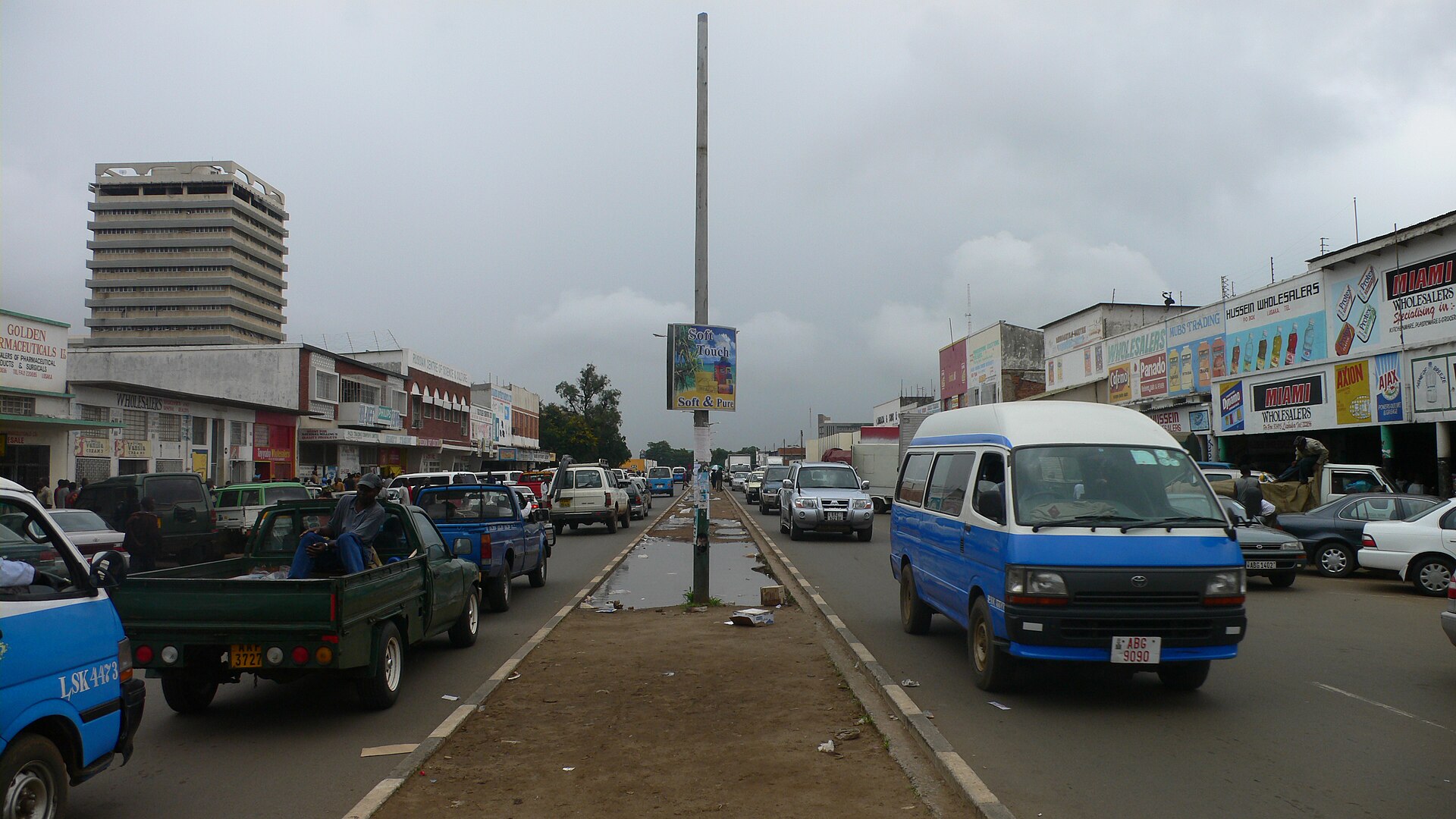
Lusaka street vendors kept trading in the centre of Zambia’s capital on 30 September 2026, after a council deadline expired. Zambia is a copper-producing country of about 21.9 million people in southern Africa.
The Lusaka City Council, which runs the capital, had ordered traders off the streets and back into designated markets. Its new mayor calls the campaign a clean-up, not a political fight.
A deadline ignored in the city centre
On 30 September vendors were trading along Cairo Road, Lumumba Road and Freedom Way, the newspaper News Diggers reported. Along Simon Mwewa Lane, however, no vendors were seen, and stalls outside a council toilet had been removed.
On 29 September business stopped along Simon Mwewa Road when vendors protested against the planned eviction. Some protesters wore the colours of the governing United Party for National Development (UPND).
That detail matters politically. The UPND is the party of President Hakainde Hichilema, and street traders are an important urban constituency.
What the council ordered
Town clerk Oliver Muuka, the council’s chief administrator, announced the order in a statement on 23 September. Vendors in undesignated areas had to leave by 29 September or lose their market spaces to new traders.
Muuka cited the Markets and Bus Stations Act No. 7 of 2007 and Statutory Instrument No. 12 of 2018. These rules let local authorities regulate trading, run public markets and control street vending.
Mayor Chitambala Mwewa, elected in Zambia’s August 2026 polls, had vowed that moving vendors into markets would be his first major task. An election petition against him is before the courts, News Diggers reported.
On 29 September Mwewa told Diamond TV that enforcement would start the next day. “Our agenda is a clean environment,” he said, insisting the exercise should not be politicised.
Mwewa later said vendors had been given 72 hours to leave, according to News Diggers. It was not clear when that window would close.
Why cholera raises the stakes
On 30 September the government declared a new cholera outbreak, with 304 cases and 11 deaths as of 29 September. Acting Health Minister Gilbert Siame said cases had appeared in seven districts, including Lusaka.
Cholera is a waterborne disease that spreads quickly where sanitation is poor. Crowded street markets without toilets or clean water are a known risk.
The link has history. During a large cholera outbreak in early 2018, the government cleared vendors from Lusaka’s streets. The army helped with the clean-up.
Traders gradually returned in the years that followed. The new outbreak gives the council a public-health argument that is harder for vendors to dispute.
The vendors’ side
Vendors told News Diggers they had nowhere else to trade. One woman, who said she had sold on the street for over ten years, said vending paid for her children’s schooling.
Many traders see formal markets as too far from customers. City-centre roads offer commuters, office workers and minibus passengers every day.
Formal jobs are scarce in Zambia, and informal trade is a safety net for many households. Losing a pitch can mean losing a family’s only income.
A wider economic squeeze
Living costs have just risen. The Energy Regulation Board raised petrol from K25.29 (about US$1.29) to K31.46 (about US$1.60) per litre for October.
Diesel rose from K26.86 (about US$1.37) to K33.27 (about US$1.69) per litre, after a temporary fuel tax waiver expired. Conversions use 19.63 kwacha per US dollar (open.er-api.com, 1 October 2026).
Zambia defaulted on its foreign debt in 2020. Its US$1.7 billion International Monetary Fund (IMF) programme, which supported the recovery, expired in January 2026.
On 30 September the government said it had begun talks with an IMF mission, which stays in Lusaka until 10 October. The government hopes to agree a deal before the end of the year, Reuters reported.
The IMF said talks focus on fiscal and debt sustainability, reserves and private-sector-led growth. It called it premature to speculate on timing or outcomes.
Copper and the bigger picture
Copper is the backbone of Zambia’s economy. The government wants to raise output from about 820,000 tonnes in 2024 to 3 million tonnes by 2031.
China and Western-backed projects such as the Lobito rail corridor to Angola’s coast compete to carry that copper. For more on this contest, see Africa: The New Scramble.
Copper money rarely reaches street traders directly. How Lusaka treats its vendors shows how growth is shared in the city.
What to watch next
The first test is whether the council removes vendors from Cairo Road and other main streets in the coming days. Clashes are possible if enforcement comes without alternative trading spaces.
The second is the cholera curve in Lusaka, which could push the government to act faster. The third is the IMF talks, which shape how much money the state has for markets and sanitation.
For foreign visitors and investors, the dispute is a gauge of how Zambia balances order with livelihoods. That balance will matter as the country courts investment in its copper boom.
Frequently Asked Questions
Why are Lusaka street vendors still trading in the city centre?
Many vendors say they have nowhere else to sell and depend on busy city-centre roads for daily income. Some told News Diggers that formal markets do not bring them enough customers.
What law is the Lusaka City Council using?
The council cites Zambia’s Markets and Bus Stations Act No. 7 of 2007 and Statutory Instrument No. 12 of 2018. These give local authorities power to regulate trading and street vending.
Why does the cholera outbreak matter?
Cholera spreads through contaminated water and food, and crowded street markets with poor sanitation raise the risk. Zambia declared a new outbreak on 30 September 2026, with cases in Lusaka.
Is it safe to visit Lusaka?
Daily life and business continue, but visitors may meet protests or council enforcement on busy central roads. Health officials advise drinking safe water and washing hands during the cholera outbreak.
Connected Coverage
Sources
- News Diggers: Street vendors defy deadline, continue trading in Lusaka CBD (1 Oct 2026)
- News Diggers: Street vendors protest eviction (30 Sep 2026)
- News Diggers: Lusaka mayor warns street vendors (29 Sep 2026)
- News Diggers: Lusaka City Council orders vendors to vacate streets (24 Sep 2026)
- News Diggers: Government declares cholera outbreak (1 Oct 2026)
- News Diggers: Fuel prices go up (30 Sep 2026)
- Reuters via Polity: Zambia starts talks with IMF mission (30 Sep 2026)
- News Diggers: Government commences talks with IMF (1 Oct 2026)
- World Bank: Zambia population and GDP
This article was produced by The Rio Times’ automated newsroom system. How we use AI · Report an error
Read More from The Rio Times