Spain Split Over Morocco Role in Ceuta Rush
One Spanish agency says Morocco directed the Ceuta crossing, another says nothing proves it, and the judge is still collecting evidence.
Migration: Spain and Morocco
Spain’s own investigators disagree on a central question about the Ceuta border rush of 30 and 31 July 2026: did Morocco organise it? A National Police report sent to the judge, according to accounts of the court file, says Morocco encouraged, drove and directed the flow of people, while the National Intelligence Centre (CNI), Spain’s intelligence service, told the court it has found no evidence that Moroccan authorities instigated, planned or coordinated it.
The split matters because Ceuta and Melilla are the European Union’s only land borders in Africa, and the answer shapes how Spain, the EU and Morocco deal with each other on migration. We found no public Moroccan reply to the police report.
Key Facts
- What. Spain’s police and intelligence service give conflicting answers on whether Morocco organised the Ceuta rush.
- Scale. Spain’s government puts entries at about 72,000 on 30 and 31 July 2026, down from an earlier 80,000.
- Open. We found no public Moroccan reply to the police report.
- Next. On 10 November Spain’s cabinet approved declassifying all CNI reports the judge asked for.
- As of. 19 November 2026, 10:00 GMT.
One Spanish agency says Morocco directed the Ceuta crossing, another says nothing proves it, and the judge is still collecting evidence.
The Big Picture: Two Agencies, Two Readings
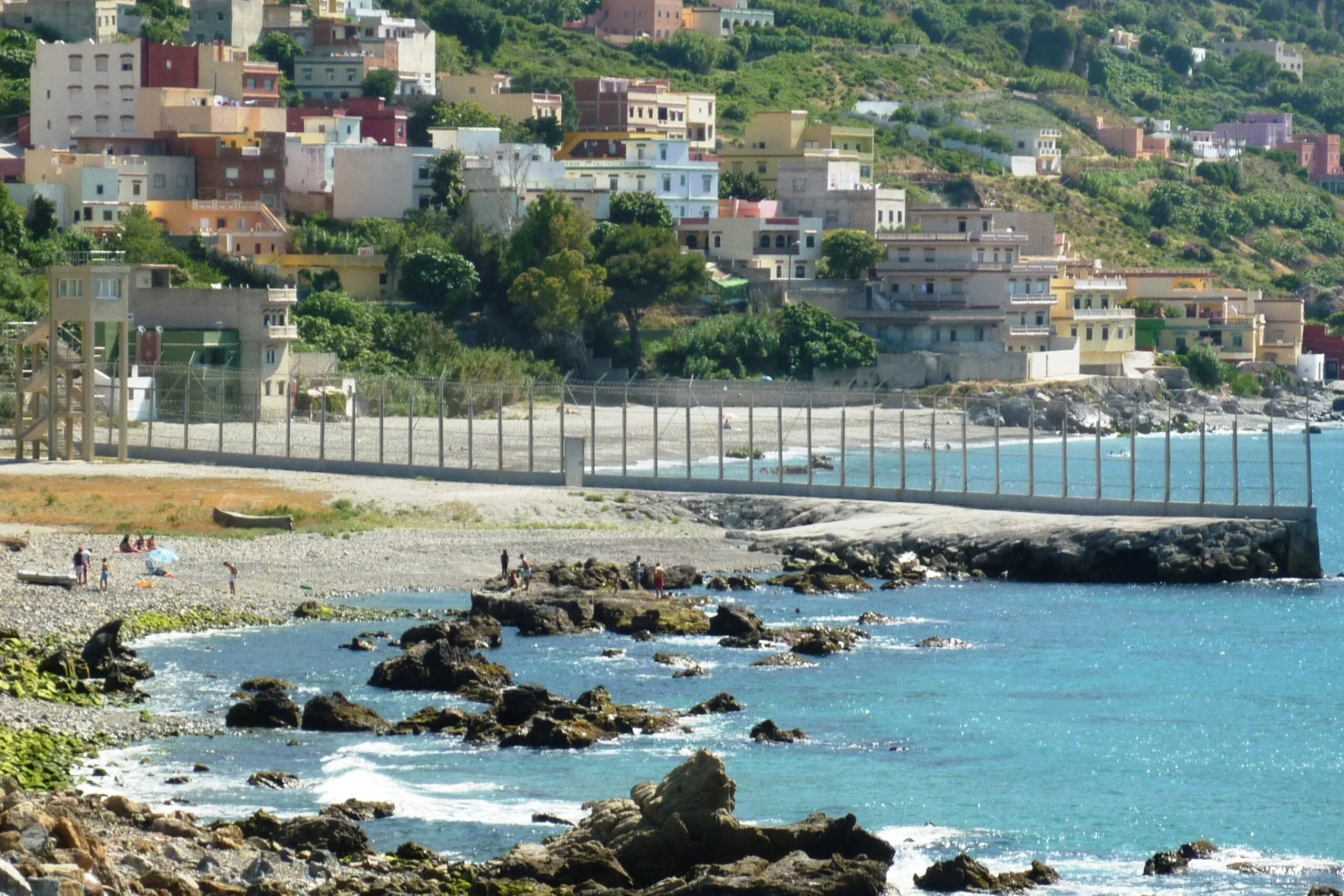
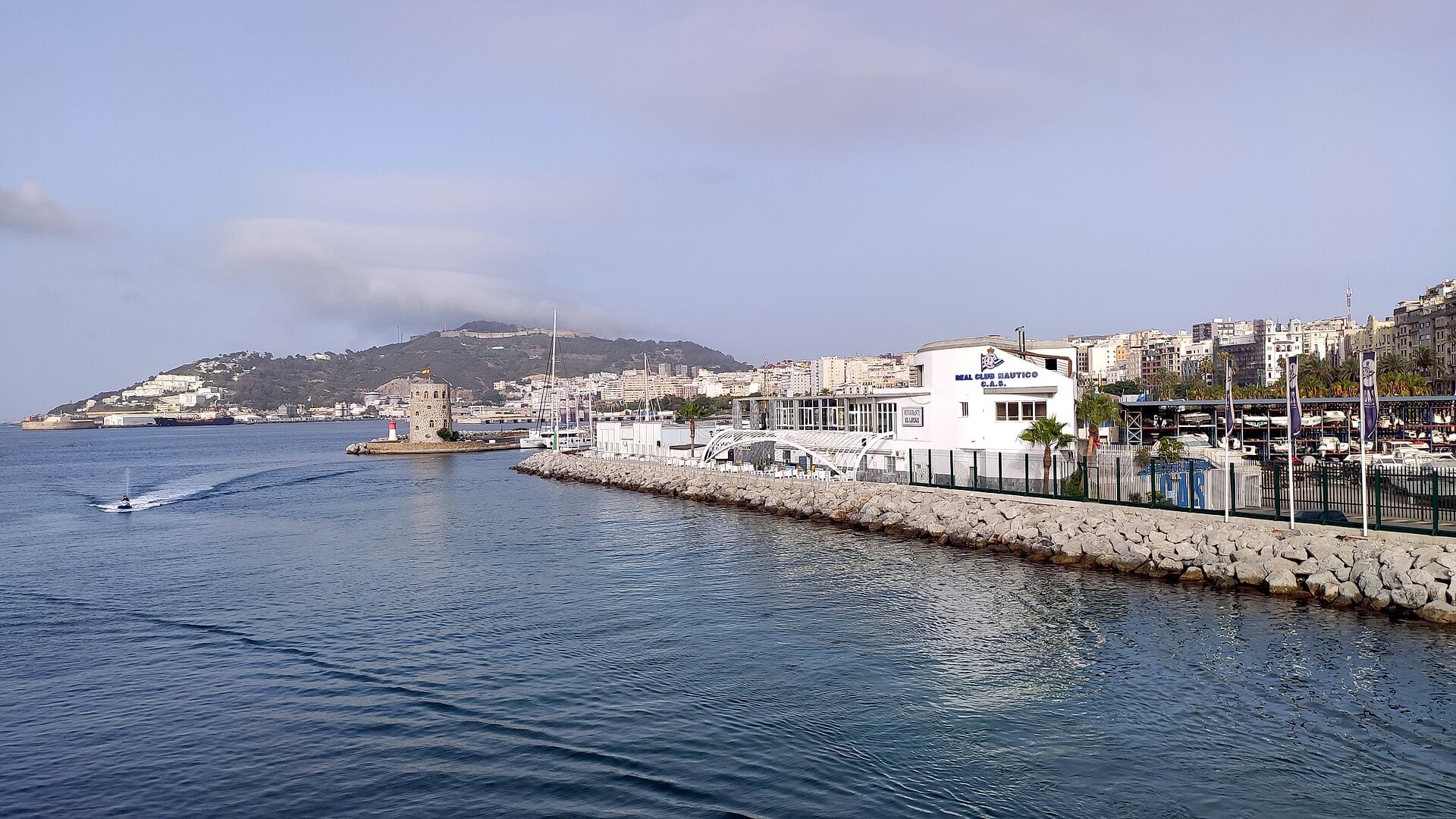
Ceuta is a Spanish city of about 84,000 people on Morocco’s Mediterranean coast, and with Melilla, Spain’s other city in North Africa, it forms the EU’s only land border in Africa. On 30 and 31 July 2026 tens of thousands of people crossed into the city, and Judge María Tardón of the National Court, which handles Spain’s most serious cases, is investigating how it happened.
The National Police immigration and borders unit, known as CENIF, concludes in a report to the court that Morocco encouraged, drove and directed a mass flow to the border, according to accounts of the document, which has not been officially released. The same accounts say it describes a predefined process and rules out a migration movement run by smuggling gangs, while noting that its open-source evidence alone does not settle who is responsible.
The CNI reached a different reading in a filing of about nine pages to the court, as quoted on 16 November. It says that to date no evidence has been obtained that the crossing was an action instigated, planned or coordinated by the Moroccan authorities, and that Moroccan officials knowing of the online calls is a different matter from organising them.
What Interior and the Guardia Civil Say
Interior Ministry sources said on 2 September that no police report attributes the planning or execution of the entry to Moroccan security forces. They added that the police director described the CENIF’s 29 July alert as a frequent type of risk alert, while press accounts describe the CENIF report the opposite way, and that contradiction is not resolved.
Interior told the judge, as reported on 6 November, that published information does not show that the WhatsApp group under investigation was an organised, stable structure. It also said Morocco’s Royal Gendarmerie arrested two administrators of that group on 6 August, according to a note from the interior office at Spain’s embassy that relied on Moroccan media.
The Guardia Civil, the paramilitary police force that helps guard the border, said in a report quoted on 16 November that Morocco stopped 493 of 1,109 swimming attempts in the 24 hours up to 8 a.m. on 30 July, about 44%. It concluded that Moroccan dereliction of duty before the breach could not be established, and it called the CNI warning partial and insufficient.
A CENIF report first cited on 2 September, and quoted again on 16 November, includes 32 photographs of Moroccan officials, 11 in uniform and 21 in plain clothes, along the route to the Tarajal breakwater, a sea wall at the border. We have not seen the photographs ourselves.
What the Judge Has Asked For
On 27 October Judge Tardón gave the government 15 calendar days to declassify the CNI reports on the 30 and 31 July entry, according to the Spanish judiciary’s press office. Her request also covers CNI communications since 30 July and the officials who received them.
The Council of Ministers, Spain’s cabinet, had declassified part of the documents on 8 September and approved all the requested CNI reports on 10 November, a day before her window ended. We could not confirm whether the files have reached the court or what they show.
What It Means for US Readers
The dispute has no direct US market impact, and we do not claim one. The people most affected are those in Ceuta and Morocco, and the Spanish government, whose handling of the warnings is under scrutiny.
For Washington the interest is diplomatic: Morocco is a US free-trade partner and a major non-NATO ally, a US status that allows closer military cooperation, while Spain is a NATO member. A finding that Rabat, Morocco’s government, directed the crossing would test relations between two US partners, while the CNI view points toward a looser, online-driven rush.
What to Watch Next
The next step is the judge’s review of the declassified CNI material, but we found no hearing date published by the court. The date of any testimony by CNI agents is not confirmed.
A second checkpoint is any Moroccan official reply to the police report, which we have not found. The court has so far published no finding.
What Is Not Known
It is unknown who ran the online calls, and whether Moroccan officials had a role beyond failing to stop them. Because neither the police report nor the CNI filing is public, we rely on published accounts of both.
Spain’s accounts also give different totals, with the government at one point citing about 80,000 entries before settling on about 72,000. How many people remain in the city is not confirmed.
Frequently Asked Questions
Did Morocco organise the Ceuta crossing?
Spain’s police say Morocco encouraged and directed it, while the CNI told the court it has no evidence of that. The court has not ruled.
How many people crossed into Ceuta?
Spain’s government puts the entries on 30 and 31 July 2026 at about 72,000. It had earlier cited about 80,000.
Who is investigating?
Judge María Tardón of Spain’s National Court, which handles major cases, is collecting police and intelligence reports.
Has Morocco responded?
We found no public Moroccan reply to the police report. Spain’s Interior Ministry told the court Morocco arrested two WhatsApp group administrators on 6 August.
Sources: Spanish National Police immigration and borders unit (CENIF) report to Spain’s National Court; National Intelligence Centre (CNI) report to the court; Guardia Civil report to the court; Spain’s Interior Ministry statements; Spanish judiciary (Poder Judicial) notice of Judge María Tardón’s 27 October 2026 request; Council of Ministers declassification decisions of 8 September and 10 November 2026. Related Rio Times coverage: Leaked report on the Ceuta crossing, Morocco warns Spain, Morocco in Spain’s election, Ceuta’s unaccompanied minors.
This article was produced by The Rio Times’ automated AI newsroom. Editorial responsibility: Matthias Camenzind, Publisher and Editor-in-Chief. The Rio Times also runs Ask Rio Times, which answers from 100,000+ of our own articles, the daily Latin America Power Map, and prediction-market odds on elections and markets.. How we use AI · Report an error
Spain's Election and Pedro Sánchez
- How Spain Got Here: Pedro Sánchez’s Eight Years in Power
- Why Spain’s Prime Minister Pedro Sánchez Could Lose His Job
- Spain’s Next Leader? Meet Alberto Núñez Feijóo
- Spain Explained 2026, How It Ranks in Europe