Ceuta Unaccompanied Minors Number 2,100 in a System Built for 29
Spain · Society
Key Facts
- —Where this is Ceuta, a Spanish city of about 83,000 on the Moroccan coast, facing Gibraltar across the strait.
- —What happened in July Tens of thousands crossed the border in one night, most by swimming around a sea wall.
- —What remains A Spanish minister said on Saturday that about 2,100 unaccompanied children are still there.
- —What the city can hold Its official capacity for unaccompanied children is twenty-nine places.
- —What the law says Once an extraordinary migration event is declared, transfers to mainland Spain become compulsory.
- —Why it is stuck Regional governments run by the opposition have refused to take them.
On the night of 30 July, tens of thousands of people crossed into Spain’s North African enclave of Ceuta. Most were returned within days. The children who stayed are now the subject of an argument between Madrid and Spain’s regional governments.
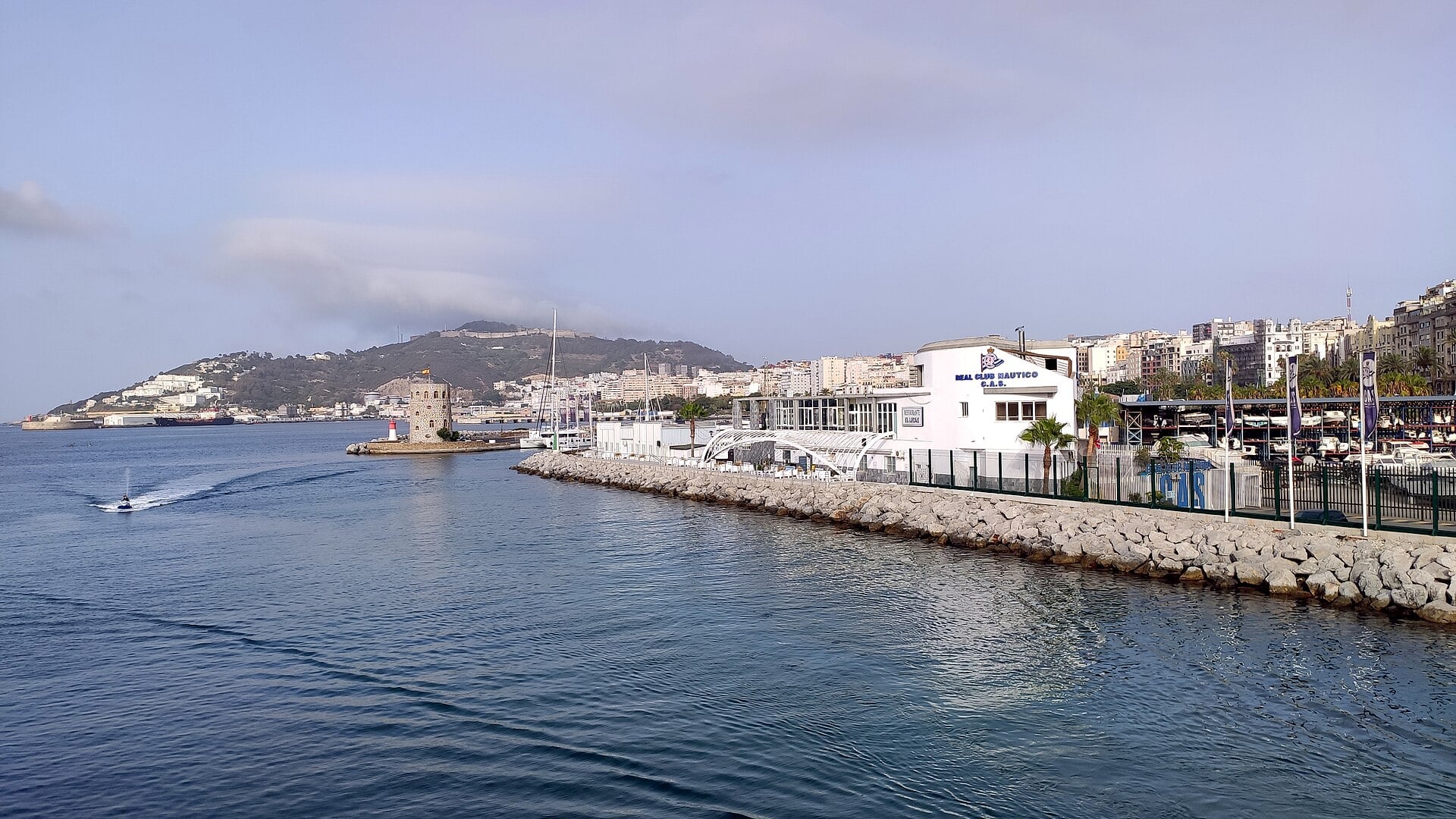
Ceuta unaccompanied minors now number about 2,100, according to Spain’s minister for youth and childhood. The city’s official capacity for them is twenty-nine places.
What Ceuta Is
Ceuta is a Spanish autonomous city on the North African coast, about 18 square kilometres with roughly 83,000 residents. It faces Gibraltar across some 14 kilometres of water.
Spain has held it since 1668 and it is European Union territory. Morocco claims it, along with Melilla further east, and Spain rejects the claim.
Every landward border is with Morocco. The perimeter is a double fence running about eight kilometres, with the main crossing at Tarajal in the south-west.
That geography is the whole story. A person who reaches Ceuta has reached the European Union without crossing the Mediterranean.
The Night of 30 July
On the night of 30 and 31 July, people crossed into Ceuta in very large numbers. Most swam around the Tarajal sea wall rather than going over the fence.
The figures are contested and should be given as a range. Spain’s interior ministry put about 50,000 people on the night, and roughly 72,000 irregular entries by 4 August.
Morocco said around 40,000. Neither government has published a reconciled count.
Almost all were returned quickly. Around 69,500 had gone back to Morocco by 1 August.
Deaths are also disputed. Ceuta’s city government said 88, Spain’s interior minister said 75, and Morocco reported eleven.
A 500-metre inflatable barrier was installed on the sea wall on 1 August to block the swimming route. The land crossing has stayed open throughout.

The Arithmetic of the Care System
Nine days before the crossing, Ceuta unaccompanied minors in the city’s protection centres numbered 182, against a structural capacity of 29. That was already more than five times over.
The figure of 2,100 is therefore not the number in care. A large share of those children have not yet been formally identified or taken into guardianship.
Spain’s ombudsman noted that many remain pending identification and hidden in various parts of the city. He opened an own-motion investigation on 13 August.
His findings describe people sleeping outdoors, inadequate drinking water and sanitation, insufficient clean clothing, poor medical attention and food shortages. He singled out girls who are not yet inside the protection system.
The prosecution service issued guidance on protecting the children on 7 August. More than 30 sexual assault proceedings have been opened since the arrival.
Unaccompanied minors are the victims in about 40 percent of them. The prosecutors and the childhood ministry jointly urged faster transfers on 11 September.
Why They Are Still There
Spanish law was changed in March 2025 to handle exactly this. A decree provides that once an extraordinary migration event is declared, transfers to other regions become compulsory.
The deadline it sets is fifteen days. Two further decrees set each region’s ordinary capacity.
A contingency was declared for Ceuta on 1 September 2025. The city’s assigned ordinary capacity of 27 to 29 places means it tips into contingency almost immediately.
The obstacle is political rather than legal. Regional governments run by the main opposition party have refused to take the children.
The government’s position is that reception is a legislative obligation rather than a choice. One coalition partner said on 13 September it would ask the ombudsman to investigate the refusals.
Ceuta’s own city government, from the same opposition party, has refused to hand over municipal sports halls. It says the central state should take responsibility.
What Has Actually Moved
Between August 2025 and late May 2026, 346 Ceuta unaccompanied minors were transferred to mainland Spain. By late July the 2026 total stood at 439.
After the crossing the government opened 500 mainland places and began moving people around 19 August, starting with girls. It raised funding for their care to 30 million euros, about US$35 million, and requisitioned two school buildings.
No cumulative total since July has been published, and no breakdown by destination region exists publicly. Ceuta has committed more than eight million euros, near US$9 million, to expanding places.
Some girls are being housed in industrial units while work on a permanent centre runs behind schedule. That is the physical reality behind the legal argument.
Morocco’s Answer
Morocco’s foreign ministry issued a statement on 10 September rejecting any responsibility. It said there are no facts or reports demonstrating any involvement by Moroccan authorities.
It also refused to be made a scapegoat in Spanish political score-settling. The ministry asked why irregular migrants are not being returned when Morocco has officially agreed to readmit them.
It further asked why Ceuta unaccompanied minors remain separated from their families despite Moroccan requests for their return. A Moroccan interior ministry spokesman blamed misinformation and trafficking networks for the crossing.
One Spanish coalition party held Morocco responsible by action or omission on 31 August. The two governments continue to describe relations as good.
More: Africa coverage, every day from The Rio Times.
Frequently Asked Questions
How many unaccompanied children are in Ceuta?
Spain’s minister for youth and childhood said on 13 September 2026 that about 2,100 remain in the city. That is not the number in formal care: nine days before the July crossing, Ceuta’s protection centres held 182 children against a structural capacity of 29, and many of the 2,100 have not yet been identified or taken into guardianship.
What happened in July?
On the night of 30 and 31 July 2026, people entered Ceuta in very large numbers, mostly by swimming around the Tarajal sea wall. Spain’s interior ministry put the figure around 50,000 on the night and roughly 72,000 irregular entries by 4 August; Morocco said around 40,000. Almost 70,000 were returned to Morocco within days.
Why have the children not been moved to mainland Spain?
Spanish law makes transfers compulsory once an extraordinary migration contingency is declared, which happened for Ceuta on 1 September 2025. Regional governments run by the main opposition party have refused to take them, and the dispute is political rather than legal.
Where is Ceuta?
It is a Spanish autonomous city of about 83,000 people on the North African coast, roughly 18 square kilometres, facing Gibraltar across some 14 kilometres of water. It is European Union territory, bordered on all landward sides by Morocco, which claims it. The land crossing at Tarajal is open.
Sources: Moncloa on the minister’s figure for Ceuta, Maldita on the July border crossing and the disputed figures, Spanish Official Gazette, Real Decreto-ley 2/2025, Público on the ombudsman’s own-motion investigation, Euronews on Morocco’s response, El Pueblo de Ceuta on transfers to the mainland
This article was produced by The Rio Times’ automated newsroom system. How we use AI · Report an error
Read More from The Rio Times