MOROCCO · POLITICS
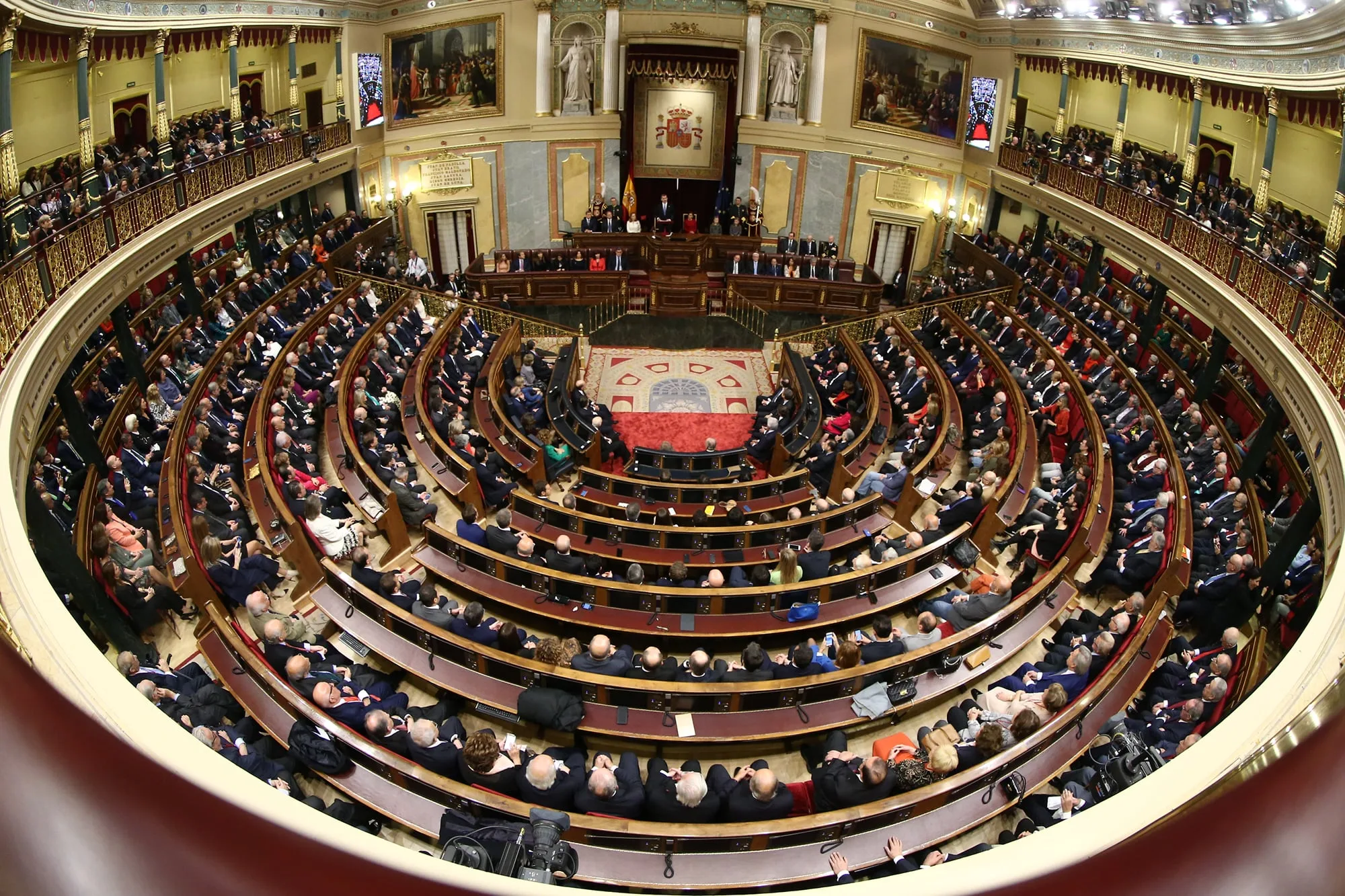
Morocco has become a central theme of Spain’s general election campaign, ahead of the vote on Sunday 29 November 2026. The conservative Popular Party (PP) and Vox, a nationalist anti-immigration party, are putting Prime Minister Pedro Sánchez’s ties with Morocco at the centre of their campaigns.
The PP leader, Alberto Núñez Feijóo, says he would put the army on the border at Ceuta, a Spanish city on Morocco’s coast, if a crossing were repeated and Rabat, Morocco’s capital, did not cooperate. Vox promises an audit of Spanish citizenship grants and has not said how it would carry it out.
For US readers, the vote matters because Spain is a NATO ally and Morocco is a US free-trade partner. The two neighbours also share the European Union’s only land borders with Africa, at Ceuta and Melilla, Spain’s two enclaves on Morocco’s coast.
Key Facts
- Vote Spain holds its general election on Sunday 29 November 2026.
- Vox Promises an audit of citizenship grants; it has not said how it would carry it out.
- PP Its leader doubts Morocco is a strategic ally and warns of army action if Ceuta crossings recur.
- Government Most applicants, including Moroccans, must declare renunciation; no proof of loss is required.
- As of Tuesday 17 November 2026, 08:30 GMT
Spain’s two main right-wing parties are putting relations with Morocco at the centre of the campaign. The vote on 29 November will show how far that message carries.
The Big Picture
Ceuta and Melilla are Spanish cities on Morocco’s coast, and they give Spain and Morocco the European Union’s only land borders with Africa. In a letter of 14 March 2022, Sánchez told Morocco’s king that the 2007 autonomy plan for Western Sahara, a disputed territory, was “the most serious, realistic and credible basis” for settling it.
Unidas Podemos, a left-wing party then in his coalition, rejected that turn. The mass crossing into Ceuta on 30 and 31 July 2026 reopened the debate.
Our earlier reports on the Ceuta crisis and on Morocco’s reply set out the background. They are linked for context only.

What Vox and the PP Propose
Vox leader Santiago Abascal has promised a “great audit” of nationality grants as one of the party’s priorities, and Vox has long asked for such a review of grants to people of Moroccan origin. We could not read Vox’s full programme text and found no official count of how many grants it would examine.
Spain’s Civil Code requires most applicants to declare that they renounce their previous nationality (article 23). It exempts natives of Ibero-American countries, Andorra, the Philippines, Equatorial Guinea and Portugal, and Sephardic Jews of Spanish origin.
Feijóo said in a podcast interview with the YouTuber Jordi Wild, released on Friday 13 November, that Morocco cannot be treated as a strategic ally if it breaches the border of the European Union. He said he would put the army on the border at Ceuta if a crossing were repeated and Rabat did not cooperate.
On 16 October Feijóo demanded that the navy be sent to Ceuta, that Spain’s ambassador in Rabat be recalled and that Morocco’s ambassador be summoned. Government sources replied that they had no record of Moroccan vessels in Ceuta’s waters beyond the late-July incident.
How the Government Answers
The government replied to Vox in Parliament in late 2025 that the law requires the declaration of renunciation but not proof that the old nationality has been lost. Spanish citizens of Moroccan origin hold the same rights as all other citizens.
Morocco, for its part, is a long-standing US partner: the United States–Morocco free trade agreement has been in force since 2006, according to the US Trade Representative. We did not find an official Moroccan response to either party’s proposals.
What It Means for You
The PP and Vox promise a harder line on migration and borders, while the government defends the current citizenship rules. Voters decide between those paths on 29 November, and the result will shape Spain’s role as an ally on Europe’s southern flank.
Travellers to Spain or Morocco will see no change before the vote, because no new border rule has been announced. Readers who follow the wider race can see our guide to Spain’s snap election.
What to Watch
The head-to-head debate between Sánchez and Feijóo is set for Thursday 19 November 2026, organised by the Academia de la Televisión (Spain’s television academy) with María Casado, a television journalist, moderating. See our debate preview for the format.
The campaign ends with the vote on Sunday 29 November 2026. Any new policy toward Morocco would have to wait until a new government takes office after the vote.
What Is Not Known
Vox has not said how it would audit individual citizenship grants, or what would happen to people who lose their Spanish nationality. Abascal’s wording is taken from his public statements, and we could not read the full programme.
Feijóo cites Article 8 of the Constitution, which gives the armed forces the task of guaranteeing Spain’s territorial integrity, but he has not said how a deployment would work in practice. We found no official count of Moroccan-origin naturalisations that any audit would cover.
More: Morocco news in English, every day from The Rio Times.
Frequently Asked Questions
When Is Spain’s General Election?
Spain votes on Sunday 29 November 2026. The Sánchez–Feijóo debate comes first, on Thursday 19 November.
Why Is Morocco an Issue in the Campaign?
The PP leader blames the government for the Ceuta border crisis of 30 and 31 July and for its ties with Rabat. The government says the law requires only a declaration of renunciation.
What Does Vox Propose on Citizenship?
Vox leader Santiago Abascal has promised an audit of nationality grants. The party has not said how it would carry it out.
What Does the PP Leader Say About Ceuta?
Alberto Núñez Feijóo says Morocco cannot be treated as a strategic ally if it breaches the border of the European Union. He says he would put the army on the border at Ceuta if a crossing were repeated and Rabat did not cooperate.
Sources: Spanish Civil Code, article 23, Boletín Oficial del Estado (boe.es); Partido Popular leader Alberto Núñez Feijóo, statement of 16 October 2026, and interview on The Wild Project (a Spanish YouTube podcast), 13 November 2026; Spanish government, reply to Vox in Parliament, late 2025; Vox, election programme for 29 November 2026; Pedro Sánchez, letter to King Mohammed VI, March 2022; Academia de la Televisión, debate schedule for 19 November 2026; US Trade Representative, Morocco free trade agreement (ustr.gov).
This article was produced by The Rio Times’ automated AI newsroom. Editorial responsibility: Matthias Camenzind, Publisher and Editor-in-Chief. The Rio Times also runs Ask Rio Times, which answers from 100,000+ of our own articles, the daily Latin America Power Map, and prediction-market odds on elections and markets.. How we use AI · Report an error
Spain's Election and Pedro Sánchez
- How Spain Got Here: Pedro Sánchez’s Eight Years in Power
- Why Spain’s Prime Minister Pedro Sánchez Could Lose His Job
- Spain’s Next Leader? Meet Alberto Núñez Feijóo
- Spain Explained 2026, How It Ranks in Europe