Key Facts
- What. Spain’s Supreme Court refused to bar about 190,000 adult children of newly naturalised citizens from voting.
- When. The ruling came on Monday 9 November 2026, less than three weeks before the 29 November general election.
- Frozen. About 163,000 people naturalised under the Grandchildren Law stay barred unless they prove descent from exiles.
- Not known. How many of the affected voters are Cuban, and how the court will rule on the main case.
- Prediction markets. Polymarket, a site where users bet on outcomes, gives the People’s Party (PP), Spain’s main conservative opposition party, an 85% chance of winning the election (10 November 2026, 1:30 a.m. ET).
- As of 10 November 2026, 06:30 GMT.
Spain’s Supreme Court has ruled that about 190,000 adult children of Spaniards newly naturalised under the Grandchildren Law, a route to citizenship for descendants of Spanish exiles, can vote in the general election on Sunday 29 November 2026. The ruling on Monday 9 November leaves about 163,000 people naturalised under the law, whose votes were frozen in September, barred unless they can prove descent from exiles.
For US readers, the decision matters because it decides who may vote from abroad, including from the United States, in an election that will choose Spain’s next government. It also shows how a 2022 law that offers citizenship to descendants of Spaniards who fled the Civil War and the Franco dictatorship, popularly called the Grandchildren Law, has become a fight over the size of the overseas electorate.
What the Court Decided
The Supreme Court’s administrative chamber turned down a request from Vox, a conservative party, and from Iustitia Europa, a legal association that brought the challenge with it. They had asked the judges to extend an earlier freeze on voting rights to the children of those naturalised under the law.
The judges said they had not changed their view and admitted that, in strict logic, doubts about the registration of the naturalised should reach their children too. They still declined to act, citing legal certainty and the stability of the election.
The election is about three weeks away, the court noted. It also had serious doubts that a freeze could be carried out in time.
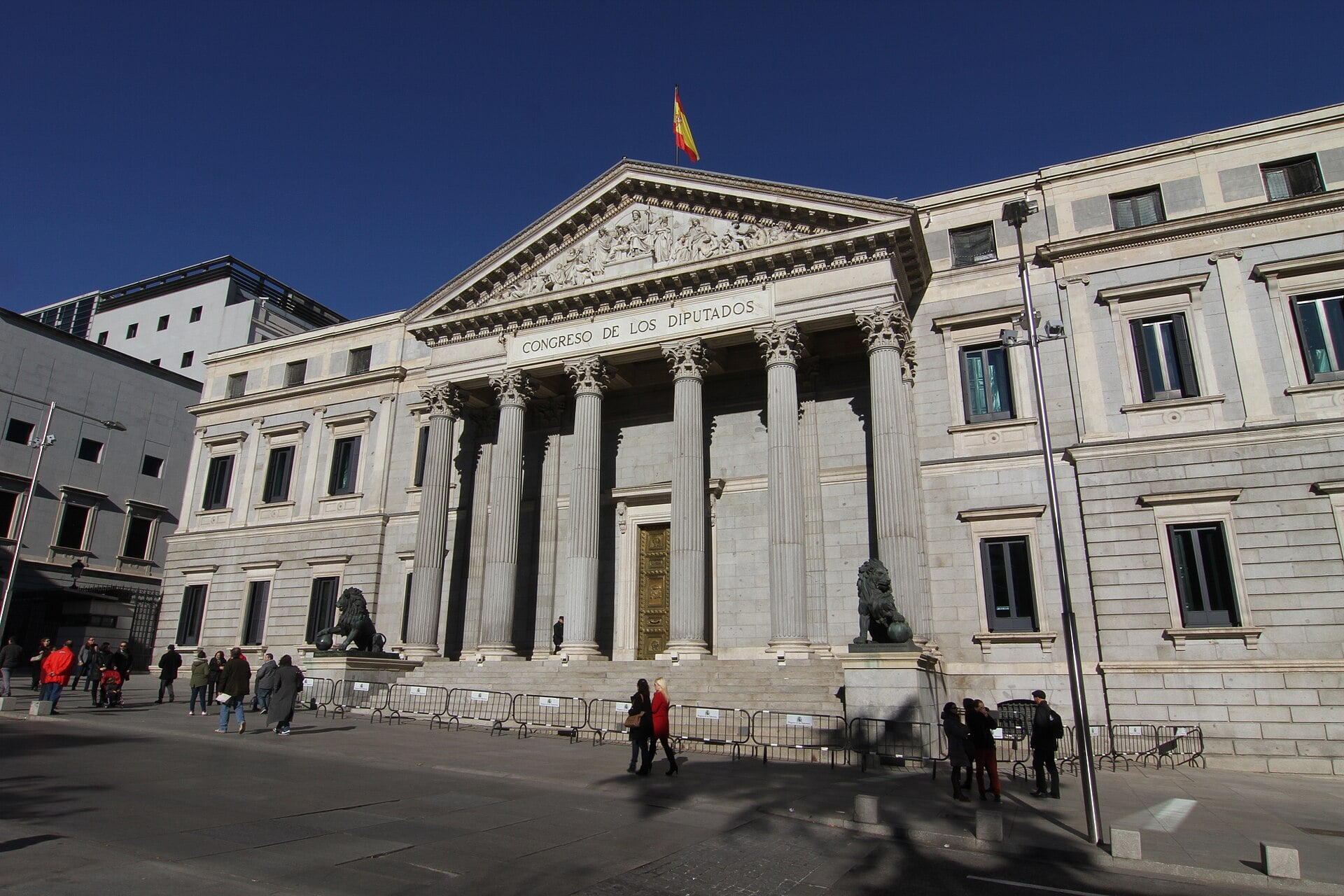
These are interim orders, so the main case is still open, and one judge wrote a dissent. The court stressed that it still stands by its earlier freeze on the vote of the naturalised.
Who Is Affected
The Grandchildren Law is the popular name for a provision of Spain’s 2022 Democratic Memory Law. It gives Spanish nationality to children and grandchildren of Spaniards who went into exile for political, ideological, belief-based or sexual-orientation reasons.
A later Justice Ministry instruction, issued in October 2022, presumed that anyone who left Spain between 1936 and 1955 was an exile, with no need to document the reasons. The people whose voting rights the court questions were naturalised through this route.
The court’s orders concern the CERA, the Census of Absent Residents, which is the electoral roll for Spaniards who live abroad. In September it suspended the voting effect of registrations by people naturalised under the provision, unless they proved descent from exiles.
Reports from Cuba say Cubans are among those affected, but this is not confirmed and no official count by nationality has been published. The 190,000 and 163,000 figures cover all nationalities.
What Prediction Markets Say
Polymarket, where users bet real money on outcomes, shows the People’s Party (PP) at about 85% in its Spain General Election Winner market, with more than US$100,000 traded as of 1:30 a.m. ET on 10 November 2026. These prices are bets, not polls.
Why we show this: prediction markets turn real-money bets into a live probability that moves within minutes of the news, which is why investors, campaigns and newsrooms in the United States now follow them closely. We show them next to polls and official results, never instead of them.
What It Means for You
For a Spanish citizen by this route living in the United States, the answer now depends on one question: are you the naturalised citizen, or that person’s adult child? Children stay on the voting roll, while the naturalised remain suspended unless they proved descent from an exile.
Readers who hold such citizenship should check their registration with their Spanish consulate before voting. For the wider race, see our reports on the latest poll and on how polls and bettors compare.
What Is Not Known
No official figure says how many of the 190,000 children, or of the 163,000 people whose votes are frozen, are Cuban. The Supreme Court has also not ruled on the main case, so a later decision could still change the rules for future elections.
Frequently Asked Questions
Who can vote in Spain’s 29 November election under the ruling?
Adult children of people naturalised under the Grandchildren Law remain on the voting roll. The naturalised themselves stay suspended unless they proved descent from exiles.
What is the Grandchildren Law?
It is a provision of Spain’s 2022 Democratic Memory Law that grants nationality to children and grandchildren of Spaniards exiled for political, ideological, belief or sexual-orientation reasons. A later Justice Ministry instruction presumed exile for anyone who left between 1936 and 1955.
Does the ruling take away anyone’s Spanish nationality?
No. The orders concern registration on the roll for Spaniards abroad and the right to vote, not citizenship itself.
Sources: Spain’s Supreme Court, orders on the electoral roll of Spaniards abroad, September and November 2026 · Polymarket, Spain General Election Winner market, read 10 November 2026.
This article was produced by The Rio Times’ automated AI newsroom. Editorial responsibility: Matthias Camenzind, Publisher and Editor-in-Chief. The Rio Times also runs Ask Rio Times, which answers from 100,000+ of our own articles, the daily Latin America Power Map, and prediction-market odds on elections and markets.. How we use AI · Report an error