Economy · Cuba
—The stakes. Foreign investors tracking Caribbean risk face a shrinking Cuban state unable to keep the power grid running or import enough fuel to operate basic infrastructure.
—The date. On July 6, 2026, Cuba suffered a nationwide blackout after the national electrical grid experienced a total collapse, according to the energy ministry.
—The fuel shock. Energy Minister Vicente de la O Levy confirmed on May 14, 2026, that Cuba had absolutely no fuel, oil and absolutely no diesel, leaving the system in a critical state.
—The US pressure. Since January 2026, Washington has imposed a fuel blockade that threatens tariffs on any country supplying oil to the island, cutting almost all tanker arrivals.
—The restoration gap. By July 7, 2026, only about a third of Havana’s electricity had been restored, while controlled outages in some areas stretched to 30 hours.
Havana is no longer measuring electricity in hours lost but in hours without power at all. The grid that underpins every import, hospital and factory on the island has collapsed repeatedly in 2026, and investors are now watching a sovereign economy run on reserves it does not have.
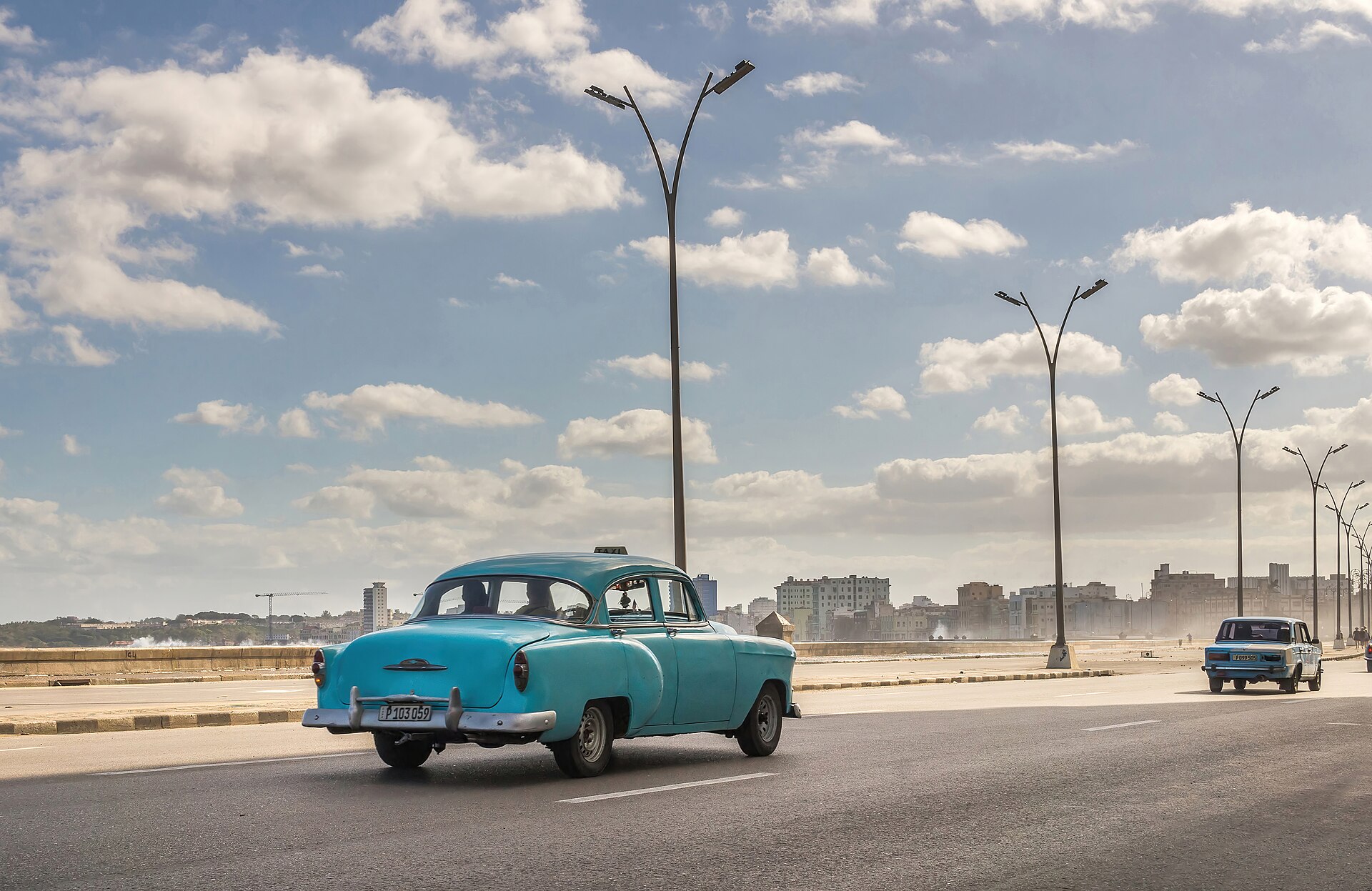
Total collapse of the national grid
Cuba entered July 2026 with a power system close to exhaustion. On Monday, July 6, the national electrical grid suffered a total collapse, according to the island’s energy ministry, leaving the country without broader service.
NPR reported that the island-wide blackout affected approximately 11 million residents, marking the third significant blackout in four months.
By Tuesday, July 7, only about a third of Havana’s electricity had been restored, and authorities were still investigating the cause of the failure.
Reuters notes the country experienced four nationwide outages by July 2026, including a collapse on July 10 that was the second island-wide failure that week.
Al Jazeera reported on July 14 that another grid collapse triggered the third nationwide blackout in less than 10 days, leaving approximately 10 million people without electricity once more.
Fuel runs out completely
The grid failure is rooted in fuel scarcity. On May 14, 2026, Energy Minister Vicente de la O Levy said Cuba had absolutely no fuel, oil, and absolutely no diesel, a statement carried by Al Jazeera.
The same day, Reuters reported blackouts of 20 to 22 hours a day in many Havana districts after the minister announced the country had completely run out of diesel and fuel oil.
AP News confirmed that Cuba produces barely 40 percent of the fuel it needs, a structural shortfall that leaves the island hostage to imported tankers.
Only one Russian tanker reached the island after January 2026, delivering 730,000 barrels of oil in late March. That supply ran out by end-April, according to AP.
The Antonio Guiteras Thermoelectric Power Plant broke down amid the lack of Russian and Venezuelan fuel shipments, pushing outages up to 18 hours a day by March 17, 2026.
The US fuel blockade since January 2026
The current crisis began when the United States imposed a fuel blockade in January 2026, as reported by Reuters. The policy threatens tariffs on any nation supplying Cuba with fuel.
The Wikipedia article on the 2026 United States fuel blockade on Cuba states that since January 2026, Washington has been imposing a fuel blockade causing ongoing shortages and a broader economic crisis.
US President Donald Trump imposed the embargo personally, threatening tariffs on oil suppliers to Cuba and forcing the island’s main suppliers to stop oil shipments.
President Miguel Diaz-Canel responded on social media by accusing Washington of trying to induce a social explosion through asphyxiation, according to CNN.
The blockade had entered its fourth month by mid-May 2026, according to Reuters, leaving the grid without the imported fuel it needed to stabilise.
Blackouts measured in days, not hours
The scale of shortages became visible in daily life. AP News reported on May 14 that power outages in Havana stretched to 24 consecutive hours as the grid crumbled.
Al Jazeera’s May 14 report said some parts of Havana faced outages of more than 19 hours a day, and some provinces experienced blackouts through entire days.
Reuters put the figure even higher, recording 20 to 22 hours without electricity in many Havana districts during the same period.
By July 6, AP News noted controlled outages up to 30 hours, meaning parts of the capital experienced more than a full day without power.
Official media said average daily power outages reached 20 hours during the first half of 2026, with an electricity deficit of 1,955 megawatts, according to Yenisafak.
A grid built in another era
Much of Cuba’s electricity infrastructure dates back to the 1960s and 1980s, according to Al Jazeera, leaving it vulnerable to breakdowns.
NPR notes that the aging electrical grid has significantly deteriorated in recent years, with more frequent outages and nationwide blackouts becoming routine.
The system’s fragility is visible in the repeated failures. National-scale blackouts occurred on March 4, March 16 and March 21, 2026, according to the Wikipedia article on 2024-2026 Cuba blackouts.
On August 3, 2026, the grid collapsed again following a nationwide blackout late Sunday, a fresh setback that Reuters said highlighted the fragility of the system.
Al Jazeera counted the July 7, 2026 failure as the third nationwide blackout since the start of the year and the eighth blackout since late 2024.
Economic contraction sharpens
Official media said the Cuban economy contracted sharply during the first half of 2026, according to Yenisafak, reflecting the energy shock spreading through every sector.
The fuel blockade has constrained more than electricity. CNN reported that Cuba has curtailed hospital services and surgeries, with residents resorting to wood fires for heating water.
President Diaz-Canel reported tens of thousands of surgeries delayed due to power shortages, according to CNN’s March 18, 2026 report.
The lack of diesel and fuel oil means factories, transport and water pumping systems run intermittently or not at all, amplifying the contraction beyond the power sector alone.
The inability to import fuel also restricts imports of food, medicine and spare parts, because foreign suppliers cannot reliably move goods into a country without working logistics.
Fuel dependency below 40 percent
Cuba’s structural dependency is stark. As of 2023, the island produced only about 40 percent of the oil it consumed, according to Al Jazeera.
AP News reported in May and July 2026 that Cuba produces barely 40 percent of the fuel it needs, leaving the other 60 percent subject to external political pressure.
Reliance on Russia and Venezuela has not protected the island. A Russian tanker delivered 730,000 barrels in late March 2026, but that buffer was exhausted by the end of April.
The threat of US tariffs has made even willing suppliers cautious, reducing tanker arrivals to nearly zero after January 2026.
Energy Minister Vicente de la O Levy said the evening peak deficit would exceed 2,000 megawatts, with 1,100 megawatts of generation lost on May 14 alone due to fuel shortages.
Medical and social fallout
The blackouts are now a public health problem, not just an inconvenience. CNN reported that hospital services and surgeries have been curtailed across the island.
President Diaz-Canel said tens of thousands of surgeries were delayed because hospitals could not guarantee electricity for operating theatres and equipment.
Residents in Havana and other cities have turned to wood fires for heating water and cooking, a practice that had largely disappeared from urban Cuba.
Water pumps depend on electricity, meaning prolonged blackouts cut access to running water and strain sanitation systems.
The combination of no fuel, no refrigeration and limited transport is worsening food spoilage and complicating distribution of existing supplies.
Protests and public pressure
Blackouts have triggered visible discontent. Al Jazeera’s May 14 report linked the power outages to protests, with residents taking to the streets in parts of Havana.
The government has attributed the crisis to a genocidal energy blockade, quoting Diaz-Canel in AP News, while blaming US sanctions for shortages of fuel, financing, and spare parts.
Reuters described the grid as critical in mid-May, a word rarely used by official sources and one that signalled the severity of the moment.
The repeated grid collapses in July, which left millions without electricity for days, have made restoration a matter of political survival as much as engineering.
For foreign investors, the protests signal that the population no longer accepts blackouts as a seasonal inconvenience but views them as a failure of the state.
Tourism, emigration and the investor view
Investors in Caribbean tourism and logistics should treat Cuba’s electricity supply as a core constraint, not a peripheral risk. A destination with 20-hour blackouts cannot sustain hotel operations, food safety, or airport services.
The collapse of the grid undermines the value of existing Cuban tourism assets, because unreliable power and water make occupancy recovery impossible even where demand exists.
The fuel blockade has squeezed remittance flows indirectly, because families abroad cannot rely on normal communication or transport links with relatives on the island.
The political risk premium on Cuban exposure has risen, as Washington’s tariff threats against third-country fuel suppliers create legal and financial uncertainty for any shipping or energy counterparty.
Diversified investors should monitor whether the repeated grid collapses push Havana toward emergency procurement deals that could alter the sanctions regime, but as of early September 2026 no such shift is verified.
The big picture: Cuba explained — economy, politics, society and daily life in one read.
Reform signals and what to watch next
No verified reform package has emerged to address the energy crisis structurally. The public record shows emergency management rather than market-based policy changes.
The government continues to blame the US blockade, with Diaz-Canel using terms such as genocidal energy blockade and social explosion through asphyxiation, indicating a political rather than economic response for now.
The only confirmed external supply was the Russian tanker delivery of 730,000 barrels in late March 2026, suggesting that relief depends on tankers willing to risk US tariffs.
Investors should watch for any announcement of new fuel suppliers, grid maintenance agreements, or changes in how the state manages the Antonio Guiteras Thermoelectric Power Plant.
The August 3, 2026 grid collapse, coming after a Sunday blackout, confirms that the system remains fragile with no verified stabilisation timeline in place.
Connected Coverage
Cuba Tourism Hits Bottom With 73 Percent of Hotels Closed as Havana Says It Is Opening Up
Cuba Takes Its Hunger Blockade Claim to the UN Security Council
The Big Picture
Latest developments
- Slash Brazil Concerts 2027 Guide — 8 October 2026
- Interpol, Queens of the Stone Age Mexico City — 8 October 2026
- Argentine League Final 2026 in La Plata — 8 October 2026
- Brazil Serie A 2026 Title Race Guide — 8 October 2026
This article was produced by The Rio Times’ automated newsroom system. How we use AI · Report an error · Editorial responsibility: Matthias Camenzind, Editor-in-Chief
LatAm Markets: Live Signals → — real-time movers, turnover leaders and FX across Latin America.
Expat Guide to Cuba
What The Rio Times publishes for foreigners who live in or move to Cuba.
Start here
- Moving to Cuba 2026, Step by Step
- Panama Visa Appointment System Launches for Havana Applicants
- Spain and Portugal Close Their Golden Visa Doors, Forcing LATAM Investors to Reroute
Coming up in Cuba
Understand Cuba