
SOUTH AFRICA · LOCAL ELECTIONS
Key Facts
- What happened MK, the party of ex-president Jacob Zuma, won Richmond council outright in the 4 November vote.
- The numbers MK won 56.27% of votes and 10 of 17 seats; the long-ruling African National Congress (ANC) got 30.15%.
- Before In 2021 the ANC won Richmond with 69.76% of votes and 9 of 14 seats.
- Also MK holds a seat majority in Johannes Phumani Pungula and iMpendle, two more former ANC councils.
- Still counting Counting is incomplete nationally: 58% of voting districts and 92 of 213 councils were final by Thursday night.
Former president Jacob Zuma’s MK party has taken Richmond, a KwaZulu-Natal town council, from the African National Congress (ANC), South Africa’s long-ruling party. The Electoral Commission of South Africa (IEC), which runs the vote and the count, shows MK on 56.27% and 10 of 17 seats.
The ANC fell from 69.76% in 2021 to 30.15%, and two more KwaZulu-Natal councils also moved to MK majorities by Thursday night. The result shows how far the ANC has slid in parts of KwaZulu-Natal, though counting nationwide is far from finished.
What the Count Shows in Richmond
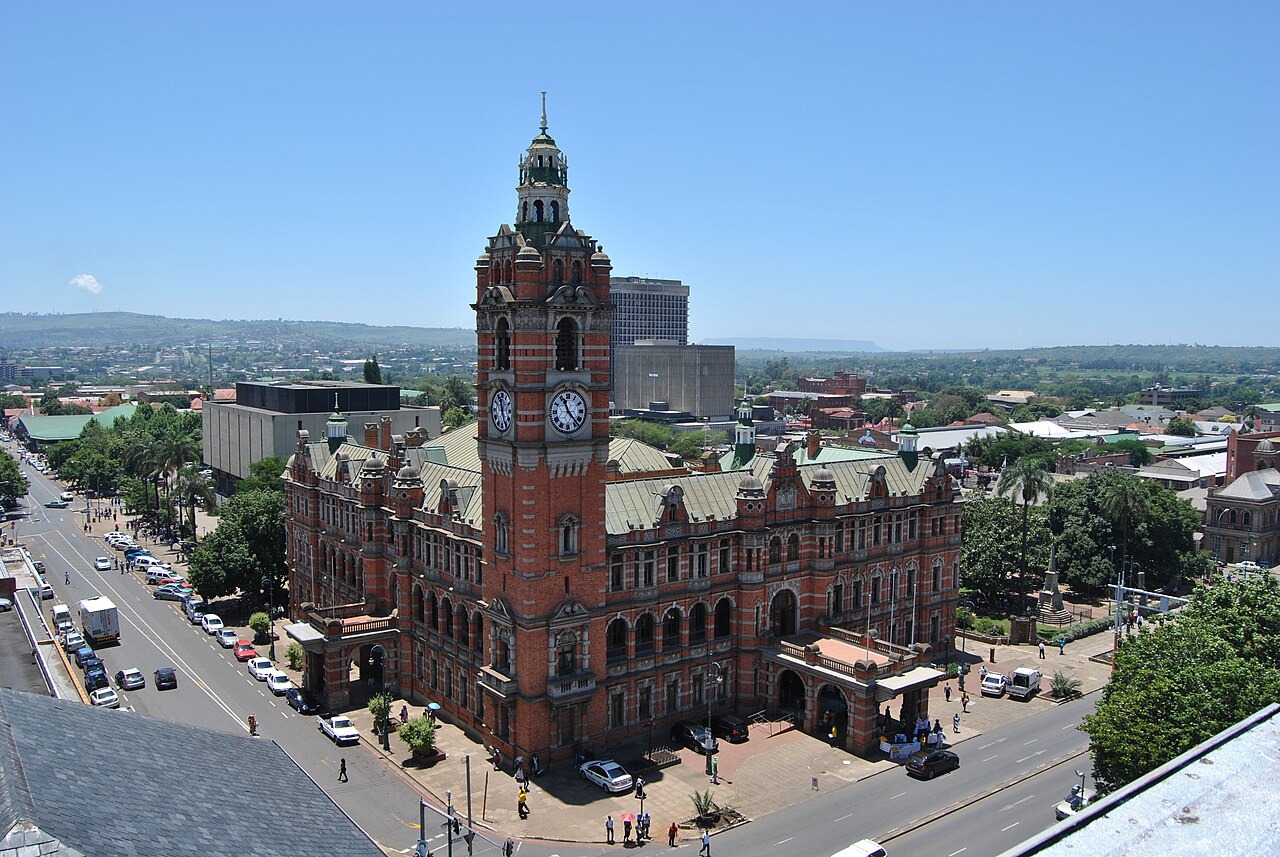
Richmond is a small municipality in the KwaZulu-Natal Midlands with 17 council seats and 45 voting districts. The IEC lists its count as 100% complete at about 9 p.m. on Thursday, 5 November 2026.
MK won 24,362 votes, or 56.27%, and took eight of the nine ward seats plus two seats from the party lists. The ANC won 13,054 votes, or 30.15%, and five seats.
The Democratic Alliance (DA), South Africa’s main opposition party, took two list seats with 8.86%. No other party won a seat in the council.
How Far the ANC Fell Since 2021
In the 2021 local elections the ANC took 69.76% of the vote in Richmond and nine of 14 seats, according to the IEC archive. The council now has 17 seats, so the seat counts are not a like-for-like comparison.
The Economic Freedom Fighters (EFF), a left-wing party led by Julius Malema, won 12.06% and two seats in 2021. This time it got 0.99% and no seat.
MK won a Richmond ward by-election from the ANC in March 2025, an early sign of the shift now confirmed across the whole council. Our earlier report on how MK shook up South African politics tracks that rise.
Two More Councils Go to the MK Party
MK also holds a majority of seats in Johannes Phumani Pungula, where it took 47.84% of the vote and 14 of 27 seats. The ANC won 63.04% there in 2021, when the council was called uBuhlebezwe.
In iMpendle, MK took 42.61% and six of 11 seats, against 58.30% for the ANC in 2021. In both councils the ANC is now second, with 29.53% and 26.37%.
In several other KwaZulu-Natal councils MK leads the count but holds fewer than half the seats, so it would need partners to govern. Those results can still change as the remaining voting districts are counted.
Where the National Count Stands
By about 9 p.m. on Thursday the IEC had counted 58% of voting districts and finished 92 of the 213 councils. Across the votes counted so far the ANC had 31.64%, the DA 25.48% and MK 8.39%.
Of the 92 finished councils, 27 have one party with an outright majority and 65 are hung, meaning no party holds half the seats. Hung councils force parties to bargain over who becomes mayor, as our guide to South Africa’s 10-party coalition politics explains.
Final figures come only when the IEC declares the results for every council. Until then, national shares will keep moving as the large city districts report.
In Plain English, Who Is Who
MK, short for uMkhonto weSizwe, is a party launched in December 2023 and led by Jacob Zuma. Zuma was South Africa‘s president from 2009 to 2018, and the name means Spear of the Nation.
The ANC led South Africa’s government alone from 1994 until 2024, when it lost its national majority and formed a coalition. The DA is part of that national coalition, while MK sits in opposition.
A ward seat goes to the winner of one neighbourhood contest, while list seats are shared out by each party’s overall vote. Zuma met an anti-migrant group on election eve, as our report on the Zuma meeting shows.
What It Means for You
South Africa is one of the biggest US trading partners in sub-Saharan Africa, and many American investors hold its mining shares and bonds. Local elections do not change national policy, but they show how much support the ruling coalition keeps.
KwaZulu-Natal is home to Durban, one of Africa’s busiest container ports, and MK topped the province in the 2024 national vote. A strong MK makes local deals and coalitions there harder to predict for firms that ship through the province.
For US travelers nothing changes right away, because municipal councils run water, roads, refuse and local electricity supply. Visitors should still follow local advice in the days after the vote.
What Is Not Known
It is not known who will become mayor of Richmond or when its council will first meet. Both steps follow the IEC’s formal declaration of results, which has not yet come for every council.
It is also unknown whether MK will keep its majorities in the other two councils or whether rivals will challenge any result. Voting took place on Wednesday, 4 November, and counting continues.
More: Africa news in English, every day from The Rio Times.
Frequently Asked Questions
Which Council Did MK Win From the ANC?
MK won Richmond in KwaZulu-Natal with 56.27% of the vote and 10 of 17 seats. It also holds seat majorities in Johannes Phumani Pungula and iMpendle.
Who Is Jacob Zuma?
Jacob Zuma was South Africa’s president from 2009 to 2018 and now leads the MK party, launched in December 2023. He is a former ANC leader.
Are These Final Results?
No. The Electoral Commission still had 42% of voting districts to count on Thursday night, and it declares final results council by council.
What Does a Hung Council Mean?
A hung council is one where no single party holds more than half the seats. Parties must then form a coalition to elect a mayor.
Sources: Electoral Commission of South Africa (IEC), 2026 municipal election results dashboard, 5 November 2026; Electoral Commission of South Africa (IEC), 2021 municipal election results for Richmond and uBuhlebezwe, 2021.
Editorial responsibility: Matthias Camenzind, Editor-in-Chief · Editorial standards · Report an error