Published Thursday, Nov. 5, 8:50 a.m. ET (3:50 p.m. Johannesburg) · Source: Electoral Commission of South Africa (IEC) media briefing
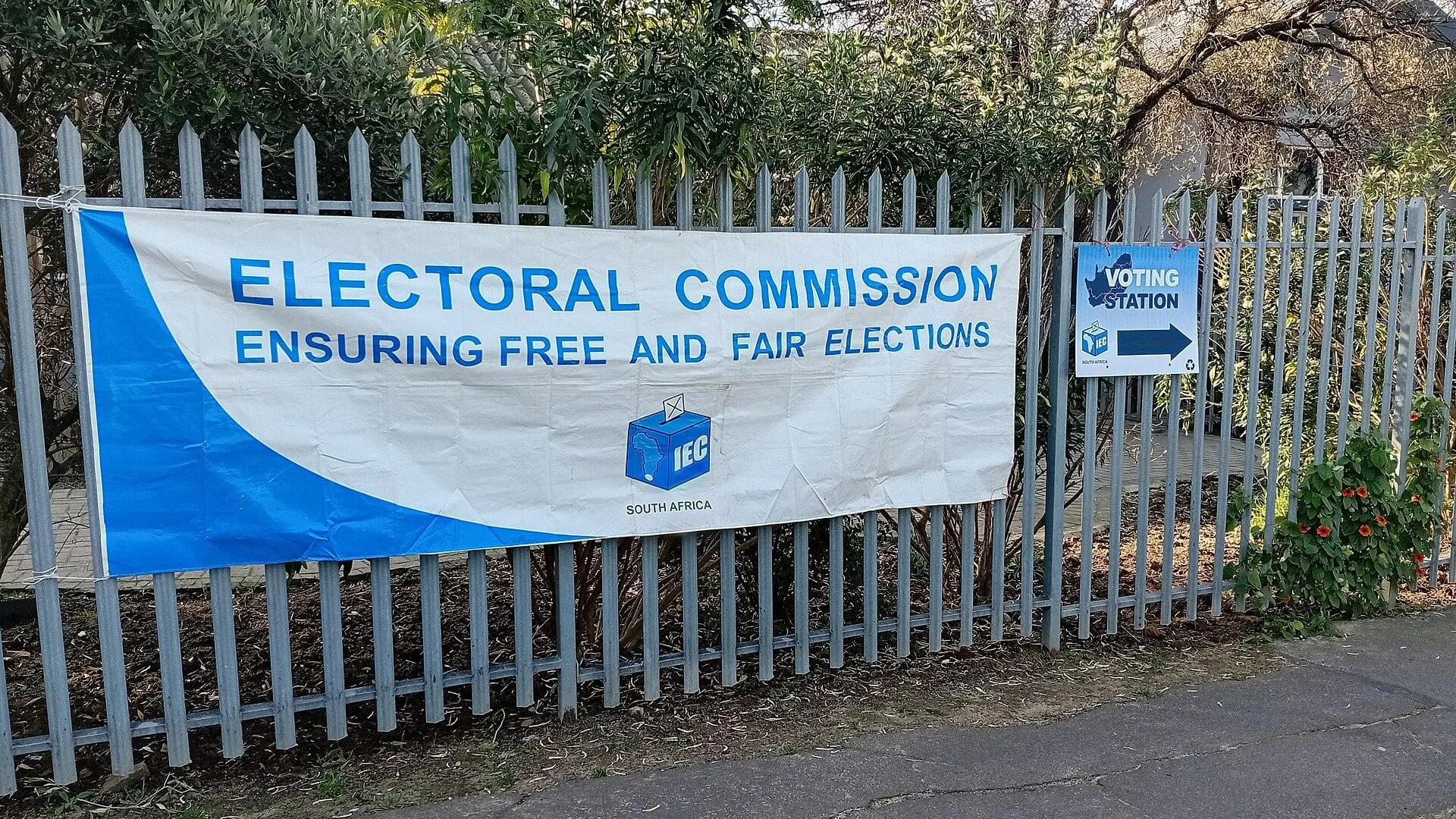
South Africa has voted, and now it has to wait. The Electoral Commission of South Africa (IEC), the independent body that runs the country’s elections, says 15.9 million people took part in the local government elections.
That is the headline number from a Thursday briefing, and the next number matters more for the timing of results. Parties had lodged more than 800 complaints by Wednesday night, and about 106 were still open. Our early look at the Johannesburg and Tshwane count has the first signals.
Key Facts
- Turnout: The IEC, South Africa’s election authority, says 15.9 million people voted, early special votes included.
- Complaints: Parties lodged more than 800 complaints. Most are settled, and about 106 remain open.
- Deadline: Objections that could change results are due by 5 p.m. Friday, Nov. 6 (10 a.m. ET).
- Next: The IEC will not declare results before that deadline. By law it has seven days.
In plain English
South Africans voted for their local councils, the bodies that run cities and towns. Before the IEC can name winners, parties get a short window to challenge how the vote was run.
Why 15.9 Million Is Only Part of the Story
Deputy Chief Electoral Officer Masego Sheburi gave the turnout figure at the IEC’s media briefing on Thursday. The number covers special votes cast on Nov. 2 and 3, for people who could not vote on the main day, and general voting on Wednesday, Nov. 4.
More than 29 million people are on the voters’ roll, so 15.9 million is a little over half by our own arithmetic. The IEC has not yet published an official turnout rate, and the final figure may differ once counting ends.
What the 800 Complaints Are About
Most complaints concern the conduct of voting-station staff and the treatment of party agents. Party agents are the observers that parties send to watch voting and counting.
Sheburi said the main allegation was that agents were prevented from observing the process at some stations. “The majority of those objections were closed and determined,” he said, adding that about 106 remain open.
The IEC handles complaints on three levels. Presiding officers, who run individual voting stations, deal with the first. The second covers complaints raised directly with the commission, and the third lets parties object to declared results in ways that could change the outcome.
Can an Unsigned Result Slip Be Challenged?
Chief Electoral Officer Sy Mamabolo addressed claims that some party agents did not countersign result slips. These are the sheets that record each station’s count.
“When party agents don’t countersign the result slip, it doesn’t invalidate that result slip,” he said. “That result slip remains official as signed by the presiding officer.”
When Will the Final Result Come?
Objections that could affect the outcome must be filed by 5 p.m. on Friday, Nov. 6 (10 a.m. ET). Sheburi said the commission cannot release or declare results before that deadline.
The law gives the IEC seven days to declare results, and the commission says it will release them as soon as every objection has been handled lawfully. The IEC has also asked parties and supporters not to share unverified results, warning that false claims could fuel tensions.
Counting was still under way on Thursday, and no national result exists yet. Until the IEC declares, any tally on social media is unofficial.
What It Means for US Readers
These are local elections, so the result decides who runs councils in South African cities rather than who governs the country. Even so, councils control services such as water, electricity and roads that businesses depend on.
Many councils may need coalitions, as our guide to South Africa’s coalition politics explains. For investors and travellers, the main signal to watch is whether the IEC declares on schedule without a wave of court challenges.
What Is Not Known
The final results, the official turnout rate and the number of hung councils are not yet known. The IEC has not published a breakdown of the 106 open complaints by party, type or station.
We also do not know whether any party will take its objections to court. Earlier in the week we reported on how voting opened, and our South Africa coverage will follow the declaration.
Frequently Asked Questions
How many South Africans voted?
The IEC says 15.9 million people took part, counting special and election-day votes. The official turnout rate has not been published.
When will final results be announced?
Not before 5 p.m. South Africa time on Friday, Nov. 6 (10 a.m. ET), when the objections deadline passes. The law allows the IEC seven days.
Sources: Electoral Commission of South Africa (IEC) media briefing, Nov. 5, 2026 (elections.org.za); IEC voters’ roll statements.
Editorial responsibility: Matthias Camenzind, Editor-in-Chief · Editorial standards · Report an error
Part of our ongoing coverage
Africa: The New Scramble — the great-power contest over the continent.