
Published Wednesday, 4 November, 4:28 a.m. ET · Source: Electoral Commission of South Africa, Ipsos, Polymarket, Rio Times reporting
Key Facts
- What: South Africa's seventh local government elections since 1994 opened on schedule on Wednesday, 4 November 2026.
- When: Polls opened at 7 a.m. local time (midnight ET) and close at 9 p.m. (2 p.m. ET).
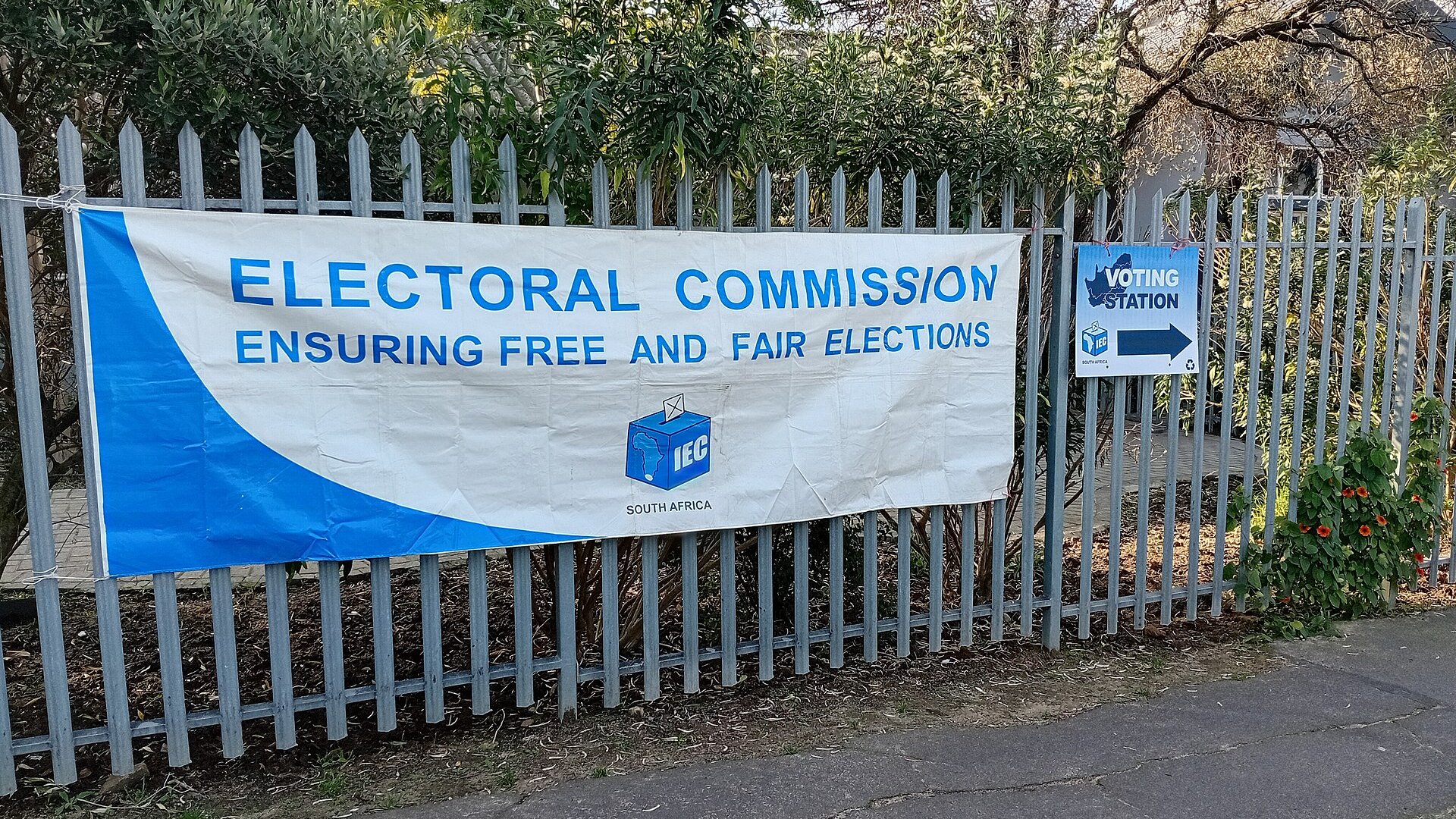
- Who: More than 29 million registered voters can cast ballots at 23,696 voting stations.
- At stake: 10,526 council seats in 257 municipalities, including the eight largest cities, known as metros.
- Prediction markets: Polymarket, a crypto-based prediction platform, priced Helen Zille at 54% to become Johannesburg mayor, as of 4:22 a.m. ET on 4 November.
South Africa woke up to a vote that could reshape the politics of its biggest cities, and the polls opened without drama. Follow every step of the count on our live election hub, and read our earlier look at what to watch.
Polls Open on Schedule
Voting began at 7 a.m. local time on Wednesday, 4 November 2026, which was midnight Eastern Time (ET) on the same date. Mosotho Moepya, chairperson of the Electoral Commission of South Africa (IEC), the independent body that runs the vote, said "all indications that we have at this stage is that all is up and running out there."
He added that stations had "opened successfully almost everywhere in the country," without claiming every location was free of problems. Voting ends at 9 p.m. local time, which is 2 p.m. ET, and voters already inside a station's boundaries at closing may still cast ballots.
What Is at Stake
Voters are choosing 10,526 council seats in 257 municipalities. Those include the eight metros, the country's largest urban authorities, where coalitions often decide who runs the city.
Special votes, cast early by people who could not attend on the day, took place on Monday, 2 November and Tuesday, 3 November. The IEC approved more than 2.6 million voters for them.
Live Market IntelligenceCrypto — Live Market Board
Rio Times · Live Market Intelligence
Crypto — Live Market Board
+0.67%
| Instrument | Last | Change | YoY | Prev. | High | Low | Volume |
|---|---|---|---|---|---|---|---|
| BTC | 80,543 | +0.67% | -29.41% | 80,007 | 80,550 | 79,380 | 21,816,416,256 |
| ETH | 2,348 | +1.18% | -43.00% | 2,320 | 2,349 | 2,295 | 8,316,267,520 |
| SOL | 100.98 | +0.22% | -49.19% | 100.75 | 101.04 | 99.17 | 2,110,777,984 |
| XRP | 1.32 | +1.04% | -49.89% | 1.31 | 1.32 | 1.29 | 1,574,615,552 |
| BNB | 750.98 | +1.29% | -34.10% | 741.42 | 751.10 | 733.56 | 1,470,316,160 |
| ADA | 0.21 | -0.30% | -69.21% | 0.21 | 0.21 | 0.20 | 190,120,672 |
| DOGE | 0.08 | +0.78% | -60.98% | 0.08 | 0.08 | 0.08 | 441,746,112 |
| AVAX | 8.84 | -1.36% | -56.54% | 8.96 | 8.96 | 8.67 | 289,961,824 |
| LINK | 11.47 | +0.80% | -37.04% | 11.38 | 11.47 | 11.23 | 248,509,440 |
| DOT | 0.99 | -2.05% | -68.52% | 1.01 | 1.01 | 0.98 | 109,918,912 |
| LTC | 56.59 | -0.13% | -43.06% | 56.66 | 56.87 | 55.70 | 169,852,160 |
| BCH | 290.36 | +3.57% | -47.81% | 280.36 | 292.52 | 277.47 | 195,939,216 |
| TRX | 0.33 | -0.51% | +9.69% | 0.33 | 0.33 | 0.33 | 371,519,040 |
| XLM | 0.17 | +0.21% | -47.60% | 0.17 | 0.17 | 0.17 | 107,134,680 |
| HBAR | 0.08 | -1.56% | -58.82% | 0.08 | 0.08 | 0.08 | 55,674,584 |
| NEAR | 4.62 | +2.60% | +97.50% | 4.50 | 4.64 | 4.39 | 630,712,192 |
| ATOM | 1.61 | -1.48% | -49.28% | 1.64 | 1.64 | 1.60 | 30,012,314 |
| AAVE | 132.37 | -2.36% | -43.78% | 135.57 | 135.87 | 129.56 | 246,790,448 |
What the Polls Say
The latest national poll by Ipsos, a market research institute, was released on Friday, 30 October. It put support for the African National Congress (ANC), the party of President Cyril Ramaphosa, at 30 percent, its lowest on record.
In Johannesburg, Ipsos had the ANC at 27 percent and the Democratic Alliance (DA), a rival party, ahead at 30 percent. In Durban, known as eThekwini, it showed the MK party, founded by former president Jacob Zuma, at 47 percent, down 8 points from an earlier wave, with the ANC at 10 percent.
A separate poll by SABI Strategy Group for News24, a South African news site, put Helen Zille, the DA's Johannesburg mayoral candidate, at 36 percent. That would leave her short of a majority and in need of coalition partners.
Election-Day Rules
The only political activity allowed inside a voting station's boundaries is voting. No rallies, marches, demonstrations or political meetings may take place anywhere in the country on election day.
Moepya said anyone who breaks the rules faces a fine or up to five years in prison. Voters must also cast their ballot at the station where they are registered.
Legal Questions Linger
In mid-October the Constitutional Court, the country's highest court on constitutional matters, ruled that the ANC could field 181 candidates in six municipalities. Another 2,093 candidates from other parties remain excluded.
What Prediction Markets Say
On Polymarket, traders priced Helen Zille at 54.0% to win the Johannesburg mayoralty (about US$138,000 traded). Geordin Hill-Lewis, the DA leader and current Cape Town mayor, stood at 96.9% for Cape Town (about US$16,000 traded). Apostle Mxolisi Phakathi, the MK candidate, stood at 90.5% for Durban (about US$49,000 traded). All prices are as of 4:22 a.m. ET on 4 November.
Why we show this: prediction markets turn real-money bets into a live probability that moves within minutes of the news, which is why investors, campaigns and newsrooms in the United States now follow them closely. We show them next to polls and official results, never instead of them.
What It Means for US Readers
The IEC publishes a results dashboard at elections.org.za, the primary source for official figures. Polls close at 2 p.m. ET on 4 November, so the first results are likely to appear on Wednesday afternoon and evening in the United States.
The outcome matters for investors because the big metros run ports, power distribution and property taxes. Coalition deals in Johannesburg, Cape Town and Durban will shape service delivery and the ANC's national standing.
What Is Not Known
No national turnout figure had been published as of writing, and final results are not yet available. We could not confirm the fieldwork dates or sample sizes of the Ipsos and SABI polls.
It is also unclear whether the excluded candidates will prompt legal challenges, or when each municipality will declare. The law gives the IEC seven days, which points to Wednesday, 11 November.
Frequently Asked Questions
When do South Africa's polls close?
Voting stations close at 9 p.m. South African time on Wednesday, 4 November 2026, which is 2 p.m. ET. Voters already inside a station's boundaries at that time can still vote.
How many people can vote?
More than 29 million people are registered to vote at 23,696 stations. They elect councils in 257 municipalities.
Where can US readers follow the results?
The IEC results dashboard at elections.org.za carries official figures. Our live hub follows the count as it develops.
This article was produced by The Rio Times’ automated newsroom system. How we use AI · Report an error · Editorial responsibility: Matthias Camenzind, Editor-in-Chief
Part of our ongoing coverage
Africa: The New Scramble — the great-power contest over the continent.