Moving to South Africa 2026 — Visas, Costs and a First-Year Plan
GUIDES · SOUTH AFRICA
Key Facts
- —What it is A visa-first move to South Africa, planned around Home Affairs rules, exchange control and tax residence.
- —Who it’s for Skilled workers, business founders, remote earners, retirees and family members joining a sponsor.
- —What it costs Visa fees vary by category and filing point, while a business visa needs R5 million (about US$308,000).
- —Why it matters Your visa route decides whether you may work, trade, join family or retire here.
- —The catch Home Affairs reports about 54,000 overdue applications again, so timelines remain uncertain.
Moving to South Africa in 2026 means choosing a visa route first, then building your budget, banking and schooling plans around that single decision.
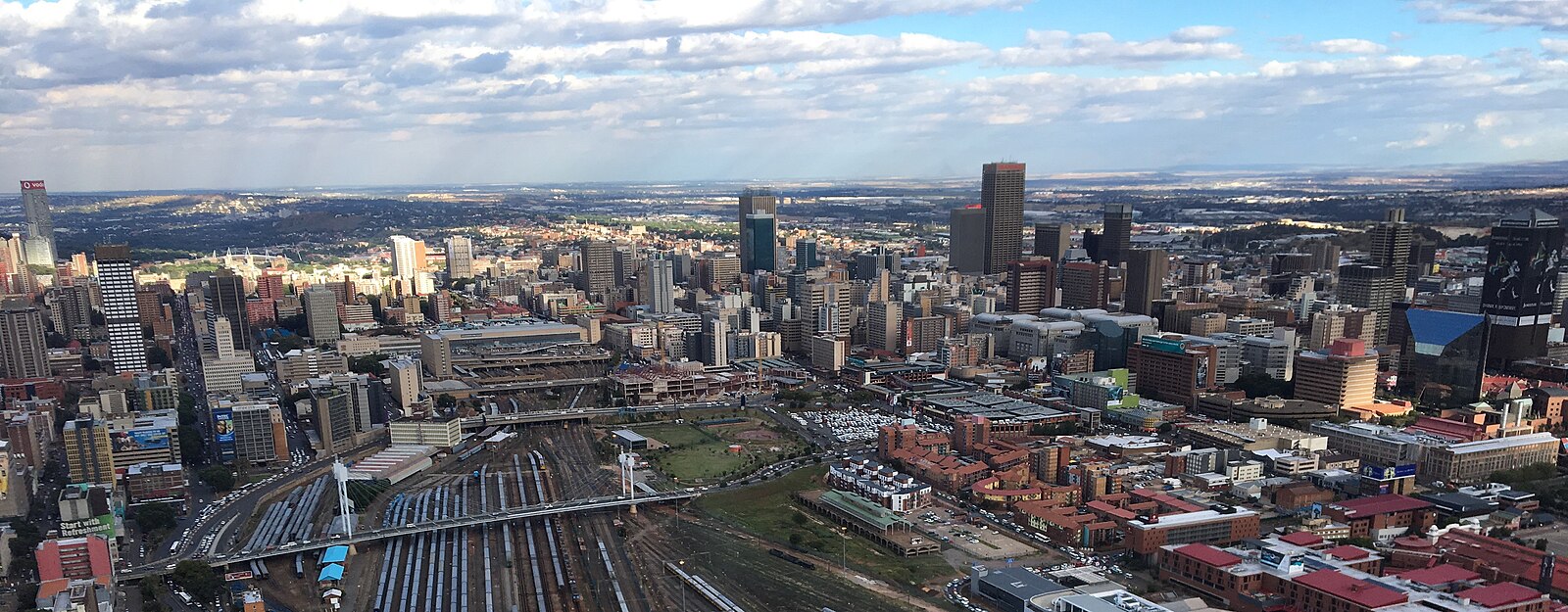
Moving to South Africa in 2026 begins with one decision: which visa route fits your life. That choice sets your paperwork, your costs and whether you may work, trade, join family or retire.
Moving to South Africa Starts With the Visa Decision
Every later choice — city, home, school, bank — follows from the visa route. Anyone moving to South Africa should settle the route first, then build the plan around it.
The critical skills work visa suits people whose occupation appears on the gazetted critical skills list. It runs for up to five years and needs a verifiable offer of employment.
The general work visa is for a job offer when the role is not on that list. The employer must show it could not find a suitable South African candidate.
The business visa is for people who establish or invest in a South African business. The prescribed cash contribution is R5 million (about US$308,000), set by ministerial notice in July 2014.
A remote work visa has existed since regulations took effect on 20 May 2024. It requires gross foreign income of at least R1 million a year (about US$61,700).
The retired person visa asks for proof of R37,000 a month (about US$2,280) from a pension, annuity or similar source. It rests on means, not employment.
Spousal and relative visas rely on the relationship and the sponsor’s status. A relative’s visa runs up to two years, needs an undertaking of R8,500 a month (about US$525) and allows no work.
How the Points System Changed Work Visas
Immigration regulations introduced a points system for general work and critical skills visas on 8 October 2024. Applicants must score at least 100 points to qualify.
Points come from salary, qualifications, experience, language and whether the occupation sits on the critical skills list. A labour department certificate is no longer part of the standard file.
A salary above R976,194 a year (about US$60,200) scores 50 points. A salary from R650,796 to R976,194 (about US$40,100 to US$60,200) scores 20 points.
The critical skills list in force was gazetted on 3 October 2023 as Government Gazette 49402. No replacement list had been published by September 2026.
Foreign qualifications usually need evaluation by the South African Qualifications Authority, known as SAQA. Some occupations also require registration with a professional body.
Home Affairs, Fees and the Backlog Reality

The Department of Home Affairs decides these applications, and its queue has moved in both directions. It reported clearing more than 90 percent of a backlog of about 300,000 applications by early 2025.
By September 2026 the department acknowledged that about 54,000 overdue applications had built up again. It set a target of clearing them by 31 March 2027.
Pending appeals stood at 21,847 on 28 July 2026, and 13,148 of those, or 60.2 percent, were overdue. Daily monitoring and approved overtime are among the stated responses.
Directive 7 of 2026, issued on 30 March 2026, protects people waiting for outcomes. Holders of pending long-term visa and appeal applications keep their status until 30 June 2027.
The directive lets covered applicants leave and return on verifiable receipts for the pending application. Permanent residence applicants and short-stay extensions are excluded.
Fees are not uniform, so anyone moving should check the South Africa mission or centre where they will file. Use the current official schedule rather than a single quoted 2026 amount.
Cape Town or Johannesburg — What Each City Costs
Families moving from Europe or North America usually compare Cape Town and Johannesburg,South Africa’s two main destinations for foreigners.
Cape Town usually costs more for housing in central and Atlantic seaboard suburbs. Many newcomers still choose it for scenery, walkability and an established foreign community.
Johannesburg generally gives more space for the same rent and sits closer to corporate head offices. Commuting patterns and security planning matter more there.
No official database publishes live rents for either city. Treat any comparison, including this one, as a direction of travel rather than a price list.
Leases are written and commonly run twelve months. Expect a deposit, the first month’s rent and sometimes a separate utility or prepaid meter deposit.
Electricity interruptions and water outages remain planning factors in parts of the country. Ask about backup power, water storage and building management before you sign.
Safety varies by suburb, street and time of day rather than by city. Use police crime statistics for the relevant station area and local advice, not national labels.
Healthcare and Medical Aid for New Arrivals
South Africa runs a public system alongside a large private one. Most foreigners moving to South Africa for work rely on private hospitals and a medical aid scheme.
Medical schemes are regulated under the Medical Schemes Act 131 of 1998 by the Council for Medical Schemes. Schemes must cover prescribed minimum benefits, a defined set of conditions and services.
Premiums depend on age, plan level and number of dependants. No single national premium figure exists, so price two or three schemes before you commit.
Proof of cover belongs on several visa checklists, and medical and radiological reports form part of most long-term applications.
Banking, Exchange Control and the Non-Resident Account

Anyone moving with a long-term visa will find that South Africa’s banks ask for a passport, the visa, proof of address and tax details. What they open depends on your exchange control status.
The central bank’s manual treats foreign nationals as people from outside the Common Monetary Area who live here temporarily. Holiday and business visitors are excluded.
A non-resident rand account is the rand account of a non-resident held at an authorised dealer bank. Rand in such an account is still rand, not foreign currency.
Ask your bank which account type your visa allows before you move any money. Exchange control is administered by the banks in daily practice, and answers differ by institution.
Residents aged 18 and over have a single discretionary allowance of R1 million (about US$61,700) each calendar year. A further foreign capital allowance of R10 million (about US$617,000) needs tax clearance.
The old concept of financial emigration was phased out on 1 March 2021. Tax residency status is now settled with the revenue service rather than the central bank.
Tax Residence and What It Actually Costs
Tax is where moving quietly becomes expensive, because South Africa taxes residents on worldwide income. Non-residents are taxed only on South African source income.
You are ordinarily resident if South Africa is the country you naturally return to. A separate physical presence test counts the days you spend here.
That test needs more than 91 days in the current year of assessment. It also needs more than 91 days in each of the five preceding years.
The same test requires more than 915 days in total across those five preceding years. Failing any one part means you fail the test.
The top marginal rate for individuals is 45 percent on taxable income above R1,878,600 (about US$115,900). The threshold for people under 65 is R99,000 (about US$6,100) for 2026/27.
Standard value-added tax is 15 percent, according to the revenue service’s 2026 tax guide. Residents working abroad may exempt the first R1.25 million (about US$77,100) of foreign employment income.
That exemption has applied since 1 March 2020 and needs more than 183 days abroad in twelve months. One unbroken stretch of more than 60 days must fall inside that period.
The rand traded at about 16.21 to the dollar on 23 September 2026. Every dollar figure here uses that rate.
Schools and a Realistic First-Year Plan
Foreign families often choose private or international schools for continuity and admission timing. Places open well before the academic year, so apply early.
Families moving with children find that South Africa’s school fees vary widely by city and school type. No national table publishes them, so budget schooling separately from rent.
First, pick the visa route and confirm the current filing channel and fee. Second, gather police clearances, medical and radiological reports and certified copies.
Third, have foreign qualifications evaluated where the route requires it. Fourth, rent short term before signing a twelve-month lease in an unfamiliar suburb.
Fifth, open the right account and clarify resident or non-resident treatment with the bank. Sixth, choose a medical aid scheme before you need private care.
Seventh, secure school places and prepare for power and water interruptions. Eighth, keep tax and transfer records from your first week.
Finally, diarise every visa expiry date and start renewals early. Moving to South Africa rewards patience with paperwork far more than speed.
Connected Coverage
South Africa Residency Visa Requirements and How to Meet Them
Retire in South Africa on a US$2,290 Monthly Income Test
Taxes in South Africa 2026: Residency, the Exit Charge and a Loophole Just Closed
What Is Not Known
No single official schedule of 2026 visa fees for every category and filing point was available for this guide. Confirm the amount with the Department of Home Affairs or the mission where you apply.
Published processing times are planning guides rather than promises. The department itself reports that overdue applications have started accumulating again.
Live rents, school fees and medical aid premiums are not published in any national database. Every figure you see for them is an estimate from private sources.
Electricity and water interruption schedules change without notice and differ by municipality. Anyone moving to South Africa should check current local conditions rather than last year’s reports.
Whether a bank treats your account as resident or non-resident depends on your status and the bank’s own reading. That answer is not published in advance and must be confirmed case by case.
Sources: Figures come from the Department of Home Affairs, the Government Gazette critical skills list and business visa notice, the South African Revenue Service tax guidance and the South African Reserve Bank exchange control material.
Frequently Asked Questions
What visa do I need for moving to South Africa in 2026?
It depends on your situation. The critical skills work visa covers occupations on the gazetted critical skills list, while the general work visa needs an employer who could not find a South African candidate. Business, remote work, retired person, spousal and relative visas cover the other main routes.
How long does a South African visa take in 2026?
There is no guaranteed timeline. The Department of Home Affairs reported clearing more than 90 percent of a backlog of about 300,000 applications by early 2025, then acknowledged about 54,000 overdue applications again by September 2026. It has set a target of 31 March 2027 for clearing them.
How much income do I need for the South African remote work visa?
The remote work visa requires gross foreign income of at least R1 million a year (about US$61,700). The regulations took effect on 20 May 2024. Confirm the current rules before you apply, because immigration regulations change.
Can a foreigner open a bank account in South Africa?
Yes, with a passport, the visa, proof of address and tax details. Which account you get depends on your exchange control status rather than your nationality. A non-resident rand account is the rand account of a non-resident held at an authorised dealer bank.
Is Cape Town or Johannesburg better value for foreigners?
Johannesburg generally gives more space for the same rent and sits closer to corporate head offices. Cape Town usually costs more in central and Atlantic seaboard suburbs. No official database publishes live rents, so treat any comparison as a direction of travel.
When does South Africa tax my worldwide income?
South Africa taxes residents on worldwide income and non-residents on South African source income. You are a resident if you are ordinarily resident here or if you pass the physical presence day test. The trigger is tax residence, not the label on your visa.
This article was produced by The Rio Times’ automated newsroom system. How we use AI · Report an error
Read More from The Rio Times