Somalia’s Economic Resilience: Rising from Drought and Debt in 2023
Somalia’s economy exhibited notable resilience, with a GDP growth of 2.8% in 2023, an improvement from the previous year’s 2.4%.
The agricultural sector’s recovery from droughts and strong performance in the service industries spearheaded this recovery. Looking ahead, GDP is expected to rise to 3.7% in 2024 and further to 3.8% in 2025.
These projections rely on anticipated growth in key sectors such as livestock, services, private consumption, remittances, and investment.
Persistent Economic Challenges
The economic outlook, though positive, is shadowed by significant risks. A major geopolitical concern is the dispute with Ethiopia over the Red Sea port, which threatens both trade and regional stability.
Additionally, Somalia faces environmental risks from climatic shocks and ongoing issues with internal security.
A relatively low domestic revenue base compounds these risks, which the government aims to strengthen through tax reform initiatives.
Monetary Policy and Inflation Trends
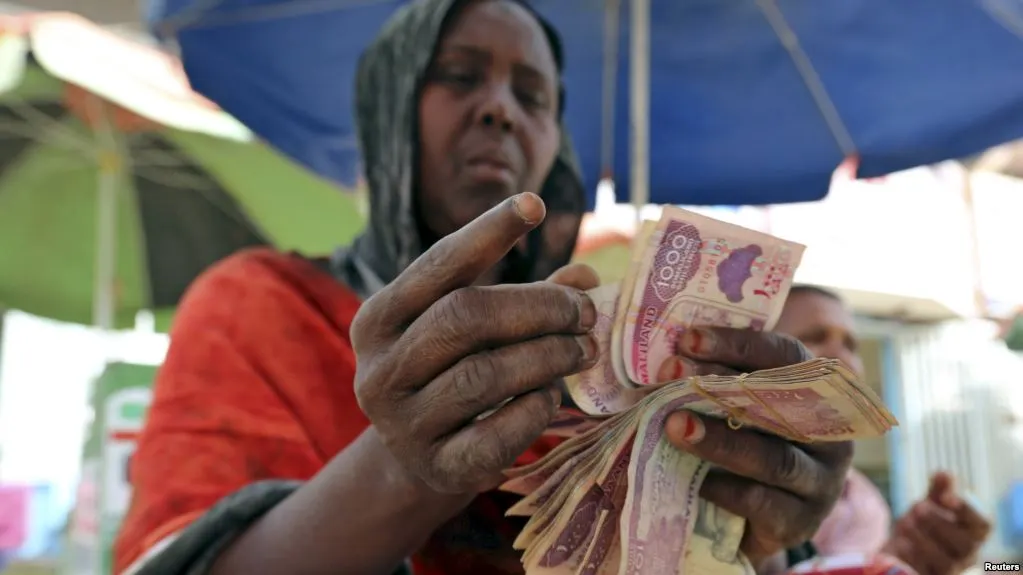
Somalia’s monetary environment operates under a dual currency system, with widespread use of the US dollar alongside the frequently counterfeited Somali shilling.
The Central Bank of Somalia is gearing up to introduce a formal monetary policy and currency stabilization measures by 2026.
Inflation has seen a decline, dropping to 6.0% in 2023 from 6.8% in 2022, thanks in part to more stable global supply chains.
Debt Reduction and International Aid
2023 marked a significant milestone as Somalia reached the HIPC completion point, slashing its public debt-to-GDP ratio from 64% in 2018 to just 6.3%.
This achievement unlocked substantial debt relief totaling $4.5 billion, enhancing Somalia’s fiscal outlook and credit standing.
This relief was provided by a consortium of international creditors, including the IMF, World Bank, African Development Fund, and Paris Club creditors.
Socio-Economic Developments
Despite economic improvements, poverty remains pervasive, with a 2022 rate of 54.4%, down from 69% in 2021.
High poverty rates are particularly severe among nomadic communities, highlighting the need for targeted social investments.
Accelerating structural transformation remains a priority to foster inclusive economic growth and improve living standards across all communities.
Strategic Economic Policies
In response to these challenges, Somalia is advancing several strategic economic policies aimed at fostering robust growth. These include:
- Tax Policy and Administration: A roadmap is set to be developed by December 2024 to modernize tax collection and enhance revenue.
- Monetary Reform: Efforts to stabilize the currency and reduce dependence on the US dollar are crucial.
- Agricultural Development: Investments in technology and infrastructure to boost productivity and resilience in the face of climatic changes.
- Debt Management: Continued focus on maintaining sustainable debt levels through careful negotiation and management of external loans.
Conclusion
Somalia’s journey towards economic stability and growth is fraught with both opportunities and obstacles. The country’s strategic approach to managing its economic policies, along with international support for debt relief and development aid, will be crucial.
These efforts are essential in navigating the complex landscape of regional disputes and internal challenges.
The focus on structural reforms, improved fiscal management, and targeted social interventions will be key to achieving sustainable growth and reducing poverty.
More: Ethiopia news in English, every day from The Rio Times.
This article was produced by The Rio Times’ automated newsroom system. How we use AI · Report an error · Editorial responsibility: Matthias Camenzind, Editor-in-Chief
Part of our ongoing coverage
Africa: The New Scramble — the great-power contest over the continent.
Horn of Africa and the Red Sea
- Horn of Africa 2026: Why It Matters and Who Backs Whom
- Ethiopia’s Neighbors Explained, Ports, Eritrea, Somalia
- Eritrea Explained 2026, a Red Sea Country Guide
- Somalia Explained: Al-Shabaab, Somaliland, the Ports and the Fight Over a 2026 Vote