Fitch Highlights Substantial Risks in Mozambique’s Fiscal Stability
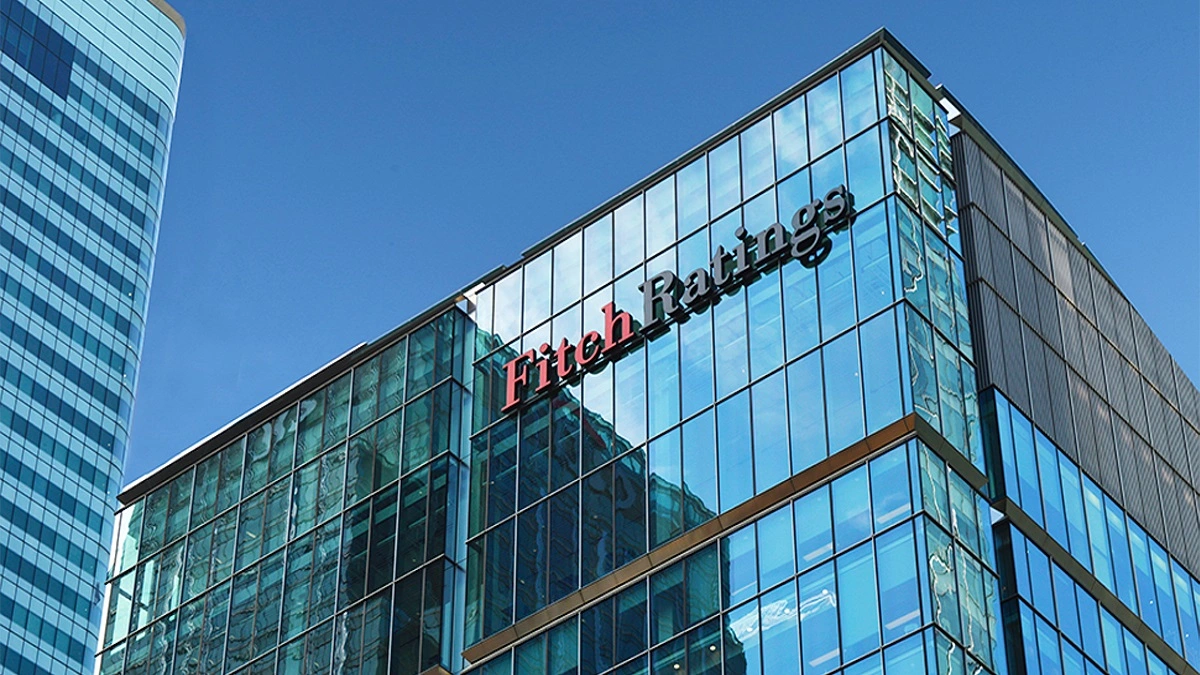
Fitch Ratings, with headquarters in New York and London, has maintained Mozambique’s credit rating at CCC+, a cautious stance reflecting three levels above default, as of August 9, 2024.
The agency highlights Mozambique’s significant challenges, including high public debt and poor governance, which continue to pose “substantial risks” to its economic stability.
Despite these challenges, Mozambique’s economic rating has remained unchanged since the last assessment in February 2024.
The country’s economic growth projection for this year has been adjusted downward from an initial 4.5% to 4%. The 2025 growth forecast has also been reduced slightly from 4.5% to 4.2%.
This revision primarily stems from a decreased contribution from the Coral Sul floating LNG project, led by ENI, an Italian energy giant.
This project, located in the Rovuma Basin off Cabo Delgado, began production in late 2022. However, it has not met the expected performance levels
Mozambique’s Economic Crossroads
The Coral Sul project’s underperformance highlights broader issues within Mozambique‘s external financial health and the management of its burgeoning natural resources sector.
These factors, combined with the existing economic conditions, reflect weak public finance management and a lower-than-expected GDP per capita.
However, it’s not all grim. Mozambique displays promising medium-term growth prospects, especially with the ongoing development in its liquefied natural gas (LNG) sector.
This potential is further bolstered by a three-year, $456 million Extended Credit Facility agreement with the International Monetary Fund (IMF), initiated in 2022 and still active.
Interestingly, Fitch does not provide a future economic outlook, known simply as an “outlook,” for nations it rates CCC.
The lack of a forward-looking perspective stems from the inherent instability associated with such a rating.
In essence, Mozambique is at a crossroads. It faces substantial fiscal and governance challenges that hinder its economic progress.
However, the continued development of its LNG sector, supported by significant international agreements, presents a silver lining.
These developments are crucial not just for Mozambique. They are also important for understanding the dynamics of emerging economies struggling with similar issues worldwide.
This situation exemplifies the delicate balance between leveraging natural resources and maintaining fiscal discipline and transparency.
This article was produced by The Rio Times’ automated newsroom system. How we use AI · Report an error
Part of our ongoing coverage
Africa: The New Scramble — the great-power contest over the continent.
Read More from The Rio Times