SIERRA LEONE · COUNTRY GUIDE
Key Facts
- —What it is A small English-speaking republic on the West African coast, centred on Freetown and its deep natural harbour.
- —Why it matters Sierra Leone sits on commercially significant mineral deposits and one of West Africa’s largest natural harbours.
- —The numbers Population of 7,548,702 in the 2021 Mid-Term Census; real GDP growth of 4.4% in 2024, according to Statistics Sierra Leone.
- —Who is who President Julius Maada Bio and Vice-President Mohamed Juldeh Jalloh lead the executive branch as of October 2026.
- —The catch Consumer inflation reached 15.66% year-on-year in August 2026, and infrastructure such as electricity and water remains uneven.
- —What it means for you A newcomer needs local advice on currency denomination, land, utilities and sector licensing before committing capital.
Sierra Leone explained: a coastal West African republic of 7.5 million people with a mineral-dependent economy, a young population and a competitive political system. For a foreigner, it is a country of real opportunity and real friction, where local knowledge matters as much as formal rules.
Sierra Leone is not a large country, but it is a complicated one. This guide explains its geography, people, politics, economy and daily life in one practical read for a newcomer.
Geography: mountains, mangroves and a deep-water capital
Sierra Leone occupies roughly 72,000 square kilometres on the Atlantic coast of West Africa. It borders Guinea to the north and east, and Liberia to the southeast. The landscape runs from coastal wetlands and mangrove estuaries through inland plains and forested hills to the highlands near the Guinean border.
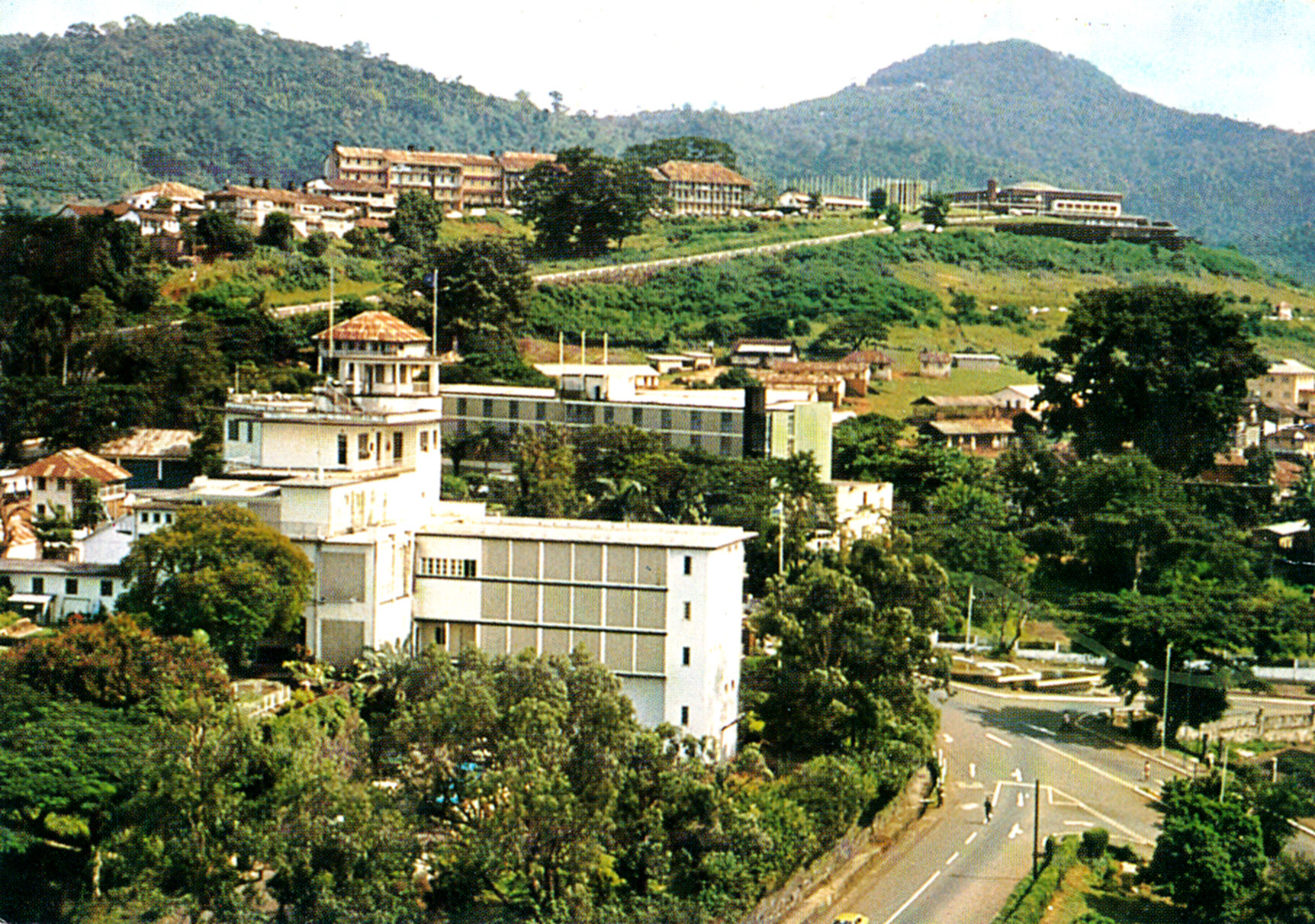
Freetown sits on the mountainous Sierra Leone Peninsula, where forested hills rise sharply behind one of West Africa’s largest natural harbours. The harbour supports trade and logistics, but steep terrain, limited developable land and rapid urban growth place pressure on housing, roads, drainage and public services.
The country has four broad geographic zones. The Western Area includes Freetown and the peninsula. The Northern Province is a large zone of savannah, agriculture and mining. The Eastern Province is associated with diamond mining, agriculture and cross-border trade. The Southern Province has agricultural land, coastal communities and mineral resources.
The climate is tropical, with a pronounced rainy season and a drier period influenced by the West African Harmattan. Heavy rain can affect road access, flooding and landslide risk, particularly around Freetown. A newcomer should plan travel and logistics around seasonal conditions rather than assuming year-round road access.
The people: young, diverse and multilingual
Statistics Sierra Leone recorded a population of 7,548,702 in the 2021 Mid-Term Census. The figure breaks down into 3,727,747 males, approximately 49.4%, and 3,820,955 females, approximately 50.6%. The agency’s published historical series shows population rising from 7,092,113 in the 2015 census to the 2021 mid-term figure.
The population is young and diverse. The largest ethnolinguistic communities include the Temne, Mende, Limba, Kono, Kuranko, Loko, Susu, Krio, Sherbro, Fula and Yalunka, among others. Ethnic identity remains important in politics, local networks and cultural life, but Sierra Leoneans commonly move between linguistic and regional identities.
Krio is the country’s most useful everyday bridge language, especially in Freetown and commercial settings. It developed from English and West African languages and is widely understood nationally. English is the official language and the principal language of government, law, formal education and business.
Religious life is predominantly Muslim and Christian, alongside traditional beliefs and practices. Sierra Leone is internationally known for relatively high levels of interfaith coexistence. Religious identity generally does not prevent families, neighbourhoods and workplaces from operating across faith lines.
Political system: a competitive constitutional republic
Sierra Leone is a constitutional republic. The president is both head of state and head of government and serves as commander-in-chief of the armed forces. Parliament is unicameral, while the judiciary is headed by the Chief Justice.
The current president is Dr. Julius Maada Bio, identified by the Office of the President as the country’s fifth president. He was re-elected in June 2023 for a second term. The current vice-president is Dr. Mohamed Juldeh Jalloh, whose official title is Vice-President of the Republic of Sierra Leone.
The governing Sierra Leone People’s Party, or SLPP, controls the executive branch. The principal opposition force is the All People’s Congress, or APC. Politics remains competitive and strongly shaped by regional, ethnic, economic and institutional questions.
The 2023 election period produced a serious dispute between the government and the opposition over the transparency and credibility of the vote count. The dispute was followed by political dialogue and governance reforms, but relations between the major parties remain sensitive. For investors and foreign residents, this means that political announcements, demonstrations, election-related restrictions and public-sector decisions should be monitored through official notices and reputable local reporting.
President Bio’s government has presented education, food security, human capital development, health and technology as central policy priorities.
President Bio also served as chair of the ECOWAS Authority of Heads of State and Government from June 2025 until July 2026, according to the Office of the President. Sierra Leone was also listed by the presidency as an elected member of the African Union Peace and Security Council for 2024–2026.
Key institutions
A newcomer should distinguish between formal authority and practical delivery. National ministries set policy, but service quality often depends on local councils, utilities, contractors, donor-funded programmes and the availability of public finance. The key institutions are the executive branch led by the president and vice-president, the unicameral Parliament, the judiciary led by the Chief Justice, the Electoral Commission of Sierra Leone, the Bank of Sierra Leone, Statistics Sierra Leone, and district, city and municipal councils.
Economy: minerals, agriculture and a narrow formal base
Sierra Leone is a low-income, commodity-exposed economy. Mining is central to export earnings and government revenue, while agriculture remains essential for employment and household livelihoods. The main economic sectors are mining, agriculture, fisheries, construction, services, and energy and utilities.
Statistics Sierra Leone reports real GDP growth of 4.4% in 2024. The figure is a national estimate and should not be read as evenly distributed growth. Mining output, public investment or individual large projects can materially affect the annual result without producing equivalent gains for all households.
Mining is the country’s most internationally visible investment sector. Iron ore, rutile, diamonds, bauxite and gold are commercially significant, but the sector is exposed to commodity prices, logistics, energy costs, taxation, licensing, community relations and environmental obligations.
Mining projects should be assessed on more than the ore body. Investors also need to examine the mining lease and licence status, fiscal terms and royalty obligations, export routes and port arrangements, power and water availability, land access and compensation, community development agreements, environmental and social approvals, foreign-exchange repatriation and banking arrangements, and security, labour and contractor capacity.
Sierra Leone’s agricultural economy offers a different investment profile. The government’s food-security agenda creates opportunities in irrigation, mechanisation, storage, logistics, seed systems, rice production, agro-processing and cold chains. The constraints include fragmented landholding, weak rural roads, limited electricity, seasonal production and access to finance.
Inflation and monetary conditions
Statistics Sierra Leone reported consumer-price inflation of 15.66% year-on-year in August 2026, compared with 14.89% in July 2026. The Bank of Sierra Leone’s published August 2026 indicators listed a Monetary Policy Rate of 17.25%, a Standing Lending Facility rate of 21.25% and a Standing Deposit Facility rate of 11.75%.
The inflation rate matters directly to residents and businesses because food, fuel, transport, imported goods, rent, construction materials and school costs are sensitive to exchange-rate movements and supply conditions.
Currency: the new leone
Sierra Leone redenominated its currency in 2022. The new unit is commonly written as SLE, while older prices and informal conversation may still refer to the former leone scale. Visitors and new residents should confirm whether a quotation is expressed in new leones or in the old-denomination shorthand.
This distinction is particularly important in rent, vehicle, land, construction and imported-goods negotiations, where a misunderstanding over the denomination can create a very large pricing error. On 2 October 2026 the Bank of Sierra Leone’s website showed a US dollar midrate of about SLE 30.29 per US$1. Because the page presents multiple exchange-rate fields, a transaction should be priced using the applicable official, bank or licensed-dealer rate rather than assuming that one displayed number is the universal market rate.
Business environment: formal rules and practical realities
Freetown is the country’s principal commercial and financial centre. Most banks, telecommunications companies, professional-services firms, embassies, international organisations and large contractors maintain their main offices there.
The practical business environment is characterised by a small but growing formal corporate sector, heavy reliance on imported goods and fuel, limited and expensive credit, foreign-exchange risk, high logistics costs outside Freetown, a large informal economy, uneven electricity and internet reliability, and strong dependence on personal networks and local knowledge.
Companies entering Sierra Leone generally need local legal, tax, accounting, labour, immigration and sector-specific advice. Licensing requirements differ substantially between mining, financial services, telecommunications, construction, tourism, transport, fisheries and real estate.
The formal regulatory framework is only part of the risk analysis. A project’s real operating conditions may depend on land records, municipal approvals, utility connections, customs procedures, local employment expectations and relationships with surrounding communities.
Daily life in Freetown
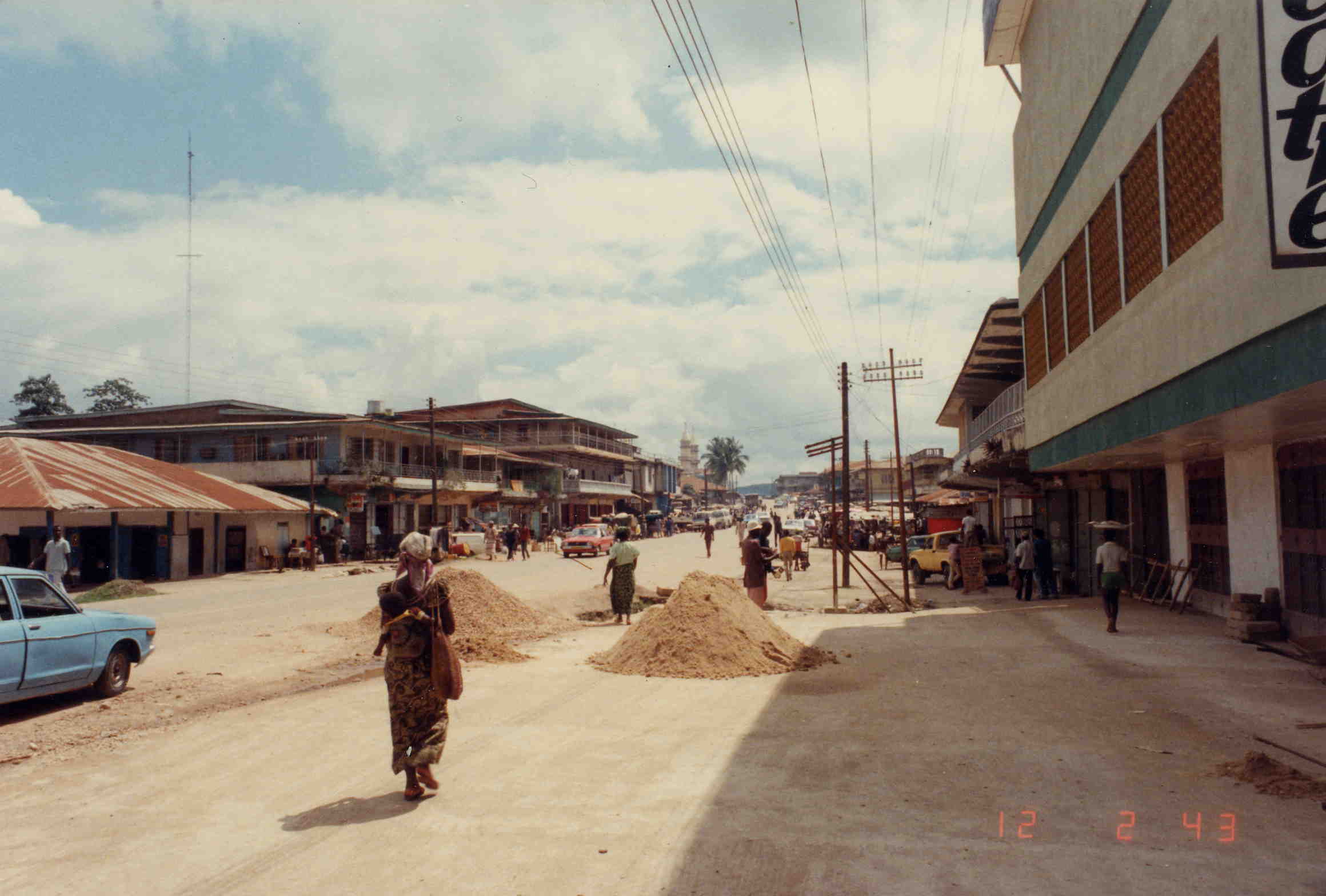
Freetown is the country’s most cosmopolitan city and the main entry point for foreign residents. It combines colonial-era buildings, dense informal settlements, modern offices, hillside neighbourhoods, markets, restaurants, beaches and rapidly expanding peri-urban areas.
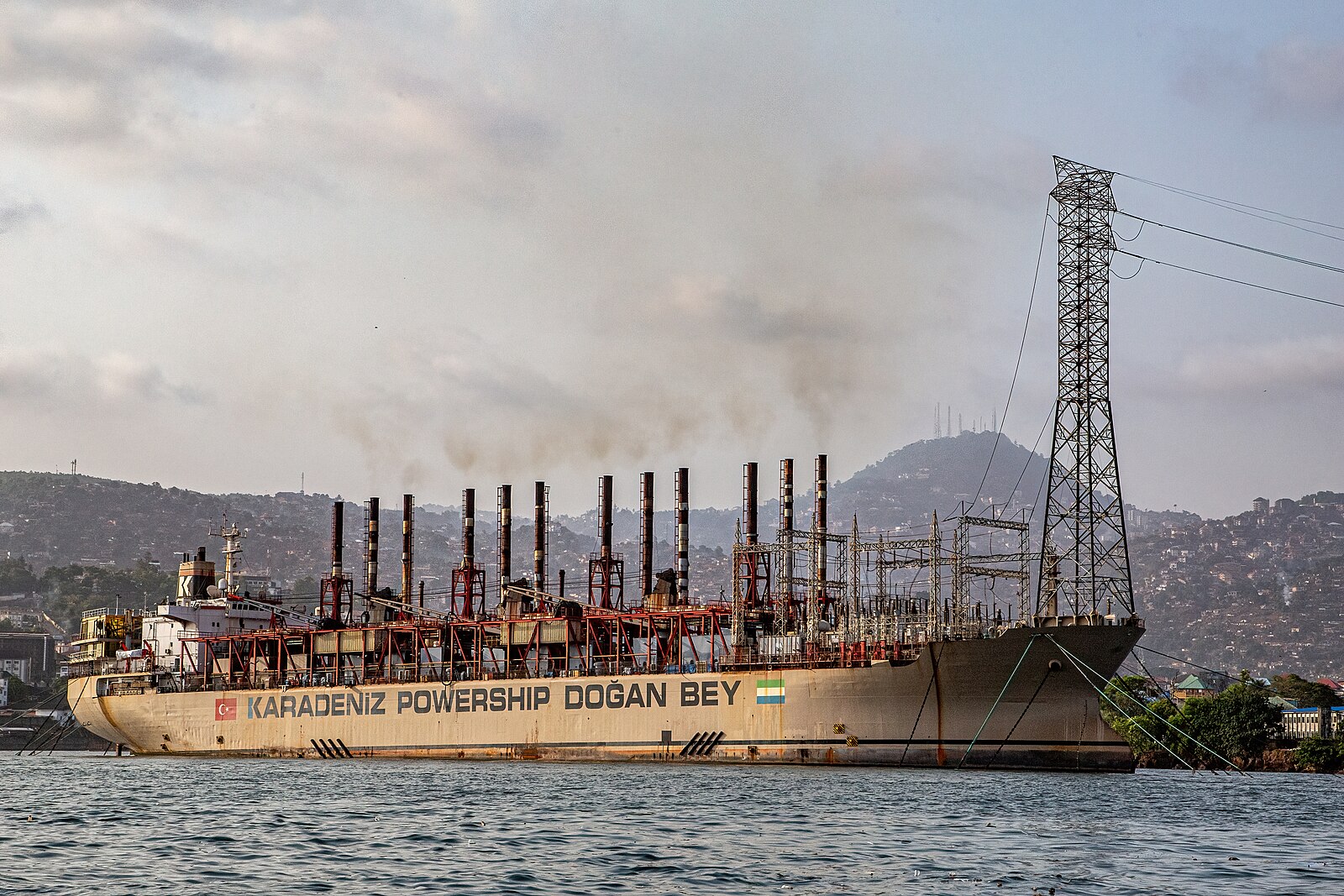
For a newcomer, daily life is shaped by infrastructure. Electricity availability has improved in some areas but remains uneven, and businesses often use generators or backup systems. Water supply varies by neighbourhood, and storage tanks and private delivery are common. Internet and mobile connectivity are generally available in Freetown but less reliable outside the capital.
Housing costs, school fees, transport and imported goods can be high relative to local incomes. A foreign resident should budget carefully and confirm the currency denomination of every major quotation. Personal networks, local staff and reputable professional advisers are essential for navigating daily practicalities.
What to watch
Several issues will shape Sierra Leone’s near-term trajectory. Inflation and exchange-rate stability remain central concerns for households and businesses. The Bank of Sierra Leone’s policy rates and Statistics Sierra Leone’s monthly inflation releases are the primary indicators to follow.
Political competition between the SLPP and APC will continue to influence public-sector decisions, procurement, local governance and the broader investment climate. Election-related disputes from 2023 have left sensitivities that could resurface around future electoral events.
Mining sector developments, including iron ore, rutile and gold projects, will affect export earnings, government revenue and employment. Infrastructure investment in roads, energy and ports will determine whether growth translates into broader improvements in daily life. For a foreigner, the key is to watch official data, local reporting and sector-specific developments rather than relying on general impressions.
Related reading: More from Western Africa, the 2027 budget drive built around jobs, the critical minerals plan and the constitutional reform case.
Frequently Asked Questions
What is the population of Sierra Leone?
Statistics Sierra Leone recorded a population of 7,548,702 in the 2021 Mid-Term Population and Housing Census, up from 7,092,113 in the 2015 census.
Who is the president of Sierra Leone in 2026?
Dr. Julius Maada Bio is the president of Sierra Leone as of October 2026, with Dr. Mohamed Juldeh Jalloh serving as vice-president.
What is the currency of Sierra Leone?
Sierra Leone uses the leone, redenominated in 2022 as the new leone, commonly written as SLE. Older prices may still refer to the former leone scale, so confirm the denomination in any major transaction.
What is the inflation rate in Sierra Leone?
Statistics Sierra Leone reported consumer-price inflation of 15.66% year-on-year in August 2026, up from 14.89% in July 2026.
What are the main economic sectors in Sierra Leone?
The main sectors are mining, agriculture, fisheries, construction, services, and energy and utilities. Mining is central to export earnings, while agriculture remains essential for employment.
What languages are spoken in Sierra Leone?
English is the official language. Krio is the most widely used everyday bridge language, especially in Freetown and commercial settings, and is understood nationally.
Is Sierra Leone safe for foreigners?
Sierra Leone is generally welcoming to foreigners, but practical risks include uneven infrastructure, currency volatility and political sensitivities. Newcomers should monitor official notices, use reputable local advisers and plan logistics carefully.
Sources: bsl.gov.sl, statistics.sl, statehouse.gov.sl, statistics.sl, statistics.sl, statehouse.gov.sl. Retrieved 2 October 2026.
This article was produced by The Rio Times’ automated newsroom system. How we use AI · Report an error · Editorial responsibility: Matthias Camenzind, Editor-in-Chief
Read More from The Rio Times