Puerto Rico in Latin America, Its Role, Weight and Alliances

PUERTO RICO · LATIN AMERICA
Key Facts
- —The basics As of October 2026, Puerto Rico is a US territory of 3.18 million people that the United Nations counts as part of Latin America and the Caribbean, yet it cannot be a member of CELAC or the OAS.
- —Why it matters The island links the United States with Spanish-speaking America, and its unresolved status decides where it can sit in the region, from ECLAC and the Pan American Health Organization to Caribbean blocs.
- —The numbers GDP was US$125.8 billion in fiscal 2024 and grew 2.6% at current prices in fiscal 2025, while output per person of about US$40,600 in 2025 was roughly 3.7 times the Latin American and Caribbean average.
- —Who is who Governor Jenniffer González Colón of the pro-statehood New Progressive Party runs the island, and Resident Commissioner Pablo José Hernández of the pro-commonwealth Popular Democratic Party is its non-voting member of the US House.
- —What to watch House bill H.R. 9246, filed on Wednesday, 10 June 2026, would hold a four-option status plebiscite on Sunday, 14 March 2027, but it has not moved beyond committee referral as of October 2026.
- —What it means for you US citizens visit without a passport and pay in dollars, while US investors meet the island through Popular, First BanCorp, OFG and Evertec shares and a factory sector worth 44% of GDP.
Puerto Rico is Latin American by language and history but American by passport. Here is what that means for its weight, its seats and its alliances in October 2026.
On the Puerto Rico continent question, geography places the island in North America, while language and history tie it to Latin America. It is a US territory of 3.18 million people, so Washington speaks for it in the hemisphere’s main political bodies.
For US readers, the island is a domestic destination, a pharmaceutical hub and an open question for Congress. This guide sets out its weight, its regional seats, its status debate and its peers, as of October 2026.
The Puerto Rico Continent Question, Region and Identity
In the usual seven-continent model, the Caribbean islands belong to North America. Puerto Rico is the smallest and easternmost of the Greater Antilles, the chain that also includes Cuba, Hispaniola and Jamaica.
The United Nations Statistics Division files Puerto Rico under Latin America and the Caribbean, in its Caribbean subregion. It puts the United States in a separate group, Northern America, alongside Canada, Bermuda and Greenland.
Culture points the same way, with Spanish as the language of daily life, schools and local government. The island’s Taíno, African and Spanish roots mirror those of Cuba and the Dominican Republic.
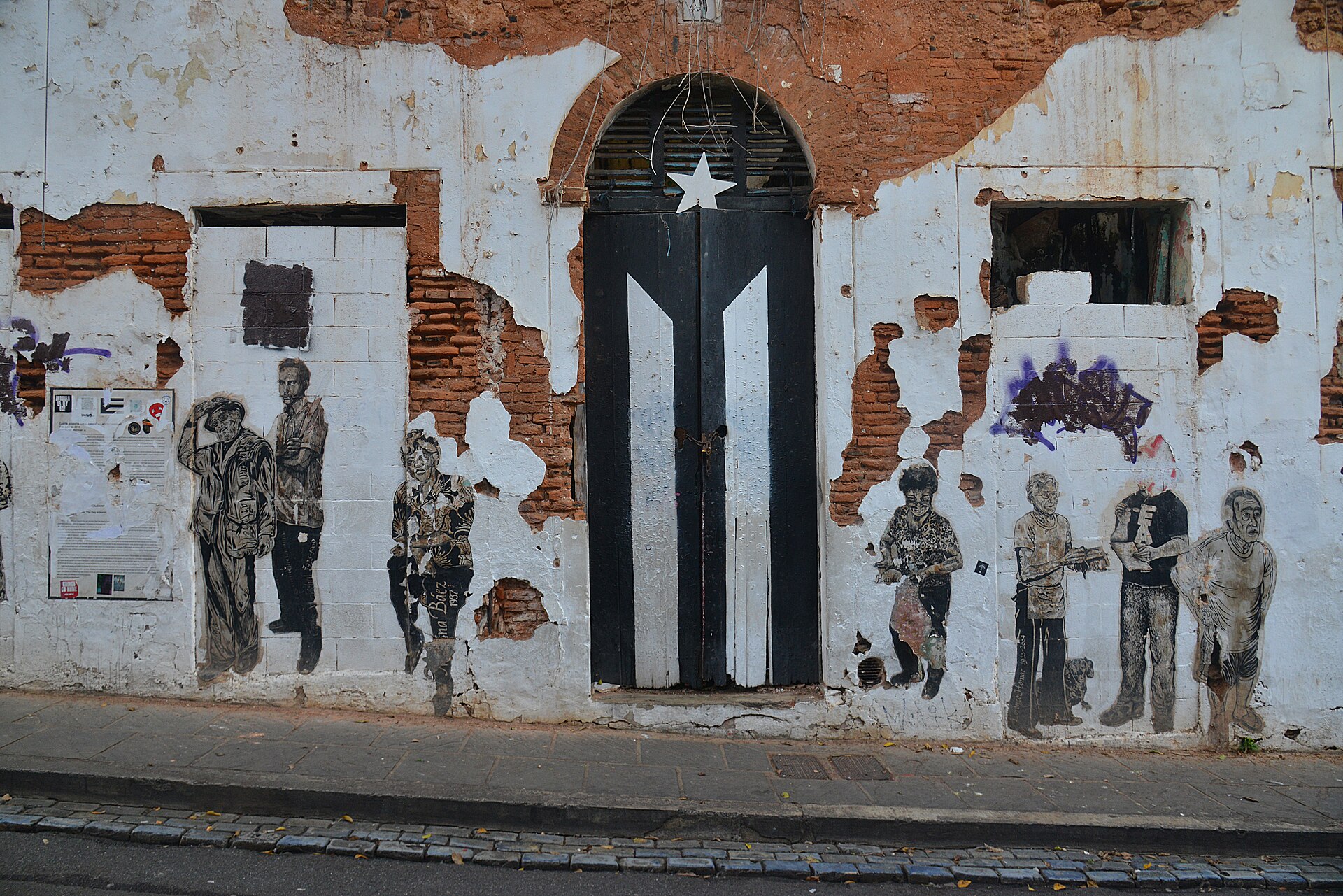
Politically, though, Puerto Rico has belonged to the United States since 1898, and its people have held US citizenship since 1917. It adopted its own constitution in 1952 and calls itself a commonwealth, or Estado Libre Asociado, but Congress keeps the final word.
In legal terms it is an unincorporated territory under the Territorial Clause of the US Constitution. It therefore cannot sign treaties or join bodies reserved for sovereign states, as the guide to Puerto Rico for Americans explains.
Weight in Population and Economy
The US Census Bureau estimated Puerto Rico’s population at 3,184,835 on 1 July 2025. That was down from 3,285,874 in April 2020, a fall of about 3.1% in just over five years.
Deaths now outnumber births by a wide margin. In the year to July 2025 there were 17,950 births, 32,857 deaths and a net migration loss of 2,779 people.
Even so, Puerto Rico has more residents than 18 of the 50 states, among them Arkansas, Kansas and Mississippi. Within Latin America and the Caribbean it holds about 0.5% of the region’s 667 million people, World Bank data show.
The economy carries far more weight than the population. The Puerto Rico Planning Board, the island’s economic planning agency, put gross domestic product at US$125.8 billion in fiscal year 2024.
That fiscal year ran from July 2023 to June 2024, and GDP at current prices grew another 2.6% in fiscal 2025. The board’s economic report of May 2026 put manufacturing at 44% of GDP.
Pharmaceuticals sit at the core of that industry. The US Bureau of Economic Analysis (BEA) found pharmaceuticals and organic chemicals led the island’s goods export growth in 2023.
Much of that output belongs to mainland and foreign companies, so the income that stays on the island is smaller. The board’s gross national product, which leaves out income paid to owners elsewhere, was US$85.4 billion in fiscal 2024.
The World Bank, which uses calendar years, puts Puerto Rico’s 2025 GDP at US$129.4 billion, about 1.7% of the regional total. Output per person was about US$40,600, roughly 3.7 times the Latin American and Caribbean average of US$11,095.

How Puerto Rico Compares With Its Peers
By size of economy, Puerto Rico’s nearest Latin American peers are Ecuador, the Dominican Republic and Guatemala. All three have far more people, so the island’s income per head is several times higher.
- Ecuador: a US$130.3 billion economy in 2025 with 18.3 million people, about US$7,130 per person.
- Dominican Republic: US$127.4 billion and 11.5 million people, about US$11,060 per person.
- Guatemala: US$123.3 billion and 18.7 million people, about US$6,600 per person.
- Costa Rica: US$102.9 billion and 5.2 million people, about US$19,970 per person.
- Panama: US$90.5 billion and 4.6 million people, about US$19,790 per person.
- Uruguay: US$85.3 billion and 3.4 million people, about US$25,220 per person.
Uruguay is the closest match in population, with 3.38 million people in 2025, yet its output per person is about 38% lower. The giants are in another league, with Brazil at US$2.28 trillion and Mexico at US$1.83 trillion in 2025.
A fairer comparison may be other Caribbean territories tied to a larger state. Aruba, Curaçao, the British Virgin Islands and Martinique hold associate seats in Caribbean bodies where Puerto Rico has none.
The Dominican Republic, its neighbour across the Mona Passage, is the closest sovereign comparison. Its seats in Central American and Caribbean blocs are covered in the guide to the Dominican Republic’s role in Latin America.
Outside CELAC and the OAS
CELAC, the Community of Latin American and Caribbean States, groups the region’s 33 sovereign countries without the United States or Canada. As a territory, Puerto Rico is not a member and has no seat at its summits.
The Organization of American States (OAS) is the main political forum of the hemisphere’s governments, based in Washington. The United States holds the seat there, as at the United Nations, and speaks for Puerto Rico.
CELAC has still taken positions on the island, which it has called a matter of high interest. Its Buenos Aires Declaration of Tuesday, 24 January 2023, reaffirmed the Latin American and Caribbean character of Puerto Rico.
The bloc’s latest summit text, the 35-point Bogotá Declaration of Saturday, 21 March 2026, does not mention Puerto Rico. It does address the US embargo on Cuba and Argentina’s claim to the Falkland Islands, which it calls the Malvinas.
Uruguay took over CELAC’s rotating presidency for 2026 to 2027 at the Bogotá summit. The next summit declaration will show whether the Puerto Rico paragraph returns.
The Regional Seats Puerto Rico Does Hold
Puerto Rico has found room in technical bodies that accept non-sovereign members. The UN’s Economic Commission for Latin America and the Caribbean (ECLAC) admitted it as an associate member on 10 May 1990.
ECLAC lists 14 associate members, all non-independent territories, including the US Virgin Islands. The United States, however, notified ECLAC by a diplomatic note dated Friday, 30 January 2026, that it would withdraw from the commission.
The Pan American Health Organization (PAHO), the Americas’ health agency, has listed Puerto Rico as an associate member since September 1992. Aruba, Curaçao and Sint Maarten joined it in that category in 2012.
CARICOM, the Caribbean Community, lists 15 member states and eight associate members on its official website. Puerto Rico is neither, while Anguilla, Bermuda, the British Virgin Islands and Martinique hold associate seats.
The Association of Caribbean States (ACS), founded in 1994, has 25 member states plus associate members from French, Dutch and British territories. Puerto Rico does not appear on its membership list.
The result is a patchy presence in regional bodies. Puerto Rico takes part in economic and health statistics, but not in the Caribbean trade and political blocs its neighbours use.
The Status Debate, Plebiscites and Congress
At home, the main political question is status: statehood, independence, free association or the current commonwealth. Puerto Rico’s parties are built around those options more than around left and right.
The New Progressive Party (PNP) backs statehood and holds the governorship through Jenniffer González Colón, in office since January 2025. The Popular Democratic Party (PPD) defends the commonwealth, and the Puerto Rican Independence Party (PIP) seeks independence.
In the latest plebiscite, held with the general election on Tuesday, 5 November 2024, statehood won 620,782 votes, or 58.61%. Sovereignty in free association took 29.57% and independence 11.82%, the State Elections Commission’s official count shows.
The vote was not binding on Congress, which alone can change the island’s status. Statehood also came first in plebiscites in 2012, 2017 and 2020, though opponents boycotted the 2017 vote.
The US House passed the Puerto Rico Status Act on Thursday, 15 December 2022, offering only permanent, non-territorial options. The Senate never voted on it, and the bill died when that Congress ended.
The latest bill, H.R. 9246, was filed on Wednesday, 10 June 2026, by Resident Commissioner Pablo José Hernández. Called the Puerto Rico Democratic Self Determination Act, it has eight Democratic co-sponsors.
Unlike the 2022 bill, it puts the current commonwealth on the ballot alongside statehood, independence and free association. It sets a vote for Sunday, 14 March 2027, and a runoff on Sunday, 16 May 2027, if no option wins outright.
As of October 2026, the bill had not moved beyond referral to the House Natural Resources Committee. Hernández, of the PPD, sits with House Democrats, while Governor González Colón is a Republican on the national stage.
Ties With the Region, From Baseball to the UN
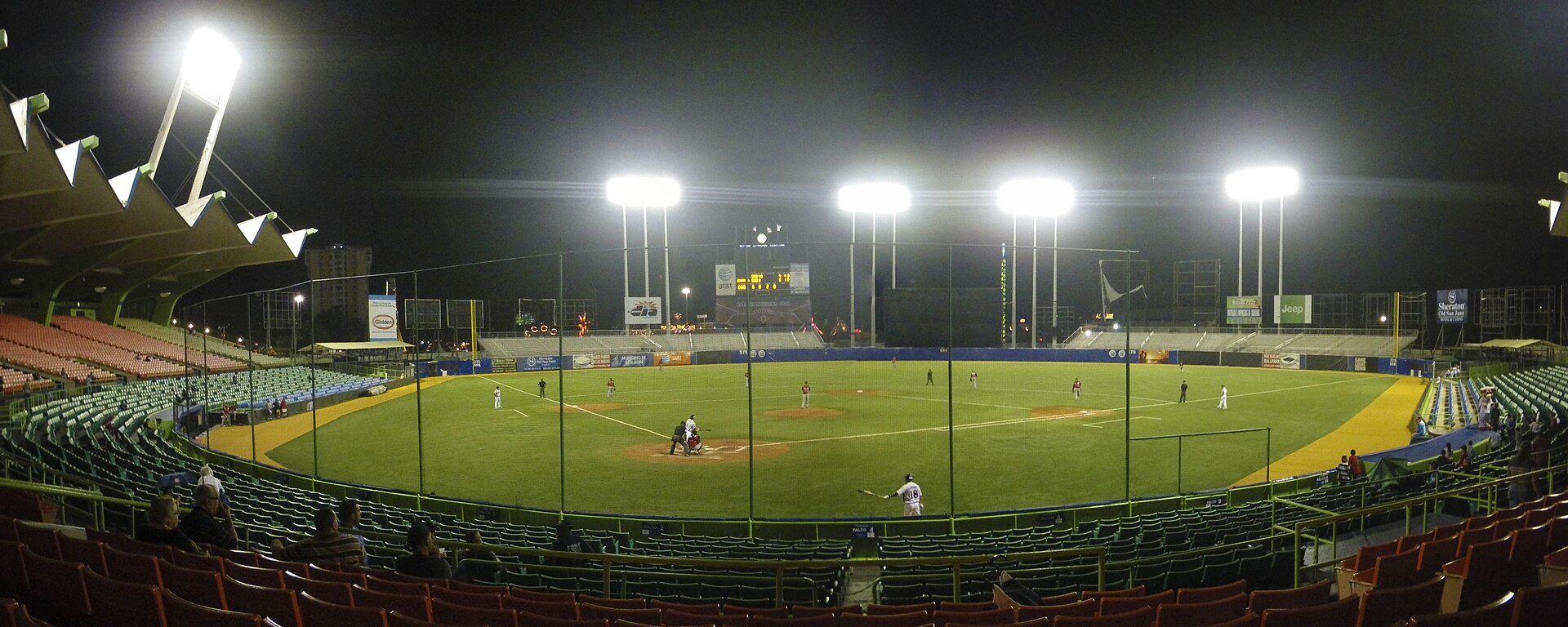
Sport gives Puerto Rico a flag of its own, separate from the United States, in football, baseball and the Olympics. San Juan’s Hiram Bithorn Stadium hosted Pool A of the World Baseball Classic from Friday, 6 March, to Wednesday, 11 March 2026.
Puerto Rico’s opponents there were Cuba, Panama, Colombia and Canada. Such tournaments are among the few stages where the island meets Latin American states on equal terms.
The other forum is the United Nations Special Committee on Decolonization, known as the C-24. On Monday, 22 June 2026, it adopted without a vote a resolution reaffirming Puerto Rico’s right to self-determination and independence.
Cuba introduced the text for itself, Nicaragua and Russia, and Venezuela joined as a co-sponsor, the UN webcast transcript shows. The General Assembly took Puerto Rico off its list of non-self-governing territories in 1953, so these yearly texts do not bind Washington.
Puerto Rico also matters to US security policy in the Caribbean, including the pressure on Venezuela since 2025. The guide to Puerto Rico and its Caribbean neighbours covers that military role, Mona Passage migration and trade with the Dominican Republic.
Daily life on the island, from housing to taxes, is covered in the guide to moving to Puerto Rico in 2026. All coverage of the island is collected on the Puerto Rico page.
What It Means for US Readers
US citizens fly to Puerto Rico without a passport and pay in dollars, making it a Spanish-speaking getaway with no border formalities. Federal law applies, but island residents cannot vote for president and have no voting member of Congress.
Investors meet the island through Popular, First BanCorp, OFG Bancorp and Evertec, which file with the Securities and Exchange Commission. The Planning Board is also pitching its factories to firms moving production closer to the US market, a trend known as reshoring.
For Washington’s Latin America policy, Puerto Rico is a bilingual base and a talking point for governments critical of US influence. Status decisions belong to Congress, so voters in all 50 states have a stake through their representatives.
What Is Not Known
It is unclear whether the US exit from ECLAC will affect Puerto Rico’s associate seat, which the commission listed in October 2026. Whether Puerto Rico keeps an observer role at CARICOM, as some reference works state, is not confirmed by the Community’s website.
This guide uses the Planning Board’s fiscal 2024 GDP level because a fiscal 2025 dollar figure could not be confirmed. It is also unclear whether H.R. 9246 will get a committee hearing before the current Congress ends in January 2027.
No status option has passed both chambers of Congress, so the timing of any change is unknown. The next general election in Puerto Rico is due in November 2028.
Frequently Asked Questions
What continent is Puerto Rico in?
Puerto Rico is in North America under the usual seven-continent model, as part of the Caribbean’s Greater Antilles. The UN Statistics Division groups it with Latin America and the Caribbean.
Is Puerto Rico part of Latin America?
By language, culture and UN statistics, yes, since Spanish is its main language and the UN counts it in the region. Politically it is a US territory, not an independent Latin American state.
Is Puerto Rico a member of CELAC or the OAS?
No, both bodies are made up of sovereign states, and the United States speaks for Puerto Rico in the OAS. Puerto Rico is instead an associate member of ECLAC and of the Pan American Health Organization.
How big is Puerto Rico’s economy?
The Planning Board put GDP at US$125.8 billion in fiscal 2024, with growth of 2.6% at current prices in fiscal 2025. The World Bank’s 2025 figure of US$129.4 billion is close to those of Ecuador and the Dominican Republic.
Who governs Puerto Rico in 2026?
Governor Jenniffer González Colón of the pro-statehood New Progressive Party has led the island since January 2025. Pablo José Hernández of the Popular Democratic Party represents it in the US House without a floor vote.
Will Puerto Rico become a state?
Statehood won 58.61% in the non-binding plebiscite of 5 November 2024, but only Congress can admit a new state. The latest bill, H.R. 9246, would hold a new four-option vote on 14 March 2027 if it became law.
Sources: US Census Bureau, Vintage 2025 population estimates; Puerto Rico Planning Board, economy of Puerto Rico 2024 to 2026 (GDP fiscal 2024); Puerto Rico Planning Board, Economic Report 2025 press release; Puerto Rico Planning Board, macroeconomic projections, August 2026; BEA, GDP for Puerto Rico, 2023; World Bank, GDP data 2025; UN Statistics Division, M49 regions; ECLAC, member states and associate members; PAHO, member states and associate members; CARICOM, member states and associate members; Association of Caribbean States, membership; CELAC, Buenos Aires Declaration 2023; CELAC, Bogotá Declaration 2026; UN Special Committee on Decolonization, draft resolution A/AC.109/2026/L.7; UN Special Committee on Decolonization, 22 June 2026 meeting transcript; H.R. 9246, Puerto Rico Democratic Self Determination Act; H.R. 8393, Puerto Rico Status Act as passed by the House; La Fortaleza, Office of the Governor; Office of Resident Commissioner Pablo José Hernández; MLB, World Baseball Classic 2026 pools; SEC, company tickers; State Elections Commission (CEE), 2024 general election statistical report; Primera Hora, plebiscite certification; El Nuevo Día, UN hearing (all accessed 15 October 2026).
This article was drafted with automated assistance and reviewed before publication. How we use AI · Report an error · Editorial responsibility: Matthias Camenzind, Editor-in-Chief
Expat Guide to Puerto Rico
What The Rio Times publishes for foreigners who live in or move to Puerto Rico.
Start here
Coming up in Puerto Rico
Understand Puerto Rico