
Peru’s second round of regional elections will pick governors on Sunday, 6 December, and the first public debates between rival tickets are now taking shape. Nothing in the past 24 hours changes the date, the rules or the list of contested regions, as covered in our Peru regional runoffs hub.
Key Facts
- What. Runoffs for regional governor and vice-governor, held where no ticket won 30% of valid votes.
- When. Sunday, 6 December 2026. Peru runs on UTC−5 all year, so local time equals ET in December.
- Amazonas. Amílcar Díaz Mendoza (Somos Perú) faces Segundo Hernández Vásquez (Unidos al Campo); a debate is being arranged.
- Junín. Fernando Orihuela (Podemos Perú) faces Arnoldo Mallma (Alianza para el Progreso), 13,160 votes behind in round one.
This story is part of our coverage of the Peru regional runoff 2026. Dates, times and how to follow it are in our guide.
Amazonas Prepares a Debate
The Special Electoral Jury of Chachapoyas, a local arm of the National Elections Jury (JNE), Peru’s electoral court, is arranging a public debate in Amazonas. It would pit Amílcar Díaz Mendoza of Somos Perú against Segundo Hernández Vásquez of Unidos al Campo.
The jury has called a coordination meeting for Friday, 20 November, at 10:00 a.m. in Lima (10:00 a.m. ET), with two representatives per party. The debate’s date, time and format have not been set.
Díaz led Amazonas in a first-round exit poll with 25.1%. Exit polls are not official results.
Junín Contest Draws the Farm Lobby
In Junín, Fernando Orihuela of Podemos Perú faces Arnoldo Mallma of Alianza para el Progreso (APP). Orihuela finished first in the first round, 13,160 votes ahead of Mallma.
Conveagro, the national farmers’ convention, is organising a technical debate, according to its Junín president Fredy García. Farm groups want farmland in the Mantaro Valley protected from development and reservoirs built, but the date and venue were not given.
Orihuela has accused Mallma of representing continuity of the regional administration of Zósimo Cárdenas. Mallma’s response was not available to us.
Dates and Rules Already Fixed
Supreme Decree 150-2026-PCM, issued by the Presidency of the Council of Ministers, convoked the runoff for 6 December. The JNE moved the date from 29 November.
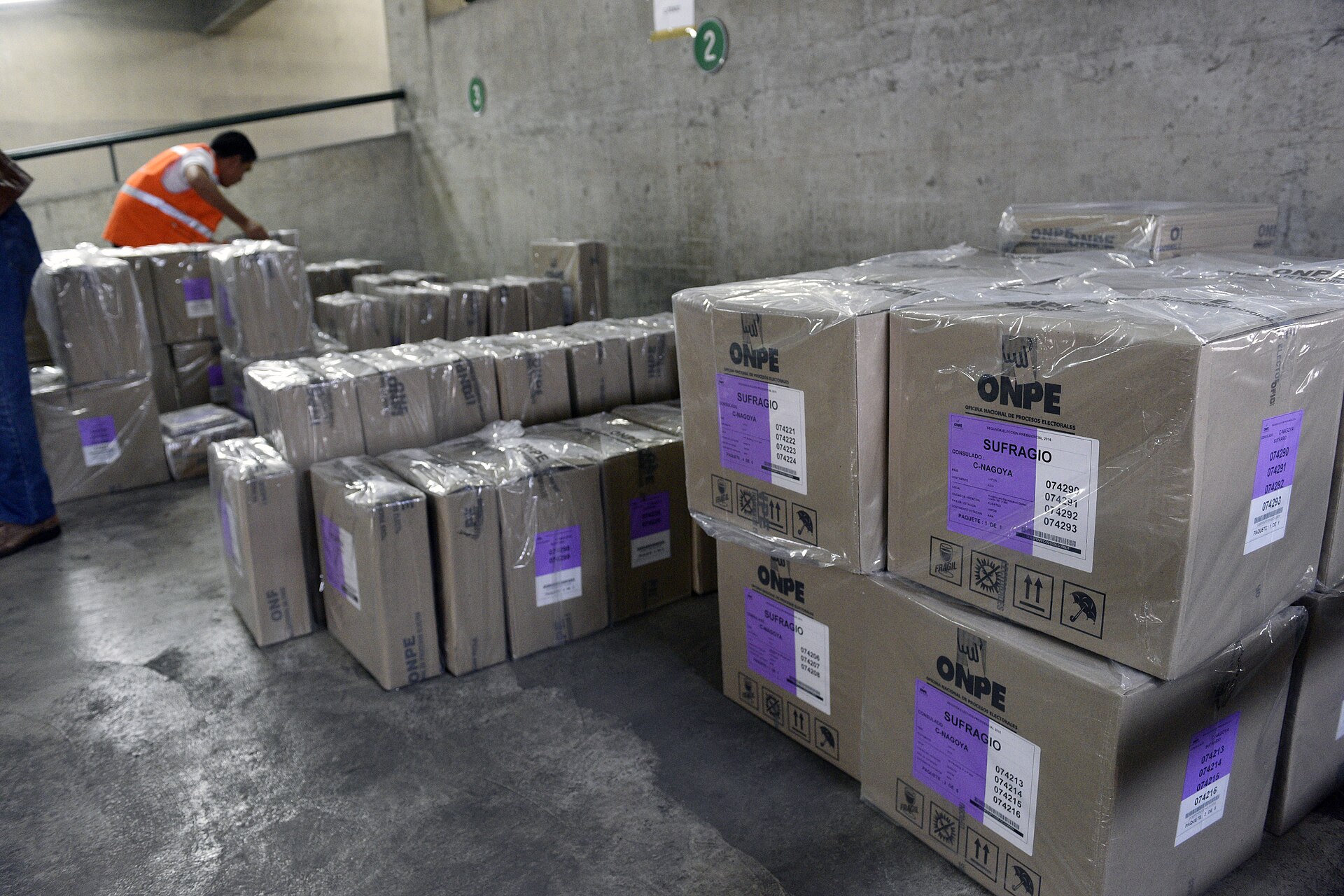
The JNE’s decision is dated 7 October and was published in the official gazette El Peruano on 11 October. It tells ONPE to organise the vote and to collect and count the material afterward.
Only governor and vice-governor races go to a second round. A ticket must reach at least 30% of valid votes to win outright.
On 15 November at 5:53 p.m. ET, ONPE and its regional offices published the lists of poll workers. They are the same citizens drawn by lot on 24 July.
ONPE projected at least 15 regions on 11 October, though the list may change as contested tally sheets are resolved. The projection named Amazonas, Áncash, Arequipa, Cajamarca, Junín, La Libertad, Lambayeque, Lima Provincias, Loreto, Moquegua, Pasco, Piura, Puno, Tacna and Tumbes.
What It Means for US Readers
These runoffs decide regional governors, not the presidency, which was decided in the June national runoff. Peru uses UTC−5 all year, which matches US Eastern Standard Time in December, so local clock times on 6 December should equal ET.
What Is Not Known
No poll of the regional runoffs and no prediction-market odds were found. Voting hours for 6 December are not confirmed in our sources.
The final count of runoff regions is unconfirmed, because the official list may still change. Some early exit-poll reports cited fewer regions.
The dates of the Amazonas and Conveagro debates are not known. Some older pages still show 29 November or a pending date and are outdated.
Frequently Asked Questions
When are Peru’s regional runoffs?
They are set for Sunday, 6 December 2026. The date was moved from 29 November by the JNE.
Who is in the Amazonas and Junín runoffs?
In Amazonas, Amílcar Díaz Mendoza of Somos Perú faces Segundo Hernández Vásquez of Unidos al Campo. In Junín, Fernando Orihuela of Podemos Perú faces Arnoldo Mallma of Alianza para el Progreso.
Who wins a regional race outright?
A governor and vice-governor ticket needs at least 30% of valid votes to win in the first round. Where no ticket reaches that level, the top two go to the runoff.
In depth
This article was produced by The Rio Times’ automated AI newsroom. Editorial responsibility: Matthias Camenzind, Publisher and Editor-in-Chief. The Rio Times also runs Ask Rio Times, which answers from 100,000+ of our own articles, the daily Latin America Power Map, and prediction-market odds on elections and markets.. How we use AI · Report an error
Brazil runoff, Sunday, October 25: Brazil runoff start time and results schedule. Latest: Brazil runoff polls, Flávio 51%, Lula 49%.