Peru Schools Face Flood Risk From El Niño
Thousands of Peruvian school buildings lie in flood-prone areas, but we could not find a national count of schools expected to close.
Peru: Education
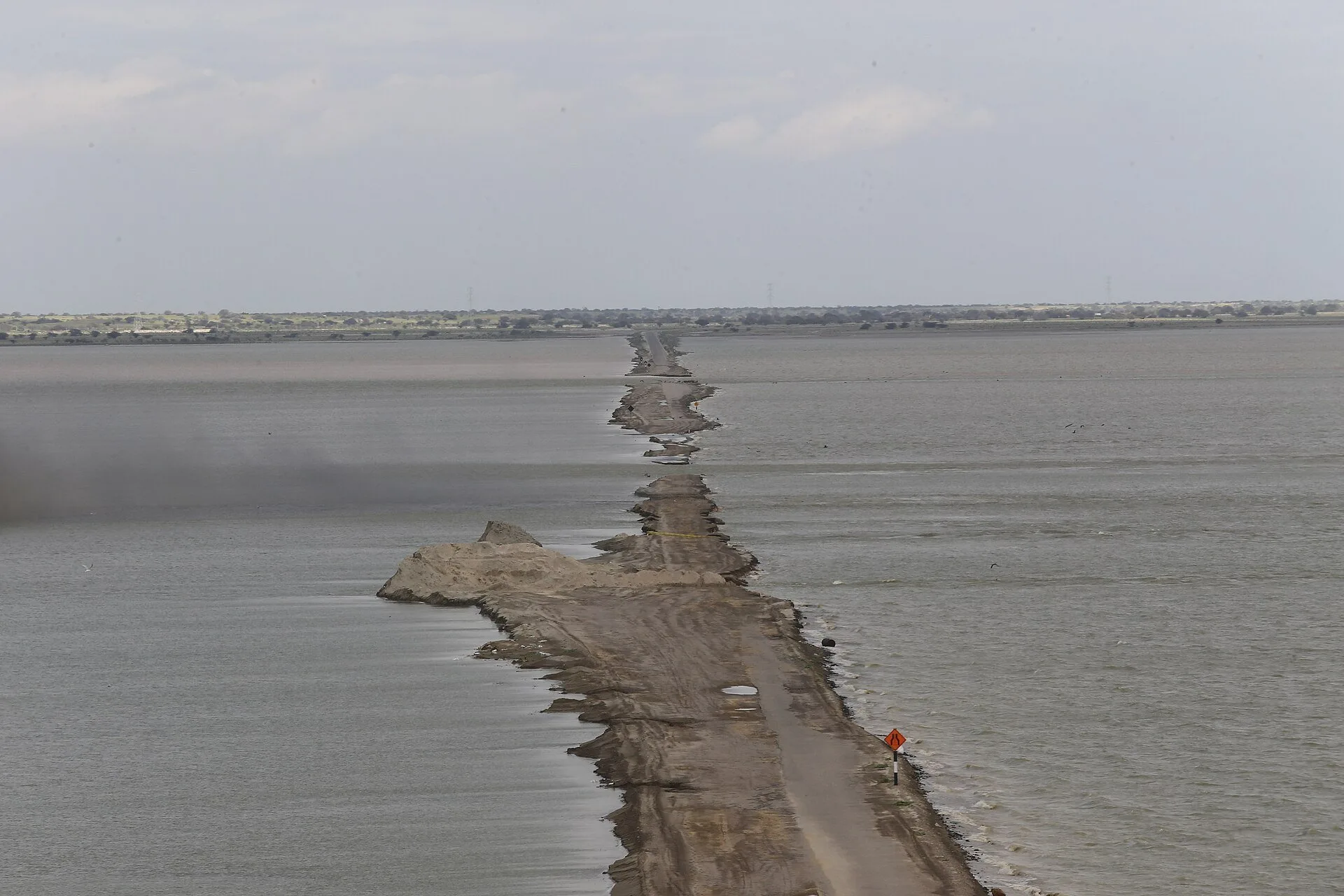
Thousands of Peruvian school buildings sit in flood-prone areas, and the next school year is at risk as the coastal El Niño gathers strength. El Niño is a warming of the Pacific Ocean off South America that shifts weather patterns and, on Peru’s coast, brings far heavier rain than usual.
Peru’s national centre for disaster risk estimation, CENEPRED, counted 9,391 school buildings at flood risk in an assessment from March to May 2026, published on 1 April 2026. For US readers, the story is about children, families and supply chains: a long closure in a country that sells copper and fresh fruit abroad would hit households and local firms alike.
Key Facts
- Who. CENEPRED, Peru’s disaster risk estimation centre, counted 9,391 school buildings at flood risk.
- What. Coastal El Niño, a Pacific warming that brings heavy rain, may disrupt the next school year.
- Where. Peru, where the north and central coast and parts of the Andes face most rain.
- When. ENFEN, the national El Niño study committee, expects extraordinary strength until February 2027.
- As of. 20 November 2026, 18:15 UTC
Thousands of Peruvian school buildings lie in flood-prone areas, but we could not find a national count of schools expected to close.
Peru’s official climate watchdog, the national committee called ENFEN that studies El Niño, has kept its coastal El Niño alert in force. In its communiqué N° 20-2026 of 13 November 2026 it said the event should stay at an extraordinary magnitude until February 2027 and then return to neutral by about June 2027.
ENFEN expects rain above normal from November 2026 to January 2027 on the north and central coast and in the north-western and central-western Andes. It says summer 2027 rains will be heavier, mainly in the north.
ENFEN describes the coastal El Niño it expects as one of extraordinary magnitude. In plain terms, the ocean off Peru stays unusually warm for months, and the rain follows.
Peru’s school year normally begins in March, so the heaviest rains of the forecast overlap with the weeks when classrooms must reopen. A school can lose days of teaching when a river overflows, a road is cut or a building is damaged, even if its walls stand.
A population centre is a town or village, so the finding points to whole communities and not only to single buildings. When access routes flood, pupils and teachers can be cut off even from classrooms that stay dry.
The risk count comes from CENEPRED, which published its assessment for March to May 2026 on 1 April 2026. It linked the school buildings at flood risk to 5,515 population centres at “very high” flood risk.
The same assessment found 24,941 school buildings exposed to possible landslides, huaicos (Andean mudflows) and related events. The two risk types overlap in places, so the numbers cannot simply be added together.
In June 2026 Minedu, Peru’s education ministry, brought forward the end of the school year at five high-performance schools in the north. These are the Colegios de Alto Rendimiento (COAR), state schools for gifted pupils, in Áncash, La Libertad, Lambayeque, Piura and Tumbes.
The change affects 1,373 pupils in years 3 to 5, and their school year closes early on Wednesday 2 December 2026. It is the clearest sign so far of how the ministry adjusts the calendar when the rains threaten classes.
We could not find a national count of schools expected to close. Exposure to flooding is not the same as closure, because a school in a risk zone can stay open if its access roads and buildings hold.
We also could not find a published cost for school protection or a date by which exposed buildings will be made safe. Parents in the north coast regions therefore have little official guidance on what to expect when classes resume.
For families, the practical question is whether their local school will open on time in March. For employers and exporters, it is whether disrupted classes keep parents away from work.
Next, ENFEN is due to issue further official communiqués on the El Niño status, and Minedu is expected to set out how the next school year will respond. Neither has announced a date for a decision on delaying the start of classes.
Frequently Asked Questions
Why does El Niño matter for Peru’s schools?
It brings heavier rain to the north coast, and floods or mudflows can cut roads and damage buildings. That can shut classrooms for days or weeks.
Does every exposed school have to close?
No. Exposure means a school lies in an area where floods can happen, and we could not find a national count of schools expected to close.
Which schools have already changed their calendar?
Five COAR high-performance schools in Áncash, La Libertad, Lambayeque, Piura and Tumbes close early on Wednesday 2 December 2026, affecting 1,373 pupils.
Sources
Published Friday 20 November 2026 · Source: CENEPRED risk assessment for March to May 2026 (published 1 April 2026); ENFEN communiqué N° 20-2026 of 13 November 2026 (gob.pe/institucion/senamhi/colecciones/1308-comunicados-enfen); Ministry of Education (Minedu) announcement on high-performance schools
Connected Coverage
Peru Pays Retirees US$59 as El Niño Bites · China Gives Peru US$22.5 Million for El Niño · Peru Readies Ballot Rescue Plan for Rains · Peru news
This article was produced by The Rio Times’ automated AI newsroom. Editorial responsibility: Matthias Camenzind, Publisher and Editor-in-Chief. The Rio Times also runs Ask Rio Times, which answers from 100,000+ of our own articles, the daily Latin America Power Map, and prediction-market odds on elections and markets.. How we use AI · Report an error