Is Uganda Safe for Americans? Ebola, Crime and Roads
Uganda is calmer than its warning level suggests, but Ebola travel rules, dangerous roads and theft decide how safe a trip is, and an American traveller should plan around all three.

Uganda is a country where most visitors have an ordinary trip, yet the biggest risks for an American are not the ones most people fear. Ebola rules (Ebola is a deadly viral disease), road crashes and petty theft matter more than headline crime, and a US entry restriction can strand non-citizens who travel on to America.
The US State Department, the American foreign ministry, rates Uganda at Level 4, its “Do Not Travel” warning, first raised over Ebola. This guide sets that warning beside Uganda’s own 2025 police figures, so you can judge the real risk rather than the label.
Key Facts
- Warning. Level 4, Do Not Travel, the State Department’s top warning, reissued on 9 November 2026.
- US entry rule. Non-US citizens who were in Uganda in the past 21 days cannot enter America.
- Crime. Police counted 196,405 reported crimes in 2025, down 10.2% from 218,715 in 2024.
- Roads. Police recorded 26,044 crashes and 5,383 road deaths in 2025.
- Ebola. Uganda declared its outbreak over on 28 July; neighbouring DR Congo still reports thousands of cases.
Uganda is calmer than its warning level suggests, but Ebola travel rules, dangerous roads and theft decide how safe a trip is, and an American traveller should plan around all three.
In Plain English
•Level 4. The State Department’s top warning, telling Americans not to go; it is a travel-risk label, not a ban.
•CDC. The US Centers for Disease Control and Prevention, the national public-health agency.
•Bundibugyo. A strain of the Ebola virus with no approved vaccine or treatment, according to the CDC.
•Uganda Police Force. The national police, which publishes an annual crime report.
•DR Congo. The Democratic Republic of Congo, Uganda’s western neighbour and the centre of the outbreak.
•ECDC. The European Centre for Disease Prevention and Control, the European Union’s disease agency.
What the US Warning Really Says
The US Embassy in Kampala, Uganda’s capital, in a health alert dated 26 May 2026, said the State Department had raised Uganda to Level 4 because of the Ebola outbreak in neighbouring Democratic Republic of Congo. The same alert told Americans not to travel to DR Congo.
Kenyans.co.ke, a Kenyan news site, reported that the State Department reissued the Level 4 advisory on Monday 9 November 2026. We could not open the State Department’s own Uganda page, so confirm the current level and its date at travel.state.gov before you book.
A Level 4 label is advice to Americans, not a border closure. Insurers set their own terms for such countries, so ask yours.
Read your travel insurance policy before you pay for flights. Our Uganda visa and residency guide sets out the visa side.
Ebola: The Rule That Affects Your Return Home
The CDC lists Uganda at Level 2, “practice enhanced precautions”, for Bundibugyo virus disease (an Ebola strain), in a notice updated on 28 August 2026. The notice reserves Level 4, the avoid-all-travel advice, for the eastern Congolese provinces of Ituri and Nord-Kivu.
The harder rule applies on the way home. The CDC says non-US citizens, including green-card holders, who were in Uganda in the 21 days before departure will not be allowed to enter the United States.
US citizens who were in Uganda in that period are routed through designated airports for health screening. The CDC names Washington-Dulles, Atlanta and New York JFK, and asks travellers to monitor their health for 21 days afterwards.
The outbreak itself is not in Uganda right now. Uganda’s health ministry declared its own outbreak over on 28 July 2026, and the ECDC reported 11,376 confirmed cases and 5,568 deaths in DR Congo as of 15 November.
On 25 October, Health Minister Chris Baryomunsi ordered a 21-day quarantine for Ugandans returning from Congo, Al Jazeera, a Qatar-based broadcaster, reported. Our report on the latest Entebbe airport rules tracks changes to screening.
Crime: Lower Than a Year Ago, Mostly Theft
The Uganda Police Force reported 196,405 crimes in 2025, Nile Post, a Ugandan news site, wrote on 30 March 2026, down 10.2% from 218,715 in 2024. Theft was the most reported offence at 56,360 cases, according to the Eagle Online news site.
The same reports count 26,366 assaults, 11,818 break-ins and 7,863 robberies. For a visitor, that points to pickpocketing, bag snatching and burglary rather than random violence.
Coverage of the police briefing puts homicides at 4,238 for 2025. Political and electoral offences rose to 800 cases from 105 in 2024, and terrorism cases fell to 8 from 26.
Police figures count reported crime only, and many victims never report. Treat them as a trend, not a measure of your own risk.
Roads: The Risk Most Visitors Underrate
Nile Post reported that Ugandan police recorded 26,044 road crashes in 2025, up 3.7% from 25,107. Deaths rose 4.7% to 5,383, from 5,144 in 2024, about 15 a day.
Motorcycles, including the boda-boda taxis common in Kampala, are a major risk: the same reports say 15,096 were involved in crashes. December was the worst month, with 2,443 crashes.
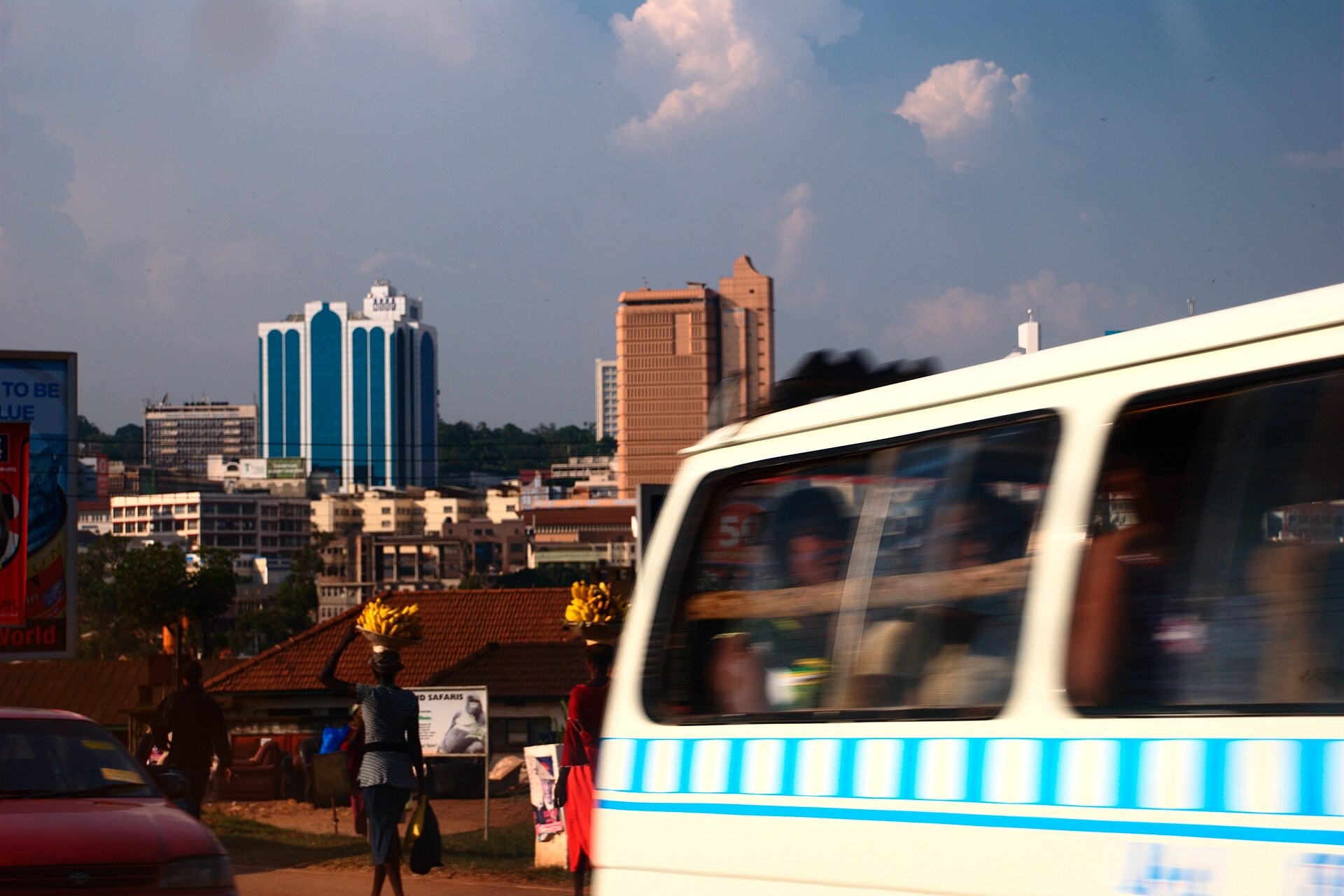
Avoid night driving outside Kampala, skip boda-bodas without a helmet, and hire a driver for long trips. Use the airline or hotel for airport transfers from Entebbe, the main airport near the capital.
Health Basics Beyond Ebola
The CDC recommends hepatitis A and typhoid vaccines for most travellers and a prescription malaria drug for everyone going to Uganda. It also says yellow fever vaccination is recommended for all travellers aged nine months or older.
Uganda reportedly dropped its own yellow-fever certificate rule on 2 October 2026, but the CDC page still lists the certificate as required for entry, so carry it. Our yellow fever rule report explains the change.
Laws and Local Risks Travellers Should Know
Uganda’s Constitutional Court largely upheld the Anti-Homosexuality Act on 3 April 2024, and Amnesty International, a human-rights group, said the ruling failed to repeal it. The law carries sentences of up to life, and the death penalty for aggravated offences.
LGBTQ travellers should take that law seriously and avoid public displays or conversations that could draw attention. We found no case against a foreign visitor, but we also found no guarantee of protection.
Political tension is a separate issue: our guide to Uganda’s political players explains the actors behind it. Avoid protests, and follow police instructions near rallies.
A Practical Safety Plan
Register your trip with the State Department’s free traveller programme, and keep digital copies of your passport. Read the Uganda country hub and our guide to living in Kampala for neighbourhood and housing context.
Keep cash and phones out of sight, use licensed taxis or ride apps, and avoid walking alone at night. If you plan to continue to the United States after Uganda, check the 21-day rule with your airline first.
What Is Not Known
We could not read the State Department’s Uganda page itself, so its text on crime, terrorism and unrest is not quoted here. We also could not find Kampala-only crime figures.
We did not find an end date for the US entry restriction. The police figures here come from coverage of the briefing, not the report itself.
What It Means for You
For an American, the question is less whether Uganda is dangerous than whether the paperwork and the road will cooperate. Weigh the Level 4 label against your insurance, your return route and your tolerance for long drives.
If the Ebola rules ease, the label may follow. Recheck the State Department and CDC pages within a week of travel.
Frequently Asked Questions
Is Uganda safe for American tourists?
The State Department rates Uganda Level 4, Do Not Travel, first raised over Ebola in May 2026 and reissued on 9 November. Police-reported crime fell 10.2% in 2025, and theft is the most common offence.
Can I return to the US after visiting Uganda?
US citizens can, but are routed through designated airports for screening, the CDC says. Non-US citizens, including green-card holders, who were in Uganda within 21 days cannot enter the United States.
Is Ebola active in Uganda now?
Uganda declared its own outbreak over on 28 July 2026. The ECDC reported 11,376 confirmed cases in neighbouring DR Congo as of 15 November, so rules remain strict.
What is the biggest everyday risk in Uganda?
Road crashes. Police recorded 26,044 crashes and 5,383 deaths in 2025, per Nile Post, and 15,096 motorcycles were involved in crashes.
Which vaccines does the CDC recommend for Uganda?
Hepatitis A, typhoid for most travellers, yellow fever for travellers aged nine months or older, and malaria prevention medicine. Check the CDC page and your doctor before travel.
Sources
US Embassy Kampala health alert, 26 May 2026 · Kenyans.co.ke, 10 November 2026 · CDC Uganda traveler page · CDC returning travelers, 30 October 2026 · ECDC Ebola update, 15 November 2026 · Uganda Police 2025 crime report coverage, 30 March 2026 · Uganda Police 2025 road crash coverage, 30 March 2026 · Eagle Online, 30 March 2026 · Amnesty International, April 2024
Police figures are reported crime for 2025, as presented by the Uganda Police Force on 30 March 2026. The daily death rate is our rounding.
This article was produced by The Rio Times’ automated AI newsroom. Editorial responsibility: Matthias Camenzind, Publisher and Editor-in-Chief. The Rio Times also runs Ask Rio Times, which answers from 100,000+ of our own articles, the daily Latin America Power Map, and prediction-market odds on elections and markets.. How we use AI · Report an error
Expat Guide to Uganda
What The Rio Times publishes for foreigners who live in or move to Uganda.
Start here
City guides
Coming up in Uganda
Understand Uganda