
Politics: Peru
Published Tuesday, 10 November 2026 · Source: Jurado Nacional de Elecciones (JNE, Peru’s electoral court), Resolution 4557-2026-JNE; statements by Jesús Maldonado, outgoing mayor of San Juan de Lurigancho
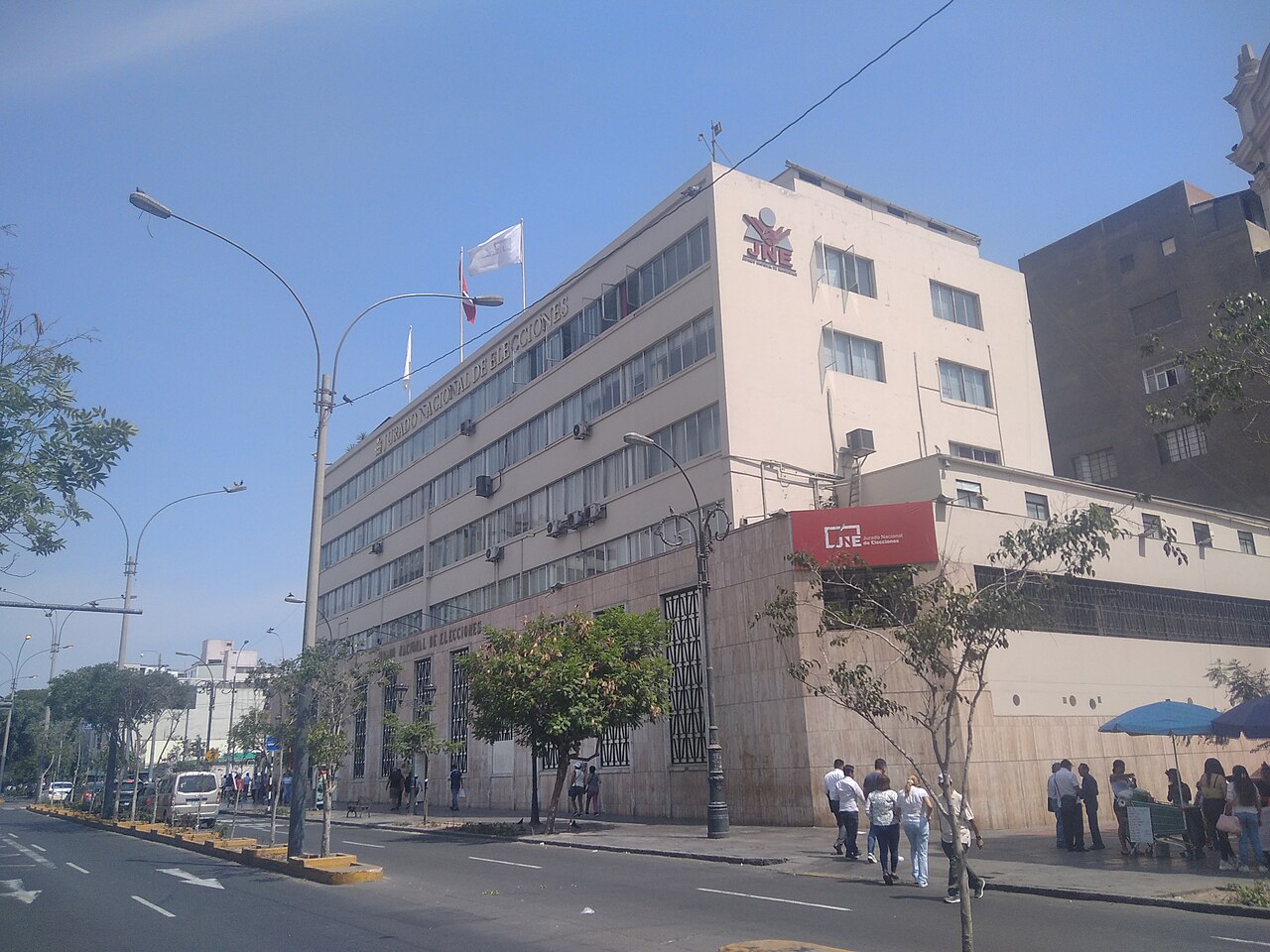
Peru’s top electoral court has closed a loophole in the ban on immediate re-election for mayors. In a 3–2 ruling dated Monday 2 November 2026, the National Elections Jury (JNE) said an outgoing mayor who ran as first councillor, normally the deputy mayor, cannot be proclaimed mayor, though the person keeps a councillor’s seat.
That leaves Jesús Maldonado, outgoing mayor of San Juan de Lurigancho, Peru’s most populous district, without the mayor’s chair his Somos Perú party list won on 4 October. He says the JNE is not respecting its own earlier rulings, and the local electoral panel had set no proclamation date by 8 November.
Key Facts
- What. Peru’s electoral court bars ex-mayors who ran as first councillor from taking the mayor’s seat in such cases.
- Ruling. Resolution 4557-2026-JNE, dated 2 November 2026, orders corrections in nine cases and sets the rule for others.
- Scale. The court counted 153 mayors elected in 2022 who ran as first councillor on 4 October 2026.
- Case. Jesús Maldonado, outgoing mayor of San Juan de Lurigancho, says the JNE is not respecting its own earlier rulings.
- Next. The local electoral panel for his district had set no proclamation date by 8 November.
- Power Index. Peru ranks 5th of 14 in The Rio Times Latin America Power Index, with 53.9 points (November 2026 edition).
The ruling follows a decision of the JNE’s full bench on 28 October to review, on its own initiative, the winner proclamation records issued by the local electoral panels (JEE). These panels, 91 of which ran this year’s vote, declare winners and hand out credentials, the official documents that let a mayor take office.
What the Court Decided
Peru’s constitution bars mayors from immediate re-election, and the court says that ban cannot be dodged by changing the post on the ballot. A mayor elected in 2022 who ran as first councillor, the person who normally steps in as deputy mayor, may sit as a councillor but cannot be proclaimed mayor.
The resolution counts 153 provincial or district mayors from the 2022 elections who ran as first councillor in the 4 October regional and municipal elections. In 76 of those cases the list’s mayoral candidate had been excluded, rejected, successfully challenged or had resigned, so the list ran with no eligible mayoral candidate.
In nine cases handled by panels in Recuay, Huancayo, Trujillo, Moyobamba and Bagua, the court ordered new proclamation records and credentials. Where an ex-mayor is barred, the next eligible councillor in line takes the mayor’s chair, the court says, and the same rule applies to any later succession during the four-year term.
The court says its reasoning follows the purpose of the constitutional ban, which would be “emptied of content” (in the court’s Spanish, “vaciando su contenido”) if a mayor could return by running for another post. It adds that earlier elections allowed ex-mayors to run as councillors, but that being allowed to run is not the same as being allowed to take the mayor’s office.
Why Maldonado Says It Is Personal
Maldonado was mayor of San Juan de Lurigancho in 2023–2026 and appeared as first councillor on the list of Somos Perú, a Peruvian party that ran the winning list. His nephew, César Usquiano, was the party’s mayoral candidate until he resigned on 5 August 2026, which left the list without a mayoral name.
Maldonado said on 10 November that the JNE is not respecting its own earlier rulings. He has previously rejected the idea that his candidacy is a hidden re-election.
In plain English
A “credential” is the document a local electoral panel issues to a winner to take office. The first councillor (primer regidor) is the top name on a list after the mayor and normally becomes deputy mayor.
Who Takes Over in His District
Margiori Mejía Alva, 28, who studied business administration and is the second councillor on the Somos Perú list, is expected to become mayor if the ruling is applied, although Maldonado disputes it. The local electoral panel had set no proclamation date as of 8 November.
Other districts face the same rule. The court reviewed 427 proclamation records in all and ordered nine to be redone.
What It Means for You
For readers abroad this is a political-risk story rather than a market event. For any company, builder or traveller dealing with a district hall, the practical effect is that mayors in the districts the court ordered corrected cannot take office until their panels issue new credentials.
Lima’s city government faces its own handover, as our report on the debts Lima’s next mayor inherits shows. For wider context see our Peru news hub and our guide to who holds power in Peru.
What Is Not Known
It is not known how many of the 153 mayors will end up losing the mayor’s seat. It is also not known which legal route Maldonado will take, or when San Juan de Lurigancho will be proclaimed.
Frequently Asked Questions
Who is Jesús Maldonado?
He was mayor of San Juan de Lurigancho, Peru’s most populous district, in 2023–2026. He ran as first councillor on his party’s list in the 4 October 2026 elections.
Can an ex-mayor take office through the first-councillor spot?
No. Resolution 4557-2026-JNE says they may sit as councillors but cannot be proclaimed mayor, because the constitution bars immediate re-election.
Who becomes mayor in San Juan de Lurigancho?
Margiori Mejía Alva, the next eligible name on the winning list, is expected to take the post if the local panel applies the ruling. No date has been set.
Can Maldonado appeal?
He says he will take legal action but has not said which route. Rulings of the JNE’s full bench are final under Article 181 of the constitution.
Sources: Jurado Nacional de Elecciones, Resolution 4557-2026-JNE of 2 November 2026 (jne.gob.pe); Constitution of Peru, article 194; public statements by Jesús Maldonado, 10 November 2026.
In depth
This article was produced by The Rio Times’ automated AI newsroom. Editorial responsibility: Matthias Camenzind, Publisher and Editor-in-Chief. The Rio Times also runs Ask Rio Times, which answers from 100,000+ of our own articles, the daily Latin America Power Map, and prediction-market odds on elections and markets.. How we use AI · Report an error