
PERU · WEATHER
Key Facts
- What Peru’s weather service, Senamhi, has warned of strong to extreme rain in the north; Monday reports put the warning at 9 to 11 November 2026.
- Where Tumbes and Piura on the northern coast are the focus; Tumbes saw severe flooding in early November.
- Record Senamhi’s chief said on 2 November that October’s rain beat the El Niño years of 1982–83 and 1997–98.
- Next Senamhi has warned that another surge of the Tumbes River is possible.
- Power Index Peru ranks 5th of 14 in The Rio Times Latin America Power Index, with 53.9 points (November 2026 edition).
Peru’s north coast is bracing for a fresh round of heavy rain. Some streets there were still under water from the last one.
Peru’s national weather and hydrology service, Senamhi, has warned of strong to extreme rain in the north of the country, and reports on Monday 9 November 2026 put the warning at 9 to 11 November. Tumbes, a border city on the Pacific coast beside Ecuador, saw severe flooding in early November.
The warning comes in what Senamhi calls an extraordinary year for rain. For US readers, the north coast is a farming region, and roads cut by water can disrupt harvests and fuel deliveries.
How Wet It Has Been
Grinia Ávalos, head of Senamhi, said on 2 November at a news conference led by President Keiko Fujimori at the National Emergency Operations Centre (COEN) that October’s rainfall in Tumbes was unprecedented for the time of year. It surpassed what was recorded in the El Niño years of 1982–83 and 1997–98, she said, and it came before the main rainy season had even started.
El Niño is a warming of Pacific waters that can bring heavy rain to Peru’s coast, and Senamhi describes this year’s version as a “coastal El Niño”. Of the three such extraordinary events in Peru’s records, Ávalos said, this is the most intense.
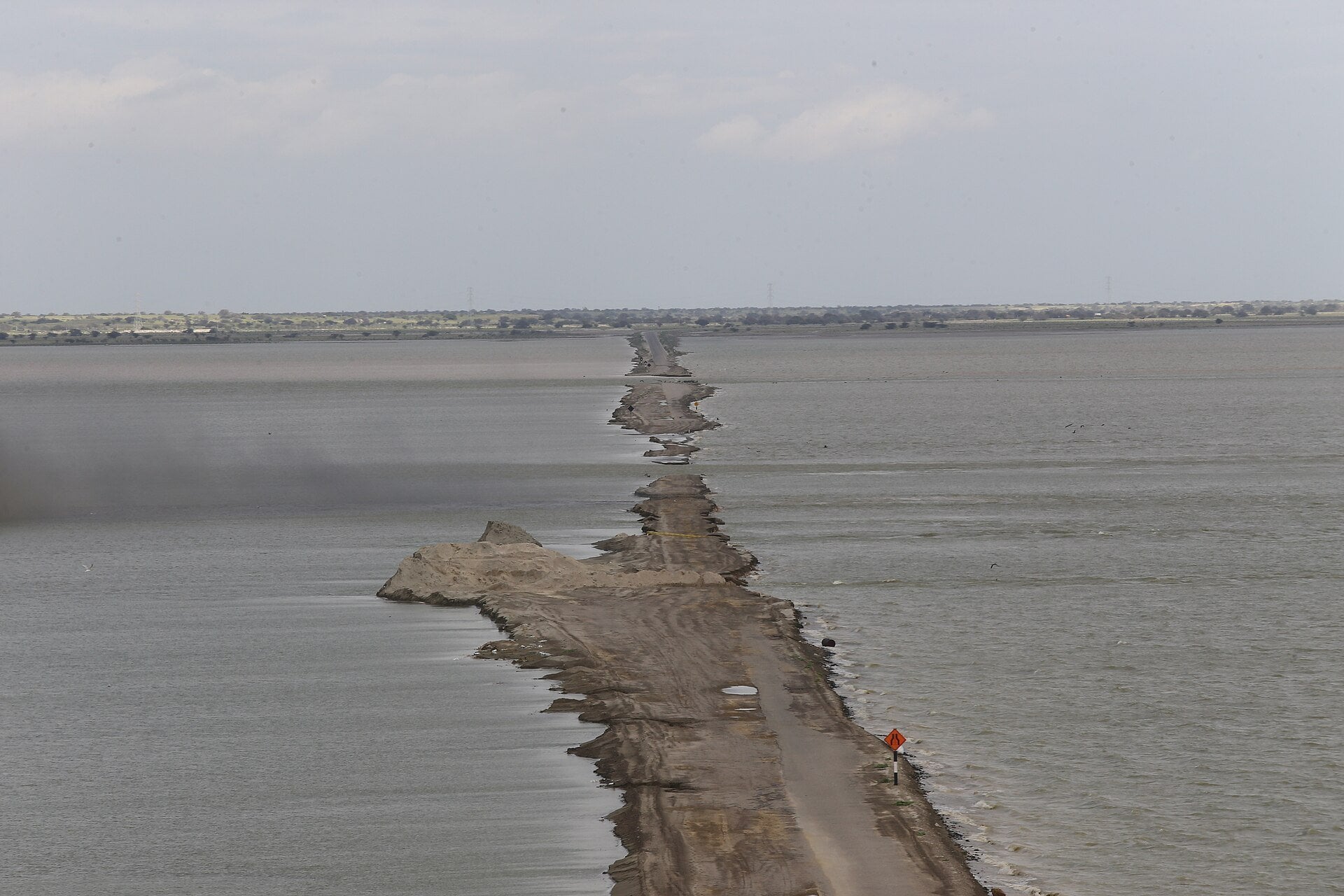
Senamhi specialist Raquel Loayza said the village of El Salto, in Zarumilla province, recorded 110.3 millimetres (4.3 inches) of rain in a single early morning. A typical November brings about 9 millimetres (0.35 inches) there, and the same spot had about 100 millimetres (4 inches) on 27 October.
The Tumbes River rose above its red alert threshold of 1,000 cubic metres per second, then dropped back into the yellow range, Loayza said. She warned that another surge of similar size could come, and that rain in Ecuador also feeds the river because the two countries share its basin.
What Is Forecast Now
For the weekend of 7–8 November, Senamhi forecast strong to extreme rain on the north coast, mainly in Tumbes, and moderate to strong rain on the inland coast of Piura. It said a new wave of intense rain would reach Tumbes and Piura from Thursday 5 November.
Monday reports said the new warning covers 9 to 11 November, with streams and streets at risk of flooding. We could not read the notice itself on Senamhi’s site, so these dates are reported, not confirmed.
Zarumilla, the province bordering Ecuador, was among the areas hit in early November, with residents evacuated from flooded localities. Ávalos said Peru is entering its peak rainy season in the middle of an extraordinary El Niño.
In Plain English
Senamhi is Peru’s National Meteorology and Hydrology Service, the state forecaster.
Red alert is the top level in Senamhi’s river and rain warnings, used when serious flooding is likely.
What It Means for You
Travellers heading to Tumbes or Piura should expect road closures and delays, and should follow local civil-defence notices. Business buyers of northern Peruvian produce or fuel may see short delays, though the size of any loss has not been measured.
Our earlier reports cover Peru’s Huaraz Floods After Hail and Rain and Peru Flags 58 Mine Waste Sites for El Niño. More is on our Peru page.
What Is Not Known
The full text of Senamhi’s 9–11 November warning and its alert level are not confirmed here, and no official damage figure for the latest rain has been published. How many people remain displaced in Tumbes is also unknown.
Frequently Asked Questions
What did Senamhi warn about on 9 November 2026?
Senamhi has warned of strong to extreme rain in Peru’s north. Monday reports put the warning at 9 to 11 November, but we could not read the notice itself, so those dates are reported, not confirmed.
How unusual is the rain in Tumbes?
Senamhi’s chief said October’s rainfall beat the El Niño years of 1982–83 and 1997–98. El Salto in Zarumilla recorded 110.3 millimetres in one morning against about 9 millimetres in a typical November.
What is a coastal El Niño?
It is a warming of the sea off Peru’s coast that can bring heavy rain to the north. Senamhi uses the term for this year’s event.
Is it safe to travel to Tumbes and Piura?
Flooded streets and possible new storms can close roads. Check Senamhi notices and local advice before travelling.
Sources: Senamhi (senamhi.gob.pe), weather warnings and statements by Grinia Ávalos and Raquel Loayza, early November 2026; press conference at the National Emergency Operations Centre (COEN) led by President Keiko Fujimori, read 10 November 2026.
This article was produced by The Rio Times’ automated AI newsroom. Editorial responsibility: Matthias Camenzind, Publisher and Editor-in-Chief. The Rio Times also runs Ask Rio Times, which answers from 100,000+ of our own articles, the daily Latin America Power Map, and prediction-market odds on elections and markets.. How we use AI · Report an error