Peru Election Prosecutors Top 6,800 for the 4 October Local Vote
Politics · Peru
Key Facts
- —What happens on Sunday More than 6,800 prosecutors will be on duty across Peru’s 34 fiscal districts for the 4 October vote.
- —How big the vote is About 26.3 million registered voters will choose 13,148 authorities, from regional governors to district councillors.
- —How it compares The prosecution service sent 6,500 to the equivalent election in October 2018 and 7,000 to June’s run-off.
- —The catch The published statement gives one national total and no regional breakdown of where the 6,800 go.
- —What they are looking for Peru election prosecutors are watching for vote-buying, voter coercion, impersonation at the ballot box and damage to electoral material.
Peruvians choose governors, mayors and councillors on Sunday. The public prosecution service says more than 6,800 prosecutors will be watching the vote.
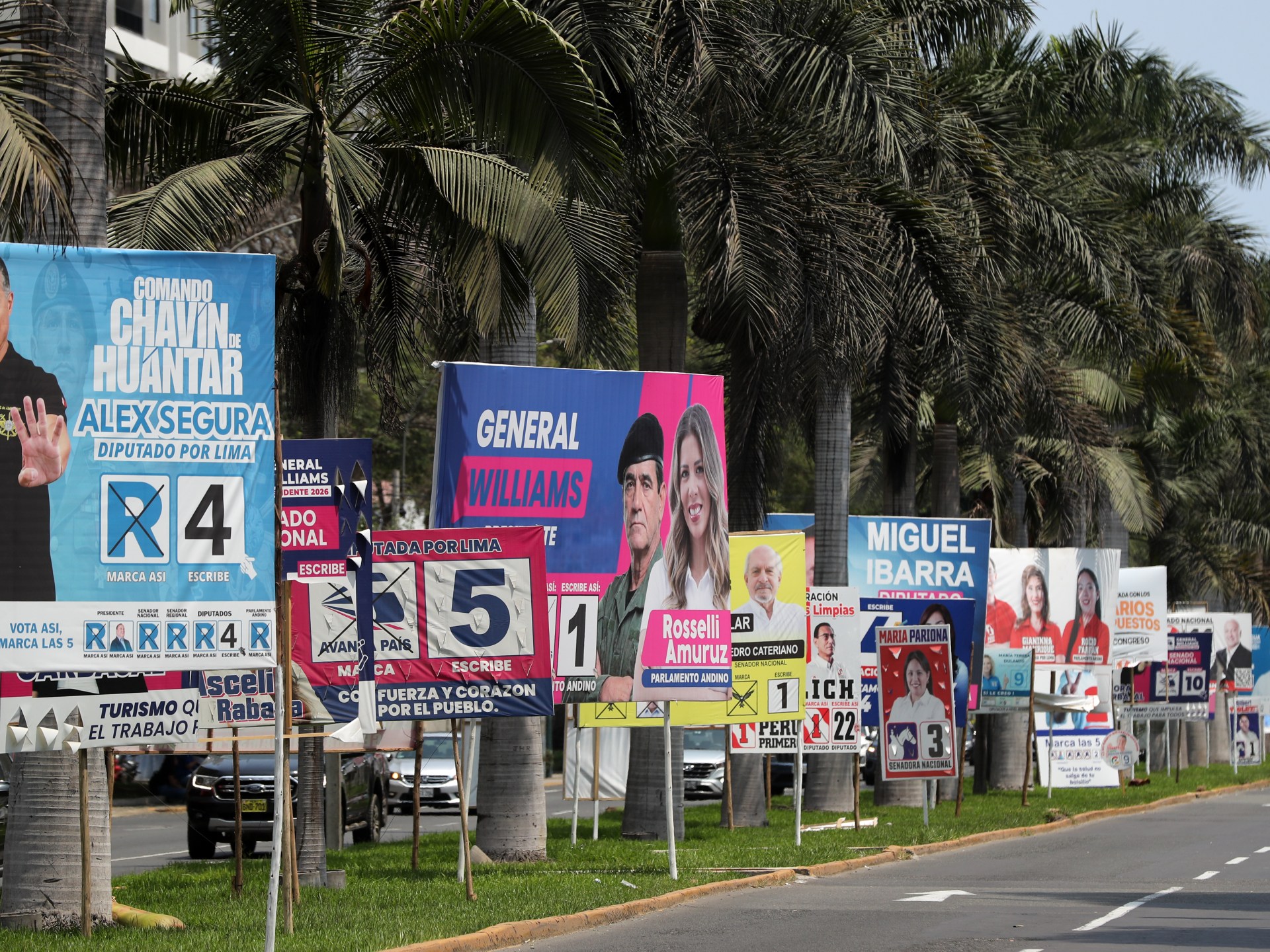
Peru election prosecutors will be at work across the whole country this Sunday. The Ministerio Público, Peru’s public prosecution service, says more than 6,800 of them will be deployed.
They will cover all 34 of the country’s fiscal districts on 4 October 2026. The service set out the plan in a statement on Monday 28 September 2026.
Their job is to prevent and investigate electoral crimes before, during and after the vote. Three kinds of prosecutor take part: crime prevention, criminal and anti-corruption.
What Peru is actually electing
This is a subnational election. Nobody is choosing a president or a member of Congress, and the result will not change the national government.
Voters are filling 13,148 posts, according to the Oficina Nacional de Procesos Electorales, the body that organises Peruvian elections. It is known by its initials, ONPE.
The list runs to 25 regional governors, 25 vice-governors and 364 regional councillors. Below them sit 196 provincial mayors and 1,696 district mayors.
Another 1,724 provincial councillors and 9,118 district councillors complete the ballot. The winners take office on 1 January 2027.
ONPE puts the electorate at 26,266,645 people. The vote needs 26,924,874 ballot papers in 1,892 different designs, one for each district in the country.
How 6,800 compares with past votes
The figure comes from the prosecution service itself, in a written statement. In 2022 the prosecutor general set out the same kind of plan in a formal resolution.
For scale, the same service fielded 6,500 prosecutors at the regional and municipal elections of October 2018. That was its own published count at the time.
In June this year, for the second round of the presidential election, it sent 7,000. Sunday’s deployment therefore sits between those two.
The statement stops at the national number. It carries no regional split, so the share going to each part of the country is not stated.
The offences they are looking for
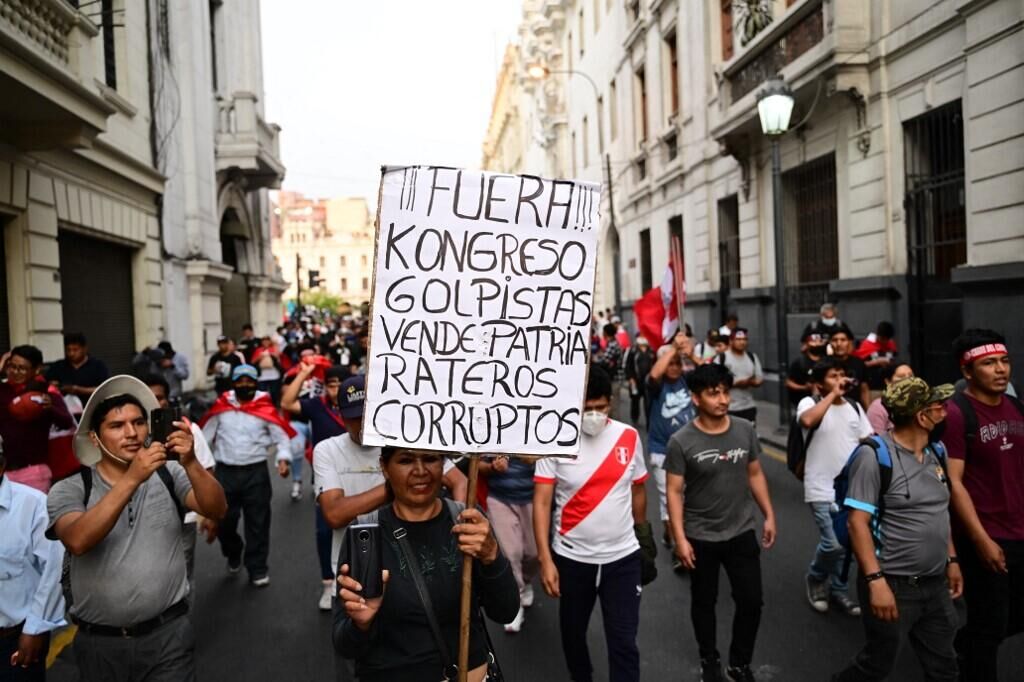
The service names six main targets. The first three are vote-buying, pressure or coercion applied to a voter, and impersonation at the ballot box.
The others are disruption of the electoral process, improper propaganda and the alteration or destruction of electoral material. A dry law also applies around polling day.
Known in Peru as the ley seca, it bans the sale, distribution and consumption of alcohol. Breaches of it led to arrests at the last comparable election.
Violence against candidates sits outside that list. In August the Jurado Nacional de Elecciones, the national electoral board, approved a security manual for candidates.
It is taught in workshops run with the United Nations human rights office in Peru. The board has also sent conflict-prevention monitors to thirteen locations.
What Peru election prosecutors can do on the day
Peru’s constitution gives the Ministerio Público the task of directing criminal investigation from the outset. Article 159 obliges the National Police to follow prosecutors’ orders within their remit.
In practice a police officer makes an arrest at a polling station and a prosecutor decides what follows. The prosecutor opens the file, or closes it.
Much of the work happens earlier. Prosecutors have inspected polling places, watched ballot papers leave ONPE warehouses and taken down campaign posters put up illegally.
What the last comparable vote produced
The service keeps its own count through a unit called the Observatorio de Criminalidad, its crime observatory. At the regional and municipal elections of October 2022 it logged 152 incidents of criminal relevance.
Police detained 139 people across 23 fiscal districts. Impersonating a voter accounted for 88 of those arrests, or 63.3 per cent of the total.
Propaganda outside permitted hours produced 20 arrests, and publicising how someone had voted another 14. Breaches of the dry law followed.
June’s presidential run-off looked different. Marked or scribbled ballot papers made up two of every three recorded incidents, 104 cases in all.
The service also carried out 20,425 preventive actions that day and opened 57 investigations. Lima Norte, Áncash and Junín recorded the most incidents.
Money is policed by someone else
Campaign accounts are the job of ONPE, not of the prosecutors. Candidates for governor, vice-governor or mayor had to file their campaign finances by Friday 18 September 2026.
Of the 10,623 candidates under that duty, 8,372 had filed, or 78.8 per cent. That left 2,251 outstanding, ONPE said on 22 September 2026, counting filings up to the previous day.
Among the late filers were 41 people running for governor and 270 for a provincial mayoralty. Cusco, Áncash and Huánuco had the most.
Gifts to voters are handled by the special electoral juries, the local panels that rule on candidacies. A candidate caught handing out money or goods faces a fine.
Under a rule the national electoral board approved in 2025, that fine runs from S/27,500 to S/165,000 (about US$8,000 to US$48,000). Those cases are also passed to the prosecutors.
A repeat offence brings exclusion from the ballot. Conversions here use a rate of 3.44 soles to the US dollar, from Peru’s central bank for 28 September 2026.
The institution doing the policing is itself contested
The Ministerio Público is autonomous under the constitution and headed by the fiscal de la Nación, the prosecutor general. Tomás Aladino Gálvez Villegas has held that post since March 2026.
The Junta de Fiscales Supremos, a panel of the most senior prosecutors, elected him on 23 March 2026. He was sworn in four days later for a three-year term.
In his inaugural speech Gálvez said the institution had faced serious problems when he took over as acting head six months earlier. He said his first steps aimed at ending a “climate of institutional confrontation” and at securing the budget the service needed.
Disciplinary action against senior prosecutors has continued this year. On 19 September 2026 the Junta Nacional de Justicia dismissed a former prosecutor general, Delia Espinoza.
That body appoints and disciplines Peruvian judges and prosecutors. It called the decision a further dismissal, not the first against her.
Three of its members voted for dismissal, two filed separate opinions and the vice-president voted to acquit. The ruling is a disciplinary sanction, not a criminal conviction.
Three presidents in under a year
The backdrop is unusual turnover at the top. Peru has had three presidents since October 2025: José Jerí, José María Balcázar and Keiko Fujimori.
Jerí took office on 10 October 2025 and Balcázar on 18 February 2026. Both were sitting members of Congress who filled the post mid-term.
Fujimori was sworn in on 28 July 2026 after winning June’s run-off. Her term runs to 2031.
The electoral board proclaimed her president-elect on 3 July 2026. Its local panels are the same ones that police gifts to voters.
What should work, and what may not
The strongest argument for the deployment is that Peru election prosecutors are not improvising. The service has run this operation at national votes for years and keeps its own incident data.
It also has reach into local government. Between January 2025 and June 2026 its anti-corruption prosecutors won first-instance convictions against 2,064 public officials.
Those included 99 mayors and five regional governors. First instance is the stage at which a Peruvian case can still go to appeal.
The limits are geographic and legal. A prosecutor in central Lima and one in a river district of Loreto are doing the same job in very different conditions.
Prosecutors also cannot strike a candidate off a ballot; only the electoral juries can. Their power is to investigate, and investigations outlast the day they start.
ONPE finished sending material to 94 offices in the interior on Saturday 26 September 2026. The last consignment reached Pomabamba in Áncash.
Lima and Callao are supplied from Friday 2 October 2026. Rain is the other planning assumption, with El Niño contingency plans in Cajamarca, Ica, Tumbes and Piura.
The winners of Sunday’s vote take office on 1 January 2027. What happens between those two dates is not something any deployment figure settles.
More: Peru coverage, every day from The Rio Times.
Frequently Asked Questions
How many Peru election prosecutors are being deployed, and where does the figure come from?
The Ministerio Público said on 28 September 2026 that it would keep more than 6,800 prosecutors deployed across Peru’s 34 fiscal districts. The figure is the institution’s own, published in a written statement, and covers the period before, during and after the vote of 4 October 2026. Three kinds of prosecutor take part: crime prevention, criminal and anti-corruption. The statement gives a national total and does not break it down by region.
What exactly is Peru voting for on 4 October 2026?
Regional and municipal authorities, not national ones. ONPE, the body that organises Peruvian elections, says 13,148 posts are at stake: 25 regional governors, 25 vice-governors, 364 regional councillors, 196 provincial mayors, 1,724 provincial councillors, 1,696 district mayors and 9,118 district councillors. ONPE puts the electorate at 26,266,645 people. The winners take office on 1 January 2027.
What can Peru election prosecutors do at a polling station?
Peru’s constitution puts the Ministerio Público in charge of directing criminal investigation from the outset, and article 159 obliges the National Police to follow prosecutors’ orders within their remit. So the police make an arrest and the prosecutor decides whether it becomes a criminal case. Prosecutors also work before the vote, inspecting polling places, supervising the movement of ballot papers and removing campaign material put up illegally.
Who punishes vote-buying and unreported campaign money?
Two different bodies. The special electoral juries handle gifts to voters: under a rule approved by the national electoral board in 2025, a candidate can be fined from S/27,500 to S/165,000 (about US$8,000 to US$48,000) and excluded from the ballot for a repeat offence, with the case also passed to prosecutors. Campaign accounts are supervised by ONPE, which said on 22 September 2026 that 2,251 of the 10,623 candidates required to file had not yet done so.
Sources: Ministerio Público on the deployment of more than 6,800 prosecutors, Ministerio Público on the agreement with the Defensoría del Pueblo, Ministerio Público on its coordination with ONPE, Ministerio Público on the 7,000 prosecutors sent to June’s run-off, Ministerio Público on the 6,500 prosecutors of October 2018, Ministerio Público on the 2022 resolution setting out the same kind of plan, Ministerio Público on Tomás Gálvez taking office, ONPE on the 13,148 posts and the electorate, ONPE on the ballot papers and the 1,892 ballot designs, ONPE on the campaign accounts still missing, ONPE on the distribution of electoral material, JNE on fines and exclusion for gifts to voters, JNE on its conflict-prevention monitors, JNE on its security manual for candidates, Junta Nacional de Justicia on the dismissal of Delia Espinoza, Presidencia de la República on the swearing-in of 28 July 2026, Constitution of Peru, articles 158 and 159, Banco Central de Reserva del Perú on the sol exchange rate
This article was produced by The Rio Times’ automated newsroom system. How we use AI · Report an error
Read More from The Rio Times