Oil Standoff: RSF Control Halts South Sudan’s Crude Flow Through Sudan
The recent agreement between Sudan and South Sudan to resume oil transport faces a major hurdle. The Rapid Support Forces (RSF) control key pumping stations, blocking progress.
This situation highlights the complex interplay of politics and economics in the region. Sudan’s leader Abdelfattah El Burhan and South Sudan’s President Salva Kiir Mayardit met in Juba last week.
They agreed to form a joint committee to restart South Sudan’s oil flow through Sudan. However, the ongoing conflict between the Sudanese Armed Forces and the RSF complicates matters.
Former Sudanese Energy Undersecretary Hamid Suleiman stresses the need for a ceasefire. Without it, safe oil transport remains unlikely.
The RSF‘s control over key facilities poses significant security concerns for workers and operations. South Sudan’s oil transport through Sudan halted in February due to technical issues.
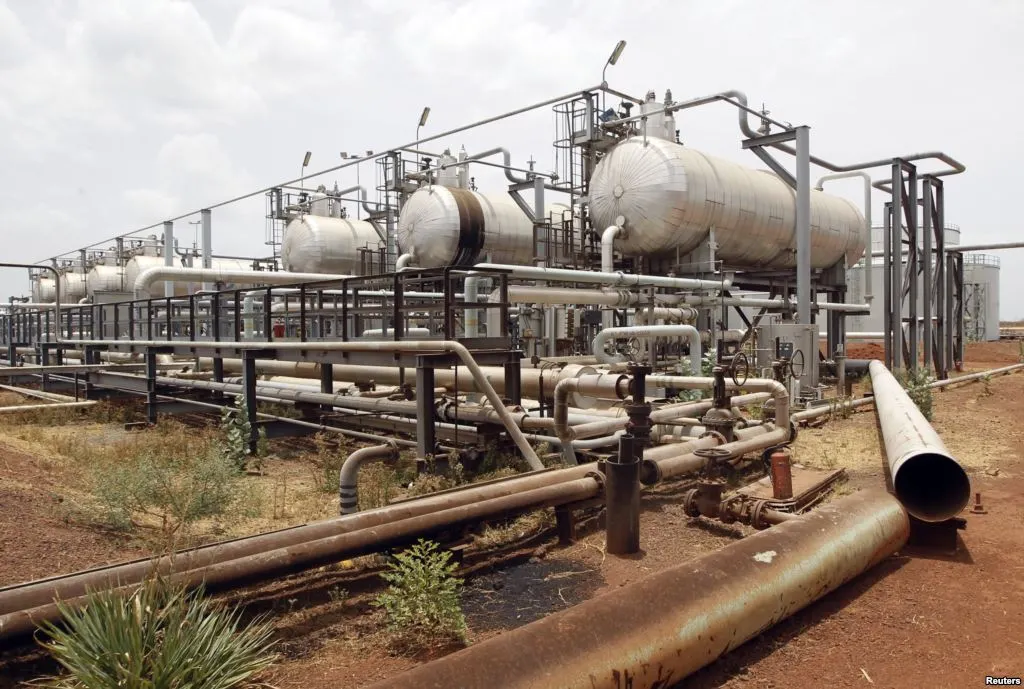
A diesel shortage at pumping stations caused the waxy crude to solidify, leading to pipeline blockages and ruptures. The conflict has further exacerbated these problems.
Economic Fallout of Oil Disruption
The economic impact of this disruption is severe for both nations. South Sudan, heavily reliant on oil revenue, loses $100 million monthly.
Sudan also suffers, missing out on substantial transit fees from the arrangement. Experts warn of potential long-term consequences if the situation persists.
The $2.3 billion pipeline could suffer irreparable damage if oil remains frozen in the system. This scenario would destroy both countries’ economies.
Suleiman emphasizes that while technical readiness exists, political resolution is crucial for safe oil flow. Restoring transport could benefit both nations economically and potentially foster stronger ties.
It might even promote peace between Sudan and South Sudan. The situation underscores the delicate balance between political stability and economic prosperity in the region.
As both countries grapple with the fallout, the need for a swift resolution becomes increasingly urgent.
This article was produced by The Rio Times’ automated newsroom system. How we use AI · Report an error · Editorial responsibility: Matthias Camenzind, Editor-in-Chief
Part of our ongoing coverage
Africa: The New Scramble — the great-power contest over the continent.
Horn of Africa and the Red Sea
- Horn of Africa 2026: Why It Matters and Who Backs Whom
- Ethiopia’s Neighbors Explained, Ports, Eritrea, Somalia
- Eritrea Explained 2026, a Red Sea Country Guide
- Somalia Explained: Al-Shabaab, Somaliland, the Ports and the Fight Over a 2026 Vote